Kids interview David
by Charactorium · David (1038 av. J.-C. — 968 av. J.-C.) · Mythology · 4 min read
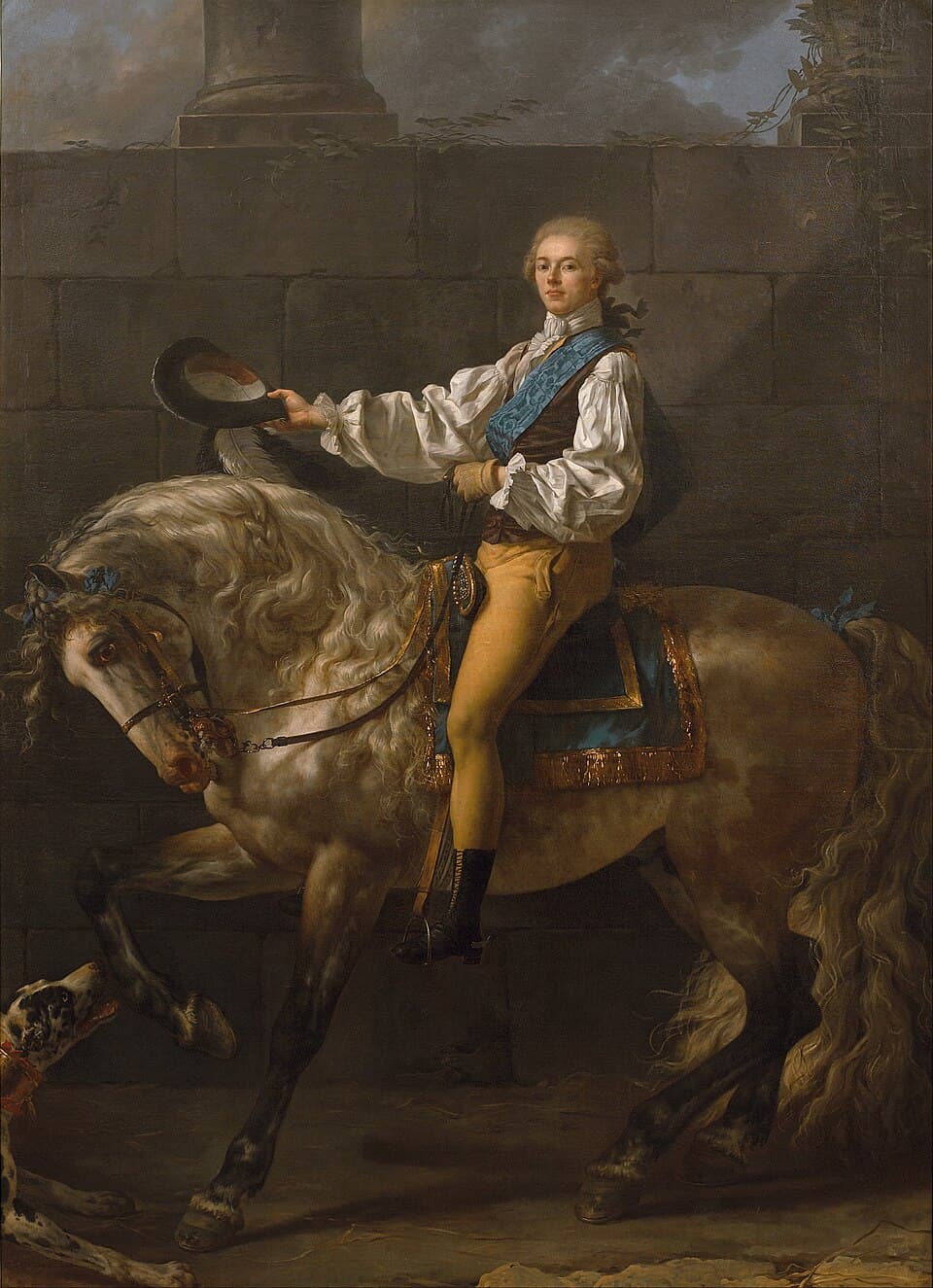
Two young visitors, on a school field trip, step forward a bit shy. Before them, an old man with a gray beard holds a small harp on his knees. He smiles and waves them closer: King David is about to tell them his story.
—What was it like being a little shepherd before becoming king?
You know, my child, I was the youngest of my brothers. While they went off to war, I kept the sheep near Bethlehem, my town. Imagine dry hills, the blazing sun, and you alone with your flock all day. I had a long shepherd's staff and a sling — a simple leather strap for throwing stones and driving off lions that wanted to eat my animals. No one watched me. But it was there, in the silence, that I learned not to be afraid. The beasts made me brave before men did.
The beasts made me brave before men did.
—Were you afraid when you saw the giant Goliath facing you?
Everyone was trembling, my child. Goliath was a huge Philistine warrior, covered in bronze, and he insulted our army every morning. The soldiers were afraid to move. I was the smallest, and I had only a sling and five pebbles picked up in the Valley of Elah. You'll laugh: they tried to put heavy armor on me, but I couldn't even walk in it! So I took it off. I ran, I threw my stone, and the giant fell. That day I understood that size is not strength.
That day I understood that size is not strength.
—Is it true you played music for King Saul?
Yes, and that's how it all began. King Saul had a heavy soul, great sorrows that devoured him. I was called to court because I played the lyre well — a small stringed instrument you pluck with your fingers. Imagine soft music in a great stone hall, in the evening, and a king gradually calming down. My music soothed his pain. I was just a shepherd, and there I was playing before a king. Music opened the palace doors for me before the sword did.
Music opened the palace doors for me before the sword did.
—What is a psalm, and why did you write so many?
A psalm, my child, is a poem sung to God — sometimes to thank Him, sometimes to weep, sometimes just so as not to feel alone. I composed many, in the evening, after the kingdom's labors. When I was afraid, I sang that the Lord was my light and that I had nothing more to fear. It was like talking to a friend in the dark. These songs remained after me: even today, people whisper them in difficult times. Kingdoms pass, but a true song crosses the centuries.
Kingdoms pass, but a true song crosses the centuries.
—Why did you choose Jerusalem to be your city?
Good question! I first reigned seven years in Hebron, over the kingdom of Judah. But to unite all the tribes, I needed a new city that belonged to no one in particular. So I took the fortress of Zion, perched on its height, and made it Jerusalem, my capital. Imagine walls of golden stone at sunset. I built my palace there. It was a place for everyone, the heart of the united kingdom. A city that belongs to everyone unites better than a city stolen from one.
A city that belongs to everyone unites better than a city stolen from one.
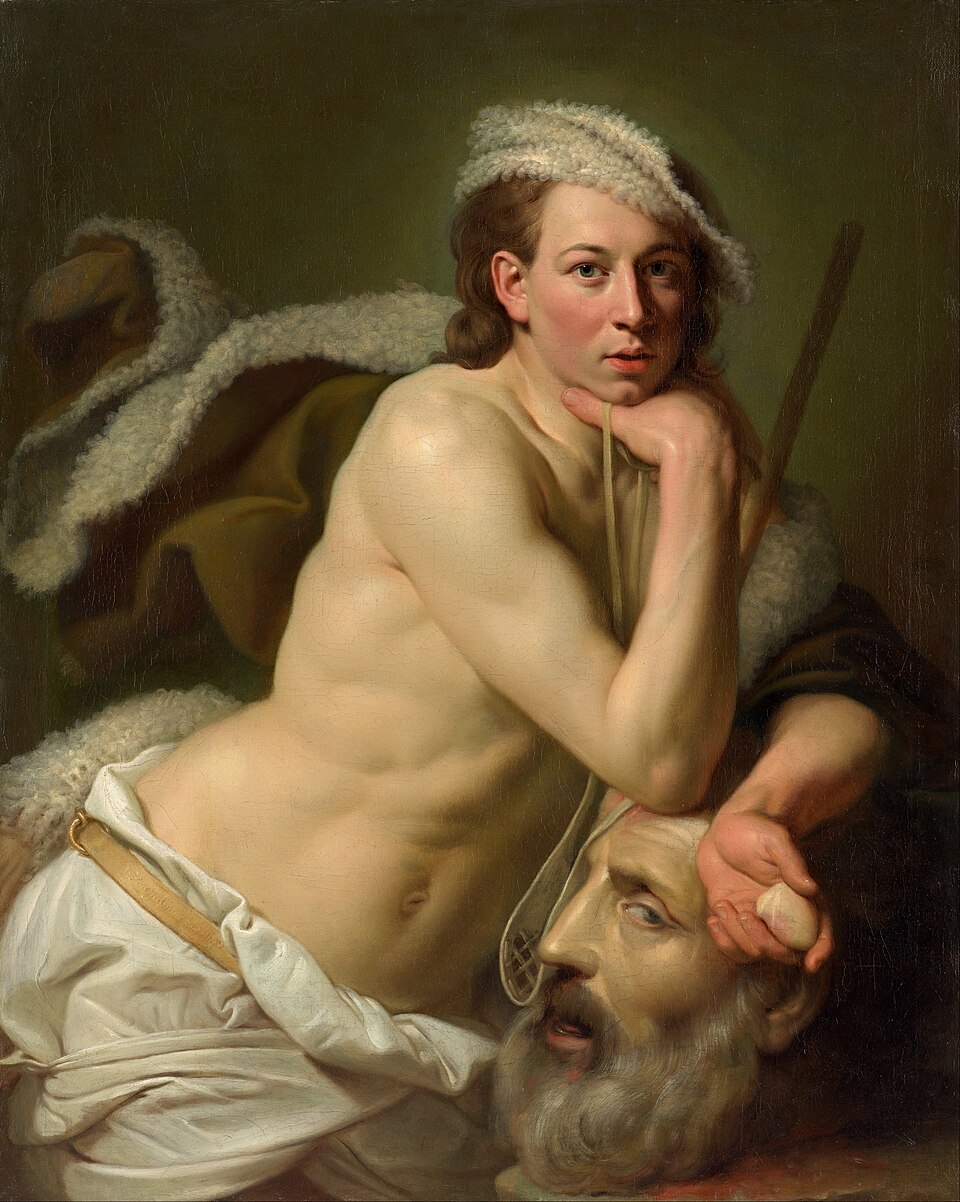
—What was the Ark of the Covenant that you brought there?
The Ark of the Covenant, my child, was a sacred chest, the most precious in all Israel. Inside it rested the Tablets of the Law, given by God to our people. To carry it was to carry the very presence of the Lord among us. When I brought it into Jerusalem, I was so happy that I danced in the streets — yes, a king dancing! That day, my city became not only a capital of stone and soldiers. It became a holy city, the place where my people came to pray.
That day, my city became a holy city.
—They say you made a big mistake. What was it?
You touch my greatest wound, my child. Yes, I committed a grave sin: I took Bathsheba, the wife of one of my soldiers, and I let that man die in battle. I was king, I thought everything was permitted to me. But the prophet Nathan came and looked me in the eye and told me the truth to my face. I felt shame, immense shame. And you know what I did? I did not punish Nathan. I admitted my wrong and I wept. Even a king must bow before what is right.
Even a king must bow before what is right.
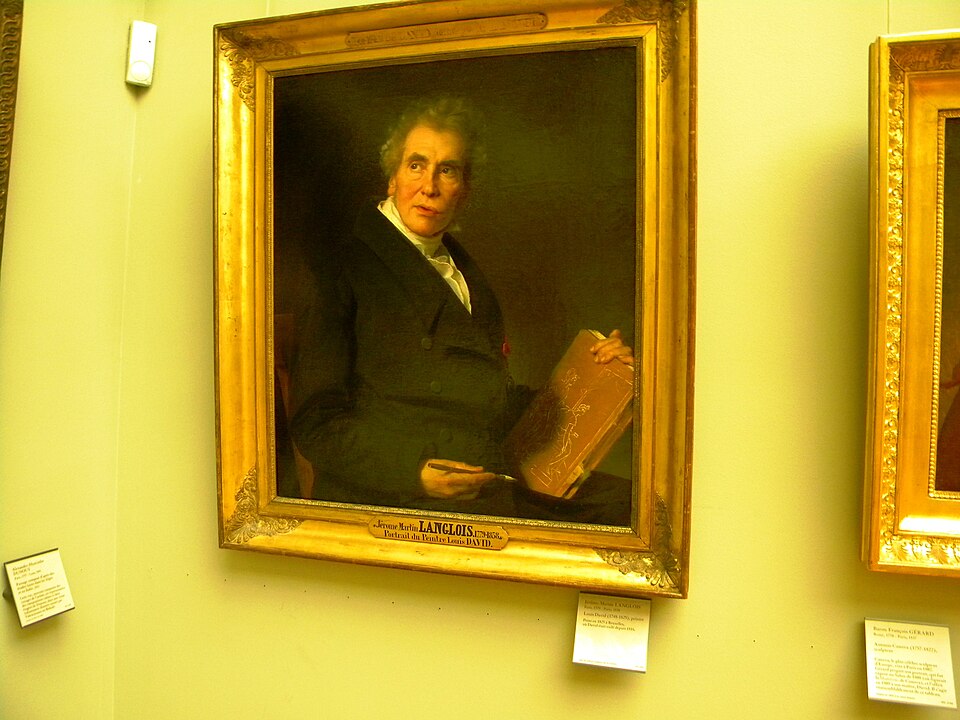
—What does it feel like to be scolded when you are the most powerful king?
It is terrible, and yet necessary. You see, when you are King of Israel, no one dares to contradict you. Everyone tells you that you are right, even when you are wrong. It is a dangerous trap. The prophet Nathan had immense courage to rebuke me, for I could have silenced him. But deep down, I knew he was right. Imagine a mirror that shows you your true face, even when it is ugly. It hurts. Yet that day, I preferred the truth that wounds to the lie that flatters.
I preferred the truth that wounds to the lie that flatters.
—Have any traces of you been found, proof that you existed?
It is touching that you ask, my child. Long after my death, people found an old engraved stone, called the Tel Dan Stele. On this stone, in ancient letters, are the words 'House of David'. Imagine: a broken stone, buried in the earth for centuries, still bearing my name. My kingdom had become so well known that neighboring peoples spoke of it on their monuments. A name carved in stone is a voice that refuses to be silent through time.
A name carved in stone is a voice that refuses to be silent through time.
—What did you leave to your son Solomon before you died?
I grew old, my child, and I had to prepare for what came next. I had dreamed of building a great temple in Jerusalem for the Ark, but that task fell to my son Solomon. So I left him a united kingdom, a capital, and above all a family that would reign long: the Davidic dynasty. You see, founding a lineage is like planting a tree whose fruit you will never see fully. My people continued to hope, century after century, for a descendant from me. One does not build only for oneself: one builds for those not yet born.
One does not build only for oneself: one builds for those not yet born.
This imaginary interview was generated by artificial intelligence from sources documented in David's profile. It dramatises what the figure might have said based on what we know about them, but does not constitute attested historical testimony. For primary sources and factual documentation, refer to the full profile.