Kids interview Drusilla
by Charactorium · Drusilla (16 — 38) · Politics · Society · 5 min read
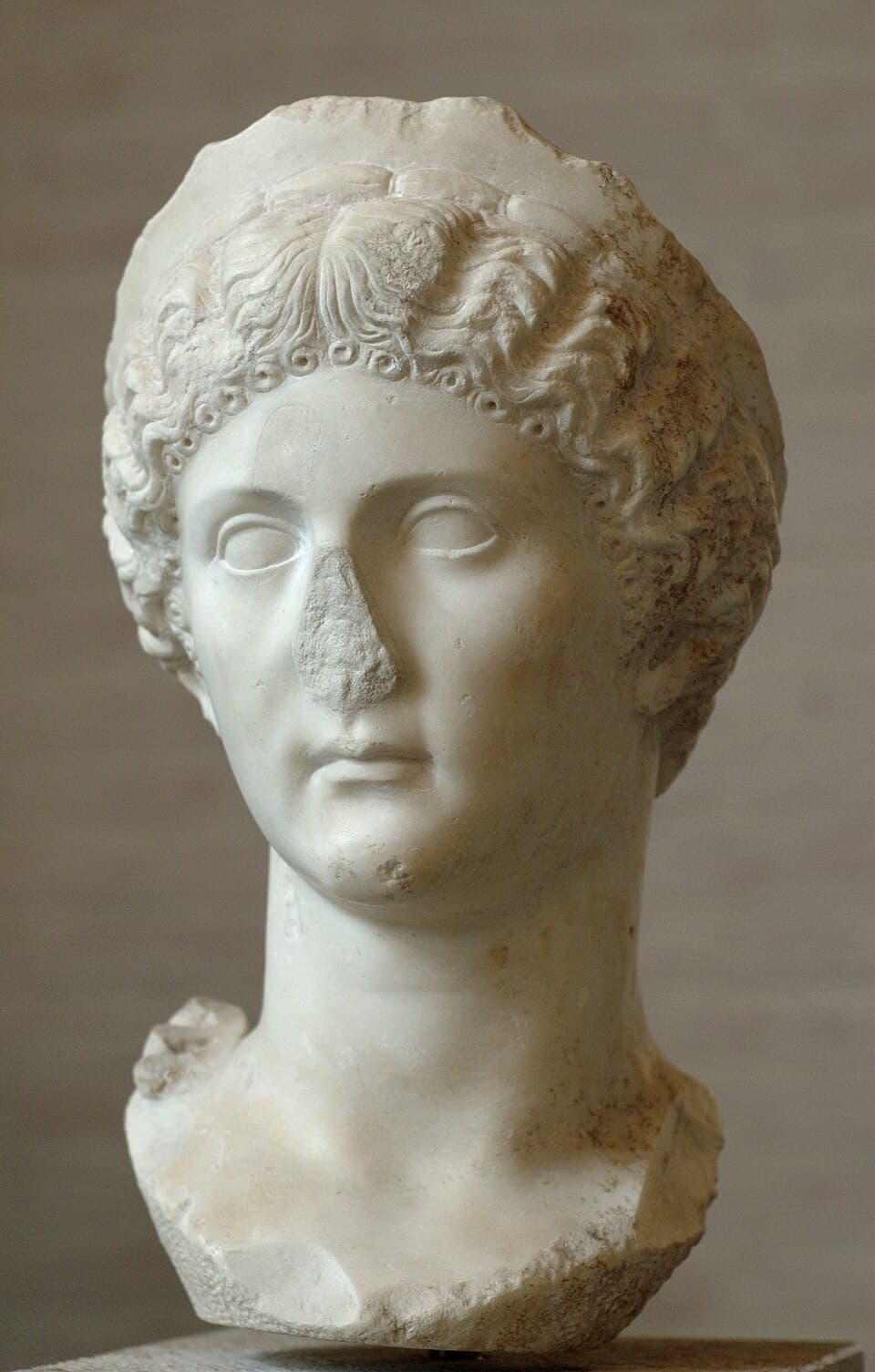
That morning, two young visitors on a discovery field trip push open a heavy marble door on the Palatine Hill. A Roman princess awaits them, smiling, ready to tell them about her extraordinary life. They sit down, a little intimidated, and begin to ask their questions.
—How old were you when your dad died? That must have been hard.
You know, my child, I was barely three years old. My father was called Germanicus, he was a great general whom all Rome adored. We were traveling with him in the East, very far away, in a great Syrian city called Antioch. That's where he died, in the year 19, and many whispered that he had been poisoned. Imagine a little girl in a foreign palace, surrounded by adults who cry and speak in low voices. I didn't understand yet, but I grew up with that void. Losing a father loved by all marks a childhood forever.
I was three years old, and already a great void in the house.
—And your mother? Where was she while you were growing up?
Ah, my mother, Agrippina the Elder... a courageous woman, you know. But Emperor Tiberius hated her, because she defended my family too strongly. He had a terrible man in his service, a commander of his guard named Sejanus, who hunted down all those under suspicion. In the year 29, they arrested my mother and exiled her to an island. I never saw her again: she died there of hunger and grief in 33. Imagine growing up knowing that a single wrong word could make you disappear. You quickly learn to keep quiet and smile.
You quickly learn to smile when a wrong word can make you disappear.
—What was your house like? What did it smell like in the morning when you woke up?
I lived at the top of a hill in Rome, the Palatine, in the palaces of the imperial family. The morning smelled of scented oil and flowers from the gardens. A slave servant, my ornatrix, would arrange my hair in complicated curls for hours. Then came the salutatio: dozens of visitors would file in to greet our family and ask for favors. I wore a long dress, the stola, and a large draped cloak over it, the palla. Imagine walls covered with colored marble and paintings everywhere. It was beautiful, but one was never truly alone.
Everything was beautiful, but one was never truly alone.
—What did you eat in the evening? Were there any weird things in Rome?
In the evening, we would gather for the cena, the main meal. And then, surprise: we didn't eat sitting up, but lying on banquet couches, in a room called the triclinium! We would lean on one elbow and nibble. There was bread, olives, fruits, fish, poultry. The strangest thing for you would be our favorite sauce: garum, made from fermented fish in the sun. It smelled very strong, but we put it on everything! And wine, we always mixed it with water. Drinking pure wine was frowned upon.
We ate lying down, and we loved a fish sauce that smelled very strong.
—Is it true that you were named a goddess? A real goddess?
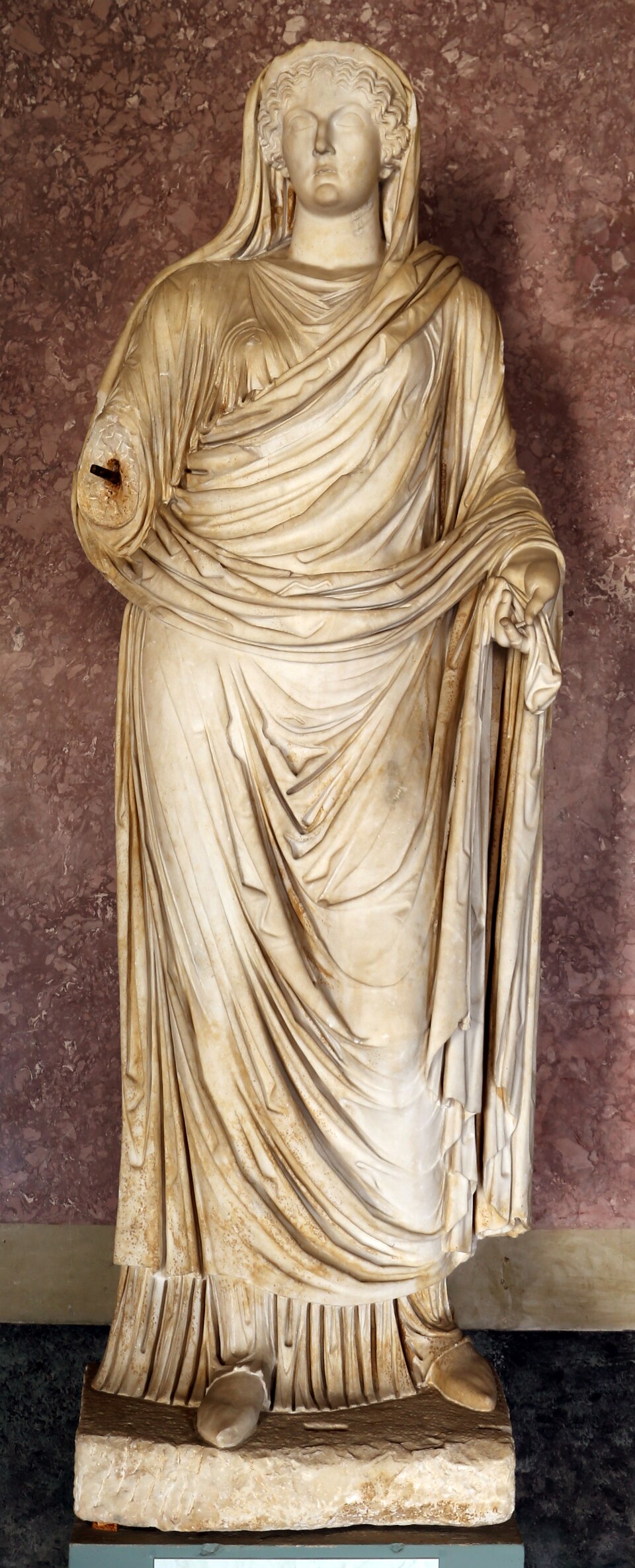
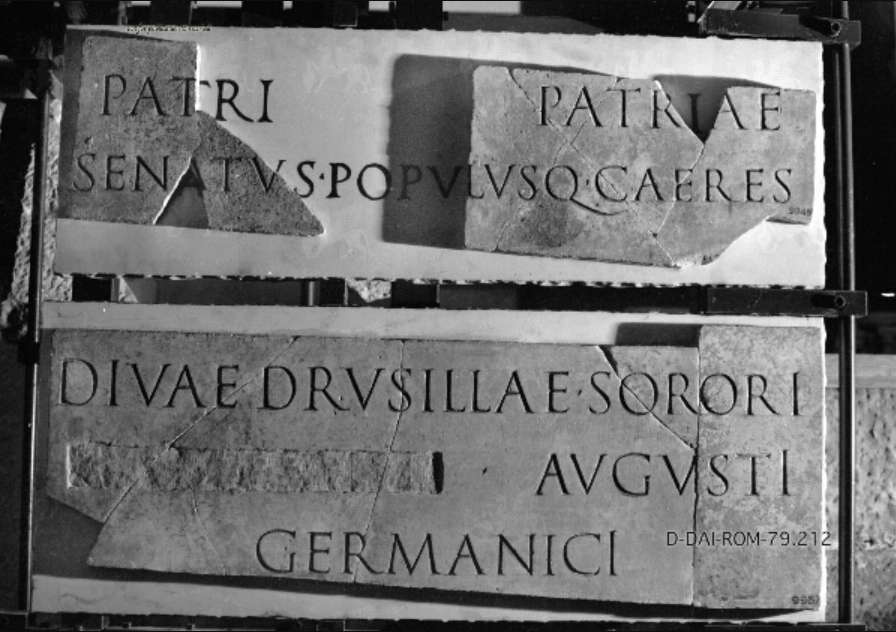
Yes, my child, and that had never happened to a Roman woman before me. When I died, in the year 38, the Senate, our great assembly, voted for my consecratio: the decision to raise me to the rank of the gods. I was called Diva Drusilla Panthea, which means 'all goddess.' They even placed a statue of me in the temple of the goddess Venus. Imagine: people prayed before my image and swore in my name, as for a real god. As a little girl, I feared a wrong word; now I had become a goddess.
I was the first woman of Rome that the Senate raised among the gods.
—But how can you prove that someone has become a god? That's impossible, isn't it?
You're right to doubt, that's very clever! So they did something astonishing. A senator named Livius Geminius stood up before everyone. He swore, calling down misfortune on himself and his children if he lied, that he had seen with his own eyes me ascending to heaven and speaking with the gods. This is called an apotheosis, the ascent of a mortal to the sky. My brother rewarded him with a huge sum of money. Many didn't really believe it... but no one dared say it out loud.
A man swore he saw me ascend to heaven — and was paid for that oath.
—Did your brother the emperor love you very much? Were you close?
Oh yes, I was his favorite sister. My brother was Caligula, the emperor. We had gone through childhood and all those family misfortunes together, so we were very close. When he fell seriously ill in 37, just after coming to power, he did something incredible: he designated me as his heir. Imagine, my child: for the first time, it was considered that a woman could inherit the entire Empire! That had never been seen in Rome. It was his way of telling me how much he counted on me.
For the first time, it was thought that a woman could inherit the Empire.
—And when you died, what did he do? Was he sad?
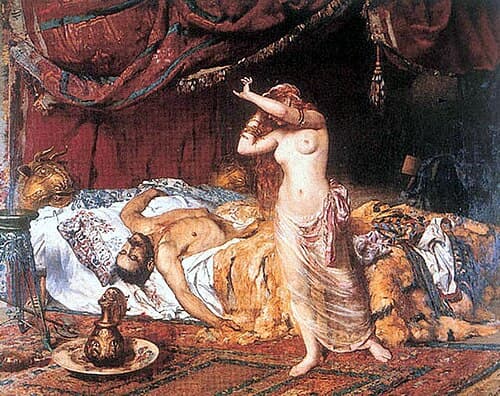
Sad? That's too small a word, my child. My brother went almost mad with grief. He imposed a mourning of a severity never known before. The writer Suetonius recounts that it became a crime, punishable by death, to laugh, take a bath, or dine with family! Imagine an entire city forced into silence. He himself left Rome without attending to anything, let his beard and hair grow, and wandered through the countryside, unable to return to the capital. He could no longer bear the place where I had lived.
He made laughter itself punishable by death, so immense was his grief.
—What is it like to have such a powerful brother who protects you so much?
It is both sweet and heavy, you know. Sweet, because Caligula showered me with honors: he had my name added to the great official oaths that magistrates swore. Imagine powerful men swearing loyalty while pronouncing your name, yours! But it is heavy too. When everything depends on the love of a single man, everything can collapse if he changes. As a child, I had seen my mother and father crushed by power. So I learned one thing: being close to the throne is like living on the edge of a magnificent cliff. The view is beautiful, but the void is right there.
Being close to the throne is like living on the edge of a magnificent cliff.
—Was there a coin with your face on it? Can we still see it?
Yes! And it's one of the only places where you can still see my face today. My brother had a beautiful bronze coin struck, a sestertius, which showed his three sisters side by side. I was in the center, represented as Concordia, the goddess of harmony and peace. I held a cornucopia overflowing with fruits. Imagine your portrait traveling from hand to hand across the Empire, in markets, shops! For women still alive, it was a huge and very rare honor. Each coin said: these sisters matter, respect them.
My face traveled from hand to hand across the Empire, on bronze.
—If we could meet you today, what would you want us to remember about you?
Beautiful question, my child. I lived very little, only twenty-two years. I did not command armies nor write books. Yet my name has crossed almost two thousand years to reach you. I would like you to remember this: I was the first woman of Rome that they dared imagine as heir to the Empire, and then they raised me among the gods under the name Diva Drusilla. A door opened thanks to me; other empresses crossed it after my death. Sometimes, one leaves a mark not by what one does, but by what one makes possible.
Sometimes one leaves a mark not by what one does, but by what one makes possible.
Read further


This imaginary interview was generated by artificial intelligence from sources documented in Drusilla's profile. It dramatises what the figure might have said based on what we know about them, but does not constitute attested historical testimony. For primary sources and factual documentation, refer to the full profile.