Drusilla(16 — 38)
Julia Drusilla
Rome antique
6 min read
Julia Drusilla (16-38 AD) was a Roman princess of the Julio-Claudian dynasty, daughter of Germanicus and Agrippina the Elder, and the favorite sister of the emperor Caligula. Upon her death, she became the first Roman woman to be deified by the Senate.
Frequently asked questions
Key Facts
- Born in 16 AD, daughter of the general Germanicus and Agrippina the Elder, in the prestigious Julio-Claudian dynasty
- Sister of Caligula, who became emperor in 37 AD and presented her as one of his honored sisters in public oaths
- Married to Lucius Cassius Longinus, then united with Marcus Aemilius Lepidus, a close associate of Caligula
- Died of illness in 38 AD; Caligula decreed a public mourning and held solemn funeral rites for her
- Deified by the Senate under the name Diva Drusilla Panthea, the first woman of Rome to receive the status of a goddess
Works & Achievements
Drusilla became the first Roman woman officially deified by the Senate, paving the way for the later apotheoses of empresses such as Livia.
A genuine state cult was established: priests, sacrifices, oaths sworn in her name, and celebrations of her birthday, making her an object of official devotion.
When Caligula fell ill, he made Drusilla his heir—the first time a woman was considered to inherit the Roman Empire.
Caligula had sesterces struck depicting his three sisters in the guise of personified virtues; on them Drusilla embodies Concordia, a rare honor for living women.
Caligula had the names of his sisters, including Drusilla, added to the official oaths of allegiance and the vows of the magistrates, a sign of their unprecedented place in imperial propaganda.
Anecdotes
Drusilla was the favorite sister of Emperor Caligula. When he fell gravely ill in 37 AD, shortly after coming to power, he named her heir to his possessions and even to the Empire — an unprecedented choice for a woman in ancient Rome.
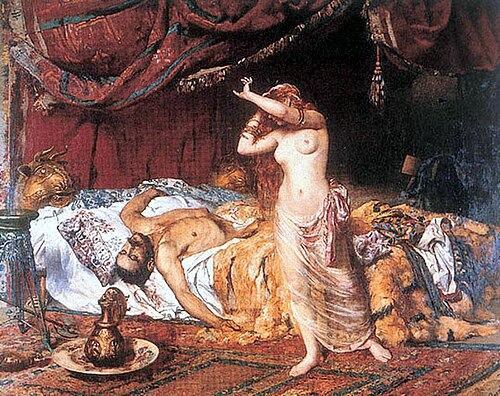
When Drusilla died in June 38 AD, Caligula imposed a public mourning of extreme severity. According to Suetonius, it became a capital crime to laugh, to take a bath, or to dine with one's family for as long as the official mourning lasted.
His grief was so profound that Caligula left Rome without attending to affairs of state, let his beard and hair grow, and then wandered through Campania and Sicily, unable to bear the sight of the capital.
In 38 AD, the Senate decreed her deification: Drusilla became “Diva Drusilla,” the first Roman woman raised to the rank of the gods. She was given the nickname “Panthea” (“all-goddess”), and a statue of her was placed in the temple of Venus.
To prove Drusilla's divinity, a senator named Livius Geminius solemnly swore, on pain of a curse upon himself and his children, that he had seen with his own eyes the princess ascend to heaven and converse with the gods. Caligula rewarded him with a considerable sum (one million sesterces according to Cassius Dio).
Primary Sources
During the mourning [for Drusilla], it was a capital offence to have laughed, bathed, or dined with one's parents, wife, or children. […] He ranked her among the gods under the name of Panthea.
A senator, Livius Geminius, swore — calling down ruin upon himself and his children if he were lying — that he had seen Drusilla ascending to heaven and conversing with the gods; a golden statue was set up for her in the Senate House.
Did anyone see him die? Yes, just like the man who swore he had seen Drusilla ascending to heaven — that is how we come to know what goes on up there.
Key Places
Hill on which the Julio-Claudian imperial residences stood; Drusilla lived here at the heart of Caligula's court.
Great city of Syria where Germanicus died in AD 19; the young Drusilla was then accompanying her parents on her father's eastern mission.
Capital of the Empire where Drusilla died in June AD 38, triggering a period of public mourning ordered by Caligula.
Sanctuary dedicated to Venus where a statue of the deified Drusilla was erected, a symbol of her consecration as a goddess.