Kids interview Epicurus
by Charactorium · Epicurus (341 av. J.-C. — 269 av. J.-C.) · Philosophy · 5 min read
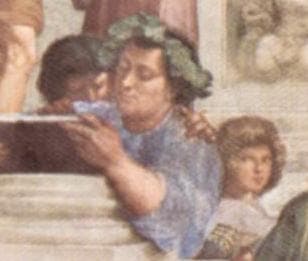
Two twelve-year-old students push open the gate of a garden near Athens. Under the fruit trees, an old barefoot man welcomes them with a smile. He invites them to sit on the grass and talk.
—What was your school like? A real house with rooms?
Oh no, my child! My school was a real garden. Kepos, in Greek, means 'the garden.' Picture a plot planted with fruit trees, between the walls of Athens and the Academy. I bought this patch of land around 306 BCE. No marble, no columns. We sat on the grass, just like you now. In the morning, I ate barley bread and drank water. Do you know why I chose such a simple place? Because happiness doesn't hide in luxury. It grows where you plant vegetables and friendships.
Happiness doesn't hide in luxury, it grows like a garden.
—Did you really let girls and slaves in? Everyone?
Yes, and you know, it shocked a lot of people. In my time, the great schools only accepted free, wealthy men. I opened my door to women, and even to slaves. Imagine the faces of the serious philosophers! For me, it was obvious: wisdom doesn't care if you were born rich or poor. Once a month, we had a small banquet together. Very modest, you know: bread, a little cheese. We laughed, we talked. What mattered was being there, all together, with no one feeling inferior to another.
Wisdom never asks if you were born rich or poor.
—People say 'epicurean' for someone who eats a lot and parties. Is that you?
Ah, that makes me smile! People mixed everything up after my death. Listen carefully: when I speak of pleasure, I don't mean feasts or debauchery. True pleasure is simply not suffering in your body and not being troubled in your soul. Do you see the difference? I ate bread and drank water. When a friend sent me a little cheese, I would say laughing that I could feast! The greatest pleasure is not filling your belly. It is feeling calm, at peace, with friends beside you.
True pleasure is not suffering and staying calm.
—What did you really eat in the morning? And in the evening with your friends?
In the morning, I woke at dawn and walked a bit in my garden to think. Then barley bread and water. Sometimes olives, figs, a few vegetables I grew myself. Nothing more. Evening was my favorite time. I shared a simple meal with my close disciples, under a clay oil lamp. We talked about friendship, happiness, sometimes late into the night. You know, a meal doesn't have to be rich to be joyful. With good friends, a piece of bread becomes a feast. That's the secret.
With good friends, a piece of bread becomes a feast.
—Where were you born? And why did you move so much before Athens?
I was born on Samos, a beautiful island in the Aegean Sea. My father was a settler there, originally from Athens. But my childhood was disrupted. When I was about twenty, soldiers drove the Athenian settlers off the island. My family had to flee to Colophon, on the mainland. Imagine having to leave your home overnight, because of war. It was the time of battles among Alexander's generals. I first taught at Mytilene, then at Lampsacus, before finally settling in Athens. Each exile taught me one thing: you can lose your home, but not your way of thinking.
You can lose your home, but never your way of thinking.
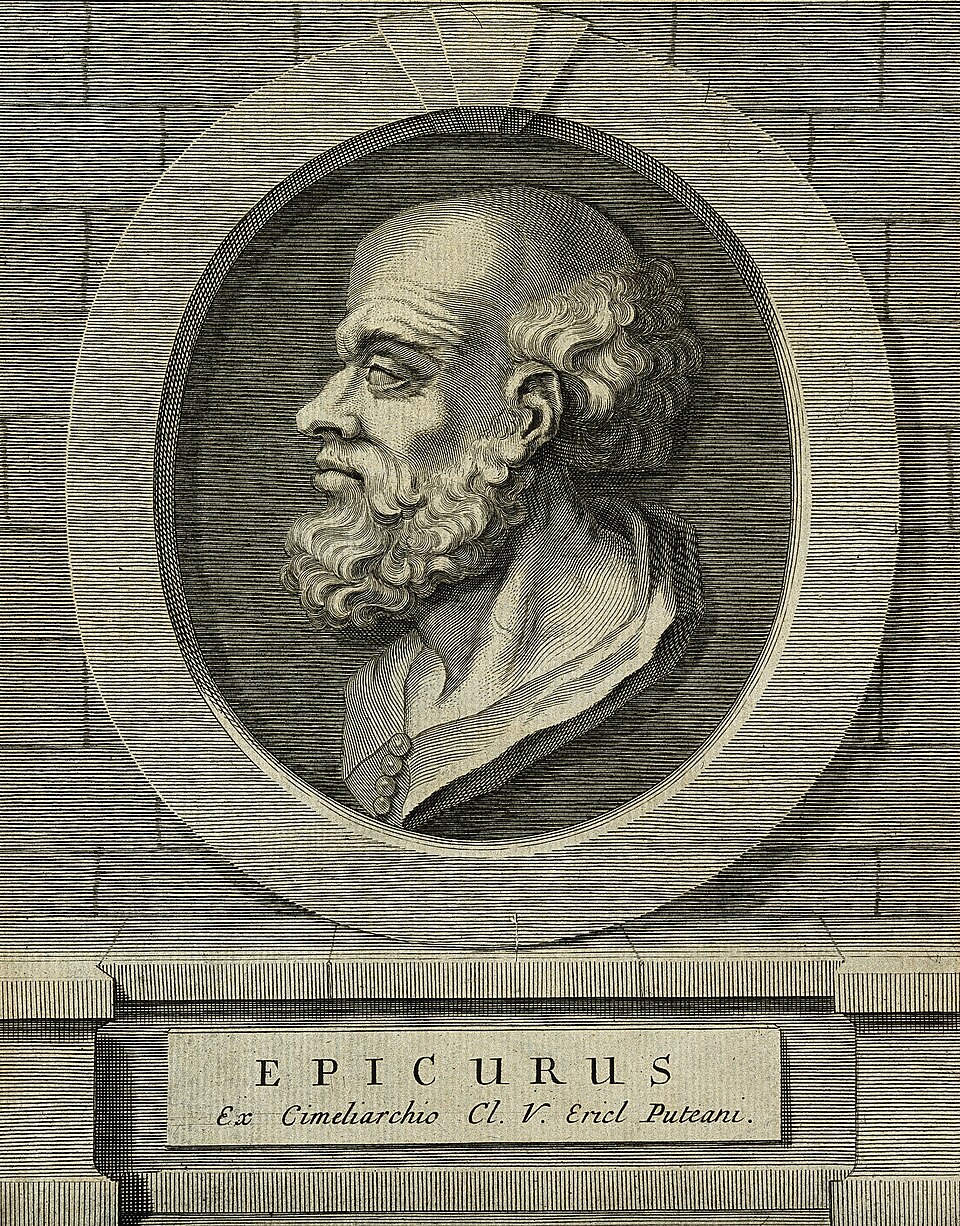
—Did you have loyal friends who followed you everywhere?
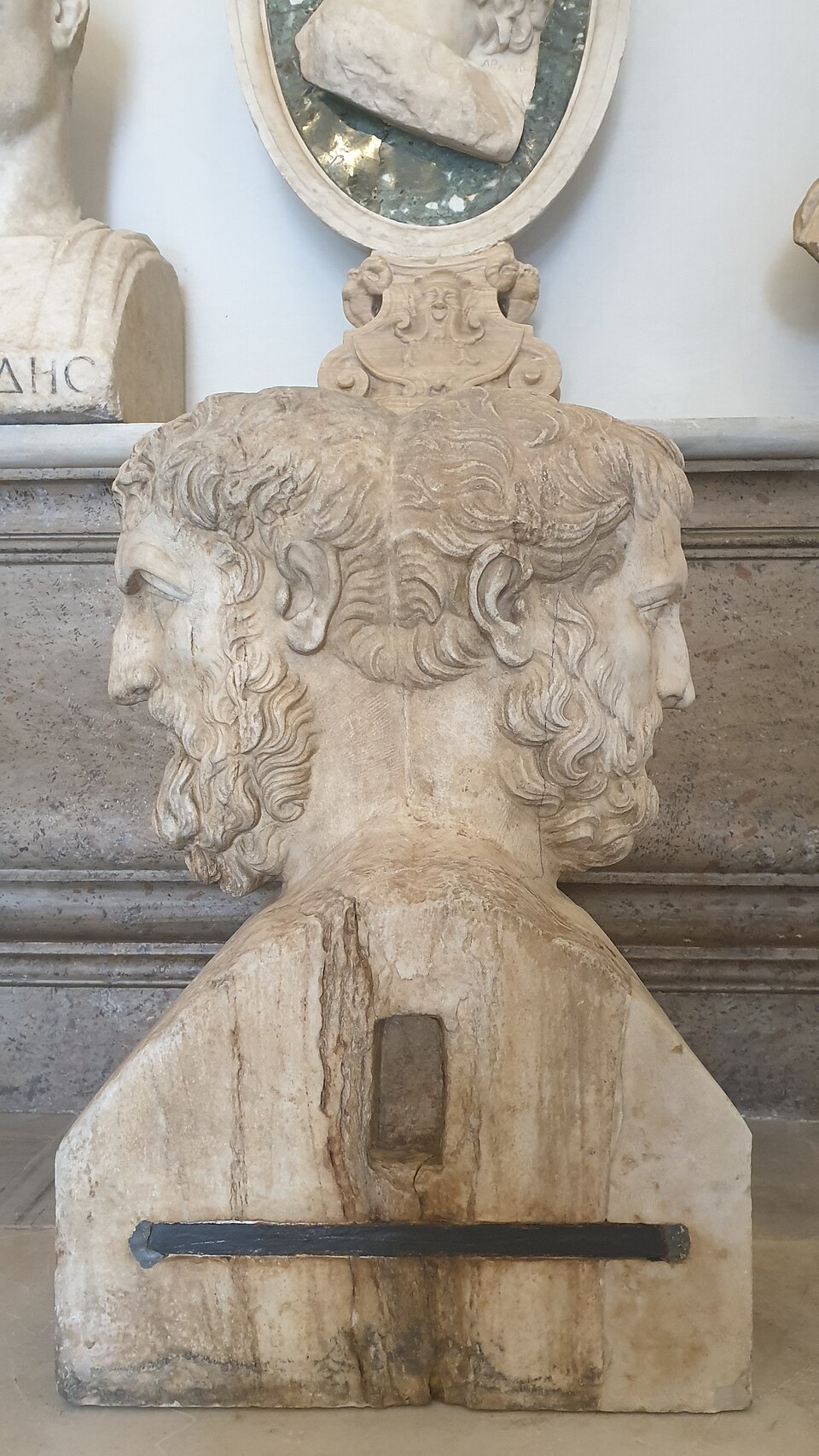
Oh yes, and that was my greatest wealth! At Lampsacus, a city in Asia, I met wonderful companions. The dearest of all was named Metrodorus. We were inseparable. Later, in my garden, I even placed his portrait so I would never forget him. You know, for me, friendship is not a small extra in life. It is the very heart of happiness. A wise man alone, even very intelligent, remains poor. But surrounded by friends who understand you, you become invincible against misfortunes. That's why my disciples lived near me, like a great chosen family.
Friendship is not a small extra in life; it is its heart.
—What is an atom? I've heard that word but I don't really understand.
Good question! Atomos, in Greek, means 'that cannot be cut.' Imagine you break a pebble in two, then in two again, again and again. In the end, you get a tiny grain, so small it can no longer be divided. That's the atom! For me, everything is made of these little grains floating in the void. You, me, this tree, water: just atoms arranged differently. I took this idea from an older sage, Democritus. You see, understanding what the world is made of helps you no longer fear the unknown.
Everything you see is just an assembly of tiny grains in the void.
—And why did you say we shouldn't fear the gods?
Because fear spoiled people's lives, my child. In my time, many trembled at lightning or a storm. They thought the gods were punishing them. I explained that these phenomena have natural causes. Lightning is not an angry god: it is nature following its laws. My atoms can even swerve on their own, unpredictably. That's called the clinamen. And this tiny deviation is what makes humans free to choose. Understanding nature is getting rid of useless fears. A mind that no longer fears is finally at peace.
A mind that understands nature no longer needs to be afraid.
—Did you write a lot? Do we still have all your books?
I wrote a lot, yes! They say I filled nearly three hundred papyrus rolls in my lifetime. I also used a stylus and a wax tablet for notes. But here's the sad secret: almost everything has disappeared over time. My great treatise, On Nature, was thirty-seven books long. It burned, got lost, faded away. Today, only a few letters and maxims remain. Imagine writing your whole life, and only a handful of pages survive. But you know what? Those few pages still travel to you. That's already a beautiful victory.
I filled three hundred rolls, and only a handful of pages remain.
—What exactly did you teach your students?
I mainly taught them to live happily and without fear. In the afternoon, we sat under the trees and talked, without grand solemn speeches. To help them, I summarized my ideas in short, easy-to-remember phrases, the Principal Doctrines. My students learned them by heart, like you learn a nursery rhyme. I even had some engraved on the garden walls! One of them said: death is nothing to us. Why? Because when you are here, death is not here; and when it arrives, you are no longer here to feel it. Once you understand that, you breathe easier.
When you are here, death is not here; when it arrives, you are no longer here.
—Were you happy at the end of your life, even sick?
Ah, you touch on something very important. At the end, I was very sick. I had kidney stones, terrible pain, among the worst imaginable. And yet, on my last day, I wrote a letter to my friend Idomeneus. I told him I remained happy. How? By remembering all our beautiful past conversations. You see, the pain of the body could not erase the joy of my mind. All my life, I had said that one could remain serene even in suffering. That day, I proved it for real, until my last breath.
The pain of the body could not erase the joy of my mind.
Read further
This imaginary interview was generated by artificial intelligence from sources documented in Epicurus's profile. It dramatises what the figure might have said based on what we know about them, but does not constitute attested historical testimony. For primary sources and factual documentation, refer to the full profile.