Imaginary interview with Epicurus
by Charactorium · Epicurus (341 av. J.-C. — 269 av. J.-C.) · Philosophy · 6 min read
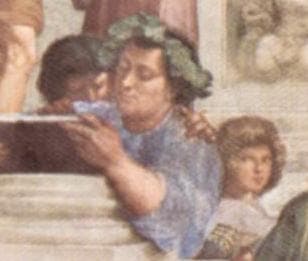
Athens, around 280 BCE. Behind a roughly hewn wooden door, halfway between the Dipylon and the Academy, opens a vegetable garden planted with fig and olive trees. An aging man welcomes us there, a jug of water in hand, and invites us to sit on a stone bench. Around us, maxims are engraved on the wall; he calls them his remedies.
—How did you choose this place to set up your school?
I bought it for eighty minas, this modest garden between the Dipylon and the Academy, and many mocked me. Others teach under marble porticoes, at the Lyceum, under colonnades; I wanted fruit trees and a well. You see, one does not meditate the same thing whether speaking standing before a crowd or sitting in the shade, near those one loves. Before this, I had tried Mytilene, on Lesbos, around 311; Aristotle's followers drove me out. At Lampsacus, I found Metrodorus and Polyaenus. But it was here, in this Kepos, that I understood a school could be a home rather than a courtroom. The simplicity of the place is not a deprivation: it is the first lesson.
I wanted fruit trees and a well, where others wanted marble.
—They say you welcomed people that no other school admitted. Why this openness?
Because the fear of death and unregulated desire torment the slave as much as the citizen, and woman as much as man. On what grounds would wisdom be reserved for those who wear a fine himation? At the Garden, I welcomed women, and I welcomed slaves, and the whole city was scandalized. But what is philanthropia, if not this: reaching out to man as man? My friend Metrodorus was worth more than many sons of nobles. I never believed one could heal a soul by first looking at the condition of the sufferer. The stone bench you sit on has borne all sorts of people, and that is my quietest pride.
On what grounds would wisdom be reserved for those who wear a fine cloak?
—Your name is now associated with the pleasures of the table. Does this reputation suit you?
What a misunderstanding! Look at my meal: barley bread, water from this jug, sometimes a few figs and olives from the garden. When I want to feast, I write to a friend to send me a bit of cheese, and that is enough for a banquet. Those who imagine me wallowing in debauchery have understood nothing. In the Letter to Menoeceus, I wrote it clearly: 'When we say that pleasure is the end, we do not mean the pleasures of the debauched or those that consist in enjoyment, but rather the state of not suffering in the body and not being troubled in the soul.' Bread and water, when one is hungry and thirsty, give the highest pleasure. Luxury adds nothing to happiness; it only adds the worry of losing it.
Luxury adds nothing to happiness; it only adds the worry of losing it.
—You hold a monthly banquet with your disciples. What do you seek in these shared meals?
Less what is on the plate than what is around the table. These dinners of the Garden are frugal — bread, a bit of cheese, wine mixed with water as is customary — but friendship is served without measure. For of all the things wisdom provides for the happiness of a whole life, the greatest is by far friendship. I valued these gatherings so much that I asked, in my will, that they continue after my death, and that each month the memory of departed companions be honored. Some may see this as an old man's vanity. I see it as the consistency of my whole life: a happy man is not one who has eaten much, but one who no longer needs much to be joyful.
What matters is not what is on the plate, but what is around the table.
—You assert that everything in the universe is nothing but atoms and void. Where does this conviction come from?
From patient observation, and from a master I never knew but revere: Democritus. In my Letter to Herodotus, I laid down the principle that governs all the rest: 'Nothing comes from what is not.' If things arose from nothing, anything could be born from anything, without seed. Therefore there exist primary bodies, indivisible — atomoi — that move eternally in infinite void, coming together, falling apart. Your hand, this jug, the stars: nothing but assemblages of atoms for a time. This may seem cold. To me it is liberating: there is no power behind the world that conspires against us. Understanding the nature of things is already beginning to have no more fear.
Nothing comes from what is not — and therefore nothing behind the world conspires against us.
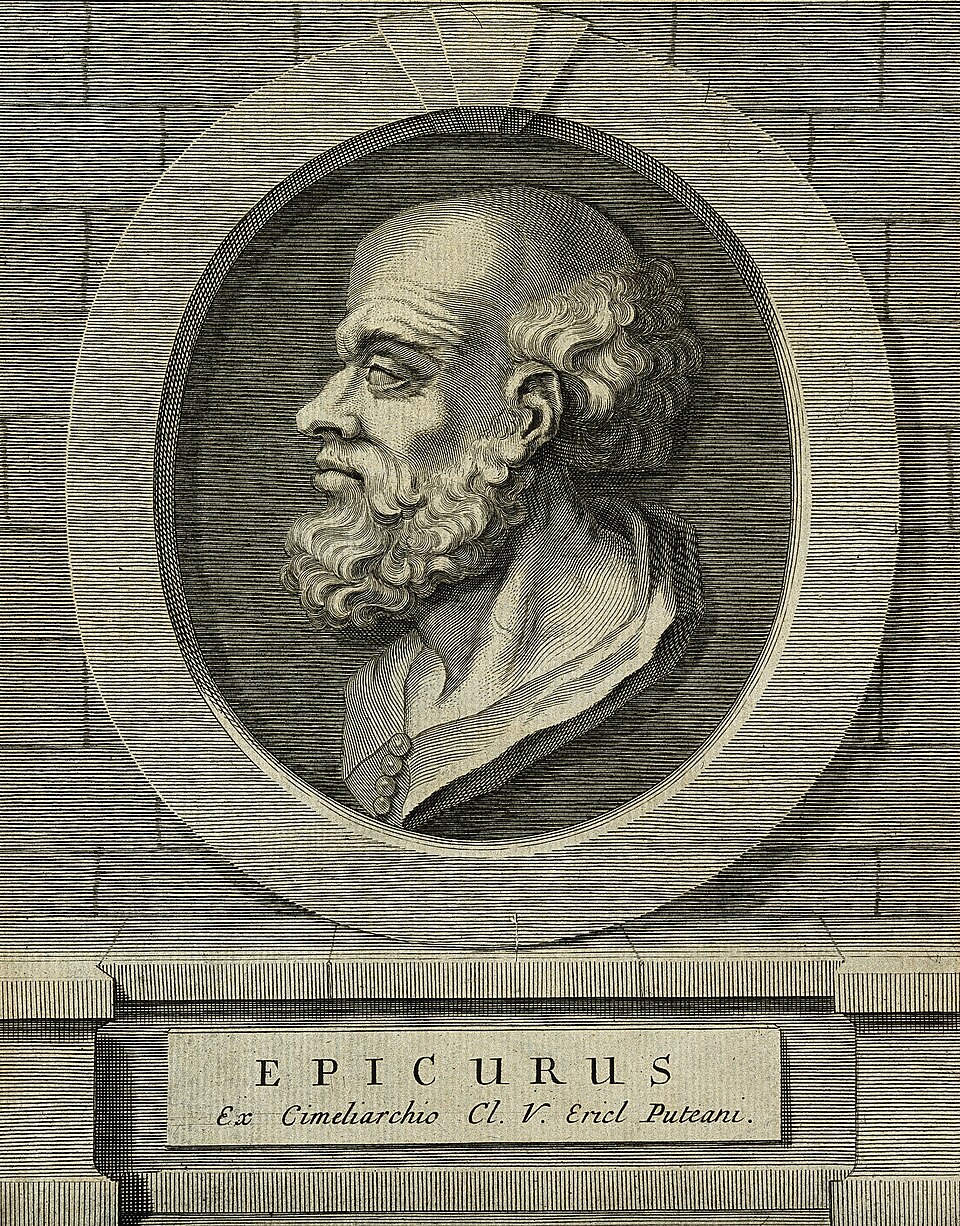
—If everything obeys the fall of atoms, what remains of our freedom?
That is the right objection, and it long occupied me. If atoms all fell in a straight line at equal speed, they would never meet, and we would be mere cogs in a chain. But atoms swerve — by a tiny, unpredictable deviation, without assignable cause. The Latins later called this swerve the clinamen. It is by this small inclination that collisions, worlds, and the breaking of the chain of fate arise. Our will holds this same power of deviation: we are not condemned to suffer. I prefer this physics a thousand times to the fatalism of some, which enslaves man to the decrees of the stars. In my great work On Nature, I devoted entire books to showing that understanding matter is not to submit to it, but to free oneself from it.
It is by a tiny swerve of atoms that the chain of fate is broken.
—You say you want to free men from fear of the gods. What exactly are they afraid of?
Thunder, eclipses, earthquakes — everything they take for anger from above. That is why I wrote my Letter to Pythocles, on celestial phenomena: not to deny the gods, but to show that lightning has natural causes, and that no divinity stoops to punish a particular sailor or farmer. The gods exist, but blessed and tranquil, they do not concern themselves with our petty affairs; imagining them vengeful is to insult them and torture oneself. Superstition is the heaviest of burdens. When a man stops trembling at every rumble in the sky, he lifts his head for the first time. That is what I want for those who cross my threshold.
When a man stops trembling at every rumble in the sky, he lifts his head for the first time.
—Your disciples recite what they call the 'fourfold remedy.' What does this formula contain?
Four truths, brief like a medicine one keeps on hand: the gods are not to be feared, death is nothing to us, the good is easy to obtain, and pain is easy to endure. My students call it the tetrapharmakos, the remedy of four drugs. I had my Principal Doctrines engraved on the walls of this garden so that they are always before one's eyes, and some carry them in mind like a soldier carries his weapons. For philosophy is not a discourse to shine in the agora: it is a care of the soul. What good are learned arguments if they do not banish any fear? The day these four sentences become a habit, and not just a lesson, a man is healed.
Philosophy is not a discourse to shine: it is a care of the soul.
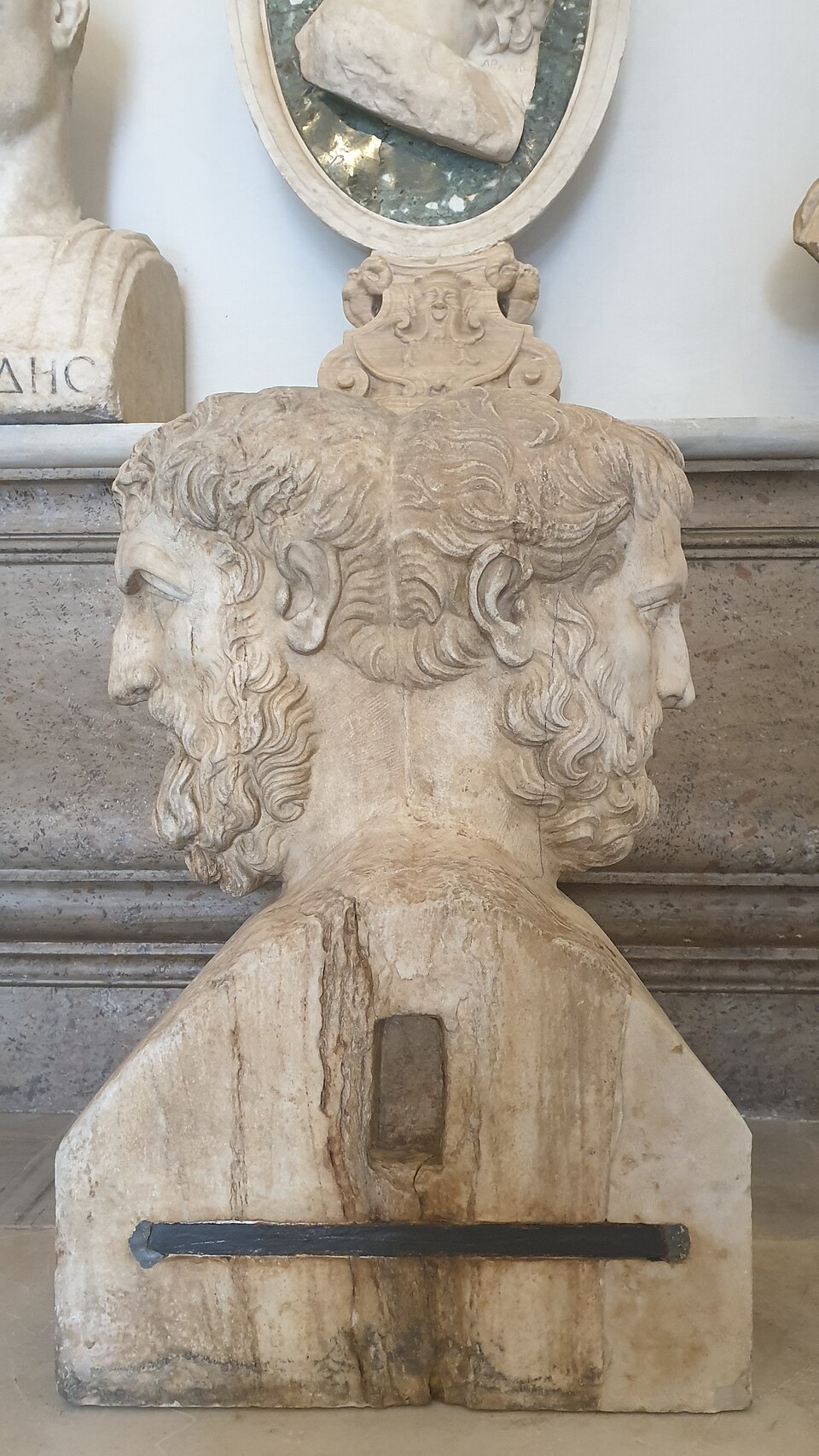
—Ultimately, what does the happiness you promise consist of?
In two very simple things, and yet almost no one attains them. The first, I call aponia: absence of pain in the body. The second, ataraxia: absence of disturbance in the soul, that calm water no superstitious wind can ruffle. Together, they are the highest pleasure — not a enjoyment that stirs and subsides, but a stable, full state that asks for nothing more. To achieve this, one must sort one's desires: those that are natural and necessary, like hunger; those that are natural but not necessary; and those that are vain, which never end. Phronesis, practical wisdom, is the art of this sorting. That is my whole doctrine: few needs, no fears, and friendship for the rest.
The highest pleasure is not an enjoyment that subsides, but a calm water no wind can ruffle.
—Death, precisely, is it not the fear that no one can truly overcome?
It is the most stubborn, and yet the most vain. I wrote in my Doctrines: 'Death is nothing to us: for what is dissolved is without sensation, and what is without sensation is nothing to us.' As long as I am here, death is not; when it is here, I am not. We never meet. Why then fear an absence one will never experience? Understand: this is not a consolation I offer you, it is a deduction from my physics. The atoms that compose me will separate, without pain and without me to suffer it. He who grasps this does not live longer — he lives better, for he stops wasting his days dreading the last.
As long as I am here, death is not; when it is here, I am not.
—It is said that your final hours were terrible. How did you get through them?
The stone — those calculi tearing at my kidneys — made me know pains I wish on no one. And yet, that day, I dictated a letter to my old friend Idomeneus, and told him that this day was happy. Happy! For against the torture of the body, I set the memory of our past conversations, in this garden, under these trees. That is the test of a whole life of philosophy: not to discourse on ataraxia when one is well, but to hold it in one's hands when the body rebels. The good is easy to obtain, and pain easy to endure — I had repeated it a thousand times. It remained for me to prove it one last time, to myself.
Against the torture of the body, I set the memory of our conversations under these trees.
Read further
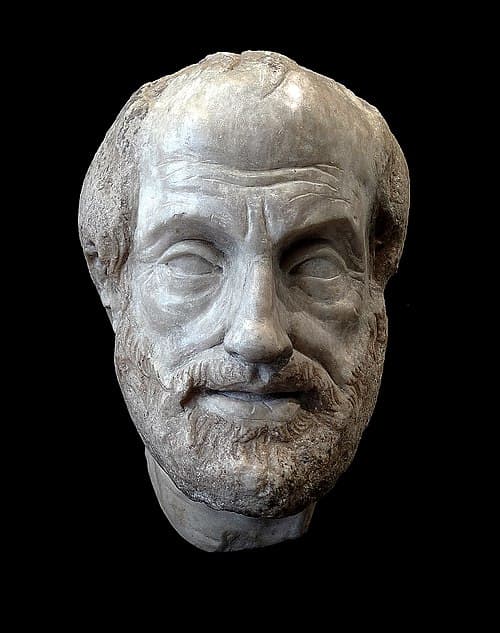
This imaginary interview was generated by artificial intelligence from sources documented in Epicurus's profile. It dramatises what the figure might have said based on what we know about them, but does not constitute attested historical testimony. For primary sources and factual documentation, refer to the full profile.