Imaginary dialogue between Felix Mendelssohn and Fanny Mendelssohn
by Charactorium · Fanny Mendelssohn (1805 — 1847) · Music · 5 min read
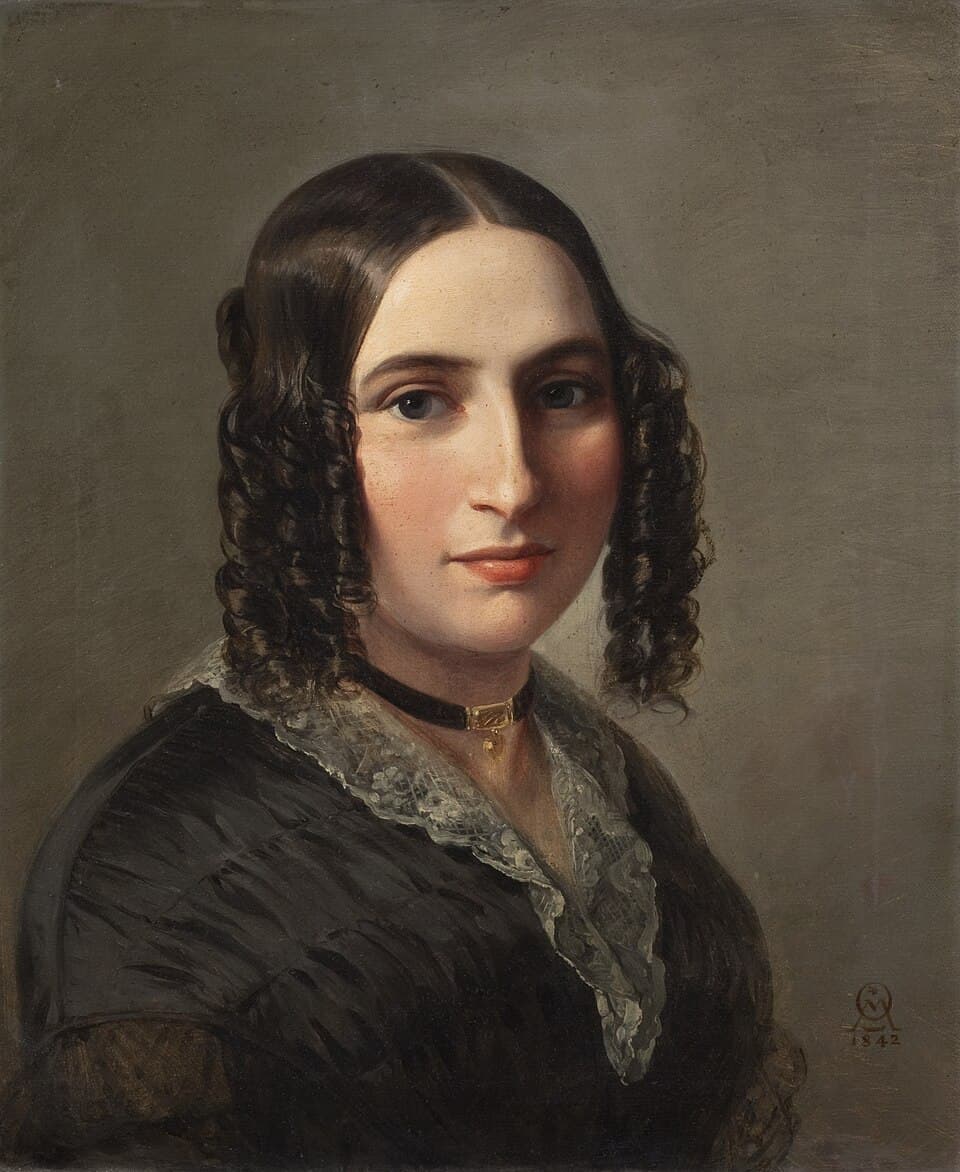
It is in the grand music room of the Villa Mendelssohn, Leipziger Straße in Berlin, that in this winter of 1846 Felix meets his sister Fanny, one evening when the chairs from the Sonntagsmusiken are already stacked against the walls. On the pianoforte music stand lies the freshly bound manuscript of her Opus 1, her lieder finally printed under the name Fanny Hensel. They have known each other since childhood, studied under the same Zelter, shared every scribbled score — and tonight Felix, the admiring and long-reluctant brother, comes to speak openly about the name she has dared to put on a cover. The oil lamp illuminates Wilhelm's small drawings in the margins of the pages.
—Fanny, do you remember that letter from Father, in 1820? He wrote that music would remain an ornament for you. Has it ever left you?
Never, my dear Felix, and you who were there know it better than anyone. You remember how Father said I was perhaps the more gifted of us two — then, with the same pen, he decided: for you a profession, for me an ornament. I was fifteen and I didn't cry, I simply understood where I was placed. For years that sentence lived in my chest like a second breath, measuring each of my audacities. Understand me: I didn't resent Father, he loved according to his time. But an ornament does not conduct a choir, does not sign a score. I had to become all that in secret, in this salon, where I was allowed to shine without it being called work.
For you a profession, for me an ornament: I was fifteen and I simply understood where I was placed.
—This collection on the stand bears your name in print. Only at forty years old. Why did you wait so long, my sister — and why despite my reluctance?
Because I was waiting for a permission that came from no one, Felix, not even from you. For a long time I believed I needed your assent, and you refused it for so long, out of concern for me more than jealousy, I want to believe. Then one morning I understood that I had to give myself that permission. I entrusted my lieder to the printer without asking anything more. When the first reviews came, kind, I felt a peace I had never known. I wrote to you then that I was happy to have finally dared. It wasn't a public triumph, you see, it was a reconciliation with myself. At forty, I ceased to be someone else's ornament.
I was waiting for a permission that came from no one: one morning, I understood that I had to give it to myself.
—When you conducted your Easter Cantata right here, in 1831, before two hundred guests, what did you feel, you, a woman at the podium?
A fullness that I almost blush at, Felix. You were not in Berlin that Sunday, and I still regret it, because I would have wanted you to see my hand raise the first violinist's bow. I had the choir before me, the orchestra under my fingers, and for once no one could say I was merely a lady playing the piano in the salon. I noted that evening, in my diary, that I was a composer and that no one could take that from me. These Sonntagsmusiken, which were taken for worldly gatherings, were my true theater. It was there, within these walls where you so often accompanied me, that I reigned without ever being granted the title of conductor.
I noted that evening that I was a composer and that no one could take that from me.
—Your great piano cycle, Das Jahr, was born from Rome, in 1839. Tell me about that journey with Wilhelm from which you returned transformed.
Ah, Italy, Felix! You had told me so much about its light, but no letter prepared me for what I experienced there with Wilhelm. For the first time I was no longer someone's sister or the daughter of a great house: I was an artist among artists, received for myself. I felt each month pass like a season of the soul, and that is how Das Jahr came — twelve pieces, twelve faces of the year. Wilhelm adorned my manuscripts with his drawings, so that the score became a work for four hands, his and mine. There, far from Berlin and its conventions, I composed freely, as one breathes. I returned certain of my worth.
In Rome I was no longer someone's sister: I was an artist among artists.
—I must finally confess to you, Fanny: some of your lieder appeared under my name. Do you remember the embarrassment Queen Victoria caused me?
Do I remember! You told me the scene with a forced laugh: the Queen declares she adores that lied above all, and you have to confess it was by your sister. I admit, Felix, I laughed too — a laugh that wasn't entirely cheerful. Those melodies lived under your name because mine could not appear, and you thus offered me a clandestine passage to the public. I am grateful for that, truly. But understand that a woman hears her own heart praised under another's name: it is sweet and bitter at once. You always said I was a better musician than you; I don't believe it, but that you wrote it to Souchay touched me more than all the stolen applause.
To hear one's own heart praised under another's name: it is sweet and bitter at once.
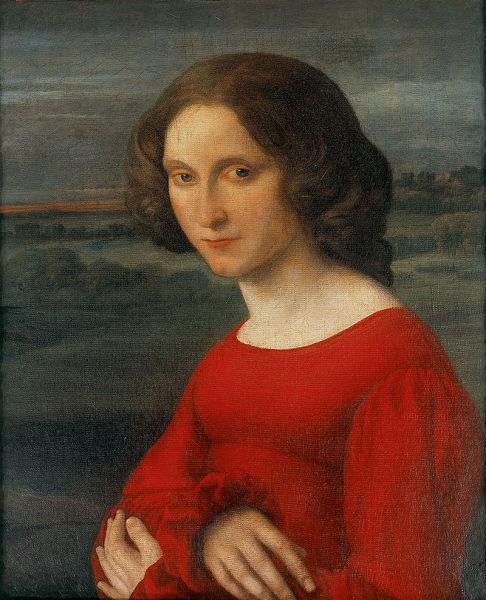
—Now that your name is in print, do you still fear the world's judgment — or did that fear fall away with the first page?
It hasn't entirely fallen away, Felix, but it has changed its face. Before, I feared being found presumptuous, a woman stepping out of her place. Now I only fear having too little time. See these Gartenlieder I am preparing, this Trio in D minor where I have put everything I know about form: I work as if the stolen years had finally been returned to me. The world will say what it wants. I have stopped writing to be allowed to exist; I write because it has become as necessary to me as breathing. If posterity forgets me, so be it — at least I will have signed.
I have stopped writing to be allowed to exist; I write because it is necessary to me.
—This salon, this pianoforte, this podium where you conduct — has it not become, despite its limitations, the kingdom that the big stage denied you?
You hit the mark, as always. They wanted to confine me to the private sphere, thinking to diminish me, and I turned it into a citadel. In this room, on Sundays, two hundred people came from all over Europe — poets, composers, travelers — and I held the podium, I chose the program. I didn't have the Gewandhaus or the Leipzig Conservatory that you founded, but I had a faithful audience and a freedom that no institution would have allowed me. The salon was my prison, I admit, but a prison whose keys I held. There I conducted, composed, reigned. Perhaps that, after all, was the best a woman of my time could hope for.
The salon was my prison, but a prison whose keys I held.
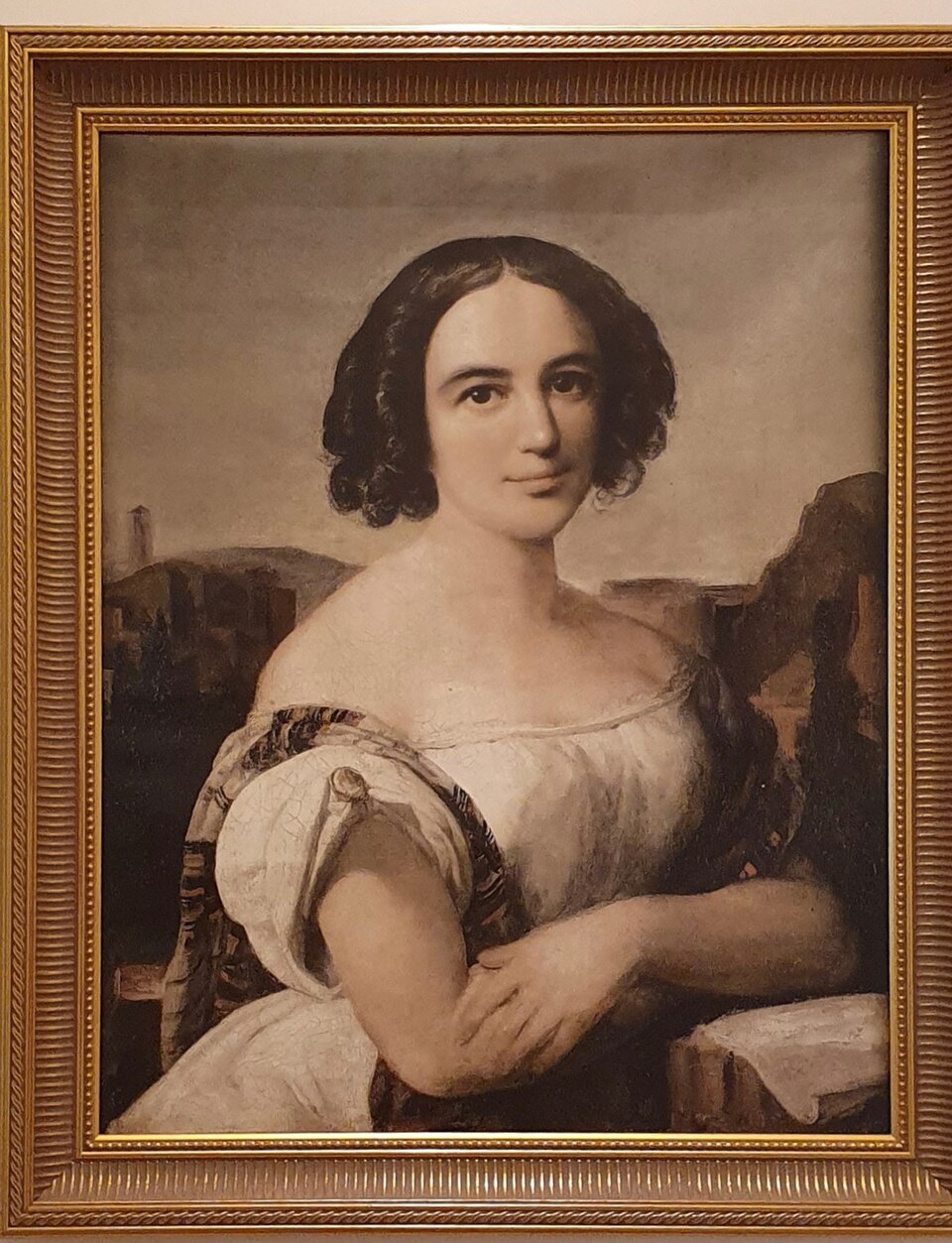
—If Father were sitting here tonight among us, before this collection signed with your name, what would you finally want to say to him?
What a question, my brother… You touch the most tender spot. I would not reproach him, for he loved me in his way and gave me everything: education, Zelter, Marie Bigot in Paris. But I would place this volume on his lap and watch him open it. I would want him to read my name on the cover, Fanny Hensel, and understand that the ornament he spoke of had its own voice. I would not ask for apologies — only that he know. You, who inherited his caution as much as his genius, you measure what this simple printed name cost me. It was to him, and to you, that I owed finally daring it.
I would place this volume on his lap so he would understand that the ornament had its own voice.
—You who traveled so much in spirit through your music, what did Italy deposit in you that Berlin never gave you?
Conviction, Felix, that beauty needs no permission. In Berlin, everything is weighed, suited, measured by custom; in Rome, light fell on ancient stones without asking anyone's opinion. I understood there that I had spent my life waiting to be allowed to be what I already was. Das Jahr was born from that revelation: each month bears the trace of a landscape and an emotion that no one could confiscate from me. The young artists around me treated me as an equal, without knowing my family name or my hindrances. I returned more serious and freer. The crinoline and conventions took me back, but something in me, since Rome, refused to bend completely.
I understood in Rome that I had spent my life waiting to be allowed to be what I already was.
—Between us, Fanny, without the veil of convention: have you ever harbored bitterness toward the brother whom fortune placed on the stage?
Bitterness? No, never toward you, Felix — toward fate that distributed our roles, perhaps. We grew up side by side, read the same scores, corrected each other's drafts; you know that none of my pages is entirely foreign to your eye, nor vice versa. You ascended the great stage, I held the salon: two destinies cut from the same cloth, by the sole will of the world. I sometimes suffered from your shadow, I admit, but it also protected me. And when you write to me that I still teach my brother something, everything fades. We are two halves of the same music, you in the daylight, I by the lamp — and I would not exchange you for any glory.
Two halves of the same music: you in the daylight, I by the lamp.
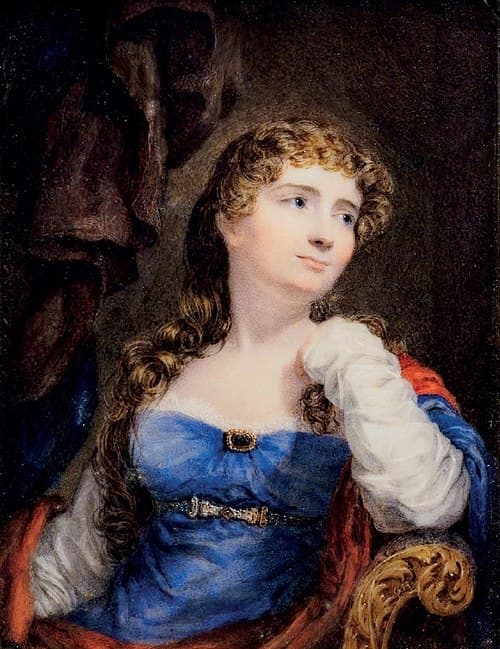
This imaginary interview was generated by artificial intelligence from sources documented in Fanny Mendelssohn's profile. It dramatises what the figure might have said based on what we know about them, but does not constitute attested historical testimony. For primary sources and factual documentation, refer to the full profile.