Kids interview Fanny Mendelssohn
by Charactorium · Fanny Mendelssohn (1805 — 1847) · Music · 5 min read
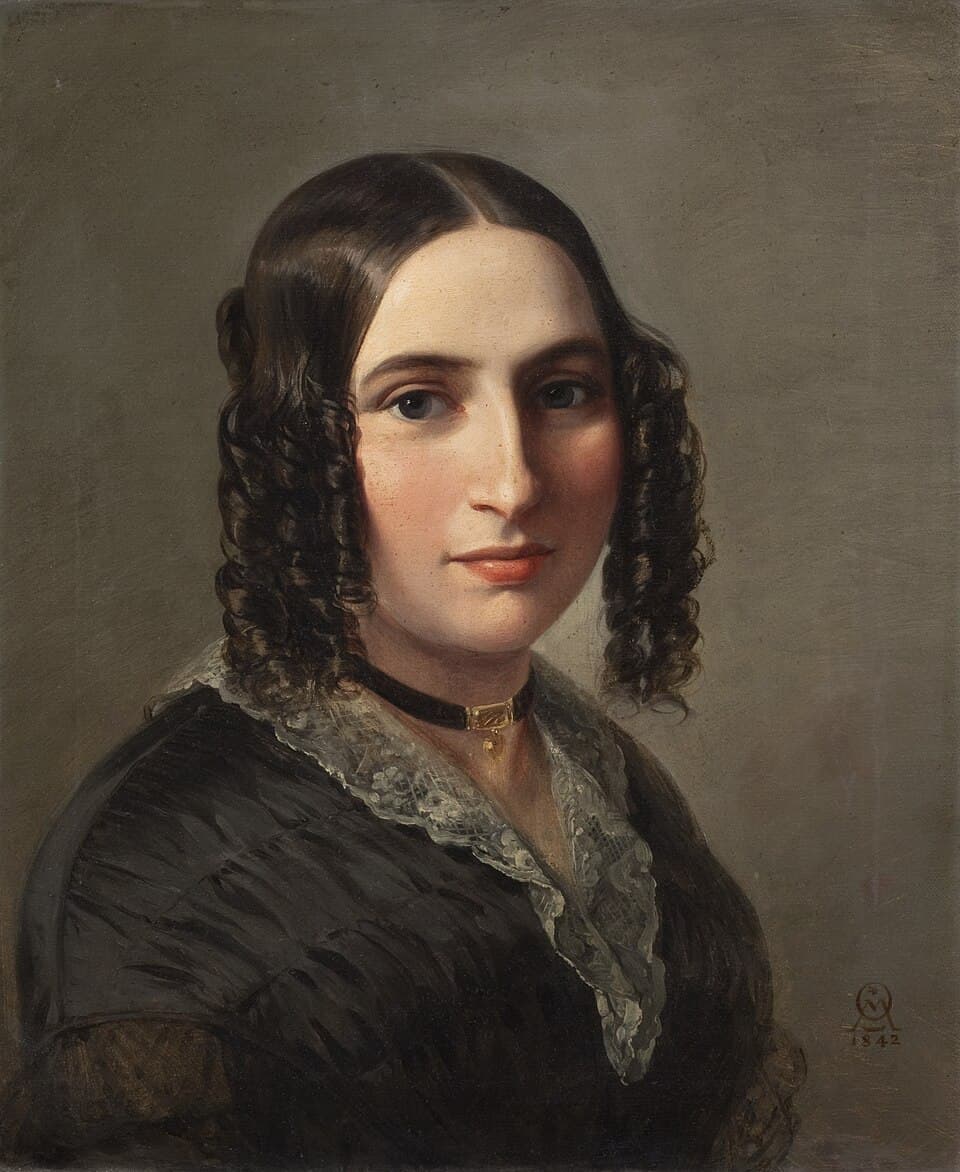
Two young visitors of twelve push open the door of a large Berlin salon. At the back, in front of a piano, a lady welcomes them with a smile. Her name is Fanny Mendelssohn, and she has agreed to answer all their questions.
—Is it true that your father thought you were more talented than your brother?
Yes, my child, it's true, and that is my greatest sorrow. My father Abraham said I was the more gifted of us two. And yet, in 1820, he wrote me a letter. He explained that music would remain for me an ornament, a pretty jewel to decorate my life. Do you understand? A jewel, you wear it, but you don't live with it. For my brother Felix, it would be a profession, a real one. Imagine being told: you play better than your brother, but he is the one who will go to school. That's what it was like to be born a girl in my time.
For me an ornament, for my brother a profession.
—And how did that make you feel, in your heart?
It squeezed my heart, I won't lie to you. But I never stopped composing. Early in the morning, before the house woke up, I would sit at my piano. I jotted down my ideas in my notebooks, with pen and ink. No one could forbid me that: the notes that were born in my head. You see, they can prevent you from showing what you do. But they cannot prevent you from doing it in secret, for yourself. It became my little hidden garden, and in it I wrote more than four hundred pieces.
They can forbid you to show, never to create.
—What were your famous Sunday concerts in the house like?
Ah, the Sonntagsmusiken! They were a celebration, my child. Every Sunday, in our large villa on Leipziger Straße, I would sometimes receive two hundred guests. Imagine a huge room, chairs everywhere, poets, musicians from all over Europe. And me, at the center, standing before my podium, I conducted the choir and orchestra. A Sonntagsmusik is a concert given on Sunday in one's own living room. In my time, a woman conducting musicians was almost unimaginable. But there, in my home, it was my kingdom, and no one contested it.
In my salon, I was queen of an orchestra.
—Did you really conduct all by yourself, in front of everyone?
Yes! And I remember it as if it were yesterday. In 1831, I conducted my great Easter Cantata — a cantata is a work for singers and instruments together. Before a large audience, I raised my arms and the whole ensemble followed me. That evening, I wrote in my diary that I had never felt such satisfaction. Imagine achieving something that everyone reserved for boys. That day, I knew one thing, deep within me: I was a composer, and no one could take that away from me.
I am a composer, and no one can take that from me.
—I've heard that some of your brother's songs were actually yours?
That's true, and it's a funny story. A few of my lieder — these are melodies for voice and piano — were published under my brother Felix's name. One day, Queen Victoria of England told him she loved one of them and wanted to sing it for him. Poor Felix! He had to confess, very embarrassed, that piece wasn't his: it was mine. Can you imagine the scene? The Queen sings my song, and everyone congratulates my brother. I was there, in the shadows, even when my talent was applauded.
The Queen sang my music under my brother's name.
—Was Felix mean to you, or did he still love you?
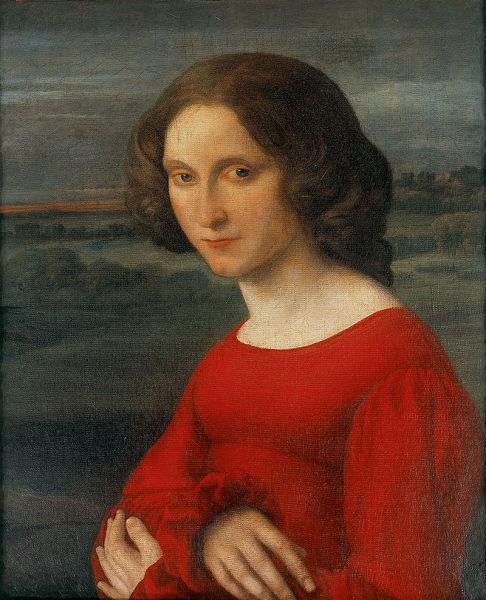
Oh, he loved me enormously, don't think otherwise. We were very close, we wrote to each other constantly. In 1842, he even said I was a better musician than him, and that he was still learning from me. You see, it wasn't malice. It was fear. In my time, it was thought that a woman who appeared in public brought shame on her family. Felix was afraid for me. Imagine an older brother who loves you so much that he prevents you from taking risks. He thought he was protecting me. But sometimes, protecting someone also means preventing them from flying.
Sometimes protecting someone means preventing them from flying.
—Did you travel far? What was it like elsewhere?
Yes, my most beautiful journey! From 1839 to 1840, I went to Rome, Italy, with my painter husband, Wilhelm. There, everything was light and beauty. The sun, the ancient stones, the seasons passing before my eyes. I kept a notebook where I mixed my musical notes and impressions of the journey. Imagine a notebook where, on one page, you draw a landscape, and on the other, you write a melody. That trip inspired me so much that I created a great piano cycle from it. That's where my artist's heart felt most free.
In Rome, my artist's heart finally felt free.
—What is this cycle Das Jahr that everyone talks about?
Das Jahr, in German, means The Year. It's my masterpiece, twelve pieces for piano, one for each month of the year. Each piece tells a season, like a little picture in music. You can almost hear the snow of January, then the spring flowers. I composed it after my stay in Rome, in 1841, my heart still full of Italian sun. But do you know the saddest part? This treasure remained hidden in drawers for a very long time. It wasn't until around the 1980s that it was rediscovered and finally played for the world.
Twelve pieces for twelve months: a year in music.
—How old were you when you finally published under your own name?
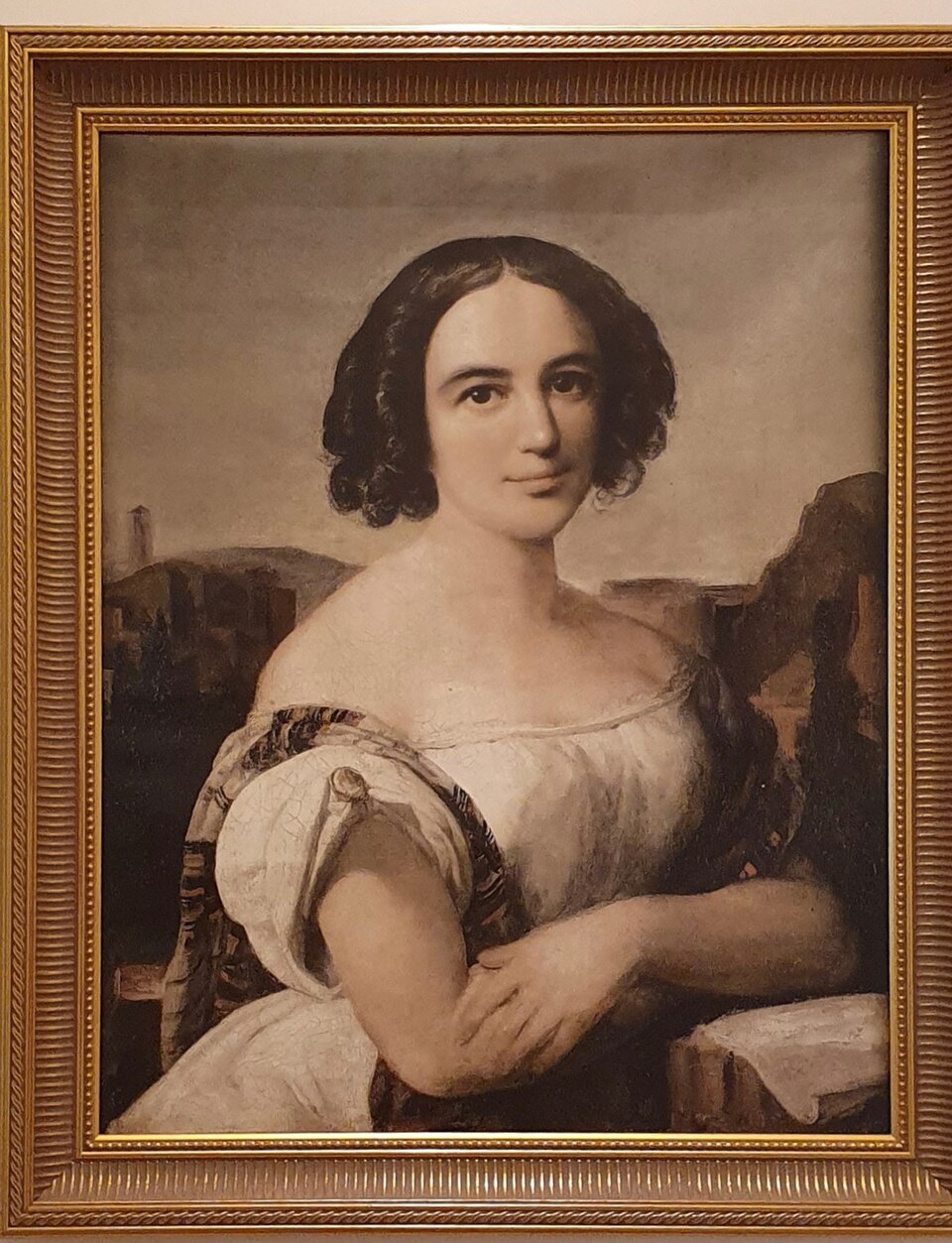
I was forty years old, my child. Forty! It was in 1846. All my life, I had waited for this moment. I published a collection of lieder, my Opus 1, signed with my married name: Fanny Hensel. My brother Felix initially disagreed, he was afraid for me. But this time, I dared. I wrote to Felix that I was happy to have finally dared. Imagine keeping a wonderful secret for years, and one morning, you decide to show it to everyone. That day, I ceased to be in the shadows.
At forty, I finally dared to sign my name.
—And then, did it go well? Did people like it?
Yes! The reviews were kind, and it warmed my heart. I felt I had done something right for myself. But fate was cruel, my child. Less than a year later, in 1847, while I was rehearsing music, I was struck down by a stroke. I left suddenly. My brother Felix, broken with grief, followed me six months later. You see, I only tasted my freedom for one year. But I have no regrets: that year, I lived fully as who I was.
Only one year of freedom, but lived to the fullest.
—If people think of you today, what would you like them to remember?
I would like you to remember this, my child. For a long time, my scores slept in family archives, forgotten by everyone. Then, around the 1980s, musicians reopened them, played them, recorded them. My more than four hundred works finally found ears to listen to them. So if you have a talent, a dream, do not hide it out of fear. Do not let anyone tell you it is only an ornament. Work on it, defend it. For one day, perhaps long after you, someone will open a drawer and discover the beauty you have left behind.
Never let anyone reduce your talent to an ornament.
This imaginary interview was generated by artificial intelligence from sources documented in Fanny Mendelssohn's profile. It dramatises what the figure might have said based on what we know about them, but does not constitute attested historical testimony. For primary sources and factual documentation, refer to the full profile.