Kids interview Francis I
by Charactorium · Francis I (1494 — 1547) · Politics · 5 min read
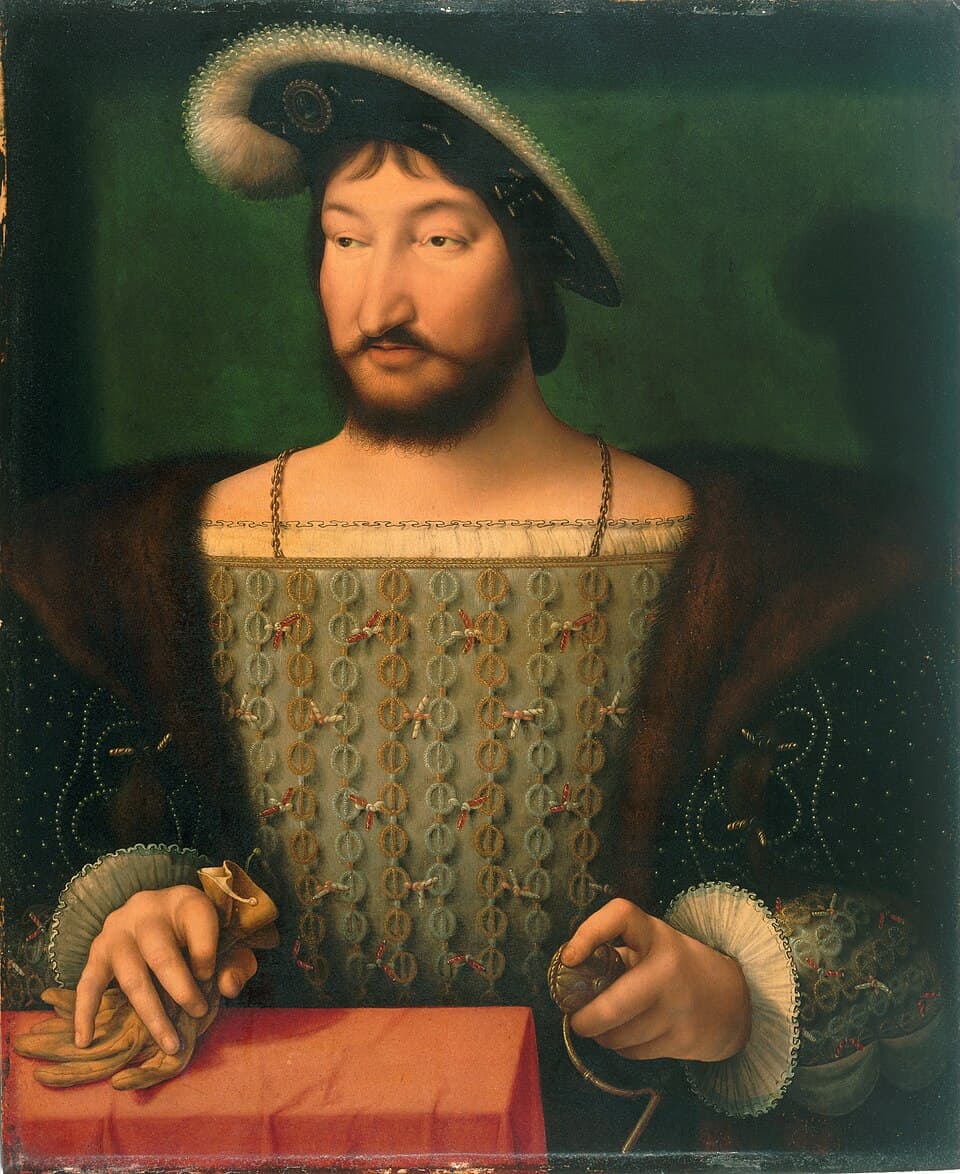
Two twelve-year-old visitors, on a school trip to the Château de Chambord, have the astonishing luck to meet King Francis I. They step forward, a little shy, under the grand spiral staircase. The king smiles and invites them to ask all their questions.
—How old were you when you brought Leonardo da Vinci to France?
I was twenty-two years old, my child. In 1516, I invited that old Italian master to cross the mountains and live near me. I settled him at the manor of Clos Lucé, close by Amboise. Imagine an old man with a white beard, in a little pink brick house, surrounded by notebooks full of drawings. I went to see him often, just to listen to him. I named him my first painter and engineer. You know, I didn't pay him just for his paintings. I paid him so I could sit beside him and learn. A king who no longer learns is a king already old in his head.
A king who no longer learns is a king already old in his head.
—What was it like to be friends with someone so old and famous?
It was sweet and a little sad at the same time. Leonardo was ill, his right hand barely moved. But his eyes, they still shone. We talked about everything: birds, water, the machines he imagined. You see my great château of Chambord? They say its famous double helix staircase, where two people can go up without ever meeting, comes from one of his drawings. I'm not entirely sure. But I like to believe it. Leonardo died in 1519, at Clos Lucé. That day I lost much more than a painter. I lost a friend who made me smarter.
I lost a friend who made me smarter.
—Is it true you were taken prisoner during a battle?
Yes, and it's the worst memory of my life. It was at Pavia, in Italy, in 1525. My horse fell, my best knights were dying around me. The soldiers of my great rival Charles V caught me. Imagine a king, covered in mud, being taken away like a mere game animal. They locked me up in Madrid, far from home, for over a year. I thought I would never get out. At night, in my cell, I listened to a language I didn't understand. You know, a king can be afraid too. And that day, I was very afraid.
Imagine a king, covered in mud, being taken away like a mere game animal.
—How did you feel, locked up so far from your family?
A huge loneliness, my child. But also a strange thing: pride. Everything had been taken from me — my army, my freedom, my lands. I wrote a letter to my mother, Louise of Savoy. I told her: "of all things, nothing has remained to me but honor and life, which is safe." That means: they stole everything from me, except two things, my honor and my life. To get out, I had to sign the Treaty of Madrid in 1526 and give up Burgundy. A humiliation. When you fall very low, there is always one thing you can keep upright: your dignity.
When you fall very low, there is always your dignity.
—Why are there little lizards carved all over your walls?
Ah, you noticed them! They are not lizards, but salamanders. In my time, people believed this magical animal could live in fire without burning. I made it my emblem, my personal signature. Beside it, we engraved my motto in Latin: "Nutrisco et extinguo." That means: "I feed on the good fire and extinguish the bad." Imagine that every stone of my castles tells who I am, without a single word. When you see a salamander on a wall, at Chambord or Blois, you can say to yourself: "Francis I passed by here."
Every stone of my castles tells who I am, without a single word.
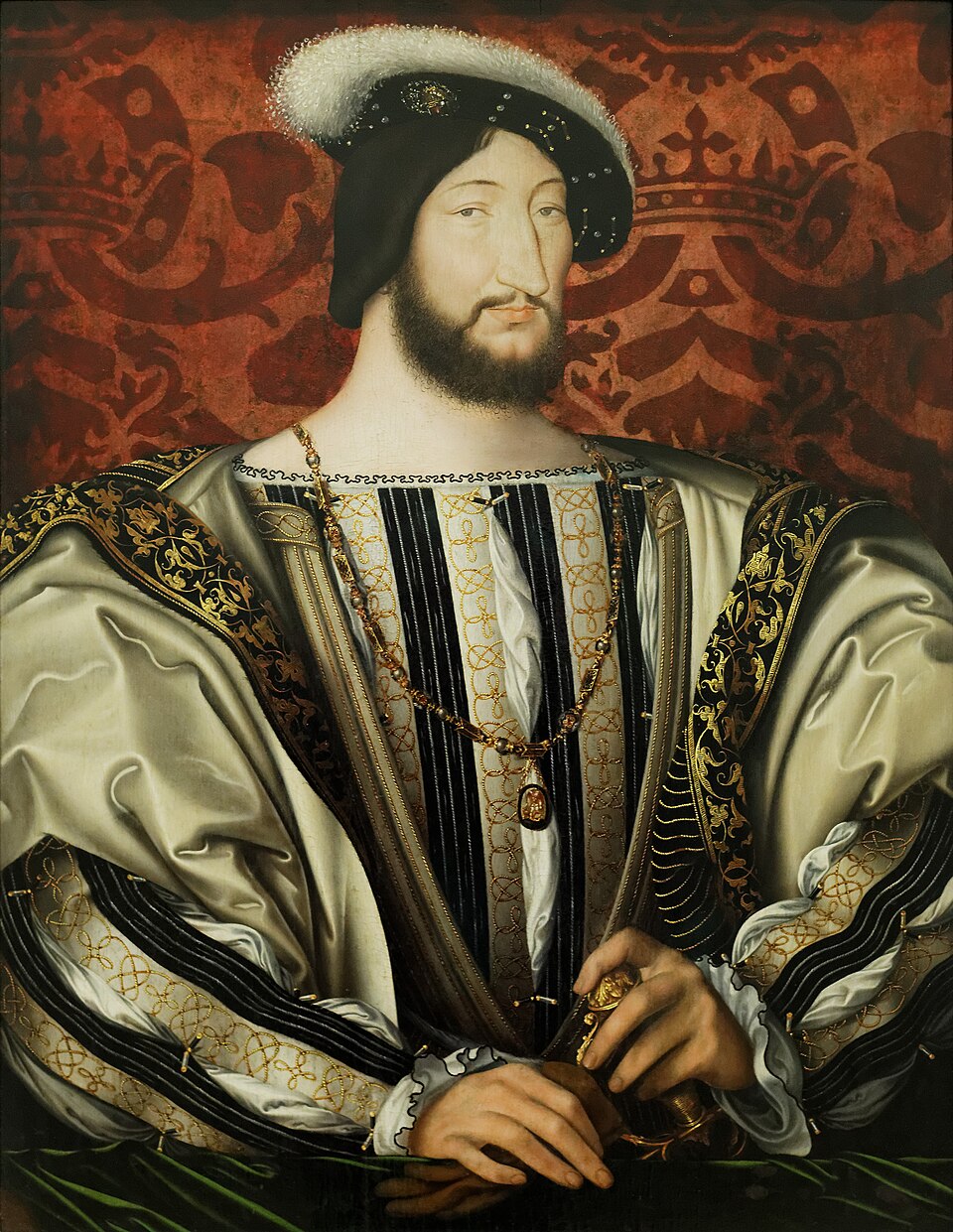
—Did you really like building such huge castles? Why?
I loved it! The construction site of Chambord lasted almost twenty years, from 1519 until my death. Thousands of workers, from morning to night, in the dust and noise of hammers. I also transformed the Château de Fontainebleau. I brought Italian painters there, like Primaticcio, to create a long decorated hall, a gallery, where one could stroll among paintings. You see, a king doesn't only show himself with a crown. He also shows himself with the beauty he leaves behind. My castles were my way of telling the whole world: look what France can do.
A king shows himself not only with a crown, but with the beauty he leaves behind.
—Is it true that you decided that we would write in French?
That is one of my greatest prides! Before me, all important acts, judgments, laws, were written in Latin. A language the people did not understand. Imagine being judged in a language of which you don't understand a word: that's unfair, isn't it? So in 1539, I signed the Ordinance of Villers-Cotterêts. From then on, everything would be written in French. I wanted the texts to be so clear "that there be nor can be any ambiguity." Do you know something astonishing? This old text is still used a little today, almost five hundred years later.
No one should ever be judged in a language they don't understand.
—What was the point of making everyone write the same way?
Excellent question, you have the mind of a king! You see, when everyone writes in their own language, no one really understands each other. By imposing French everywhere, I gave the kingdom a common language. It was like building a bridge between the people of the North and those of the South. My ordinance also created the registers where births are recorded: the ancestor of what we call civil registry today. Those great documents I signed bore my wax seal: they were called letters patent. A shared language is stronger than an army. An army wins a battle; a language unites a people for centuries.
An army wins a battle; a language unites a people for centuries.
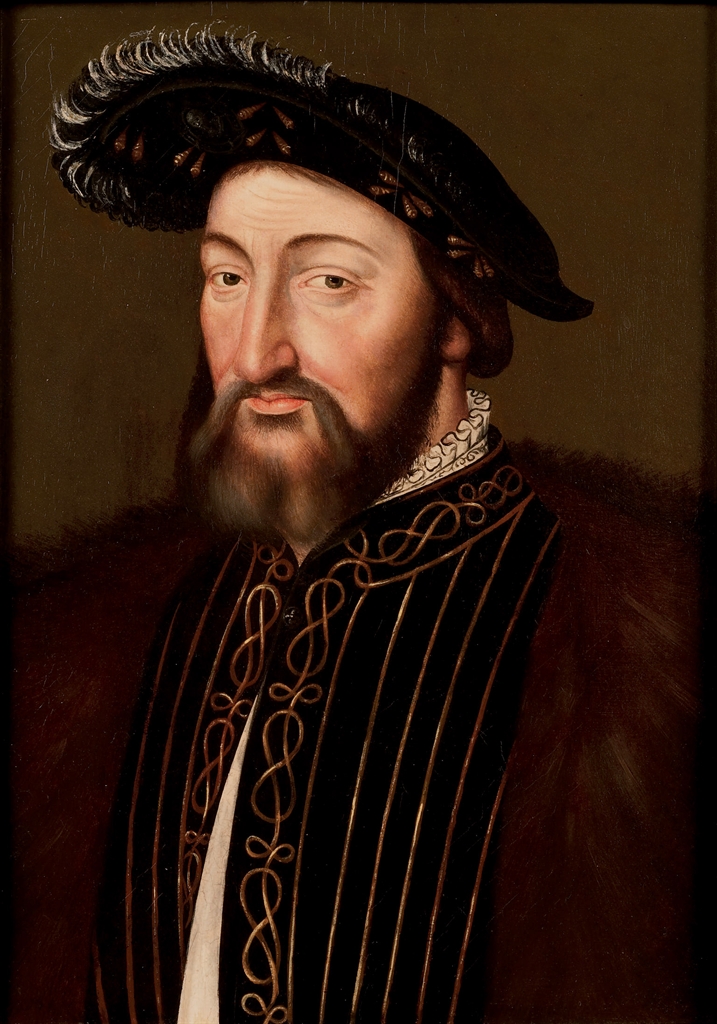
—Were you friends with any king in your time?
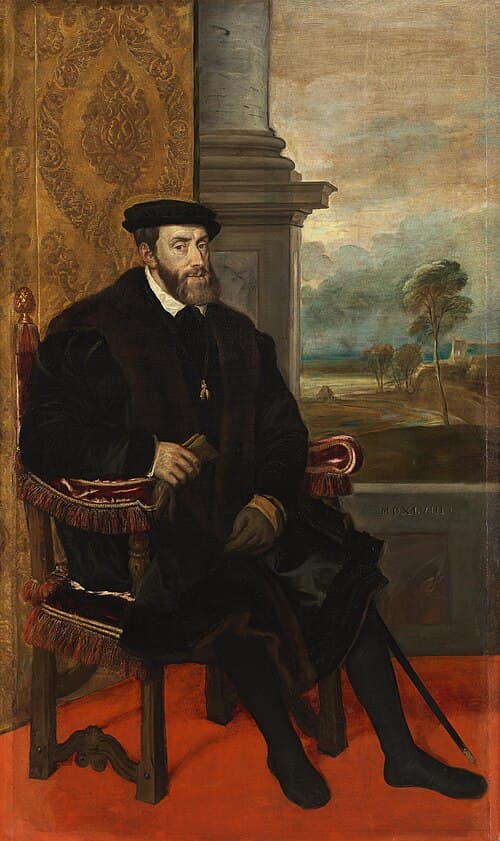
Friend is a very big word, my child! I mostly had a rival, Charles V, the most powerful man in Europe. We spent our time challenging each other. To impress him, I once met the King of England, Henry VIII, during a wild feast in 1520. It was called the Field of the Cloth of Gold, because the tents were covered with real gold cloth. Imagine an entire field shining like the sun. We wanted to show who was the richest. But you know? In the midst of all that splendor, we were mostly pretending. Politics, sometimes, is a great theater play.
Politics, sometimes, is a great theater play.
—Did you do things that other kings found shocking?
Oh yes, and I own it! To weaken Charles V, who was surrounding me, I did something no one dared: in 1536, I allied myself with Suleiman the Magnificent, the great Ottoman sultan. A Christian king getting along with him? All of Europe cried scandal. My letters traveled for weeks, sealed with my royal seal, all the way to his distant court. You see, when an adversary is too strong, you must seek friends where others dare not look. I preferred to surprise everyone rather than lose. A clever king does not always follow the path others expect.
When an adversary is too strong, seek friends where no one dares look.
—If someone saw you today, what would they notice first?
My clothes, surely! I loved velvet and silk, slashed sleeves called "slashed sleeves," and berets adorned with feathers and precious stones. All embroidered with gold thread. Imagine someone who sparkles with every step. But I hope after the clothes, you would notice something else: my curiosity. I spent my life wanting to understand, build, protect artists and scholars. If someday you visit Chambord or Fontainebleau, remember that a man dreamed all this five centuries ago. One never truly disappears as long as there remains beauty that one helped bring into being.
One never truly disappears as long as there remains beauty that one helped bring into being.

This imaginary interview was generated by artificial intelligence from sources documented in Francis I's profile. It dramatises what the figure might have said based on what we know about them, but does not constitute attested historical testimony. For primary sources and factual documentation, refer to the full profile.