Kids interview Gabriela Mistral
by Charactorium · Gabriela Mistral (1889 — 1957) · Literature · 5 min read
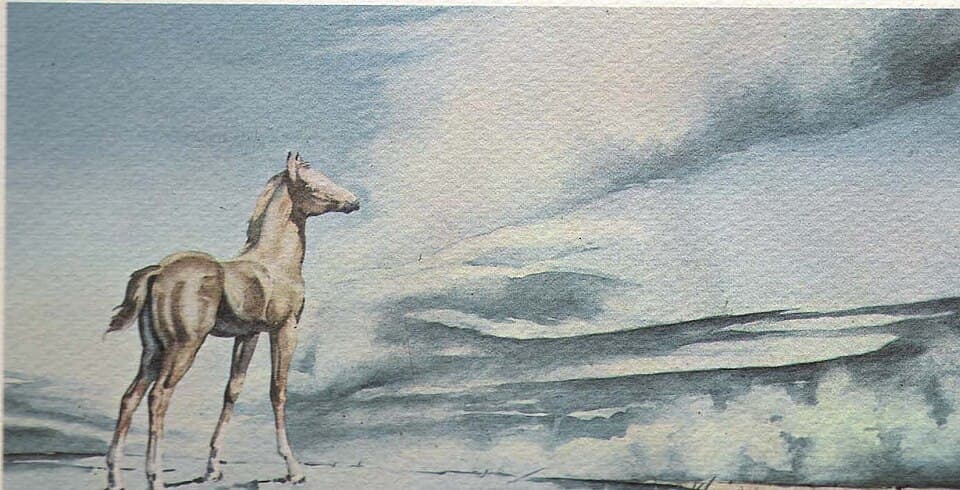
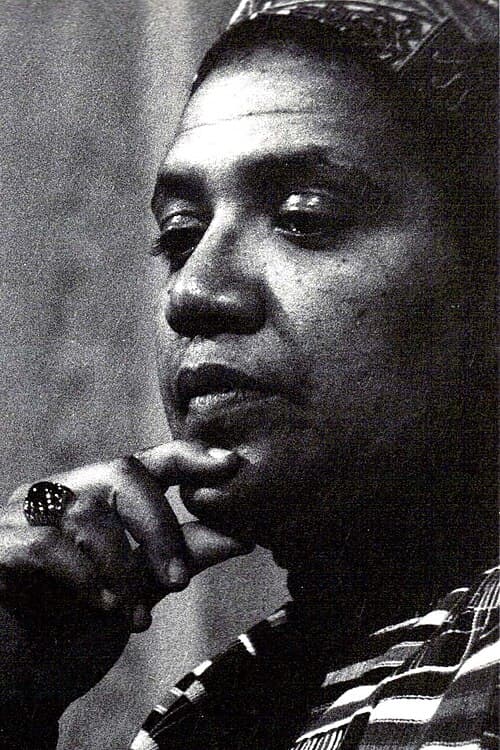
It's a cool morning in the Elqui Valley, Chile. Two students from a discovery class, notebook in hand, sit down near a lady in a dark shawl: Gabriela Mistral, the poetess with gentle eyes. Shy but curious, they finally dare to ask their questions.
—How old were you when you started teaching?
You know, my child, I was barely fifteen. Picture a very simple school, lost in the Chilean countryside, with children who walked hours to come. I had no diploma, just the desire to teach others what I loved. I prepared my lessons by hand, I made my own little manuals adapted for mountain children. It was hard, sometimes I was afraid I didn't know enough. But when a student finally understood something, their face lit up like the sun over the Elqui Valley. That day, I knew this profession would be my whole life.
—Is it true they prevented you from going to school to become a teacher?
Yes, it's true, and it hurt me deeply. They closed the door of the escuela normal — the school where you learn to be a teacher. Why? Because they thought my ideas were too free, too independent for a young girl. Imagine being told: you cannot enter, you think wrongly. But I didn't give up. I kept teaching, and learning alone, at night, by lamplight. And in 1910, I took a special exam, before a stern jury, and I earned my certificate. They didn't offer me my place: I wrested it away.
They didn't offer me my place: I wrested it away.
—Why did you change your name? Gabriela Mistral is pretty, but...
Ah, you noticed! My real name was Lucila Godoy Alcayaga. Pretty too, right? But when I started writing, I wanted a name of my own, a poet's name. So I took 'Gabriela' thinking of an Italian writer I admired, Gabriele D'Annunzio. And 'Mistral' in honor of a poet from southern France, Frédéric Mistral. It's a bit like choosing a family of the heart, older brothers in poetry. And you know the funniest thing? This invented name became far more famous than my birth name. Today, almost no one remembers Lucila.
—And which poem made you famous?
With three very sad little poems: the Sonetos de la muerte, 'Sonnets of Death.' I had written them thinking of a youthful love who had died. In 1914, I sent them to a great poetry competition in Santiago, what they called the Jeux Floraux — imagine a festival where poets compete for a crown, a very old tradition. Well, I won! But I was so shy I didn't dare go up on stage to receive my prize. I stayed hidden in the hall, my heart pounding. The whole country discovered my name that day.
—What was a day like for you? When did you write?
I got up very early, my child, as soon as the sky paled. It's a country habit, following the sun. In the morning, I first read a few pages, often my Bible, in the quiet. It soothed my heart before the day. In the afternoon, I taught, corrected, wrote letters. But my poems were born at night. When everyone slept, I would sit with a notebook, by lamplight, and write by hand, slowly. The silence of the night was my best friend. Words came better when the world was silent.
My poems were born at night, when the whole world was silent.
—How would people have recognized you on the street? How did you dress?
Oh, I wasn't an elegant lady, you know! I wore simple, loose dresses in dark colors. Nothing flashy: I hated vanity. But there was one thing people always noticed on my shoulders, my rebozo. It's a large woven shawl worn by Latin American women, in Mexico as in Chile. I kept it as a link to all those common women, those of the markets and countryside. Imagine a soft blanket you never take off, summer and winter. That shawl was like my country on my shoulders, wherever I traveled.
—Did you travel far from Chile? For what?
Yes, and the first great journey was magnificent. In 1922, the Mexican government invited me to help change its schools. Imagine: an entire country telling you 'come teach us how to learn'! I worked with a minister named José Vasconcelos. We opened libraries in the countryside, where children had never held a book, especially indigenous children, who were too often forgotten. I traveled the country on dusty roads. It was tiring, but I told myself: every book placed in a village is a window opened in a life.
—Did you have very sad moments during all those travels?
Yes… the worst of all. I was raising as my son a boy, my nephew, whom I tenderly called Juan Miguel. He was all my tenderness, my reason to smile. We were living then in Petrópolis, a town in the mountains of Brazil, where I was consul. And in 1943, I lost him. He had barely left childhood. Imagine a silence that never ends, a house suddenly too big. That pain, I never really healed it. But you know what a poet does with their grief? They turn it into words. My darkest poems were born from that wound.
A poet takes their grief and turns it into words.
—What was it like the day you received the Nobel Prize?
Unforgettable, and a bit unreal. In 1945, I was told I was receiving the Nobel Prize in Literature, the highest award in the world for a writer. I was the first person from all of Latin America to get it! I went to Stockholm, Sweden, in the snow, me the girl from the warm Elqui Valley. They gave me a gold medal at a grand ceremony. But deep down, I wasn't thinking: 'Gabriela, you are the best.' No. I was thinking of all the poets from my continent who had never been heard. That medal, I wore it for them.
—Why did you say that prize wasn't really for you?
Because it's the truth, my child. Before all those people in Stockholm, I said I was receiving this prize as the representative of the poetry of all Spanish America. Not Gabriela alone. For centuries, my continent had been looked down upon, especially its indigenous peoples, as if they had nothing to say. And here, a little schoolteacher from the mountains of Chile went up to receive the greatest prize in the world. Imagine what that said to all those poor children: 'Your voice counts too.' That is my true legacy. Not my books, but that door I left open behind me.
You too, wherever you were born, your voice counts.
This imaginary interview was generated by artificial intelligence from sources documented in Gabriela Mistral's profile. It dramatises what the figure might have said based on what we know about them, but does not constitute attested historical testimony. For primary sources and factual documentation, refer to the full profile.