Imaginary dialogue between Guillaume de Poitiers and William the Conqueror
by Charactorium · William the Conqueror (1028 — 1087) · Politics · 6 min read
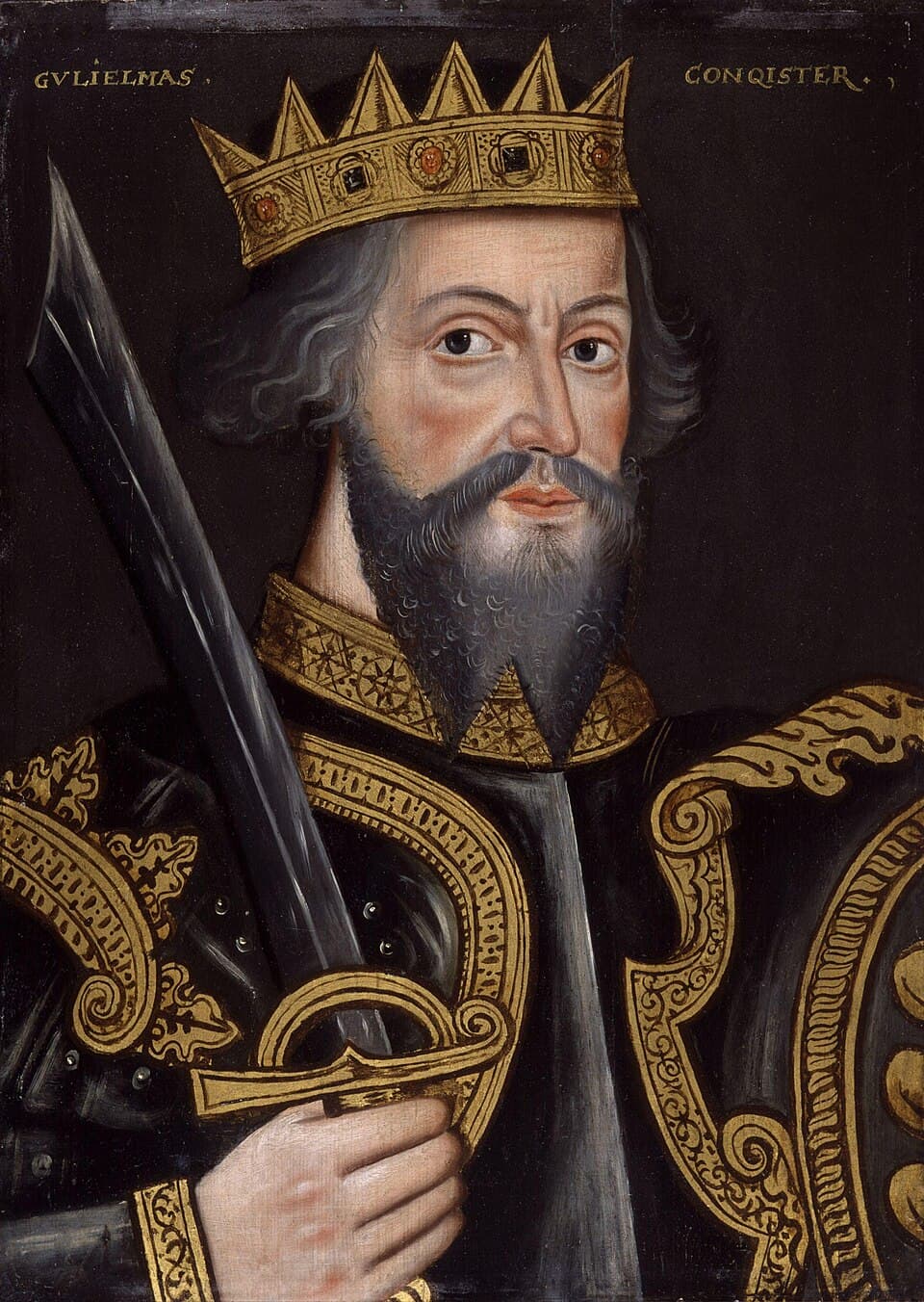
It is in the great hall of the castle of Rouen, in this autumn of 1071, that I find my duke and king, William, as I set down on parchment the story of his great deeds. The October light falls obliquely on the tapestries hung on the walls, and in the distance one hears the hammers of the stonecutters. His chaplain for years, I know him behind the majesty — the man who rises before dawn and is consumed by the hunt. I come this day to seek, for my Gesta, what the official account cannot say.
—My lord, you know I am recording your life. Your birth at Falaise has been so mocked — how did the bastard child hold the duchy at seven years old?
You may write it plainly, William, for you know I do not blush at it. I was born at Falaise, son of Duke Robert and Arlette, a tanner's daughter, and that blood was thrown in my face all my childhood. When my father died on pilgrimage, I was seven, and more than one guardian was cut down in my very chamber. Believe me, one learns suspicion no faster than by sleeping with an ear to the door. What the barons thought a weakness — my bastardy — was my forge: I inherited nothing that I did not have to defend with the sword. At Val-ès-Dunes, at last, I crushed their revolt. No one laughed at the tanner's son anymore.
What the barons thought a weakness — my bastardy — was my forge.
—You base your claim on Harold's oath. When he came to Normandy in 1064, what exactly did he swear with his hands on the relics?
He swore, William, before my barons and on the holy relics, to support my claim to the throne of England upon Edward's death. No one forced him: he was my guest, I had knighted him with my own hand. And when the old king died, what did Harold do? He crowned himself, trampling his oath like straw. A man who betrays his sworn faith is a felon, and felony is the worst of crimes — you who serve the Church know this better than I. It is not a land I went to conquer, but a perjury I went to punish. The pope himself gave me his banner to proclaim it to all Christendom.
It is not a land I went to conquer, but a perjury I went to punish.
—I write in my Gesta that three horses were killed under you at Hastings. But first, that landing — the story of the handful of earth, is it true?
It is true, and you may set it down as is. When I set foot at Pevensey, I stumbled and fell flat on the sand. My men froze — a bad omen, they murmured, fear in their eyes. So I clenched a clod of that English earth in my fist and cried out that I already held the kingdom in my fingers. The omen became a promise. And on October 14, on the hill of Senlac, when the rumor spread that I was dead, I had to lift my nasal helmet so they could see my face and take heart again. Three warhorses fell under me that day. You who have gathered the testimonies know that none lie.
I clenched a clod of that English earth and cried out that I already held the kingdom in my fingers.
—You spoke of your hauberk and that helmet. For those who see you in majesty today, tell me the real weight of a man in arms at Hastings.
The weight, William? A mail hauberk weighs on the shoulders like two sacks of grain, ten or fifteen pounds that cut into your back after a day in the saddle. The conical helmet encloses your skull, and the nasal piece eats into your face — that is why no one recognized me in the fray. On my arm, the kite shield that covered me from chin to knee; beneath me, a warhorse trained to charge without flinching amid the cries. Those who sing of battle forget the sweat, the thirst, the arm that no longer feels the sword. The cavalry made the day: the English held their shield wall on foot, we broke it by feigning flight. Cunning, as much as the lance, won Hastings.
Those who sing of battle forget the sweat, the thirst, the arm that no longer feels the sword.
—King now, you want to know everything about your kingdom. Why this great survey that your clerks began last year, in 1085?
Because a king who does not know what he possesses possesses nothing, William. I sent my commissioners into every county to record for me every estate, every plow, every beast, every man and what he owes me. They already say that no one will escape this register, any more than the Last Judgment — hence the name the people give it. No prince on the continent has ever held such a book in his hands. With it I know my wealth better than any of my barons knows his own, and no one can hide a single acre from me. I have also redistributed the English fiefs to my Norman companions: each holds his land from me, and from me alone. That is how one bridles a conquered kingdom.
A king who does not know what he possesses possesses nothing.
—You kept some English customs and broke others. What did you do with their council, the Witan that elected kings?
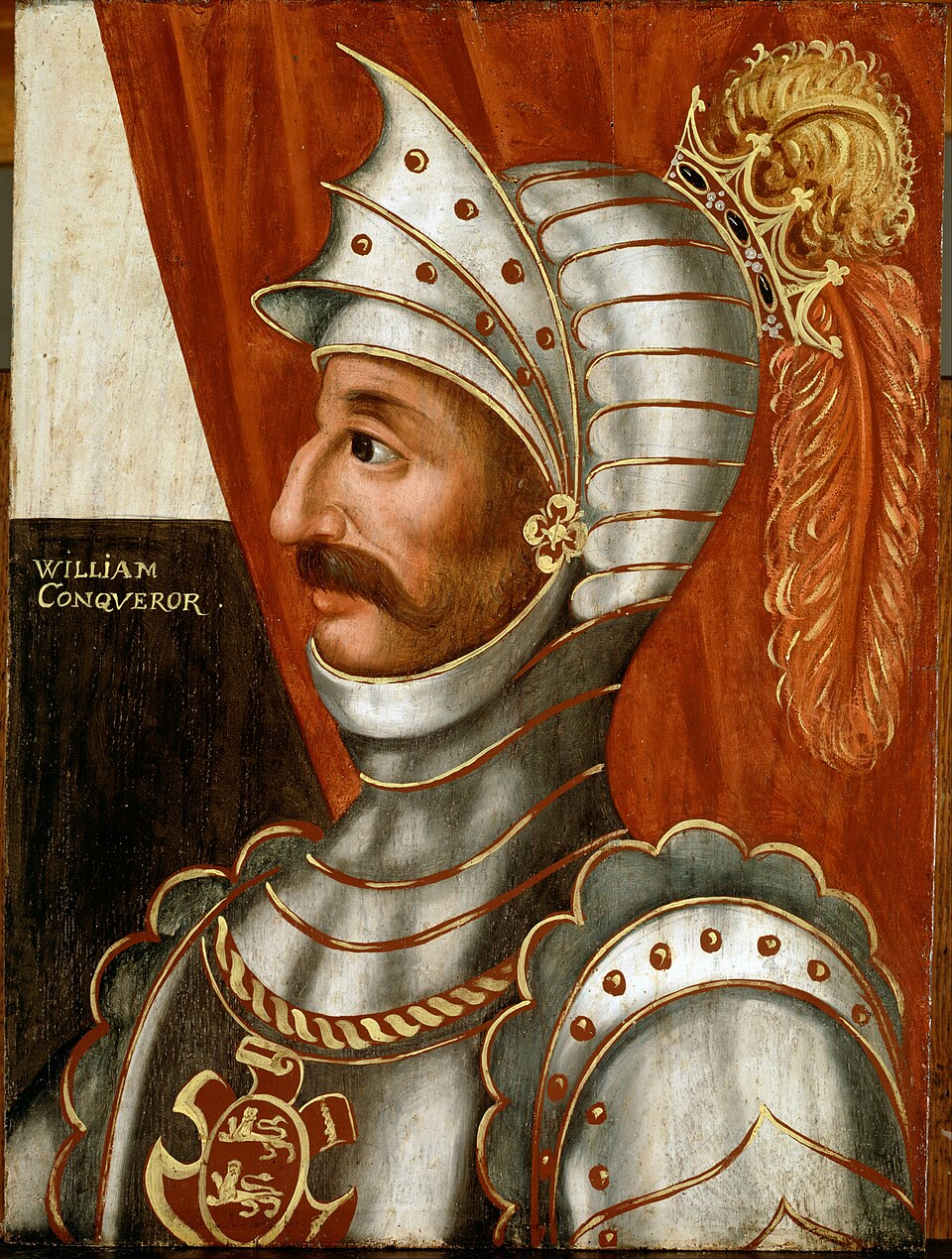
The Witan, that council of their wise men that claimed to make and unmake kings? I did not abolish it at once — one does not tame a people by clashing with all its customs on the same morning. But I let it fade before my curia regis, my court, where my men sit and where my will decides. In England, the king is not elected by barons: he reigns by right of blood and sword, and all, from the greatest earl to the lowest vavasour, do homage to me. I have built hundreds of motte-and-bailey fortresses, and at London a tower of white stone that watches over the city. Let the conquered raise their eyes to it each morning: they will know who their suzerain is.
One does not tame a people by clashing with all its customs on the same morning.
—Before all this there was Matilda. You married her despite the pope's ban — how did you redeem that union before the Church?
Matilda of Flanders. Rome judged our blood too close and refused our marriage, but I wanted her and I took her, for this alliance was worth an army. To appease the Church and my soul, we did penance by raising at Caen two houses of God: the Abbaye-aux-Hommes, which I founded, and the Abbaye-aux-Dames, which she built on her side. From the blond, hard stone of Caen, twin monasteries to redeem a union that men condemned and that God, I believe, blessed. She was my queen, my regent in my absence, the mother of my sons. When she passed away three years ago, she was laid to rest in her abbey. A part of me already lies there.
Twin monasteries to redeem a union that men condemned and that God, I believe, blessed.
—I have seen you live up close. Tell those who know only the warrior how your days pass far from the battlefields.
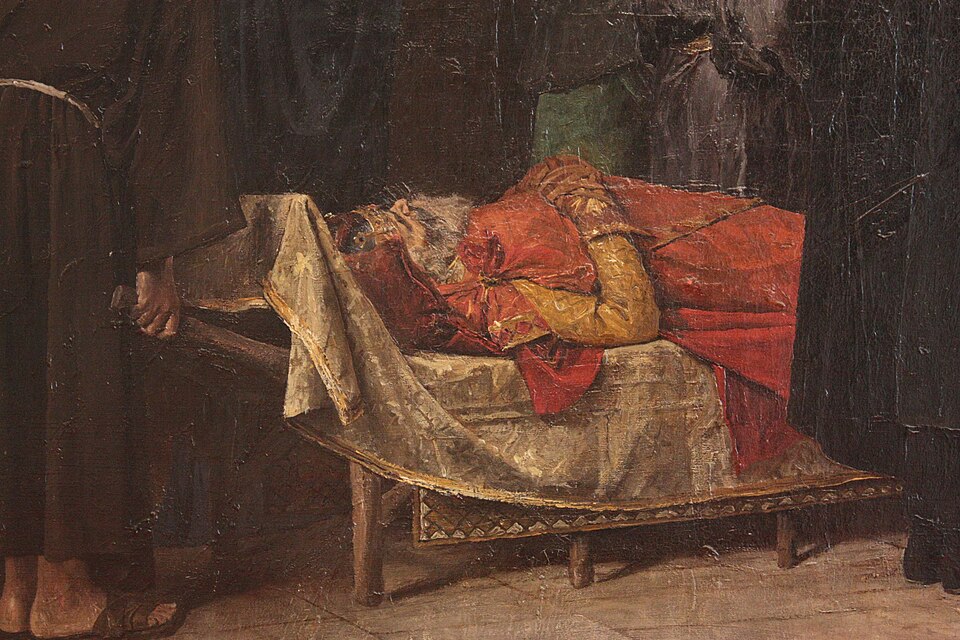
You know, William, since you have often waited for me at the chapel before dawn. I rise early, hear mass, then hold council with my barons on the affairs of the duchy and kingdom. In the afternoon, it is the hunt — my true passion, for which I had an entire new forest enclosed in England. In the evening, we sup in the great hall, game and wines of Normandy, and the jongleurs declaim the old battles. I am reproached for having grown stout with age; King Philip of France has mocked me, they say. Let him laugh. I would rather be feared fat than pitied thin.
I would rather be feared fat than pitied thin.
—At Bayeux, your half-brother Odo is having a long embroidered cloth made that tells the conquest. What do you want it to say to the generations?
Odo has done well: this embroidery unrolls the whole story over nearly seventy feet of linen, from Harold's oath to his fall at Hastings. What do I want it to say? The truth of my cause. Let them see Harold swear on the relics, then crown himself in contempt of his faith — and let each judge who was the felon. Clerics write for those who can read, but the image speaks to all, to knight and to peasant alike. They will see our ships, our hauberks, our kite shields, the charge of our warhorses. It is not an ornament, it is a testimony: my conquest was just, and heaven, by the pope's banner, confirmed it.
Clerics write for those who can read, but the image speaks to all.
—One last question, my lord, more serious. You have built your tomb at Caen. Do you sometimes think of what will remain of you?
What man does not think of it, William, especially one who has seen so many dead on the hill of Senlac? I wanted to rest in my Abbaye-aux-Hommes, under the stone of Caen, near God whom I have sometimes served poorly but never denied. The Harrying of the North weighs on my conscience — I had entire counties laid waste to crush rebellion, and famine killed more than my sword. That too, write it down if you dare. What will remain? A kingdom held with an iron hand, a book where every acre is counted, fortresses that will not fall. I leave behind a subdued England and sons who must, like me, defend it. The rest belongs to God's judgment, not to that of men.
I had entire counties laid waste to crush rebellion; that too, write it down if you dare.
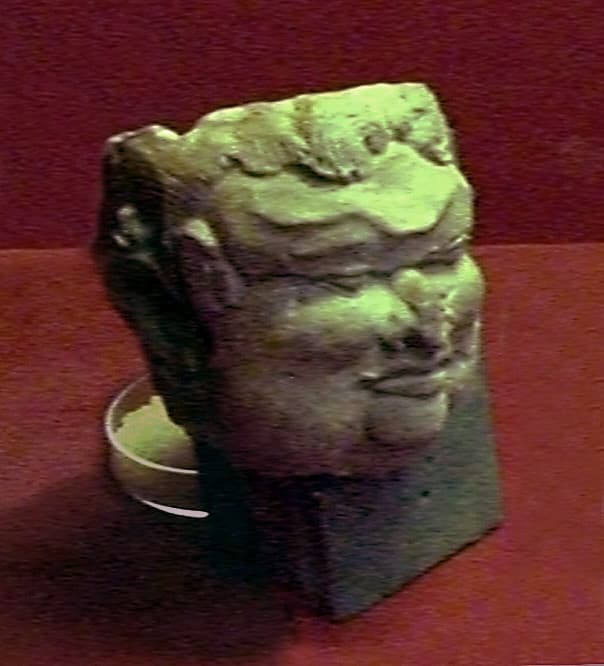
This imaginary interview was generated by artificial intelligence from sources documented in William the Conqueror's profile. It dramatises what the figure might have said based on what we know about them, but does not constitute attested historical testimony. For primary sources and factual documentation, refer to the full profile.