Imaginary dialogue between Edward Charles Pickering and Henrietta Leavitt
by Charactorium · Henrietta Leavitt (1868 — 1921) · Sciences · 5 min read
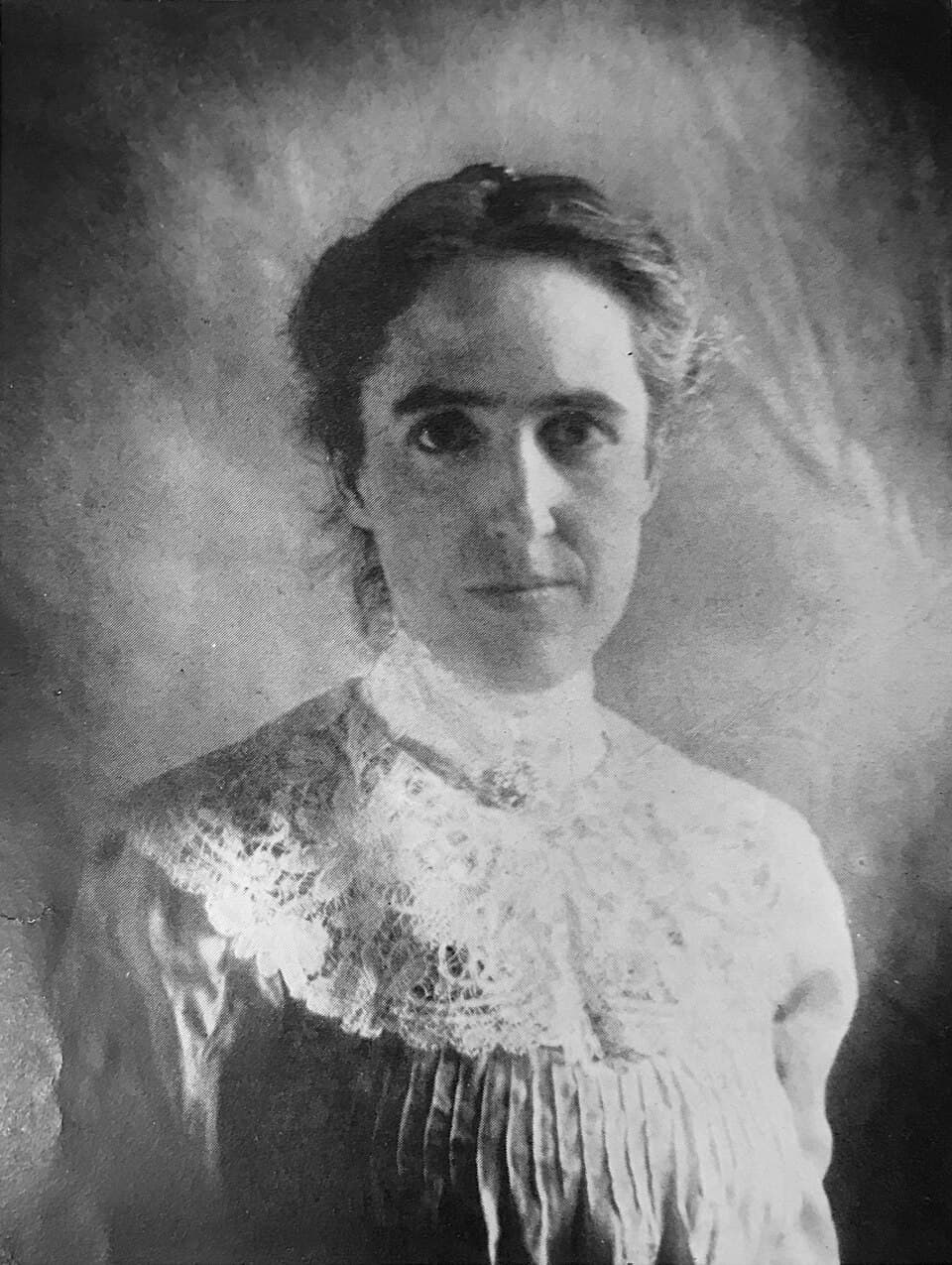
It is in the great computing room of the Harvard College Observatory, on a gray afternoon in 1916, that Edward Charles Pickering lingers near the desk of Henrietta Leavitt. Cold light falls on dozens of stacked glass plates, and the steady clicking of the blink comparator is heard. They have known each other for more than twenty years — he recruited her as a volunteer in 1893, then paid her — and the director, usually so sparing of confidences, has come today not to check a record, but to understand the woman behind the computer. He sets down his hat and pulls up a chair.
—Henrietta, when I entered you in my registers, I paid you twenty-five cents an hour. Did you ever feel the injustice of that wage?
You know that better than anyone, Mr. Pickering, since you kept the accounts. Twenty-five cents an hour: the price of a magazine journalist, not that of a discovery. But I never worked for the pay. When I arrived here in 1893, as a volunteer, I was looking for a place where I would be allowed to gaze at the sky without first being asked whether a woman had the right. Your plates gave me that. The rest — the salary, the title of computer that sounds like that of a machine — I accepted it as one accepts the cold in the room: a condition, not an end. My colleagues, those ladies you brought together, were each worth an entire observatory.
Twenty-five cents an hour: the price of a journalist, not that of a discovery.
—Describe one of your days in this room. What do you see, plate after plate, when you leave me alone at your magnifying glass?
In the morning, the night's plates already await me sorted on the desk. I put a smock over my dress and settle at the blink comparator. The instrument alternates two photographs of the same field, and that's where it all happens: a star that blinks from one plate to the next is a variable giving itself away. The whole afternoon passes like this, eye glued to the eyepiece, ferreting out those breathing points. I note each position, each magnitude, with a slide rule. It's a labor of patience more than genius, you know. But by looking long enough, you end up seeing what no one had seen: not just a star, but a law.
A star that blinks from one plate to the next is a variable giving itself away.
—You were entrusted with the variables of the Magellanic Clouds. How did this task, which some deemed thankless, become yours?
You had assigned me the cataloging of variables, and the plates from Arequipa, taken under the southern sky, were teeming with those satellite galaxies. At first, it was just counting: list, measure, classify. I recorded over seventeen hundred at once, published in the Harvard Annals in 1908. Many saw it as an ant's chore. I saw a unique field: all those stars in a single Cloud are roughly the same distance from us. That changes everything. Comparing their brightness is no longer comparing apples to oranges scattered through space — it's comparing comparable things. Chance had given me the only laboratory where my question made sense.
All those stars in a single Cloud are the same distance away: that changes everything.
—In 1912, you handed me those twenty-five variables from the Small Cloud. Tell me the moment when the relation appeared to you.
It was not a flash, Sir, but a line. I had plotted the brightness of those Cepheids against their pulsation period, and the points, instead of scattering, lined up neatly along a straight line. The brighter the star, the longer it takes to pulse. I wrote that one could easily draw a straight line among these points, revealing a simple relation between the brightness of the variables and their periods. It sounds modest, said like that. But think: if the period reveals the true brightness, then measuring a pulsation's time is measuring a distance. A star becomes a candle whose flame you know — and therefore its distance.
A star becomes a candle whose flame you know — and therefore its distance.
—You speak of measuring distances. Do you truly grasp the scope of what you hold there, in those twenty-five stars?
I am cautious, you know me. My law gives a relation, not a calibrated scale: I can say that one Cepheid is brighter than another, and by how much, but not its absolute distance until one of them has been calibrated by parallax. That work remains. Hertzsprung, in Germany, has already begun to do it. Once that first rung is planted, the whole ladder rises at once: we will be able to probe depths where no parallax reaches. I do not know how far it will lead the astronomers who come after. But I know we hold a measuring rod for the universe, and it was born here, on these glass plates.
We hold a measuring rod for the universe, and it was born on these glass plates.
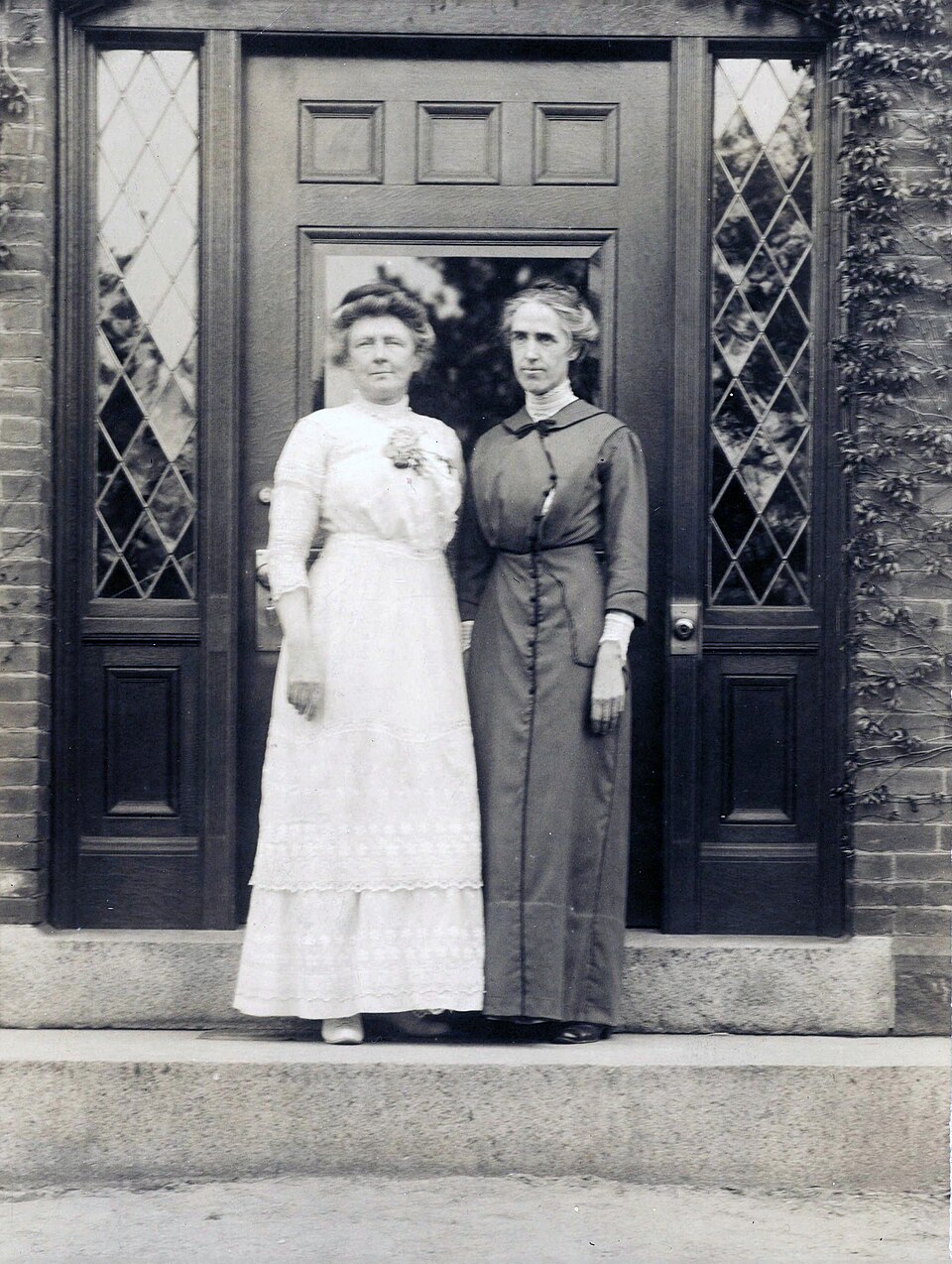
—Henrietta, your hearing fails you a little more each year. I see it well. Does it never discourage you before the magnitude of the task?
You are kind to notice without making a drama of it — others lower their voices before me as before an invalid. Deafness takes the world from me in fragments, it's true. But consider what my work requires: not hearing, but looking, for a long time, without tiring. The silence into which I sink has become my ally. When the room's tumult fades for me, only the plate and the star remain. I find a concentration that many with good ears would envy. I have cataloged hundreds of variables like that, in this calm that is mine alone. What nature takes from me on one side, she gives back in patience on the other.
When the tumult fades for me, only the plate and the star remain.
—In 1912, I wrote to congratulate you on this work. Do you remember that note, and what did it mean to you?
I kept it. You wrote that it was a most important piece of work, which would render great service to astronomy. Coming from you, who do not lavish praise, those lines carried weight. You know, Mr. Pickering, that a woman in this house rarely hears that she has done a work of science, not merely of good workmanship. Your colleagues, they saw mainly the conscientious computer. You wrote the word investigation. That word kept me going for years. One can endure the cold, the low pay, even the deafness — but not the idea that one's work will never be recognized for what it is. Your letter told me that someone, at least, had seen.
One can endure anything, except the idea that one's work will never be recognized for what it is.
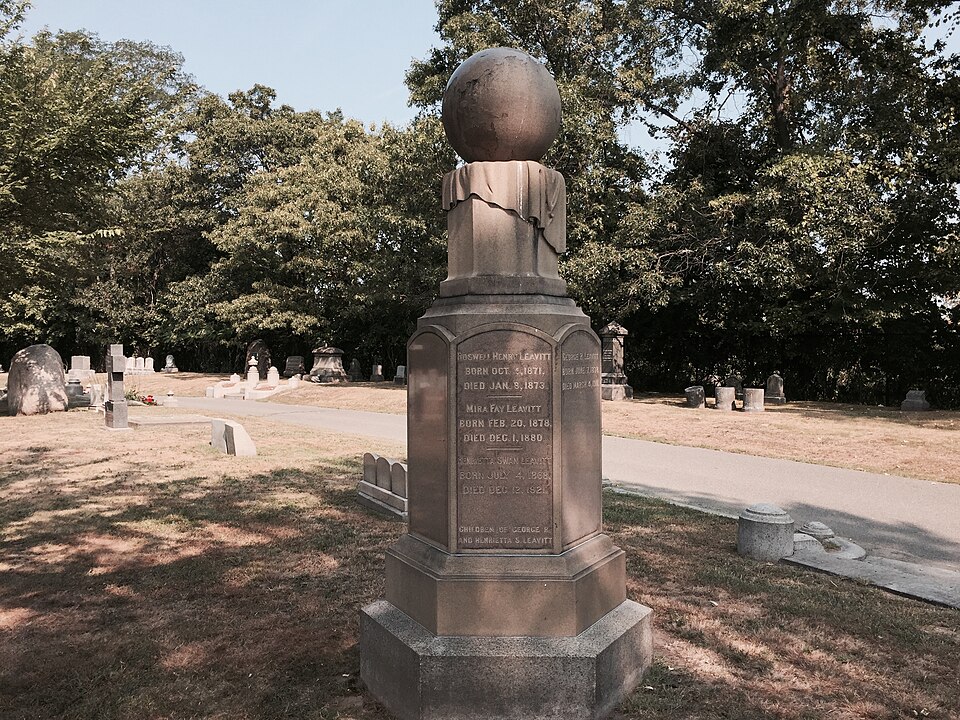
—Your notebooks are of a rigor that commands admiration from everyone here. Where does this demand for the photometric standard come from?
From the conviction that a measurement without a standard is worthless. What good is it to say a star is bright if no one can verify by how much? So I spent years fixing reference magnitudes — those Harvard standards that observatories around the world eventually adopt. It is invisible, thankless work that will never make anyone dream. But without it, my Cepheid law would be just a pretty curve with no anchor. I keep my notebooks like an accountant keeps his books: every position, every magnitude, dated, checked, recorded. Rigor is not a virtue of temperament for me; it is a necessity of the trade. The sky does not forgive approximations.
The sky does not forgive approximations.
—If a parallax were one day to calibrate your Cepheids, how far do you think others might be able to see?
That is a question beyond me, and I distrust it as much as it thrills me. With parallax, we measure nearby stars, those in our own neighborhood. My Cepheids, they shine even in the Magellanic Clouds, far beyond. If one manages to spot them in those spiral nebulae that astronomers debate — are they inside our system or separate worlds? — then we will finally know whether they are near or prodigiously far. I will not settle that debate myself; it is not my work. But the tool to do so is here, lying on these plates. Someone else will seize it. And on that day, the universe will expand at once, like a room whose walls have been knocked down.
The universe will expand at once, like a room whose walls have been knocked down.
—You are thought modest, Henrietta. But deep down, what fate do you wish for this law that bears your patience?
I wish nothing for my name — it sounds ill to the ears of those who award honors to women. For the law, it is different. I want it to be used, seized, calibrated, pushed further than I ever could. A discovery does not belong to the one who finds it, but to the one who uses it. If in a hundred years an astronomer measures a distance that no one imagines today, and at the heart of his calculation lies the relation I traced on those twenty-five stars, then I will have done my duty. The rest — the prizes, the praise, the posthumous regrets that others may perhaps express — matters less to me than that simple line linking brightness to time.
A discovery does not belong to the one who finds it, but to the one who uses it.
This imaginary interview was generated by artificial intelligence from sources documented in Henrietta Leavitt's profile. It dramatises what the figure might have said based on what we know about them, but does not constitute attested historical testimony. For primary sources and factual documentation, refer to the full profile.