Imaginary interview with Henrietta Leavitt
by Charactorium · Henrietta Leavitt (1868 — 1921) · Sciences · 5 min read
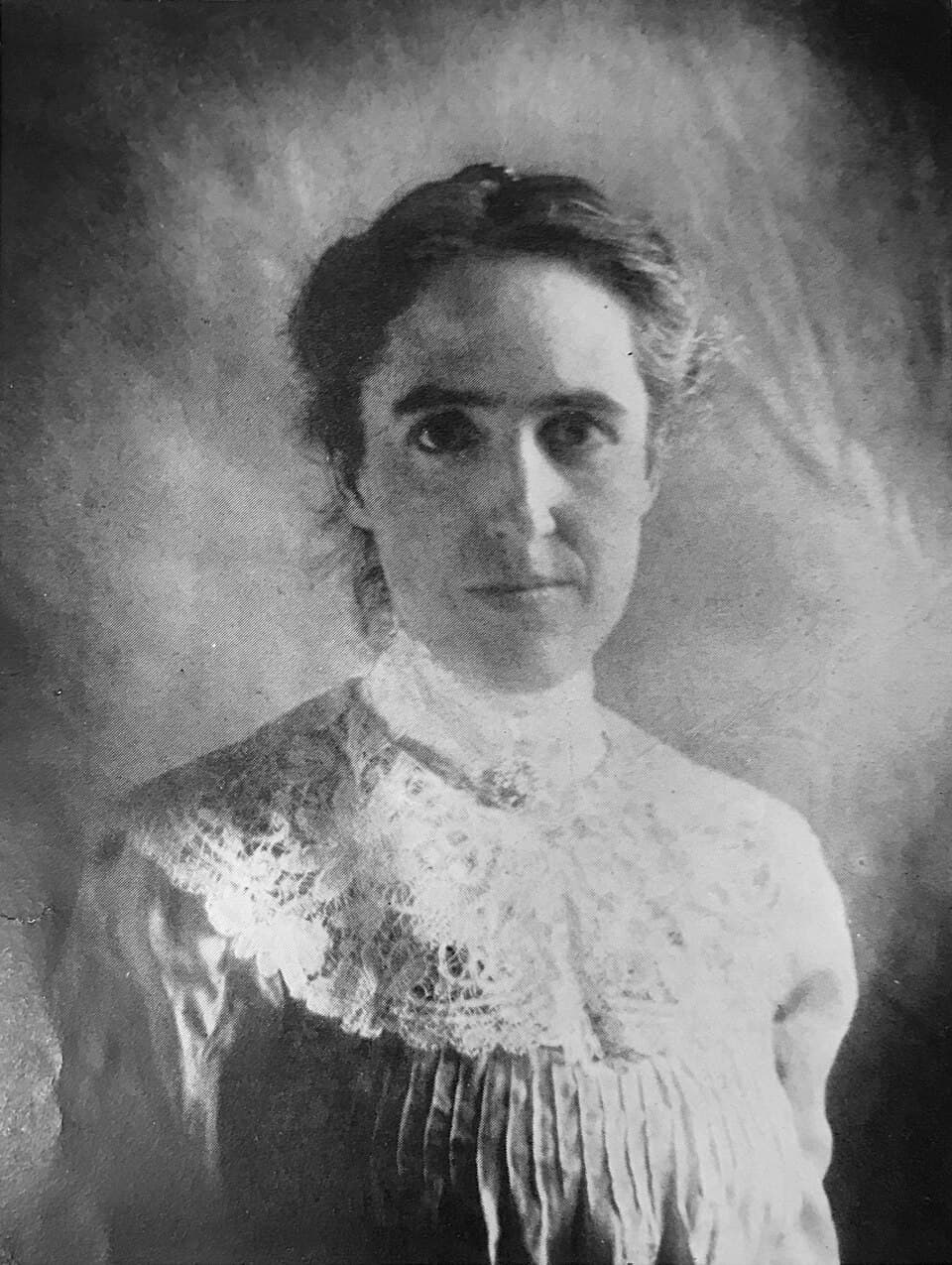
Cambridge, Massachusetts, winter 1912. In the great computer room of the Harvard College Observatory, piles of glass plates wait on the long tables. A woman in her forties, dark smock over her high-collared dress, looks up from a magnifying glass as someone sits down across from her. She speaks softly, for she can no longer hear well; she chooses her words as one lines up figures.
—How did you come to the observatory, and what exactly were you doing in the early years?
I entered here in 1893, first as a volunteer, under the direction of Edward Pickering. We were called computers — women paid twenty-five cents an hour to examine the plates that the men took at night. My job was to measure the magnitude of stars, one by one, thousands of fixed points of light in the glass. In 1902, I was put in charge of the entire variable star section. Many saw it as ant’s work, almost domestic. I never felt humiliated by counting: they gave me the entire sky on a table, and someone patient enough had to read it line by line. Patience, you see, is no minor virtue in astronomy.
They gave me the entire sky on a table, and someone patient enough had to read it.
—What do you say to those who judge the role of "computer" unworthy of a true scientist?
We were several women, Annie Jump Cannon and others, forming what was nicknamed the Harvard Computers. We were denied the telescope, the right to observe at night, and for a long time the right to sign our conclusions aloud. But a glass plate does not know whether the hand measuring it belongs to a lady or a professor. Rigor has no gender. In my life I cataloged more than two thousand four hundred variable stars — nearly half of all those known. They may pay me in cents per hour; they cannot reduce a firmament to a salary. I kept my logbook as others keep a diary: it was my share of the world.
They may pay me in cents per hour; they cannot reduce a firmament to a salary.
—Describe the concrete gesture of your work: how do you read a star on a plate?
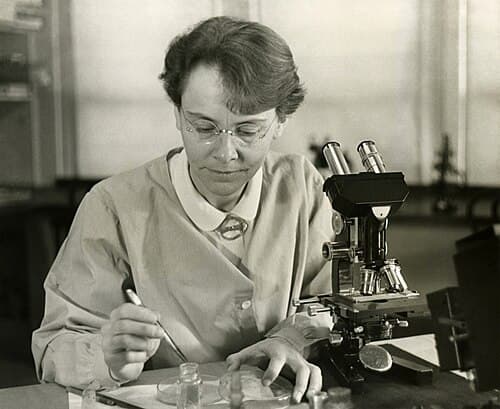
Imagine two exposures of the same star field, taken a few weeks apart, both on glass photographic plates. I place them in the blink comparator, an instrument that rapidly alternates the image of one and the other. A fixed star does not move; it is steady. But a variable seems to pulse — it brightens and fades under the eye, like a heartbeat. That is what I track all afternoon: that blinking. Each time I catch one, I note its position, its magnitude at maximum and minimum, the date, in my logbook. Hundreds of pages of tight handwriting. The sky does not give itself all at once; it is won by small honest measurements.
A variable seems to pulse — it brightens and fades under the eye, like a heartbeat.
—Where did those famous plates that you spent your days scrutinizing come from?
Most were not born here, under the gray sky of Cambridge. They arrived from Peru, from Harvard’s southern station in Arequipa, taken by the great Bruce photographic telescope. There, the southern hemisphere offers what we never see from here: the Magellanic Clouds, those two pale little galaxies that southern sailors have known for centuries. I never went to Peru myself. I saw that sky only in negative, reversed, cold, laid on my table as glass slivers. It is a strange thing to have devoted one’s life to stars one has never looked at with one’s own eyes, only through their chemical shadow.
I devoted my life to stars I never looked at with my own eyes.
—Do you remember the moment you realized there was a rule in this disorder of stars?
It imposed itself while looking at the variables of the Small Magellanic Cloud. Since they are all roughly at the same distance from us, their brightnesses could finally be compared honestly, without deceptive proximity distorting the judgment. And I saw, it was almost too simple: the brighter the star, the longer the duration of its cycle, its pulsation period. The brightest took their time; the faint ones flickered quickly. I plotted those points on a graph, and a straight line ran through the cloud of measurements like a sewing thread. Where I had looked for a jumble, there was a law. I confess I sat motionless for a moment before that line.
Where I had looked for a jumble, there was a law.
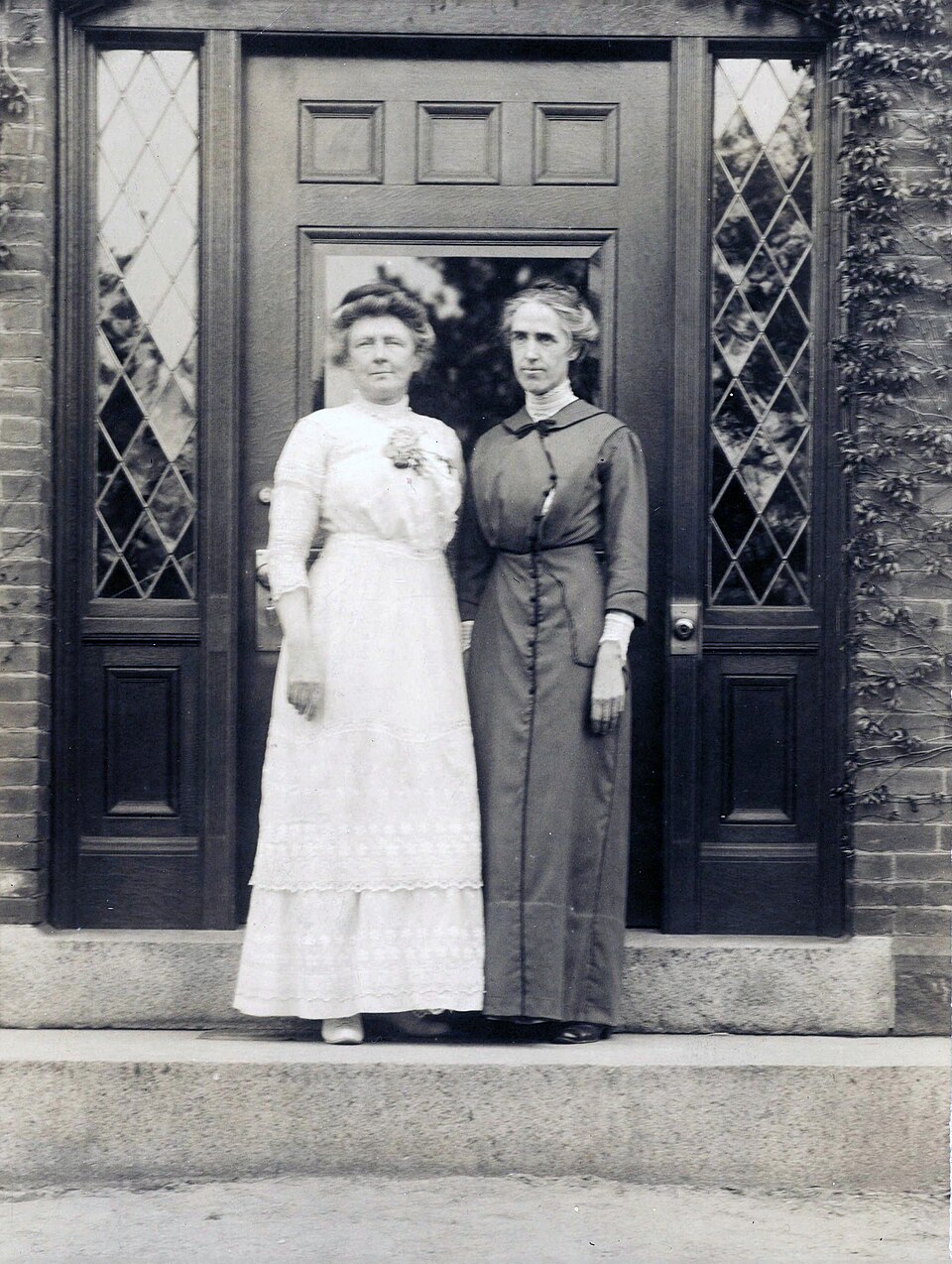
—In 1912, you published this relation. How did you formulate it for your peers?
The paper is titled Periods of 25 Variable Stars in the Small Magellanic Cloud. Twenty-five stars, that is few, but they sufficed to show the thing. I wrote that a straight line can readily be drawn among the points, revealing a simple relation between the brightness of the variables and their period. I weigh my words: "a simple relation." I do not claim to measure the universe yet — I do not have the absolute distances, the rule will need calibration. But I hold a sure principle. Pickering wrote to congratulate me on work that, he said, would render great service to astronomy. Coming from him, who was not lavish with compliments, I understood that the matter counted.
Where I had looked for a jumble, there was a simple relation.
—You mentioned earlier your difficulty hearing. How did that affect your work?
My deafness came slowly, in stages, like a light being dimmed. Many would have thought that a woman who could no longer hear the conversation in the room would be diminished. For me, it was almost the opposite. At the end of the day, when the others went home and the chatter faded, I stayed with my plates and my slide rule, in a silence I no longer had to create because it already lived in me. Calculating periods requires total concentration; silence is its ally. I think my colleagues were surprised at the steadiness of my attention. They did not know that the world had grown quiet for me, and that little remained but the stars to speak to me.
The world had grown quiet, and little remained but the stars to speak to me.
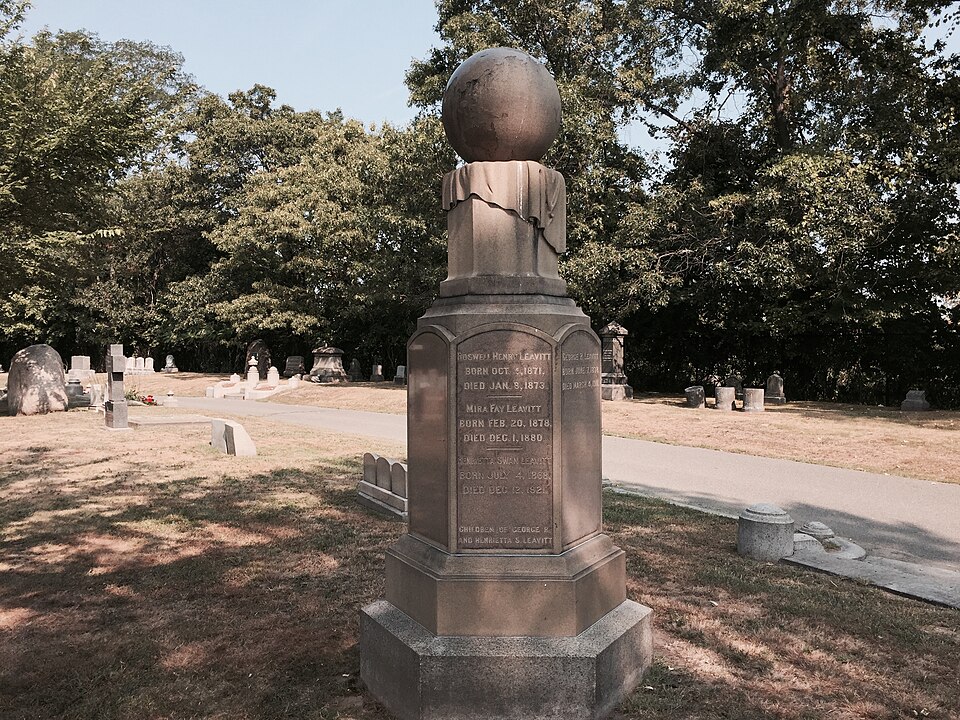
—What kept you at your table despite illness and long hours?
An observatory day consists of very few events and a great deal of constancy. I arrived early, smock over dress, the night’s plates already sorted and waiting. Afternoon, the magnifying glass; evening, calculations and notes. It was frugal, like my home in Cambridge and the sober upbringing I received in a pastor’s family. But I did not feel the boredom that this description might suggest. Each new variable star was a small recognition, one more name inscribed in a register that, without us, would not exist. One does not measure a firmament by whim; one does it through a kind of fidelity. I remained faithful until illness took me from the table.
—Your law did not yet give distances. Who turned your rule into a true cosmic yardstick?
My relation said: this star is intrinsically brighter than that one. It did not yet say: it lies so many light-years away. The calibration was missing, like a ruler whose centimeters were forgotten. It was Ejnar Hertzsprung, in 1913, who calibrated my law by measuring the distance of a few nearby Cepheids. From then on, any Cepheid became a surveyor’s candle: its period gives its true brightness, and comparison with its apparent brightness yields the distance. I must confess a certain vertigo at that idea — that a blink spotted with a magnifying glass on a plate from Peru could serve to measure chasms that no one will ever cross.
A Cepheid becomes a surveyor’s candle: its blink measures chasms that no one will ever cross.
—If you could imagine what your discovery would become after you, what would you hope?
I am not a woman for prophesying, and I know my health will not let me see very far. But if I may indulge a daydream: I would like someone, someday, to point a large telescope at those spiral nebulae that are so debated — are they within our Milky Way, or island universes beyond? — and to find a Cepheid there. Then my rule would tell its distance, and the question would be settled. If that happened, it would not be a twenty-five-cents-an-hour calculator that had been listened to, but the patience of all the women bent over those tables. Whether my name remains in the shadows matters less to me than knowing that the straight line is real.
Whether my name remains in the shadows matters less to me than knowing that the straight line is real.
This imaginary interview was generated by artificial intelligence from sources documented in Henrietta Leavitt's profile. It dramatises what the figure might have said based on what we know about them, but does not constitute attested historical testimony. For primary sources and factual documentation, refer to the full profile.