Kids interview Henrietta Leavitt
by Charactorium · Henrietta Leavitt (1868 — 1921) · Sciences · 5 min read
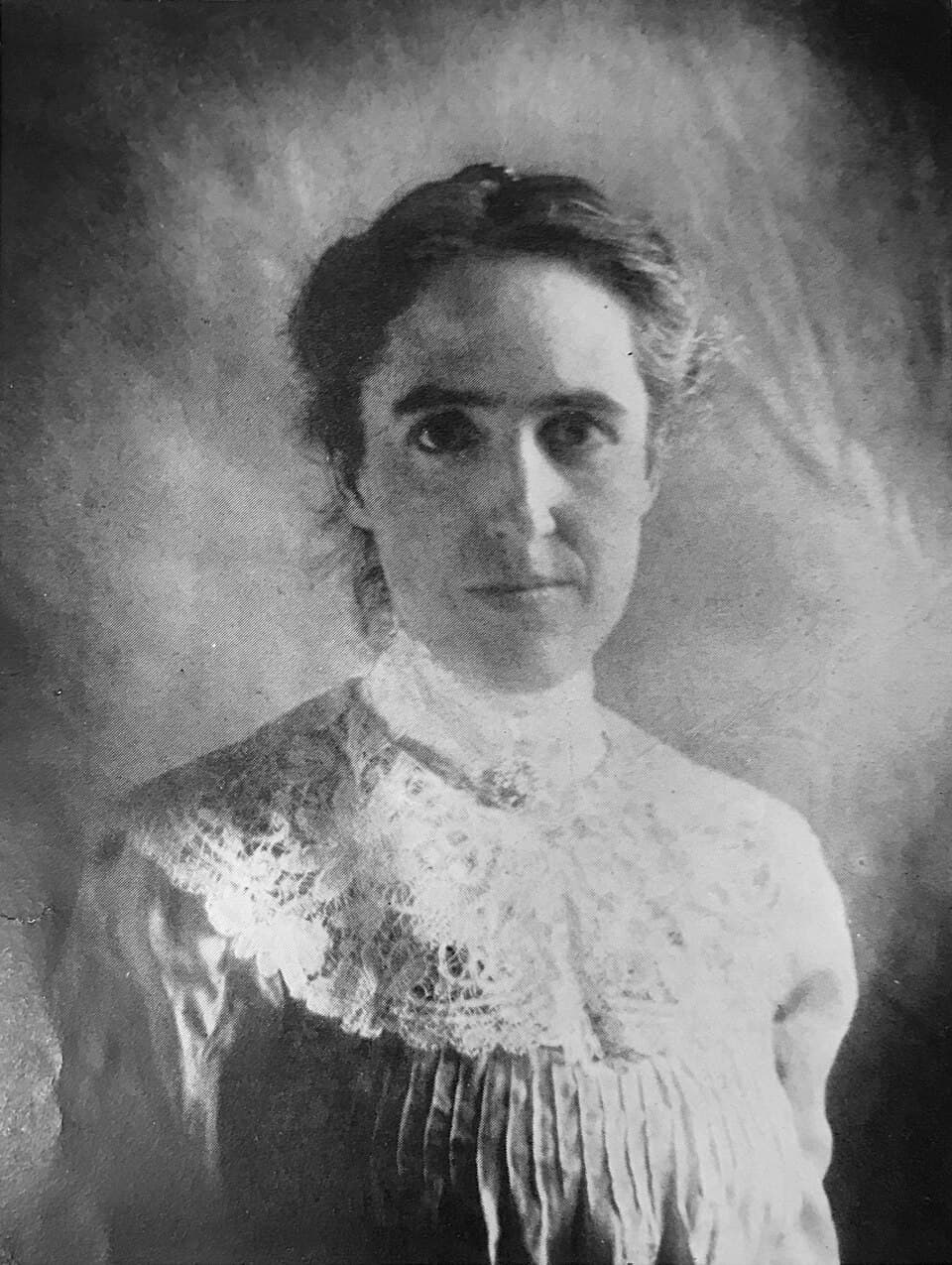
That morning, two twelve-year-old visitors pushed open the heavy door of the Harvard Observatory. Amidst the stacked glass plates, a lady in a dark blouse greeted them with a smile. Her name was Henrietta Leavitt, and she was about to tell them how she measured the universe with a simple magnifying glass.
—What exactly was your job at the observatory?
They called me a computer, my child. In my day, that word didn't mean a machine, but a person who calculates by hand. We were a whole group of women, nicknamed the Harvard Computers, hired by director Edward Pickering. Picture a large silent room, dozens of glass plates sorted on tables. I was paid 25 cents an hour to examine them. It was little, very little. And we weren't allowed to touch the big telescopes — that was reserved for the gentlemen. So I looked at the stars differently: on glass, with a magnifying glass.
I was paid 25 cents an hour to measure the sky.
—Were you sad to be paid less than the men?
You know, I was bitter sometimes, yes. I worked as much as they did, sometimes more. But I had learned one thing: I couldn't change the rules of my time overnight. What I could change was what I did with my days. In 1896, I was officially hired. And in 1916, I was put in charge of all the observatory's stellar photometry — that is, measuring the brightness of stars. Imagine: they had given me the role of a simple worker, and I turned it into a discovery. Doing good work, my child, is my way of answering.
I couldn't change the rules of my time, but I could change my days.
—How did you look at the stars, then, if you didn't have a telescope?
With a photographic glass plate, exactly! Picture a large dark pane where a night's sky is printed, each star become a tiny black dot. I would place two plates of the same patch of sky, taken on different nights, into a device called a blink comparator. It would flash the two images, one after the other, very fast. If a star changed in brightness, it seemed to twinkle before my eyes. It's like playing spot the difference between two pictures, but with thousands of stars. That's how I tracked down variable stars — those whose light rises and falls.
Searching for a star that changes is like playing spot the difference with the sky.
—And one day you noticed something strange?
Yes! It was in 1912, studying the Small Magellanic Cloud — a small galaxy neighbor to ours. I was following special stars, the Cepheids, which swell and shrink like a beating heart. And I saw a beautiful thing: the brighter a Cepheid, the slower and longer its beat. Always. I wrote it in my paper Periods of 25 Variable Stars in the Small Magellanic Cloud. As I noted, you could draw a straight line through those points. Imagine that each star tells you its true strength just by showing you the rhythm of its heart.
Each Cepheid tells you its true strength by the rhythm of its heart.
—Why was that little straight line so important?
Because it gave us a rule to measure the universe, my child! Before me, we could calculate the distance of nearby stars, using a geometry trick called parallax. But for distant stars, it was impossible — too far. With my law, it was different: by looking at a Cepheid's beat, I could guess its true brightness. And by comparing it with the brightness we see from Earth, you calculate the distance. Imagine a candle: if you know its flame, its faintness to your eyes tells you whether it's near or very far. My Cepheids were those candles in the dark.
My Cepheids were candles to measure the darkness of the universe.
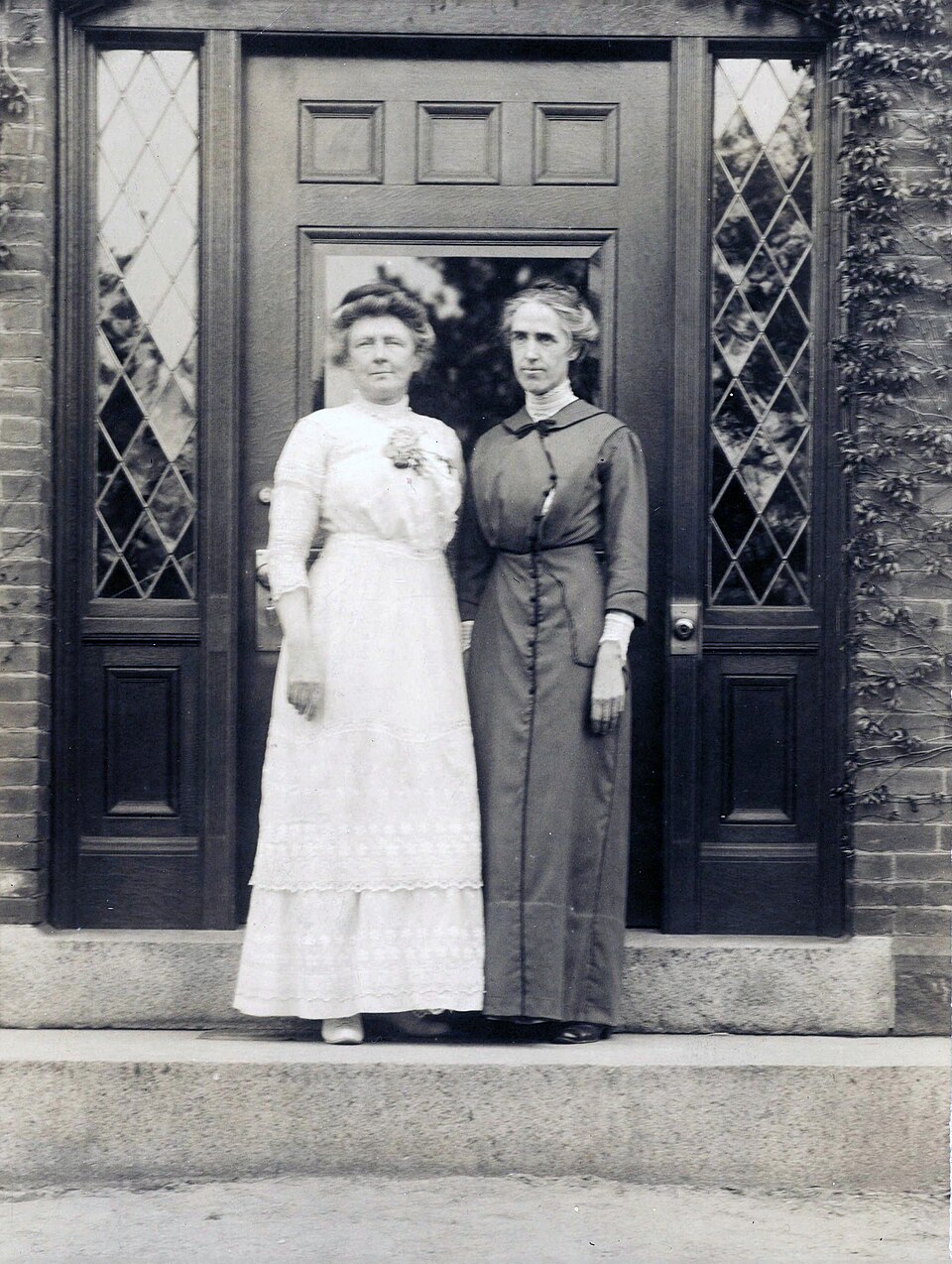
—I heard you had trouble hearing. Was it hard to work?
It's true, I gradually became deaf, and the silence thickened over the years. But you know what? For my work, that calm was almost a gift. I didn't need to hear the stars, only to look at them. Especially in the evening, when the observatory emptied, I would do my calculations with a slide rule in total peace. I cataloged more than 2,400 variable stars in my lifetime — almost half of all those known in my day. One by one, patiently, in my record notebooks. Imagine counting the grains of a beach, but putting your whole heart into it.
I didn't need to hear the stars, only to look at them.
—What did a normal day look like for you?
I arrived early, a few minutes' walk from my lodging in Cambridge. I put on a smock over my dark dress, and the night's plates were waiting for me, already sorted. In the morning, I examined the glass with a magnifying glass. In the afternoon, I looked for stars that had moved, and noted everything: position, brightness, date. In the evening, I calculated the periods. A computer's day wasn't spectacular, you know. It was patience, and more patience. But imagine: in that quiet routine, without the noise of horses outside, lay hidden a discovery that would enlarge the universe.
In a very simple routine lay hidden something to enlarge the universe.
—What did other scientists do with your discovery?
They took it as a new ruler to calibrate, my child. As early as 1913, a Danish astronomer, Ejnar Hertzsprung, calibrated my law — that is, he put real numbers on it, to turn my star beats into actual distances. It was like inventing the first meter to measure the cosmos. I had found the relationship; they made it usable everywhere. Imagine you discover that a rope always stretches the same when you pull it: others then make a real graduated ruler out of it. That's exactly what happened to my little straight line. It left my notebooks to travel the world.
I had found the relationship; others turned it into the first meter of the cosmos.
—Were we able to measure very, very far things thanks to you?
Yes, and farther than I would have thought! In 1924, an astronomer named Edwin Hubble pointed his telescope at the Andromeda nebula, that fuzzy patch in the sky. He found Cepheids there, and using my law, he calculated their distance. His conclusion stunned everyone: Andromeda was far too distant to be part of our Milky Way. It was another galaxy, another island universe! Before, we thought our galaxy was everything. Imagine suddenly learning that your house is just one among billions. My little law had opened that door.
My little law showed that our galaxy was just one house among billions.
—Is it true you almost won a big prize?
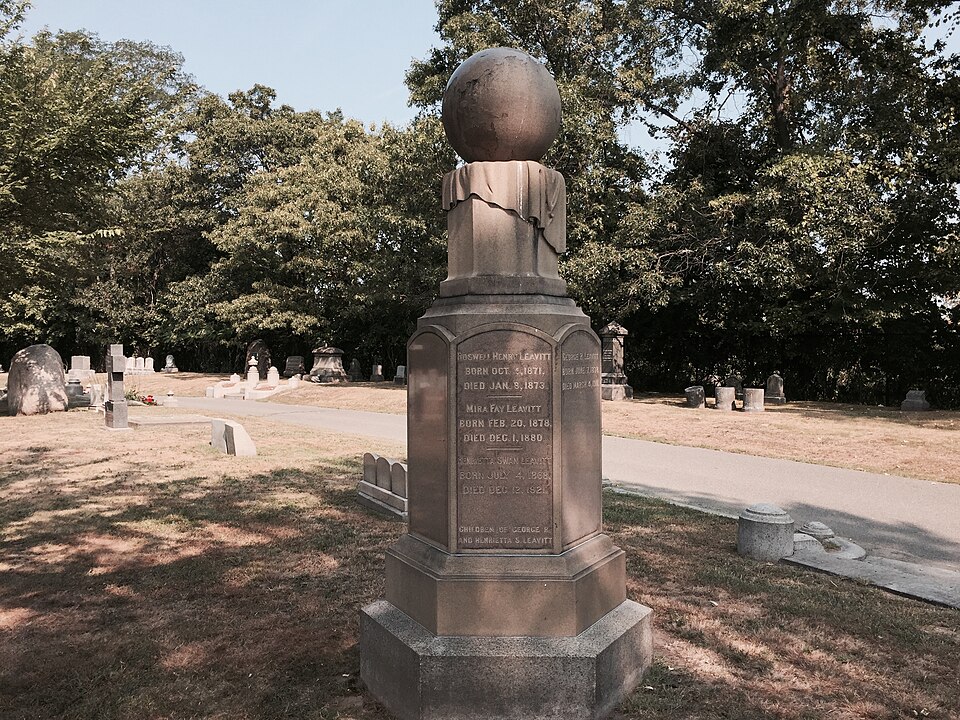
I was told later, yes — well, they would have told me, because I wasn't there to hear it. I died on December 12, 1921, of cancer, at 53. Three years later, in 1924, a Swedish scholar named Mittag-Leffler wanted to nominate me for the Nobel Prize in Physics. He thought my discovery was fundamental. But he didn't know I had already passed away. And that prize is not given to the dead. So my name remained in the shadows for a long time. It doesn't sadden me too much, you know. The stars, they never forgot their rhythm.
I missed the prize by three years, but the stars never forgot their rhythm.
—If we could tell you one thing today, what would it be?
I think I would mostly thank you for coming to me. You see, I was given a role that was considered small: counting, cataloging, checking. Many thought this work wasn't important. But a great discovery doesn't always shout loudly, my child. Sometimes it hides in a glass plate examined a thousand times with a magnifying glass, by someone nobody notices. So if you remember one thing from me, keep this: never despise patient work. Look carefully, note everything, start again. That's often where, in silence, the most beautiful truths lie.
A great discovery doesn't always shout loudly: it hides in patient work.
This imaginary interview was generated by artificial intelligence from sources documented in Henrietta Leavitt's profile. It dramatises what the figure might have said based on what we know about them, but does not constitute attested historical testimony. For primary sources and factual documentation, refer to the full profile.