Imaginary dialogue between Gerbert d'Aurillac (futur pape Sylvestre II) and Hugh Capet
by Charactorium · Hugh Capet (940 — 996) · Politics · 4 min read
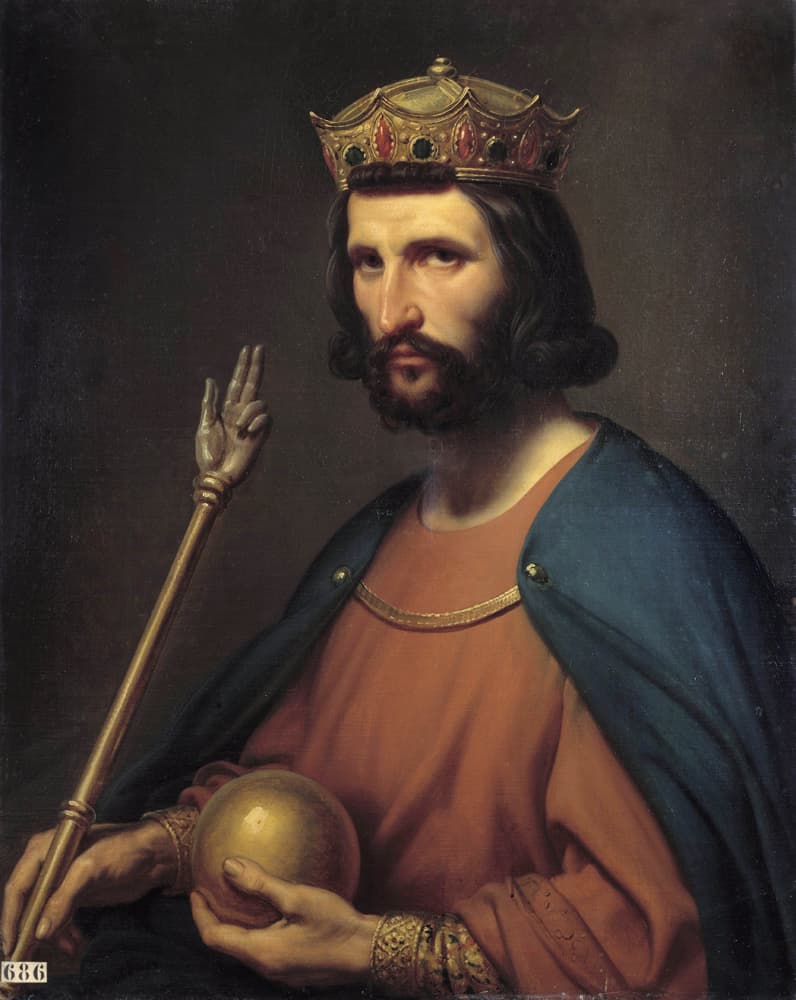
It is in a high hall of the palace of the Cité, in Paris, in this winter of 991, that Gerbert of Aurillac comes to find his king. The light of a wax candle flickers over the parchments spread between them, and the smell of ink mingles with the cold of the stones. Councillor to the sovereign since his election, a scholar from the court of Reims, Gerbert knows Hugh better than any other cleric. This evening, he has not come to plead for another charter, but to understand the man who dared to put on the crown of the Franks.
—Lord Hugh, I was at Senlis when the nobles elected you, after the death of young Louis V. What did you feel when Archbishop Adalbéron spoke your name?
You were there, Gerbert, and you know that one does not feel such a thing as joy. When Adalbéron, before the assembly, said that it was better to have a prince capable of governing than a child of the old line, I felt the weight of all those gazes of bishops and counts fall upon me. The Carolingian blood was dying out with Louis V, and someone had to raise up the kingdom. At Noyon, in July, when Adalbéron anointed me with the holy oil, I understood that I was no longer just Duke of the Franks: God was making me king. But believe me, an election does not give power — it only opens the door. Everything remained to be conquered.
An election does not give power — it only opens the door.
—You had your son Robert crowned that same year, during your lifetime. Many were astonished. Why this haste, my king?
Because I have seen, as you have, what happens when a throne remains vacant. The crown of the Franks was elective; at each death, the nobles tore each other apart, and the German empire watched for our weaknesses. I did not want to leave to chance the task of designating my successor. By having Robert anointed at my side, I bound his name to mine before God and before men, while the father still lived. Thus no one can say, at my death, that the seat is vacant. You may find me too cautious, my friend, but a dynasty is not built on a single man. I want the house I am founding to last longer than my own life.
A dynasty is not built on a single man.
—You rely on us clerics more than any king before you. Confirm to me: is it sincere faith, or the calculation of a prince who knows where his crown comes from?
Must one choose, Gerbert? I fear God like any Christian, and I also know that without you, bishops and abbots, my kingship would not last a season. Who elected me at Senlis? Prelates as much as counts. Who anointed me at Noyon? An archbishop. It is the Church that makes kings in this kingdom. So I confirm the privileges of Saint-Denis, of Fleury, I protect the abbeys, and I support those peace councils held at Charroux, where the cleric and the unarmed peasant are defended against pillagers. As for the quarrel over the archbishopric of Reims, you know how much it costs me. But I will not let go: he who holds Reims holds the coronation, and he who holds the coronation holds the crown.
It is the Church that makes kings in this kingdom.
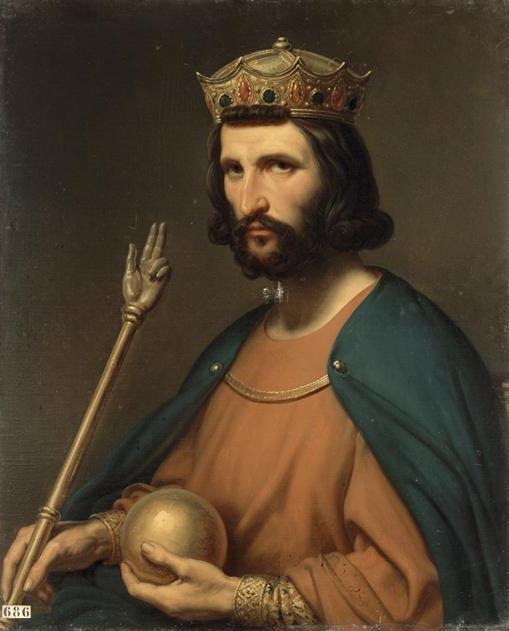
—Precisely, the affair of Reims pits you against the pope and great prelates. Are you not afraid, by deposing an archbishop, of alienating Rome?
Fear, I left at Senlis, the day I accepted the crown. Arnoul had betrayed, opening the city gates to my Carolingian enemies: a perjured archbishop could not keep his see. I assembled the bishops of the kingdom at Saint-Basle to judge him, as is my right. That Rome is disturbed by it, I know, and you better than anyone, since it is to you that I wish to entrust this see. I do not defy the Holy Father out of pride; I defend the order of my kingdom. A king who lets his prelates betray him without response is no more than a name on a parchment. I prefer the anger of Rome to the contempt of my own counts.
I prefer the anger of Rome to the contempt of my own counts.
—People are beginning to call you Capet, because, they say, of the cape of Saint Martin. Does this nickname please you, or do you see it as a mockery?
This name amuses me more than it wounds me. My ancestors, the Robertians, were lay abbots of Saint-Martin of Tours, guardians of his cape, that relic which all Gaul venerates. To bear, even as a nickname, the memory of the cloak of the most beloved saint of the Franks — what prince would complain? Saint Martin shared his cloak with a poor man; he protects kings and armies. If my name is attached to his capa, it ties my house to a prestige that neither gold nor arms can give. The Carolingians had Charlemagne; I have the cape of Martin and the favor of the bishops. Let the clerics dispute the origin of the word — what matters is that it binds me to the greatest saint of our land.
The Carolingians had Charlemagne; I have the cape of Martin.
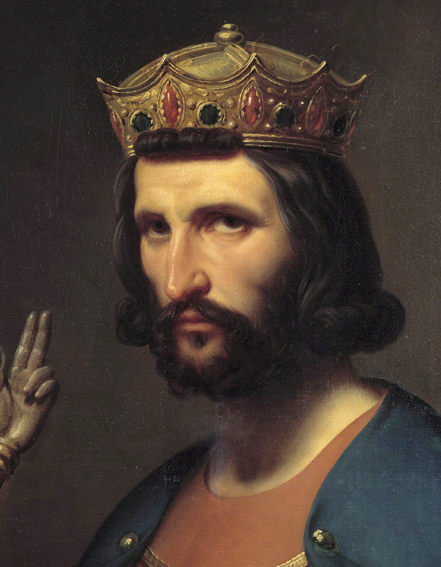
—You bear the title of king, but the Duke of Normandy and the Count of Anjou hardly obey you. Does that not weigh on you, upon the throne?
It weighs on me every day, and you see it well when you advise me. I was Duke of the Franks, Count of Paris, the most powerful man in the kingdom after the king — and here I am king of a kingdom where some of my vassals are almost my equals. The Duke of Normandy, the Count of Anjou, they swear me fealty, but their fortresses do not open at my voice. I am suzerain in name more than in fact. So I do not scatter my forces: I hold my domain firmly, Paris, Senlis, Orléans, Étampes, and last year I led my men as far as Burgundy to remind recalcitrant vassals who the king is. A solid land is worth more than a vast ungovernable kingdom. It is on this foundation that my sons will build.
I am suzerain in name more than in fact.
—One last word, my king. When you look back toward your father Hugh the Great, what would you like to tell him of what you have done?
My father left me the title of Duke of the Franks and the strongest man in the kingdom — but not the crown. He refused it once, prudent, preferring to be the kingmaker rather than the king. I, Gerbert, dared to take that step he would not take. I would tell him that the house of Robert the Strong no longer serves the Carolingians: it reigns. I have not conquered an empire, I know; my domain is narrow and my vassals restive. But I have put on the crown and had my son anointed, and as long as the blood of Robert endures on this throne, the wager of our house will be kept. The rest belongs to God and to those who will follow me.
I dared to take that step my father would not take.


This imaginary interview was generated by artificial intelligence from sources documented in Hugh Capet's profile. It dramatises what the figure might have said based on what we know about them, but does not constitute attested historical testimony. For primary sources and factual documentation, refer to the full profile.