Kids interview Ignatius of Loyola
by Charactorium · Ignatius of Loyola (1491 — 1556) · Spirituality · 5 min read
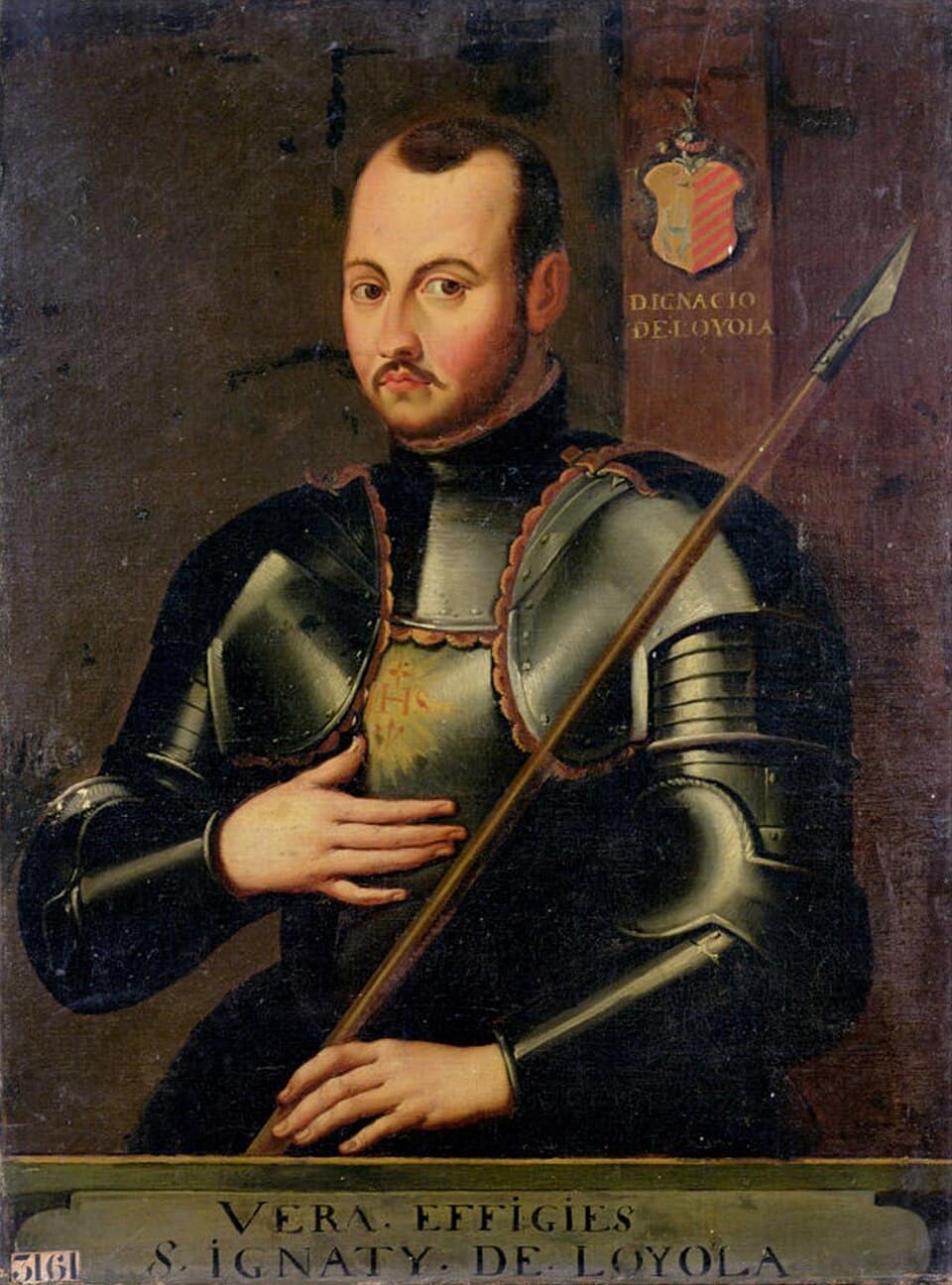
Two twelve-year-old students visit an old stone house in Rome that morning. In a small, barely furnished cell, a man with a stiff leg awaits them, with a gentle smile. It is Ignatius of Loyola, the founder of the Society of Jesus, who agrees to answer all their questions.
—Is it true that a cannonball changed your whole life?
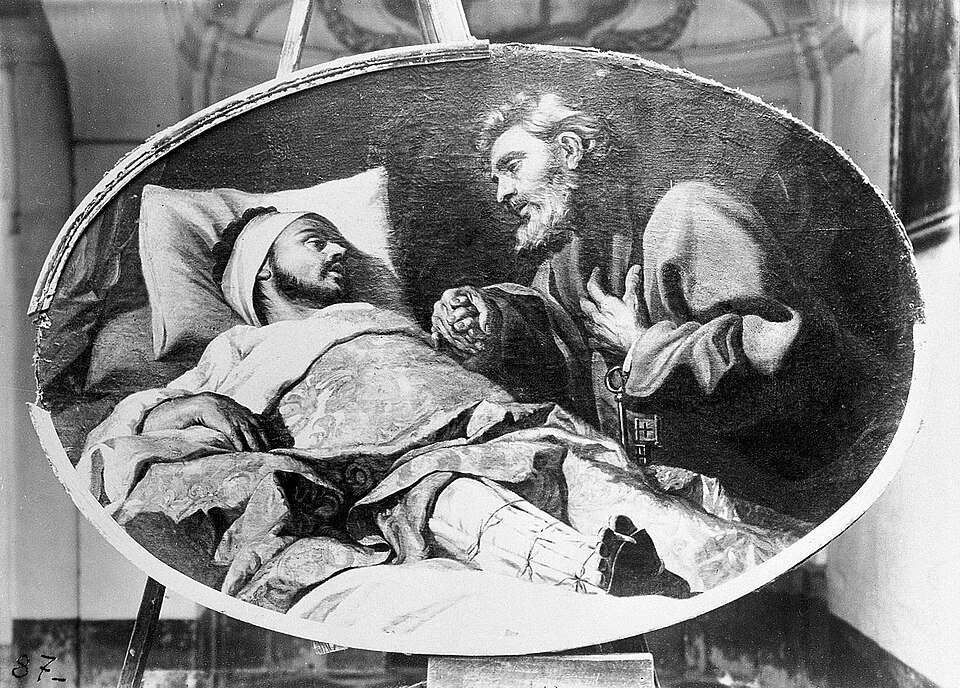
Yes, my child, and in the silliest way possible! I was thirty years old. I was fighting at Pamplona, in 1521, as proud as a peacock in my armor. A cannonball came and shattered my leg. Imagine the pain, and those long months stuck in bed, at the castle of Loyola where I was born. I was bored! I asked for chivalric romances, stories of swords and princesses. But in my family's library, there were only lives of saints and a life of Christ. So I read them, for lack of anything better. And you know what? Those books turned my heart around.
A cannonball broke my leg, but it mended my soul.
—Were you afraid of dying, lying there for months?
At first, I was mostly afraid of limping forever. Imagine: I was a soldier, I wanted to please, to look elegant. They even broke the bone again on purpose to make it straighter, without anything to numb the pain. I gritted my teeth. But while my body slowly healed, something else was happening. I dreamed sometimes of glory and battles, sometimes of walking like the saints, barefoot, to serve God. Those dreams didn't have the same effect on me. You see, it was in that bed, unable to do anything, that my real life began.
—How did you know whether an idea came from God or not?
Ah, that's the big question! I discovered it on my own, in my bed. I noticed something strange. When I dreamed of exploits, glory, beautiful ladies, I was joyful at the moment. But afterward, I felt empty and sad. When I dreamed of serving God, it was the opposite: a peace that remained, for a long time, like a warm ember. So I told myself: we must listen to the traces that thoughts leave in us. That's what I call the discernment of spirits, the heart of my little book, the Spiritual Exercises. Learning to recognize what leaves us in peace.
A good thought leaves a lasting peace; a bad one, a fleeting joy.
—What exactly was that little book of exercises?
It's not a book you read like a story, you know. It's more of a guide, like a coach who tells you what to do each day. I wrote it after my injury, partly in a cave near Manresa, in Catalonia, where I lived almost like a hermit. For four weeks, you stop, you pray, you look at your life in silence. You imagine scenes, you examine yourself in the evening: what did I do well, what did I miss? Imagine a great cleaning in your heart, to see clearly. Many have done it after me. It's the work I am most proud of.
—Were you all alone, or did you have friends to help you?
Oh, I could have done nothing alone! After my recovery, I understood one thing: to serve well, I first had to study. So, at almost forty, I went back to school with kids, in Paris. There, I shared a very simple room on Rue Saint-Jacques with two students. One was named Francis Xavier, a fiery boy, the other Peter Faber, very gentle. At first, Francis made fun a bit of this old student that I was. And then friendship came. They became my first companions. Together, we were going to change many things.
You don't save the world alone: you need companions.
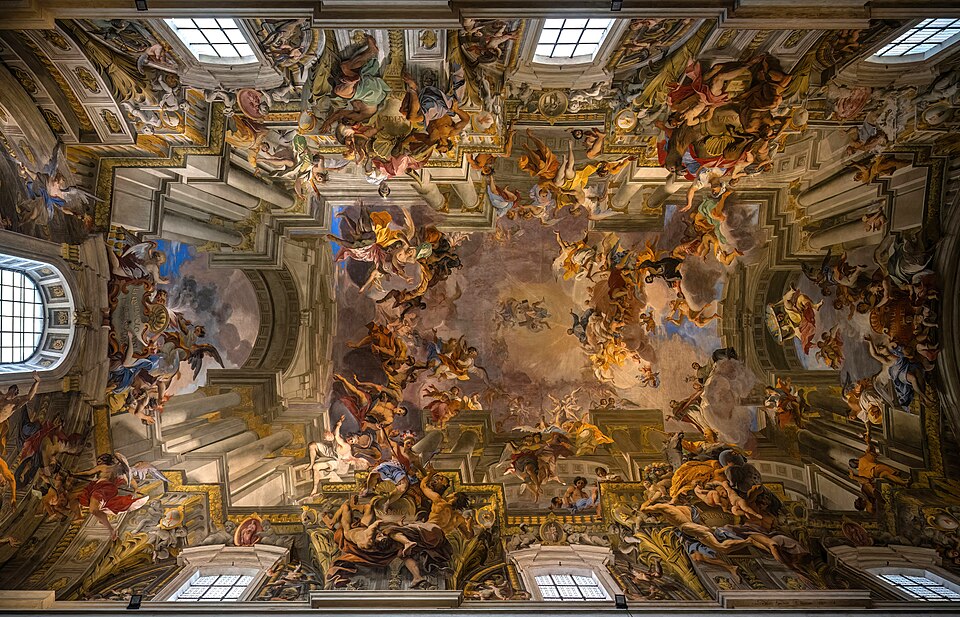
—And that famous oath on the hill, how did it happen?
It was a beautiful summer day, August 15, 1534. We were seven, young and a little crazy with hope. We climbed the hill of Montmartre, in Paris, to a small chapel dug almost underground. There, together, we made our first vows: to live poor, to serve God, and to go as far as Jerusalem if possible. Imagine seven friends promising each other in a low voice to give everything for an ideal. We had no money, no official order, no name yet. Just a promise. Six years later, that promise would become the Society of Jesus.
—Once in Rome, what did you spend your days doing?
I governed the world from a tiny room! Don't laugh, it's almost true. My cell in Rome was minuscule: a cot, a desk, a cabinet for papers. In the morning, I prayed before dawn and read the news from my companions who had gone very far, even to the Indies. In the afternoon, I dictated letters to my secretaries, sometimes twenty in a day! My leg hurt, my stomach too, but I wrote constantly. In total, nearly six thousand eight hundred letters. A pen and paper, you see, that was my army.
A pen and paper, that was my army.
—If you prayed so much, why work so much on top of that?
Excellent question, and many have asked me that! Some think you only have to pray and wait for God to do everything. I didn't think that way. I liked to repeat this idea to my companions: "Work as if everything depended on you, and pray as if everything depended on God." You see the cleverness? Both, fully, at the same time. Imagine a rower: he prays for the wind to help him, but he still rows with all his might. That's why my Jesuits were not cloistered monks. They went out to teach, heal, travel. The world was their monastery.
—Why did you create a whole order on purpose, with rules?
Because my time was torn apart, my child. In 1517, a monk named Luther had accused the Church of many faults, and Christian Europe was breaking in two. Many people were lost, not knowing what to believe anymore. I wanted a faithful, disciplined troop, ready to go anywhere to help the Church. The word company actually comes from soldiers' language: I, the former soldier, kept a taste for order. In 1540, the Pope approved all this with a sealed document, a bull. Our Society of Jesus was born, ready to serve.
My time was breaking in two: a faithful troop was needed to sew it back together.
—Your schools, were they for teaching reading or for defeating Luther?
Both went together, you see! I had realized one simple thing: to help people, you had to educate them. A well-formed mind resists lies better. So, in 1551, in Rome, I founded a great college where one could study for free, even without being rich. Imagine poor children sitting next to the sons of nobles, learning Latin, science, faith. That college had many offspring: soon hundreds of Jesuit schools everywhere. I believe the light of knowledge was my best weapon. Much better than a sword.
This imaginary interview was generated by artificial intelligence from sources documented in Ignatius of Loyola's profile. It dramatises what the figure might have said based on what we know about them, but does not constitute attested historical testimony. For primary sources and factual documentation, refer to the full profile.