Imaginary dialogue between Joseph Banks and James Cook
by Charactorium · James Cook (1728 — 1779) · Exploration · 5 min read
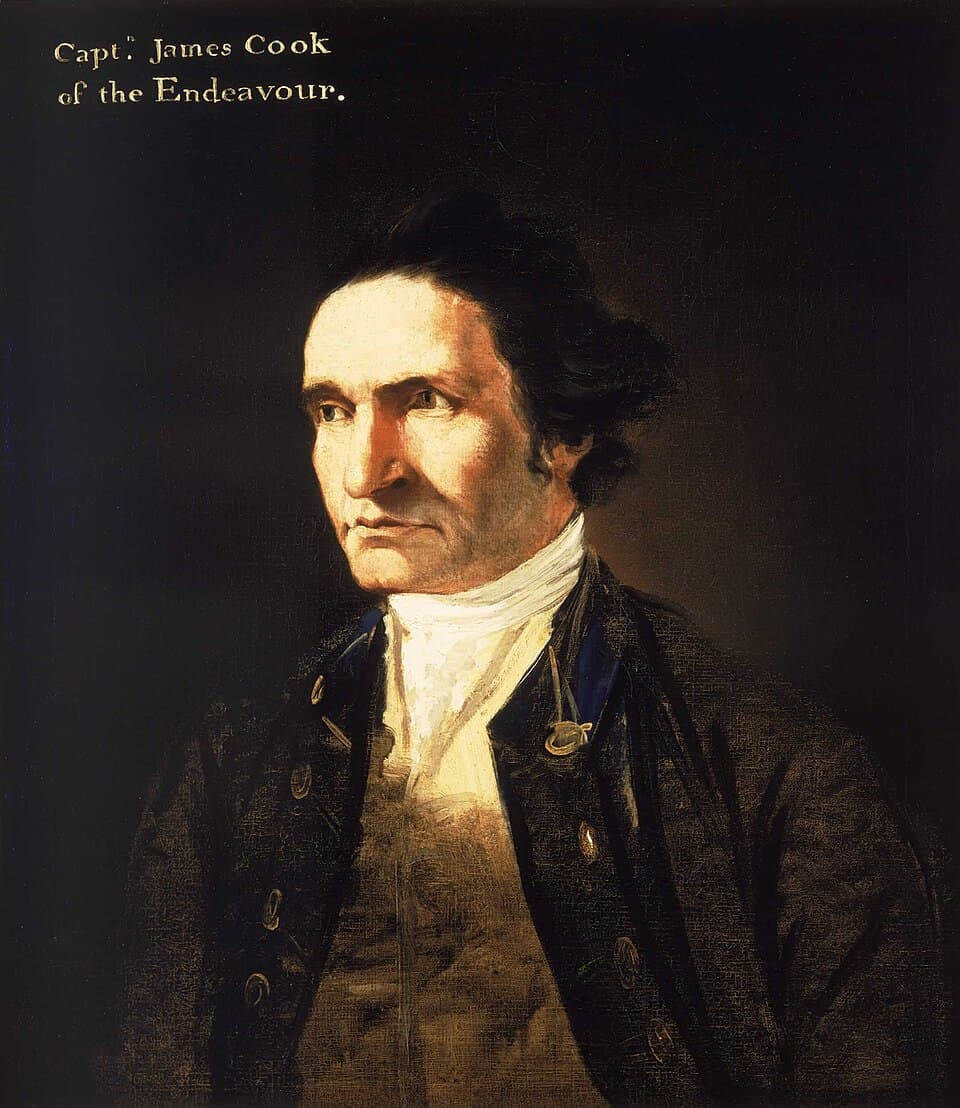
It is in the study on New Burlington Street, in London, in this month of March 1776, that I meet my old companion from the Endeavour. Around us, the plants I brought back from Botany Bay are still drying, and the scent of pressed herbariums mingles with that of tea. The Resolution is about to set sail for a third voyage on which I will not accompany him — so before his departure, I want to hear him speak one last time about the man as much as the navigator. He, James, sips his tea without ceremony, just like on board when we shared the same chart table.
—James, do you remember, at Tahiti, after the transit of Venus — those sealed orders from the Admiralty that you opened in front of me. What did they really impose on you?
You were there, Joseph, and you know how carefully I weighed every word of that envelope. Astronomy was only half of my task: once Venus was recorded, I was to sail south in search of that Terra Australis Incognita that our geographers placed on their maps out of pure love of symmetry. A scientist's mission and a conqueror's mission sewn into the same fold — that is what the Admiralty expects of us. I understood that day that my sextant would serve two masters: knowledge and the Crown. I never liked being sent to plant flags, but I always liked being sent to chart coasts that no one had ever drawn.
My sextant would serve two masters: knowledge and the Crown.
—Did you have faith in that southern continent when we set course away from the Society Islands?
Frankly, no. I have sounded and surveyed too much to believe in lands dreamed up from an armchair in Europe. But an order is an order, and besides, I told myself: if it exists, better that I find it than someone else who would name it poorly. So we tacked south until the cold drove us back. I kept my journal every morning, as you saw me do, noting the slightest drift. Geography is not corrected with assumptions, my friend: it is corrected with sounding lines, measured angles, and a great deal of patience in bad weather.
Geography is not corrected with assumptions: it is corrected with a sounding line.
—Your maps of New Zealand are already authoritative in every Admiralty office. How do you achieve such accuracy where others grope?
There is no secret, only method and obstinacy. I take coastal angles with the sextant from the deck, then send the boats to sound every bay while I note the depth, the heading, the time. The whole afternoon goes by when necessary. For longitude, that devil of a problem that has sunk so many ships, I had on the second voyage a replica of Harrison's chronometer: a timekeeper that barely deviates, and which gave me east and west with incredible certainty. Before him, we sailed by dead reckoning, praying. A good chart, Joseph, is the life of every sailor who will come after you — that is why I never rush one.
A good chart is the life of every sailor who will come after you.
—You once charted the St. Lawrence before Quebec. Would you say that it was there, under the guns, that your craft as a cartographer was forged?
Without a doubt. It was before Quebec, in 1759, that I learned that a poorly surveyed coast kills more surely than an enemy. I sounded the river under fire, laid the beacons that allowed the fleet to advance and General Wolfe to land. When you have done that once, peacefully surveying a Pacific bay seems almost like rest. I climbed every rung from the coal of Whitby to the deck of a King's ship, and each survey taught me more than the last. The sextant, the bearing compass, the sounding line: these are my true weapons. A man of my rank does not rise by birth; he rises by accuracy.
A man of my rank does not rise by birth; he rises by accuracy.
—It is whispered that you were the first to cross the Antarctic Circle. What did you feel there, among the ice, where a continent was expected?
It was in January 1773, the Resolution and the Adventure forcing a passage between mountains of ice that cracked like cannon shots. No ship had ever gone so far south. We were looking for a habitable land; we found only cold, fog, and those impassable white walls. I pushed as far as prudence allowed, then turned back, my heart torn between disappointment and certainty. For I could finally write in my journal: if a southern continent exists, it lies against the pole, frozen, useless to men. I cleared the map of a ghost that had cluttered it for centuries. For a geographer, my friend, erasing an error is worth a discovery.
I cleared the map of a ghost that had cluttered it for centuries.
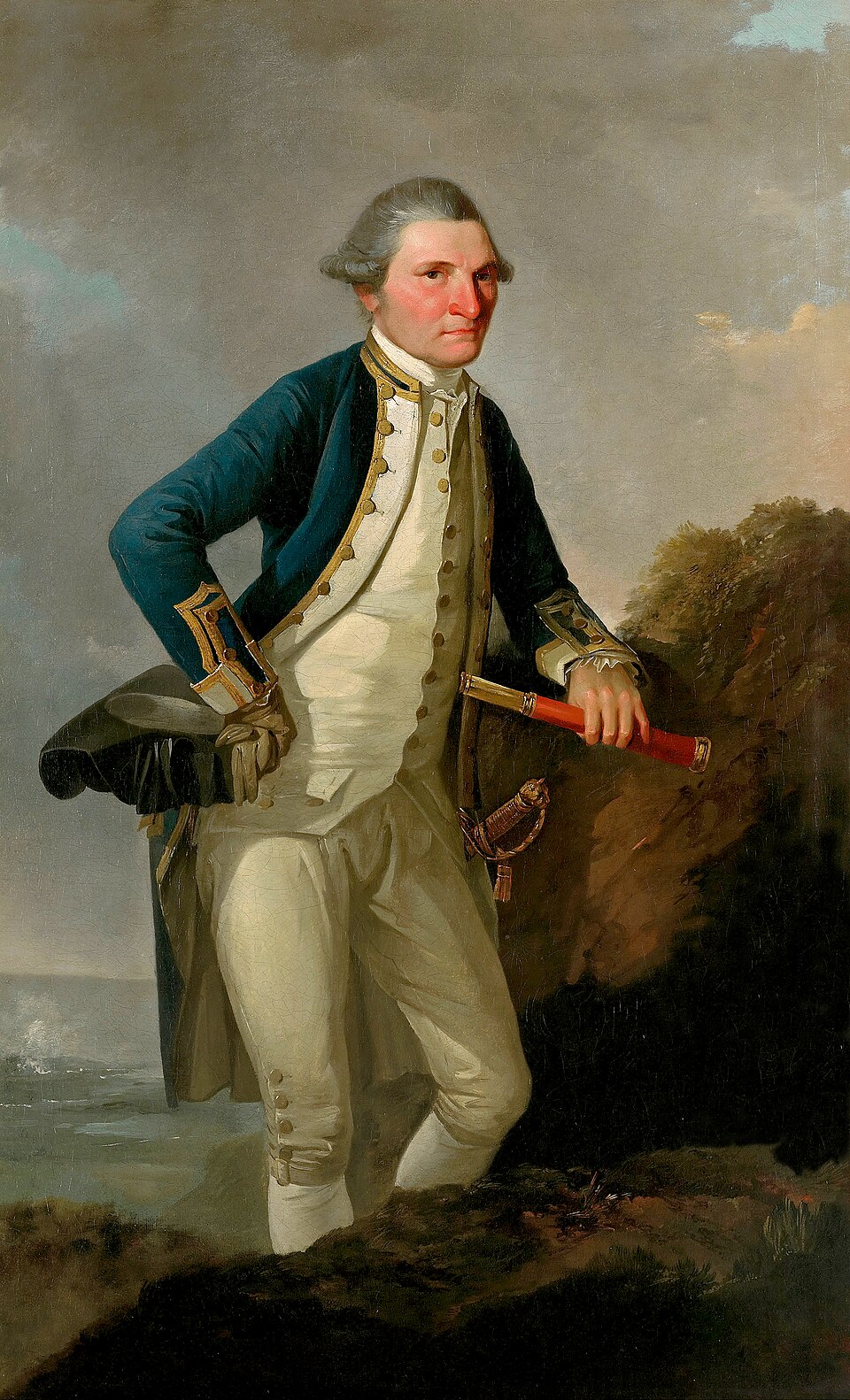
—Not a single man lost to scurvy on your last voyage, they say — you who treated us to sauerkraut on the Endeavour. What is your remedy?
Ah, the Sour Krout! You remember the crew's grimaces at that fermented cabbage. The secret is that a captain does not order a diet, he shares it: I ate it first at the officers' table, and soon the sailors demanded it out of jealousy. To that I add malt, citrus, and especially fresh provisions gathered at every stop — vegetables, greens, everything the land offers. Cleanliness on board, fresh air, dry clothes count as much as the table. The result, the Royal Society has just honored me with a medal this very year. But the real reward, Joseph, is bringing my men home alive when others bury half of them overboard.
A captain does not order a diet, he shares it.
—This obsession with your sailors' health — where does it come from? Few commanders care as much as you.
From what I have seen, quite simply. I have known ships where scurvy rotted the gums and knocked out the teeth of the strongest lads, where every week a man was sewn into his canvas. I swore that on my ships this would not happen. Charting coasts, calculating longitudes — all that is worth nothing if the crew does not last the voyage. I attend to hygiene in the evening as I attend to my charts: it is the same duty. They think me harsh — I am harsh on discipline regarding linen and rations. But a well-fed, well-washed man is a man who will return to kiss his wife. That is my accounting.
Charting coasts is worth nothing if the crew does not last the voyage.
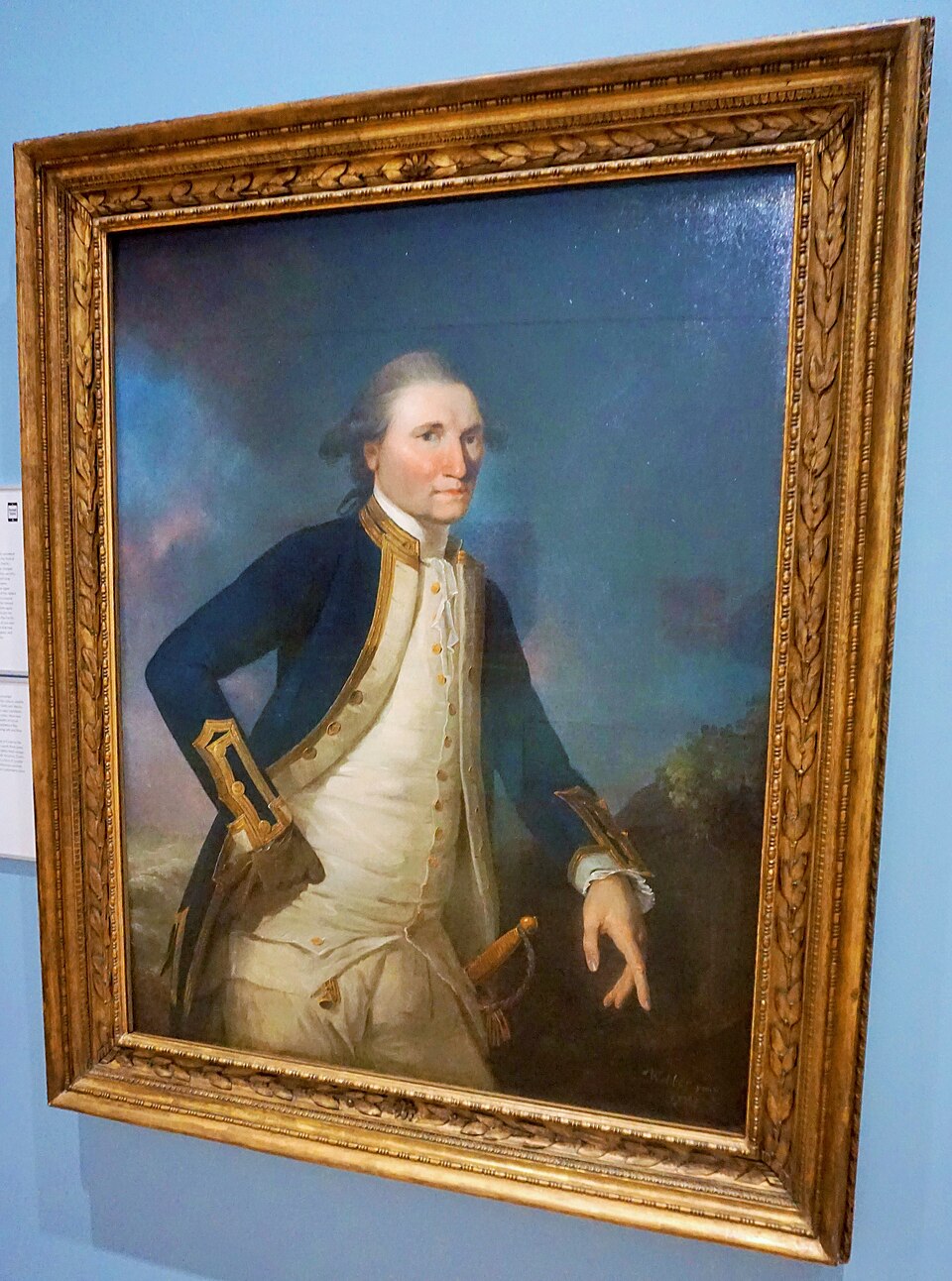
—You are leaving soon for unknown islands. You who have approached so many inhabited shores, how does the encounter unfold when the stranger emerges from the sea?
It is the most delicate moment of any voyage, more than reefs or storms. When we anchor before a new land, we are apparitions to those peoples: our sails, our cannons, our clothes seem from another world, and sometimes they receive us almost as more than men. That flatters, but it worries, for what is taken too high falls all the lower. Everything can tip over a trifle — a missing tool, a stolen boat, a misunderstood gesture. I have seen blood spilled for less. So I strive for patience, for exchanges, for gifts, knowing that we are the guests and not the masters of these shores.
What is taken too high falls all the lower.
—Do you fear, James, that one of these misunderstandings might one day turn against you, so far from all help?
I would be foolish not to think of it. A commander who goes ashore on a foreign beach puts his life in the balance, and no flag protects him there. I try to keep my men in check, for nine quarrels out of ten arise from our side: a musket aimed too quickly, a sailor's grudge. But the sea is made so that it promises return to no one. Nevertheless, I depart, because there remains in the far north of the Pacific a passage sought for two centuries, and my duty is to go see if it exists. If I must fall, let it be at least one more coast added to the chart. The rest, Joseph, is not in our hands.
The sea is made so that it promises return to no one.
—One last thing, my friend: will our names remain linked to this adventure of the Endeavour, do you think, or will the sea erase everything?
Who can say? It is not names that endure, it is charts. You filled crates with plants that no European botanist had ever seen; I traced coasts that will guide sailors long after we have left this world. That is what we leave: not our glory, but the work done honestly. I return to Mile End to find Elizabeth and the children between voyages, and I tell myself that it is enough to have served knowledge without lying about a single depth. The memory of men is capricious, Joseph; an accurate survey never betrays the one who trusts it.
It is not names that endure, it is charts.
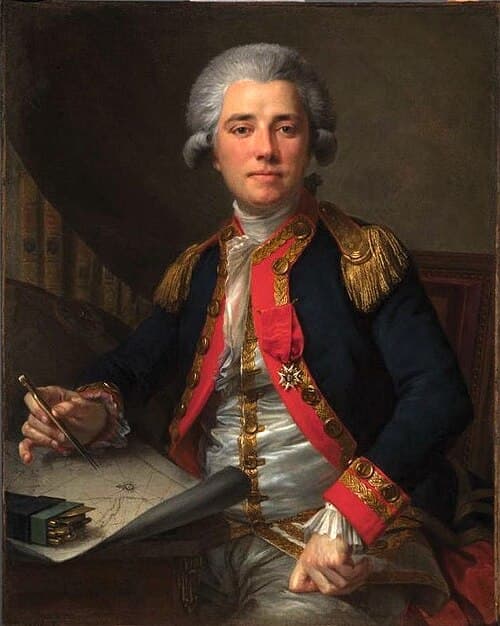

This imaginary interview was generated by artificial intelligence from sources documented in James Cook's profile. It dramatises what the figure might have said based on what we know about them, but does not constitute attested historical testimony. For primary sources and factual documentation, refer to the full profile.