Imaginary interview with Jason
by Charactorium · Jason · Mythology · 5 min read
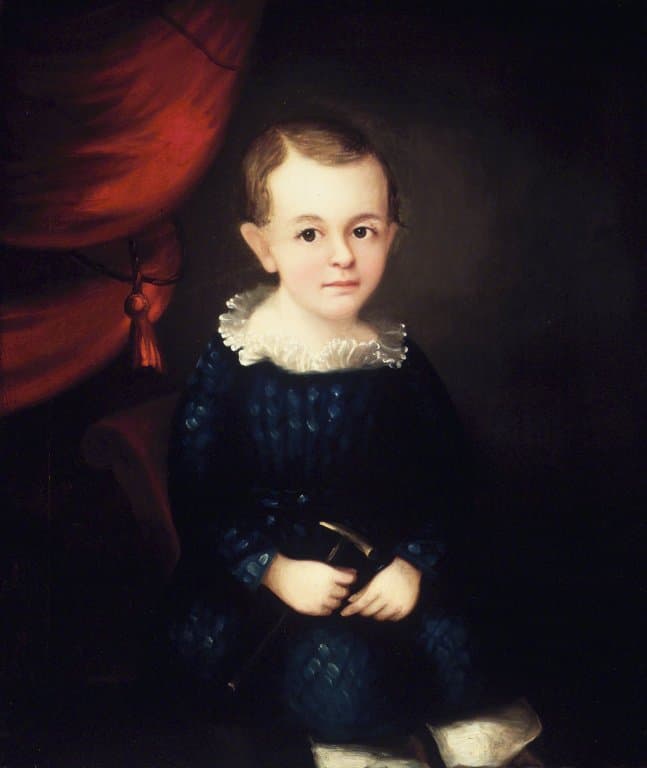
On a beach in Thessaly, in the shadow of a ship's carcass bleached by salt, an aging man agrees to speak. He was the most illustrious of captains, the one who brought back the Golden Fleece and the fatal love of Medea. A meeting with Jason, leader of the Argonauts, at the hour when glory becomes memory.
—How were your early years, far from your father's palace?
I never knew the cozy cradle of a king's son. When my uncle Pelias seized my father Aeson's throne, I was entrusted as an infant to a creature half-man, half-horse: the centaur Chiron, in his cave on Mount Pelion. That's where I grew up, apart from men, among the oaks and the cold breath of the heights. Chiron taught me the art of drawing a bow, dressing a wound, reading the will of the gods in the flight of birds. A child raised by a forest creature learns differently: I was made a warrior and a sage in the same gesture. I believe every hero must first be an exile—for he who has nothing to reclaim never leaves.
Every hero must first be an exile — he who has nothing to reclaim never leaves.
—What happened when you came down to claim what was rightfully yours?
I returned to Iolcus with one bare foot—I had lost a sandal while carrying an old woman across a stream, and that woman was a goddess in disguise. Pelias recognized me by that: an oracle had warned him to beware the man with one sandal. He could not kill me before the people, so he trapped me more cleverly: he ordered me to bring back the Golden Fleece from Colchis, and thus win the throne. He thought he was sending me to certain death. But you do not refuse a trial when you have been raised to endure it. I accepted, and I knew that day that the road back would be much longer than the road there.
—How did you gather such a crew for a mission deemed impossible?
No man alone brings back the Fleece. We needed a ship unlike any seen before, and Argos built it—hence the name Argo, and ours, Argonauts. Then I sent the call across Greece, and they came: Heracles with hands that shatter, Orpheus whose lyre calms the waves, the twin Dioscuri. Fifty heroes, each a king or son of a god in his own land, and none must think himself above the others. Commanding such men is not giving orders: it is reminding them each dawn why they left their homes. I held the helm of an elite that Greece would never see gathered on a single hull again.
—What perils of that voyage still haunt your memory?
The Symplegades—two living rocks that crashed together on anything passing between them. We first released a dove; it passed the reef, losing only a tail feather. Then we rowed like the damned, and the Argo left behind only a splinter of its stern. Before that, there were the Harpies, creatures that fouled the table of a blind old king. And the stop at Lemnos, that island ruled only by women—we forgot the sea there longer than was wise. Each shore tested something different: strength, cunning, patience, and sometimes the sheer courage to leave when we were well off.
—In Colchis, King Aeetes imposed tasks on you that are said to be insurmountable. What were they?
Aeetes would not give up the Fleece; he promised it to me at the price of the impossible. First, I had to yoke two bulls with bronze hooves and fiery breath, then plow an entire field with them. And into those furrows, sow not grain, but dragon's teeth—and from each tooth sprang an armed man, rising from the earth to kill me. A mere mortal would have lost his life ten times over. I tamed the bulls, I turned the field under their scorching breath, and when the earthborn army rose, I threw a stone among them so they would slay each other. The Golden Fleece awaited me at the end of that blood-soaked field.
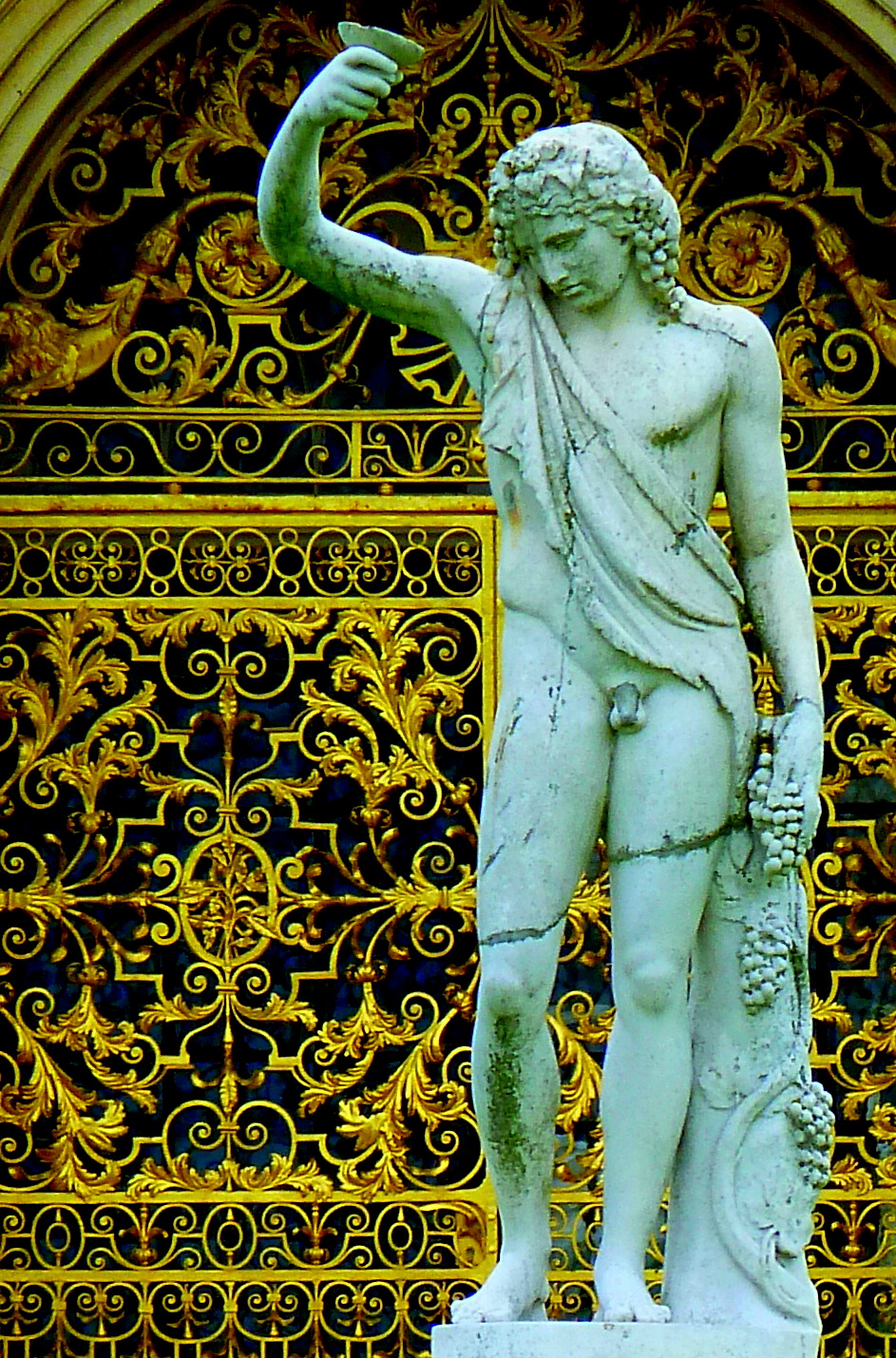
—What exactly did this Golden Fleece represent, that so many lives were risked for it?
It was not just an animal skin. The Golden Fleece was the hide of the ram Chrysomallos, the winged beast that once carried children across the sky to save them. It was kept in a sacred grove, hung on an oak, and a sleepless dragon coiled around it. To possess it was not to get rich: it was to hold in your hands the sign that the gods recognize a king. That is why Pelias demanded it—he knew no crown truly holds without it. When I finally took it down from the oak, heavy and warm like a setting sun, I understood what I was bringing back.
When I took it down from the oak, I understood that I was not bringing back a treasure, but a right.
—How did you obtain the help of Medea, the daughter of the king who wanted you dead?
I did not obtain it: she gave it to me, and that is quite different. Medea, daughter of Aeetes, a sorceress trained in herbs and words that bend the world, saw me and loved—the gods, they say, guided that arrow. Without her, the fire-breathing bulls would have turned me to ashes: her ointment made my skin immune to flame. She betrayed her father, left her Colchis, abandoned everything that made her a princess, to board the Argo at my side. I already knew the immense debt I was incurring. You do not buy such an alliance; you carry it, like a burden that grows heavier with the years.

—They say this alliance, sealed by marriage, turned to misfortune. What remains of it in your memory?
Our marriage was to seal victory; it also sealed our ruin. Medea had sacrificed everything for me, and the day fate separated us, her words fell on me like a sentence. She threw them in my face: 'I who left everything for you, Jason! I betrayed my father and my homeland to help you conquer the Golden Fleece, and this is how you reward me!' What could I answer to that? She spoke the truth. I had built my glory on her betrayal, and you cannot build a lasting house on a hearth another has left in flames. In this whole story, she was the one who paid the price for my vows.
—Once the Fleece was brought back to Iolcus, did you finally reign as you hoped?
I laid the Golden Fleece before Pelias as one throws proof in a liar's face. I had crossed the Black Sea, passed the clashing rocks, tamed fire—and I brought back the pledge that the gods had chosen me. But a throne is not retaken like a fleece taken from an oak. The crown I thought I held slipped from my hands; the intrigues that followed, especially Medea's, spilled blood that drove us from Thessaly. I learned too late: you can win the thing and lose the right to keep it. The returning hero is never received as he dreamed at the start—for the homeland, too, has changed during his absence.
—They tell a strange end for such a great hero. How does tradition tell it?
The Argo, my ship, the one that had carried me to the ends of the earth and brought me back alive—it was she who took me. Old, forgotten by the heroes I had led, I sat in her shadow on the shore, where her hull rotted, hauled ashore. A beam came loose from the stern and fell on me. That is how tradition says I died: crushed by the very wood of my glory. There is a truth in it that the gods love: the instrument of your greatness becomes the weight that breaks you. The ship that passed the Symplegades without being crushed crushed me, when it was nothing but ruin. An end befitting a man who never knew when to stop in time.
The instrument of your greatness becomes, in the end, the weight that breaks you.
This imaginary interview was generated by artificial intelligence from sources documented in Jason's profile. It dramatises what the figure might have said based on what we know about them, but does not constitute attested historical testimony. For primary sources and factual documentation, refer to the full profile.