Kids interview Joan Fontaine
by Charactorium · Joan Fontaine (1917 — 2013) · Performing Arts · Literature · 4 min read
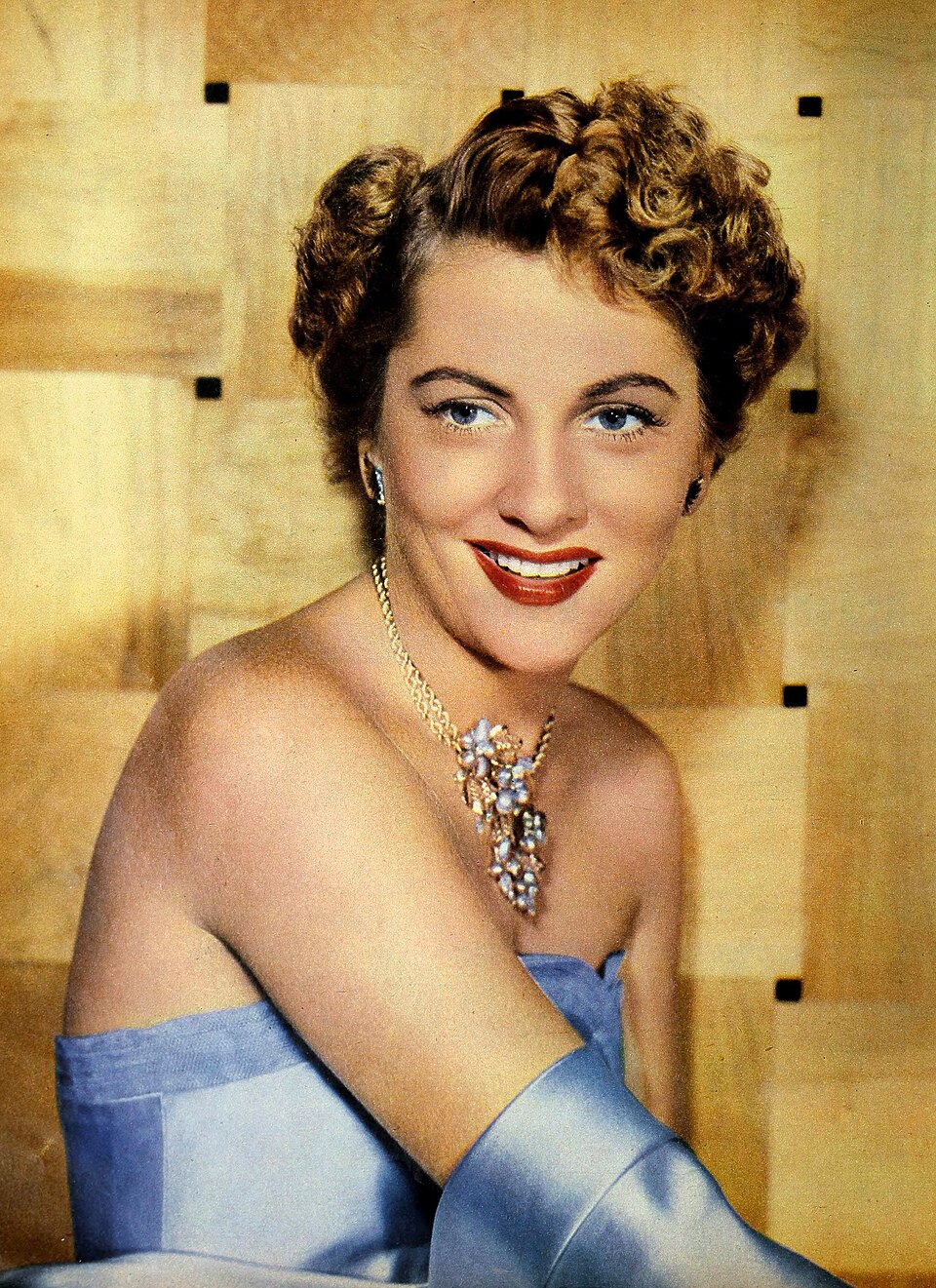
That morning, two young visitors from a school field trip pushed open the door of a quiet living room in Carmel-by-the-Sea. An elegant lady, with bright eyes despite her ninety-six years, invited them to sit. She smiled: no one ever asked her those questions anymore.
—Is it true you were born in Japan? How does an English actress get born in Tokyo?
Yes, my dear, I was born in Tokyo in 1917. It surprises everyone! My father was a British lawyer, a patent specialist — those papers that protect inventions. He worked in Japan. Imagine a huge city, very far from my parents' England, with streets and smells that nothing there reminded them of. I grew up later in California. So, in my life, I always had trouble saying where I really came from. English? Japanese by birth? American? A bit of everything, a bit of nothing. That question followed me to the end.
English, born in Tokyo, raised in California: a bit of everything, a bit of nothing.
—Why are you called Fontaine and not like your sister?
Ah, good question! Actually, my name was Joan de Beauvoir de Havilland. A name as long as a day without bread! But my older sister, Olivia, was already known in Hollywood under that name. You see, when you come after someone, you walk in their shadow. I wanted to be seen for myself. So I took Fontaine, my stepfather's name. That way, on posters, no one would think of my sister when reading my name. It was my way of saying: I build my own path, all alone.
I wanted to be seen for myself, not in my sister's shadow.
—What was a day like when you were filming a movie?
Oh, you wouldn't believe me! I arrived at the studio before dawn, around six in the morning. It was still dark. Then, hours in the dressing room: makeup, hair, fittings. Imagine sitting still while they touch your face constantly, before you've even played a scene! In the afternoon, we shot, over and over, the same scene ten times. In the evening, I was already studying my lines for the next day. In my time, big studios like RKO ran several films at once. We worked like in a dream factory. It was tiring, but I loved it.
—What is a studio contract? Couldn't you choose your films?
Exactly not, and that's important to understand. It was called the star system. You signed a contract with a single studio, for years, and they decided almost everything: your roles, your image, sometimes even what you should eat! You were weighed regularly. Imagine someone else choosing your job, your friends, your vacation for you. It was a bit like that. For Suspicion, the RKO bosses even wrote in a file that they had "reservations" about me — they doubted I was good enough. An actress was not quite free, my dear.
We worked in a dream factory, but we weren't really free.
—Is it true Hitchcock made you believe everyone hated you?
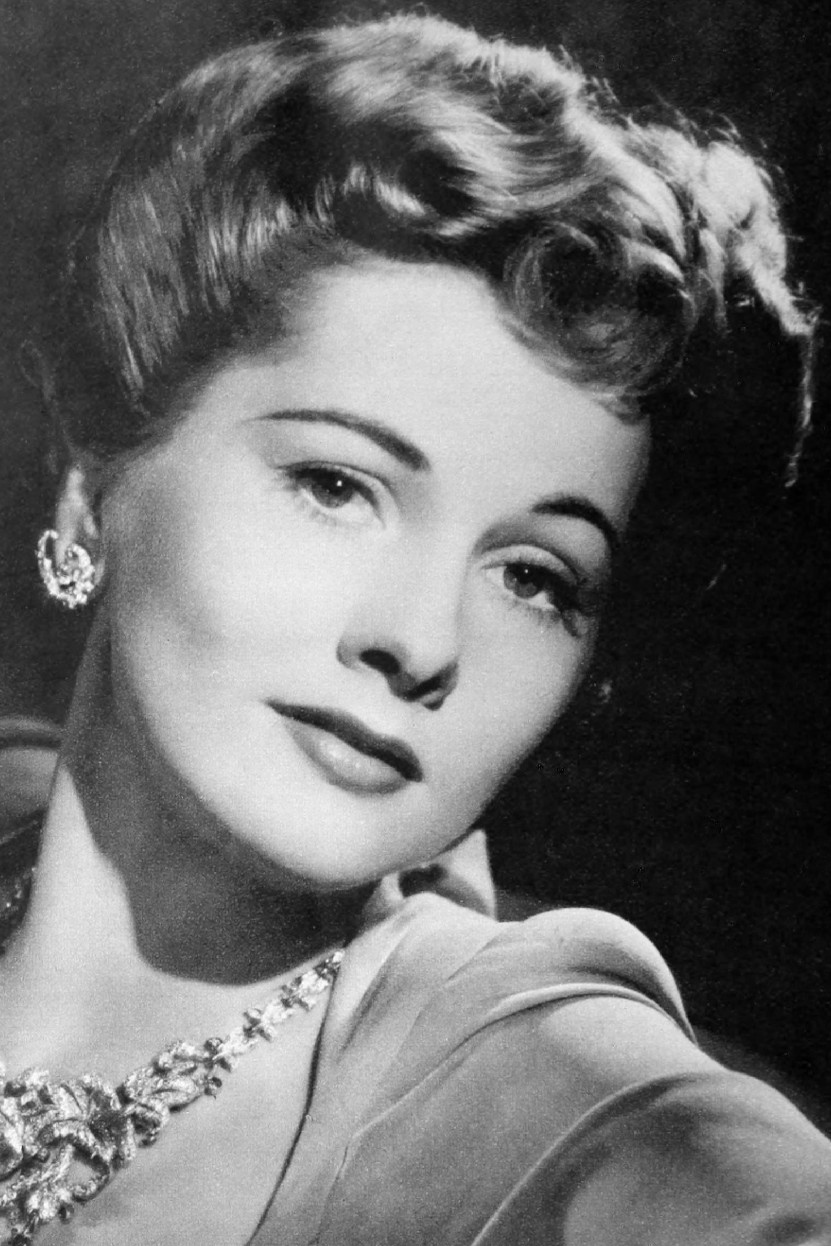
It's true, and you'll understand why. For Rebecca, in 1940, I played a shy, timid young woman who is afraid of everything. Alfred Hitchcock wanted that fear to be real. So he secretly told me that the entire film crew hated me. I believed him! My heart was tight in every scene. And in front of the camera, that fragility was sincere, not acted. Much later, I told a journalist: "It made my performance possible" — it made my acting possible. That was his way of sculpting an actress.
He made me believe they hated me, and my fear became real.
—Weren't you angry at him? That's mean, isn't it?
I could have been, yes! But you know, with time, I understood his idea. Hitchcock invented what we call suspense: he liked to manipulate nerves, those of the audience as well as those of the actors. For him, fear was a tool, like a brush for a painter. In an interview, I said he understood how to use fear — that was his genius. The most surprising? At first, he didn't even want me for Suspicion! He preferred another actress. And yet, that role changed everything for me.
—How did you feel the night you won your Oscar?
Ah, that night in 1942! I had won the Oscar for Best Actress for Suspicion. The Oscar is a gilded statuette, the highest award in American cinema. Imagine holding that small heavy trophy in your hands, with hundreds of eyes fixed on you. My heart beat very fast. But there was a difficult detail: my own sister, Olivia, was nominated the same year, in the same category. I had won against her. It was my greatest triumph and, at the same time, the beginning of a wound between us. Joy and sadness in the same evening.
My greatest triumph and the beginning of a wound, in the same evening.
—Did you argue with your sister because of that?
Yes, my dear, and it lasted for decades. They say that on the night of my Oscar, Olivia turned her back on me after the ceremony. True or legend? A bit of both, no doubt. We were the only sisters, in all of film history, each to have won the Best Actress Oscar. Can you imagine? Two sisters, two statuettes, and yet unable to speak to each other. Later, I told everything in my memoir, No Bed of Roses. Writing was my way of understanding that rivalry that I never really healed.
Two sisters, two gilded statuettes, and yet unable to speak to each other.
—Which film are you most proud of?
Many would say Suspicion, because of the Oscar. But I'll tell you a secret: my dearest role is Letter from an Unknown Woman, in 1948. I played a woman hopelessly in love with a pianist who never remembers her. He crosses her path several times in his life, and each time, he forgets her. Imagine loving someone with all your heart, and remaining invisible to them. The film is set in an old, melancholic and beautiful Vienna. I wore long silk dresses. It was called a melodrama: a story full of emotion and tears. Critics said it was my finest acting.
To love someone with all your heart, and remain invisible to them.
—If people saw you today, what would you want them to remember about you?
What a lovely question to end with. You know, people remember the gilded statuette, the rivalry with my sister, the Hitchcock films. That's fine. But I would like them to remember something else. I was a woman who read, who thought, who wrote her own book on a typewriter, alone. An actress is not just a pretty face on a poster. So if you remember one thing from our meeting: never judge someone only by the image they show you. Behind every character, there is a real person who doubts, loves, and seeks their path. Like you.
Never judge someone only by the image they show you.
This imaginary interview was generated by artificial intelligence from sources documented in Joan Fontaine's profile. It dramatises what the figure might have said based on what we know about them, but does not constitute attested historical testimony. For primary sources and factual documentation, refer to the full profile.