Kids interview John Locke
by Charactorium · John Locke (1632 — 1704) · Philosophy · Politics · 5 min read
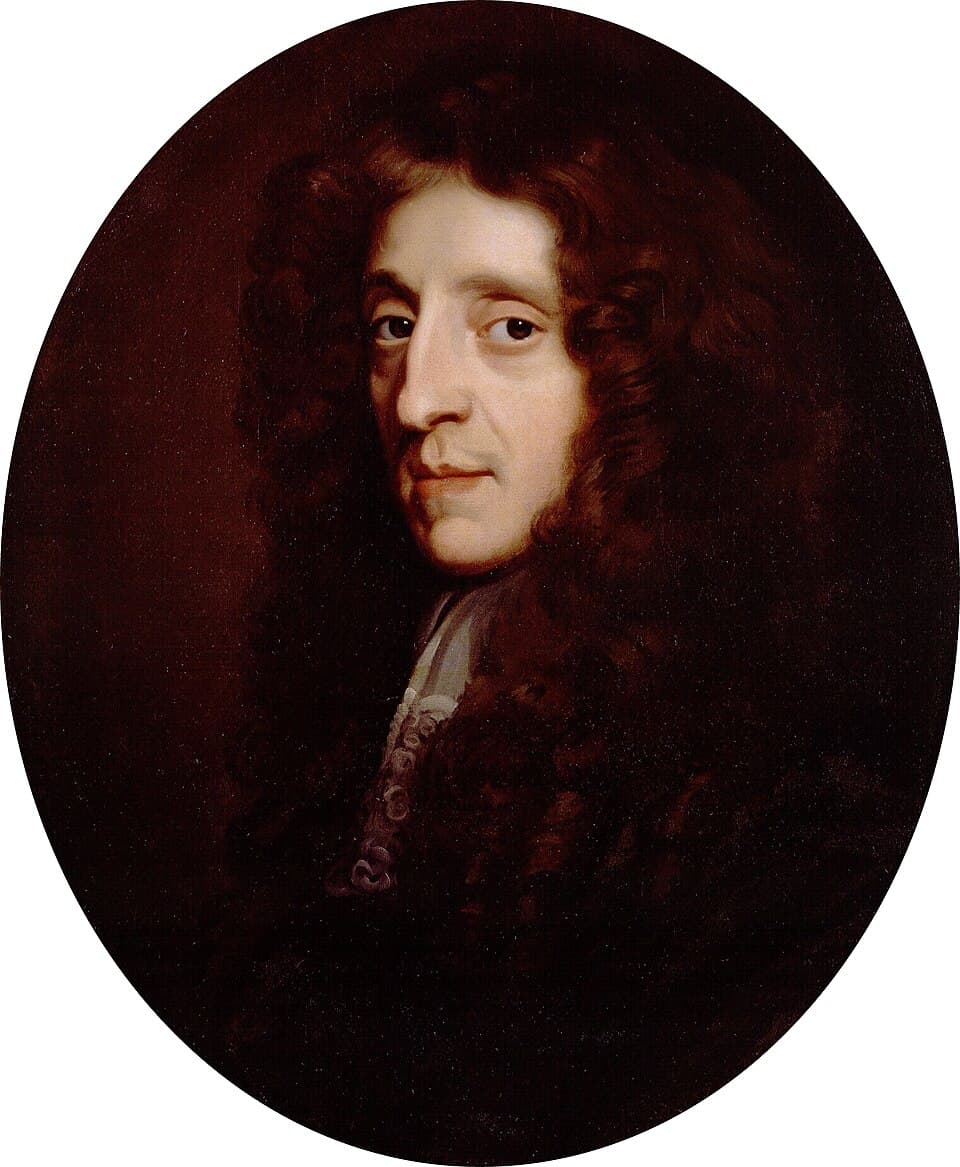
That morning, two young visitors on a school trip push open the door of an old English country house. An elderly gentleman, with a gentle, tired gaze, awaits them by the fireplace. It is John Locke, and he has agreed to answer all their questions.
—Is it true that before being a philosopher, you were a doctor?
Yes, my child, it is true! Many forget that. At Oxford, I studied medicine alongside philosophy. I had a little kit, a lancet, instruments for healing. Picture a young man bent over the sick, in an age when almost nothing was known about the human body. We learned by watching, by touching, by trying. And you know what? That taught me my greatest idea: we only truly know what we observe with our own eyes. My work as a doctor made me a philosopher. I trusted experience, never the beautiful theories recited without verification.
My work as a doctor made me a philosopher.
—Did you really save the life of a great lord?
Yes, and that story changed my entire life! My friend the Earl of Shaftesbury had a large pocket of fluid in his abdomen, near the liver. It was very dangerous. Other doctors were afraid. I dared: I oversaw an operation to drain it. Imagine the tension in the room, with nothing to ease the pain as we can today in my time. Well, he survived! From that day on, he trusted me completely. He opened the doors of the circles of power in London for me. A surgeon's lancet led me to the mighty of England.
—Were you afraid of being arrested because of your ideas?
Oh yes, I was afraid. In 1683, the king believed I was involved in a plot against him. Whether guilty or not, in those days, you could end up in prison, or worse. So I fled. I crossed the sea to hide in the Netherlands, in Amsterdam and then Utrecht. Imagine five long years away from home, sometimes changing names, jumping when someone knocked at the door. But you know, that fear also protected me from something else: idleness. There, in secret, I wrote my greatest books. Holland tolerated ideas that were persecuted elsewhere. It was in exile that I was most free.
It was in exile that I was most free.
—How did you return home after all that time?
Ah, that is a beautiful memory! In 1688, everything changed in England. The old king was driven out without a battle, almost without a drop of blood. They called it the Glorious Revolution. And I, the exile, could finally return. Guess which ship I boarded? The one bringing back the future queen, Mary II! Imagine a fifty-seven-year-old man, heart pounding, seeing the shores of his country again after five years away, on a queen's ship. I was exhausted, my health was fragile, but I was happy. The time for silence was over. The time for publishing had begun.
—What is your idea of the mind as a blank slate?
Come closer, I will show you. Take a brand-new slate, without any marks on it. That is what your mind looks like on the day of your birth: all clean, all empty. You are not born with any ideas already written on it. I called it the tabula rasa, which means 'blank slate' in Latin. So where do all your ideas come from? From experience! From everything you touch, see, hear, taste. Everything you experience leaves a mark on your slate. That is what I explained in my Essay Concerning Human Understanding. Right now, listening to me, you are filling your page. Isn't that wonderful?
You are born like a blank slate: it is experience that writes on you.
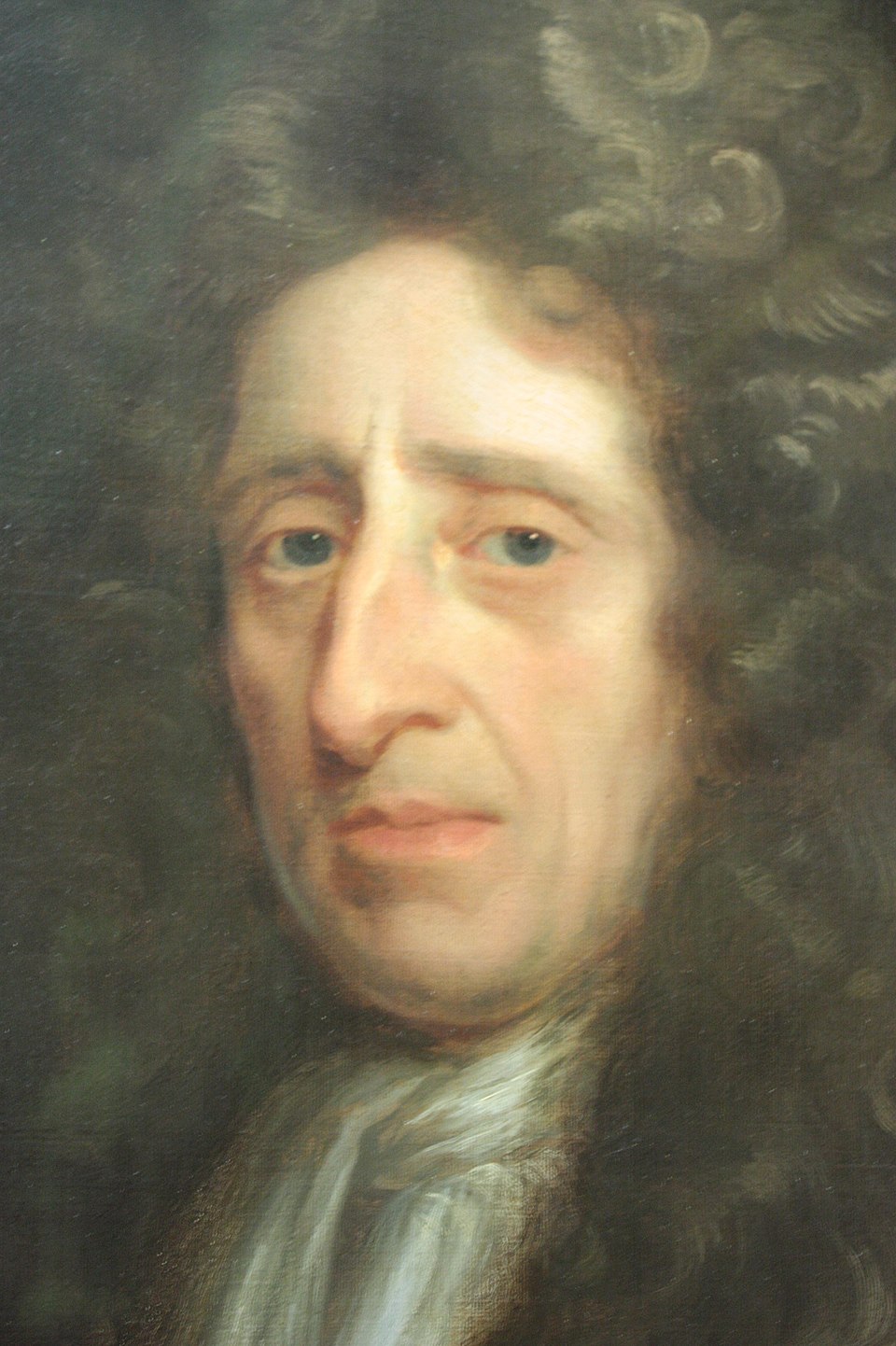
—But then, can everyone become intelligent?
What a beautiful question, my child! And my answer will please you. Since no one is born with a mind already filled, almost everything depends on what we learn. I even wrote that, of ten people we meet, nine become good or bad, useful or not, thanks to their education. Can you imagine? It is not blood or birth that decides. It is what you are shown, what you are taught to observe and reason. That is why I wrote Some Thoughts Concerning Education. A child helped to think for himself is worth a thousand times more than a child who recites without understanding.
It is not birth that makes you: it is education.
—Why did you say that people have natural rights?
Because I believe you possess precious things even before any law gives them to you. Your life, your liberty, and what belongs to you. No one granted them to you: you have them by nature, simply because you are a human being. I called these natural rights. And what is the purpose of government, then? Imagine a shepherd: his role is not to eat his sheep, but to protect them. For me, a good government exists only to safeguard these rights. I wrote it in my Two Treatises of Government: men unite above all to preserve what belongs to them.
Your rights do not come from the king: you are born with them.
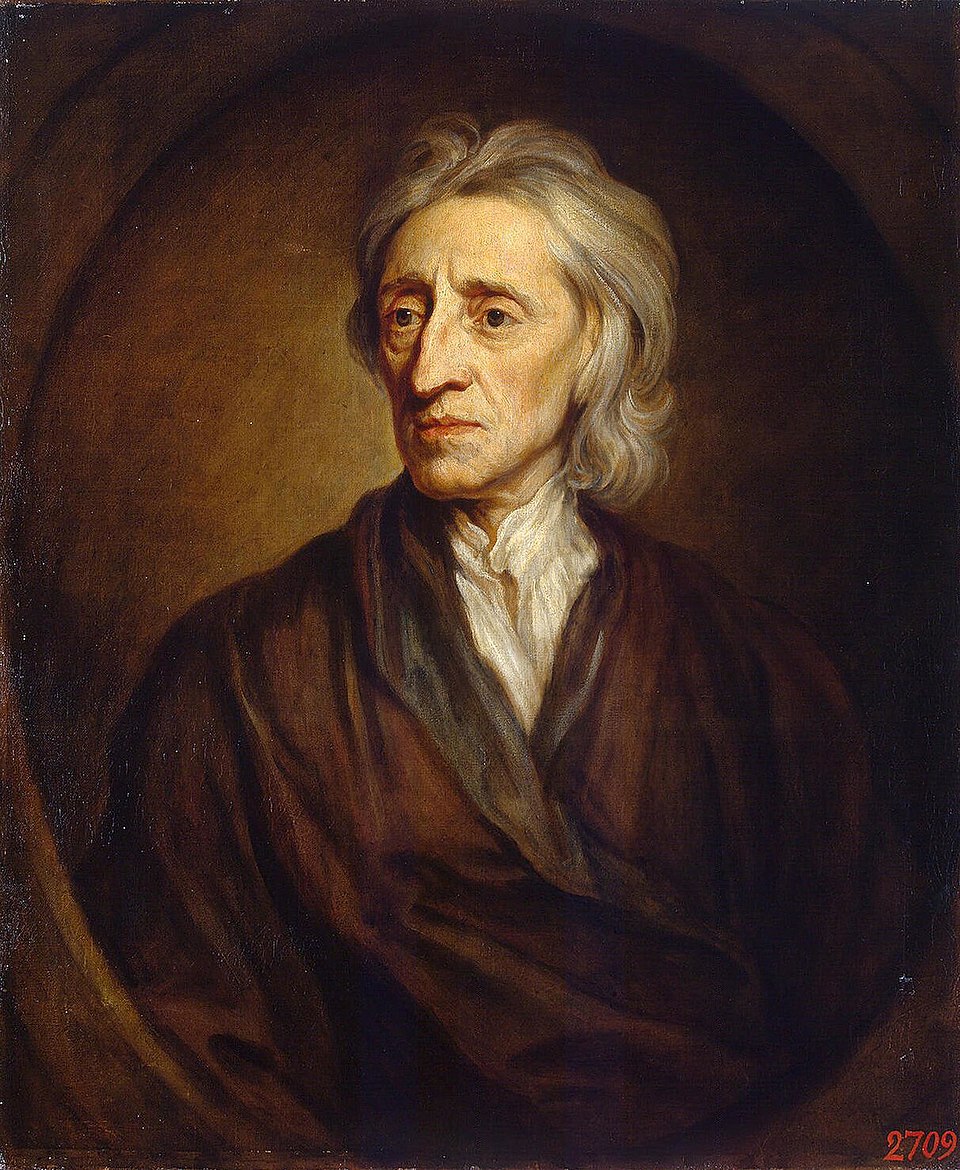
—And if the king becomes evil, do we have the right to rebel?
Now that is an idea that was very dangerous to say in my time! But yes, I dare to affirm it. If the power protects your life, liberty, and property, you owe it obedience. But if it begins to crush them, to become a tyrant who steals and oppresses you? Then it has broken the agreement. We called this agreement the social contract. When one side tears it, the other is no longer bound to respect it. The people then regain the right to resist. Can you imagine the courage it took to write that when there were kings? That idea traveled far, long after my death, all the way to revolutions across the ocean.
When power betrays the people, the people are no longer obliged to obey.
—You spoke of liberty, but is it true that you accepted slavery?
You ask the most difficult question, and I will not hide. Yes, it is true, and it follows me like a shadow. I was a shareholder in a company involved in the slave trade. And in 1669, I helped draft the laws of a colony, Carolina, which recognized slavery. How could a man who wrote about liberty for all do that? I will not give you an easy excuse. It is a contradiction, a real one, and you are right to point it out. Remember this lesson: a thinker can have great ideas and betray those very ideas. Judge men by their actions as much as by their words.
A man can write about liberty and betray it: judge actions as much as words.
—If someone saw you today, what would they notice first?
You make me smile with that question! First, you would see a frail old man. I cough a lot, I have asthma, and I wear small metal-rimmed glasses to read. You would notice my simple dark clothes: no big ridiculous wig, no gold, just a white shirt. Near me, always, a goose quill and an inkwell, for I write letters from morning to night. And then you would see books, everywhere, here at Oates where I end my days with friends. But the most important thing cannot be seen with the eyes: it is my ideas. They, my child, will not die with me.
My body is frail, but my ideas will not die with me.
Read further
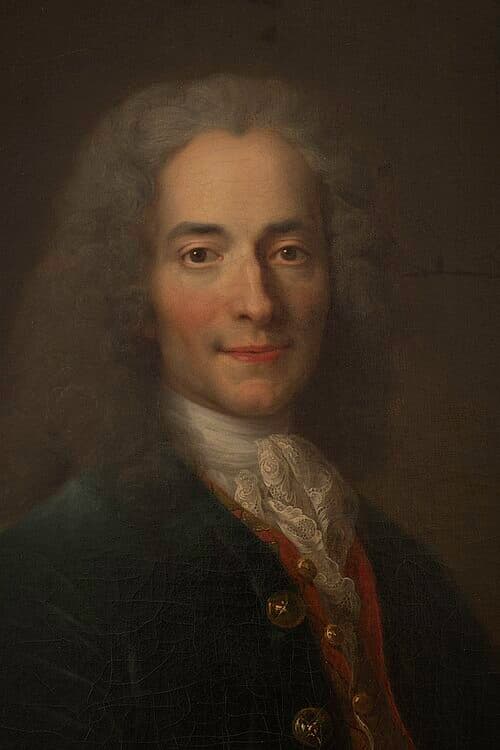
This imaginary interview was generated by artificial intelligence from sources documented in John Locke's profile. It dramatises what the figure might have said based on what we know about them, but does not constitute attested historical testimony. For primary sources and factual documentation, refer to the full profile.