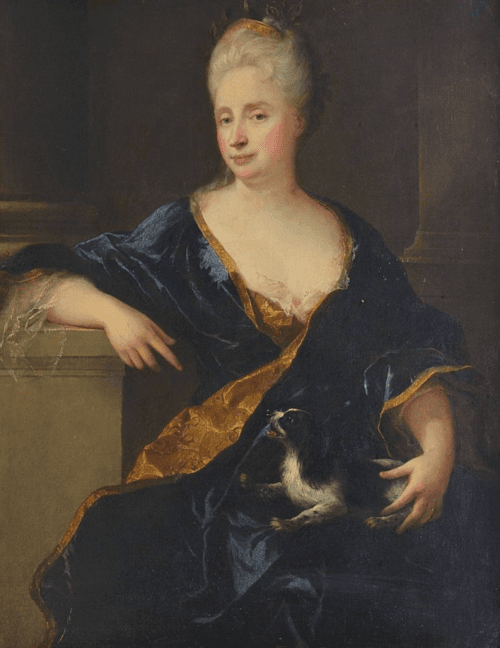
Imaginary dialogue between Damaris Cudworth, Lady Masham and John Locke
by Charactorium · John Locke (1632 — 1704) · Philosophy · Politics · 6 min read
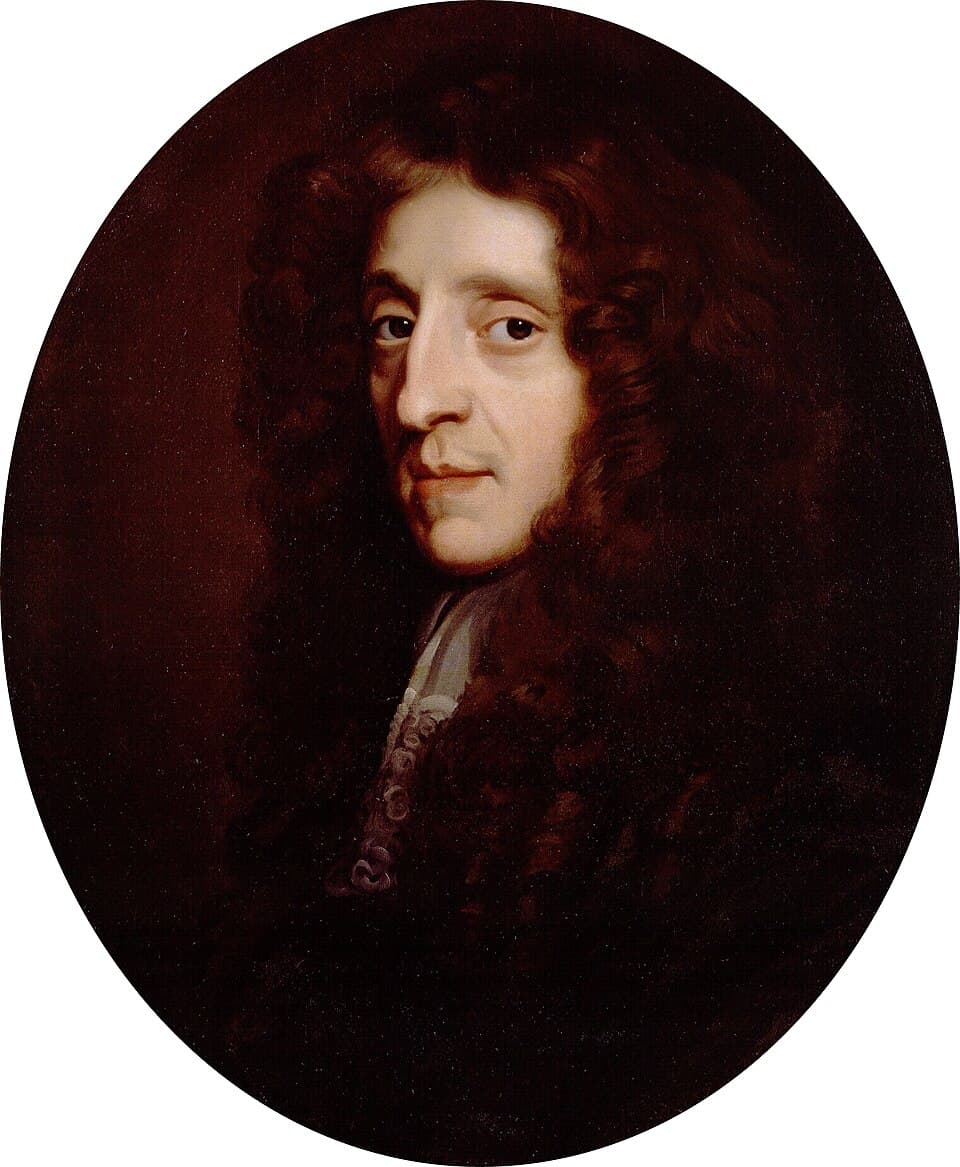
It is in the study at Oates, in late autumn 1703, that I find my old friend John Locke, settled near the window where the grey light of Essex falls upon his orderly papers. Asthma tires him, but his eye remains sharp, and the scent of the tea he loves still lingers between the laden bookshelves. It has been nearly twelve years that he has lodged under our roof, and our evenings of discussion have taught me to know the man behind the treatises. Today, I come as a philosopher as much as a friend, to draw out what he conceals from the public.
—John, you who have slept under my roof for so many years, tell me about those five years spent in Holland, when the king thought you a conspirator. What did you find there?
Ah, Damaris, you touch upon my most secret years. When I fled in 1683, after that unfortunate Rye House affair, I was but a suspected man, stripped of my name and my place at Oxford. But Amsterdam and Utrecht gave me what England denied me: silence to think. I lived there under false names, moving from one lodging to another, and it was in that solitude that I finally put to paper what I had been ruminating for twenty years. The tolerance of the Dutch was not a bookish idea for me: it was the air I breathed every morning. Without that exile, believe me, I would never have dared to write what I wrote.
Amsterdam and Utrecht gave me what England denied me: silence to think.
—They say you returned in 1688 on the same ship as Queen Mary. How did you feel when you saw the English coast again?
What a day, Damaris! Picture a man of fifty-six, banished for five years, who finally sees the cliffs of his country rise — and no longer as a fugitive, but in the wake of a princess come to take the crown. The sea was rough, the winter biting, but I was not cold. Everything I had defended in the shadows was coming to pass in the light: a king driven out without a drop of blood spilled, a Parliament reclaiming its rights. I felt that my manuscripts, until then hidden, could at last appear. That return was the beginning of everything I published afterward. Never was a man happier to set foot on land that had outlawed him.
No longer as a fugitive, but in the wake of a princess come to take the crown.
—Before the philosopher, there was the physician. Tell me about that operation that saved the Earl of Shaftesbury — you have so often hinted at it without telling all.
It's true that I speak little of it, and yet my pen owes much to my lancet. I met Anthony Ashley Cooper in 1666, and when a liver abscess threatened to carry him off, I dared what other physicians would not: to open and drain the cyst, leaving a silver tube to evacuate the infection. The audacity was great; the age deemed it reckless. But he lived, and for many years still. From that day, he considered me his friend as much as his physician, and opened the doors of government to me. See the strange thing, Damaris: it was by saving a body that I gained access to the affairs of state. My medicine was the antechamber of my politics.
It was by saving a body that I gained access to the affairs of state.
—You who love to debate with me by the fireside, explain to me again this idea that the mind is born empty, like a slate that nothing has marked.
Gladly, for no one presses me better than you on this point. Suppose, Damaris, that the mind of a newborn is like a white paper, void of all characters, without any ideas. Whence comes then that prodigious quantity of thoughts that man traces upon it? I answer in one word: from experience. All that we know comes to us first from the senses, then from the mind's reflection on its own operations. There are no innate ideas, engraved in us before we have lived — that is where I break with Monsieur Descartes and his disciples. Simple ideas arrive through the senses; complex ones the mind assembles itself. Take away experience, and you take away all knowledge.
Take away experience, and you take away all knowledge.
—Doesn't that blank page seem a bit cruel to you, John? What then becomes of what distinguishes an honest man from a wicked one?
Cruel? On the contrary, Damaris, I see in it the greatest of hopes. If nothing is engraved in advance, then nothing is fated: man is not condemned by his birth to be good or bad. I hold that, of all the men we meet, nine out of ten are what they are, good or evil, useful or not, by their education. That is why I have written so much on how to raise a child — not by the rod and forced memory, but by reason and the habit of virtue. You who think so finely, you know that a well-guided soul is worth all the gifts of the cradle. The page is blank, indeed, but it is up to us to write upon it with care.
If nothing is engraved in advance, then nothing is fated.
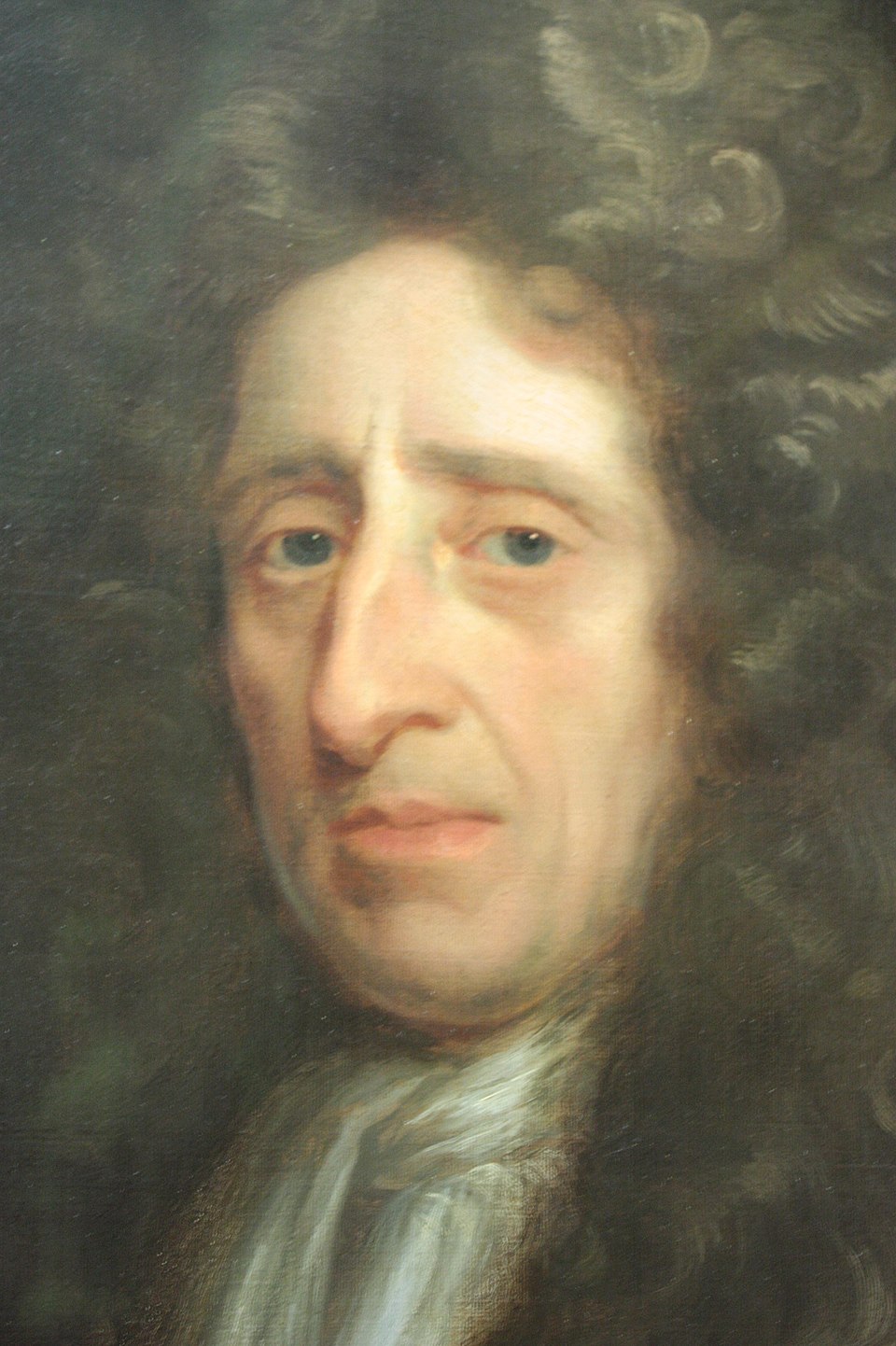
—You maintain that men give themselves a government for a specific purpose. What is it, and what becomes of that government if it betrays that purpose?
The great and chief end that men propose when they unite into communities and submit to a government is the preservation of their properties — by which I mean their lives, liberties, and estates. Before any human law, Damaris, these rights belong to us by nature. Man leaves the state of nature not to become a slave, but to better secure what he already possesses. Thus power is but a trust deposited by the people. If the prince turns against those he was supposed to protect, if he becomes a tyrant, then he himself breaks the pact, and the people recover the right to resist him. Legitimate power is never anything but a service; as soon as it becomes domination, it denies itself.
Power is but a trust deposited by the people.
—Your friends whisper that this Treatise is dangerous, that it arms revolt. Are you not afraid that it will be abused to overthrow all order?
I am reproached for this, and I understand it, Damaris, but it rests on a misunderstanding. I do not arm the revolt of humours and seditious men; I only say that a people is not bound to love its chains. Men do not rise up for light faults or for some clumsiness of their rulers — they endure long, by nature. But when a long train of abuses reveals a design to enslave them, then to resist is not disorder: it is to defend true order against the one who first violates it. The rebel, in truth, is the tyrant who puts himself outside the law. Think of what we have just lived through in 1688: it was not a crime, but a remedy.
The rebel, in truth, is the tyrant who puts himself outside the law.
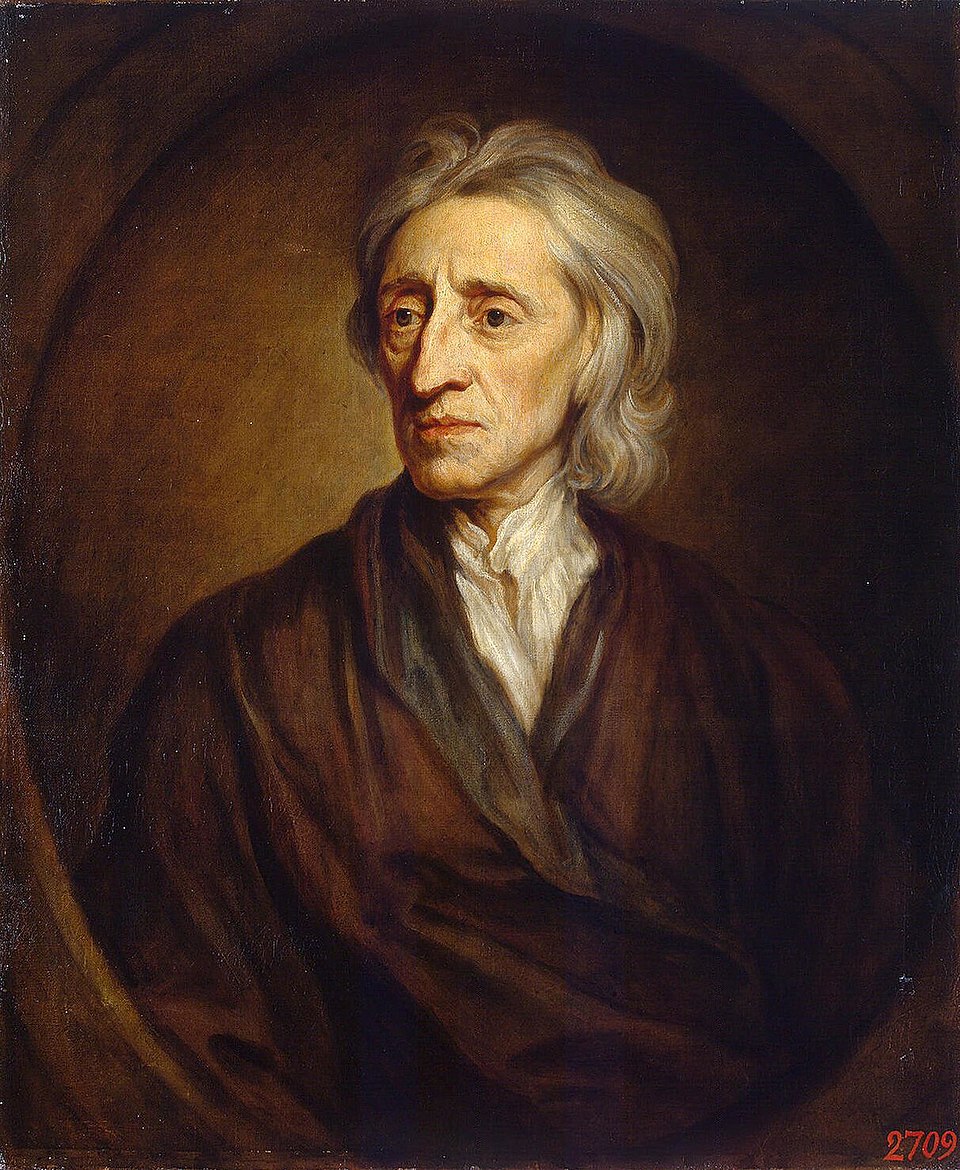
—My friend, I must ask you as a friend: how could the man who cherishes liberty so much lend his hand to the African Company and the laws of Carolina?
You pose there, Damaris, the question I most dread, and you are right not to spare me. Yes, I placed my money in the Royal African Company, and yes, in 1669, I held the pen for the Constitutions of Carolina, which granted a master power over his slaves. I will not offer you easy excuses: it was the work of a secretary in the service of his patrons and their interests in the colonies. But I know the objection you hold back: how can he who writes that every man is born free suffer this? I have no answer that fully satisfies me. There are contradictions a man carries without resolving them, and this one weighs on my conscience more than I say in public.
There are contradictions a man carries without resolving them.
—Your strength is failing, John, and I see it every evening. Do you regret having waited so long to publish, you who were already fifty-seven?
Regret? No, Damaris, I rather believe that everything came in its time. I carried the Essay Concerning Human Understanding and the Two Treatises in my drawers for nearly twenty years, taking them up, correcting them, not daring to deliver them. A more impatient man would have spoiled them. The exile was needed to mature them, and the Glorious Revolution to open up a world ready to hear them. That both appeared almost together, when I already had grey hair, does not grieve me: a fruit plucked too early has no flavour. And besides, you see, here at Oates, near you and your books, I was able to reread and amend them. I will die having said what I had to say. That is more than most men obtain.
A fruit plucked too early has no flavour.
—One last thing, my dear John. Of all the causes you have defended, which one lies closest to your heart this evening, by our fire?
By this fire where we have debated so much, Damaris, I think it is toleration that returns to me most tenderly. I have seen Europe tear itself apart in the name of God, and our king of France drive out his Protestants like game. I wrote that toleration is the chief distinguishing mark of the true Church: whoever persecutes his neighbour on religious pretext strays from the true faith itself. Persuasion belongs only to reason; to constrain consciences, never. If one thing is remembered of me, I would like it to be this — not a theory, but a way of loving those different from oneself. The rest, my treatises, my empiricism, are but paths to that same clearing.
Persuasion belongs only to reason; to constrain consciences, never.
Read further
This imaginary interview was generated by artificial intelligence from sources documented in John Locke's profile. It dramatises what the figure might have said based on what we know about them, but does not constitute attested historical testimony. For primary sources and factual documentation, refer to the full profile.