Kids interview Jonas
by Charactorium · Jonas (822 av. J.-C. — 719 av. J.-C.) · Mythology · 4 min read
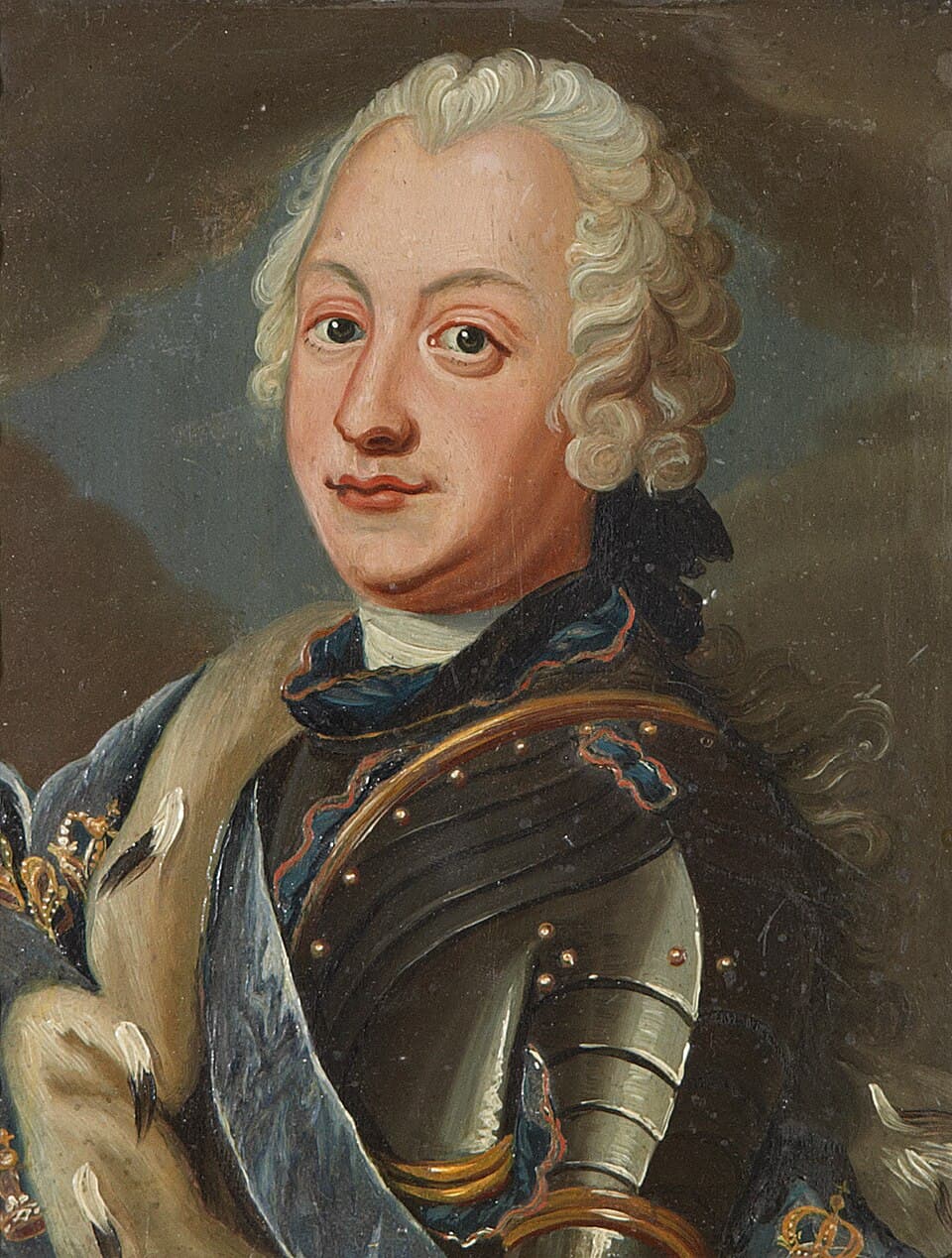
Two twelve-year-old students, on a field trip, are sitting on wool cushions. Before them, a man in a simple cloak looks at them gently. His name is Jonah, and he agrees to answer all their questions.
—Where was your home when you were little?
You know, my child, I was born in Gath-Hepher, a small village in the hills of Galilee. Imagine a stone house with a flat roof where you go up in the evening to breathe the cool wind. In the morning, I would wash my hands, pray, then eat barley bread with a few figs. It was a quiet, simple life. My father's name was Amittai. No one in that village suspected that one day I would be sent very, very far away. But that's often how it is: great roads begin at small doors.
Great roads begin at small doors.
—Why did God send you to your enemies?
Ah, that's what surprised me so much! God told me to go to Nineveh, the great capital of Assyria. You see, Assyria was the empire that made all my people tremble. Imagine being asked to go help the city of your worst enemies. The other prophets only spoke to the people of Israel. I was the only one sent to foreigners. Deep down, I thought: why save those who harm us? That question set everything in motion. And believe me, I had no desire to go.
I was asked to help the city of my worst enemies.
—So what did you do when you didn't want to go?
Well... I did something foolish, I admit. I went down to the port of Joppa, on the coast. There I found a merchant ship, a large wooden boat, and paid to go as far away as possible, in the opposite direction from Nineveh. I foolishly thought I could escape God by crossing the sea! Imagine a child hiding under a blanket, thinking no one can see him. It was a bit like that. Except you can't escape a voice that comes from everywhere. The sky knew very well where I was going.
I was hiding like a child under a blanket.
—And what happened on the boat? Were you scared?
Oh yes, I was scared, terribly scared. In the middle of the Mediterranean Sea, a storm suddenly arose. The wind howled, the waves were as high as walls, the ship creaked all over. The sailors threw their cargo overboard to keep from sinking. And I knew deep in my heart that this storm was because of my flight. So I told the sailors: throw me into the sea, and it will calm down. They did. And as soon as I touched the water, silence returned to the waves. It was overwhelming.
As soon as I touched the water, silence returned to the waves.
—But then how did you not die in the water?
That's where everything becomes extraordinary, my child. Just as I was sinking, a huge fish came and swallowed me whole. In Hebrew we say dag gadol, which simply means 'a great fish'. Mind you, the text never says it was a whale; that came much later! Imagine yourself in total darkness, warm, tossed by the waves, alive inside a sea creature. I stayed there three days and three nights. That fish was not my prison; it was a shelter sent to save me from drowning.
That fish was not my prison; it was a shelter.
—What did you do for three days inside its belly?
I prayed, simply. In that dark belly, I had nothing left: no boat, no money, no place to flee. Just my voice and the silence. So I spoke to God from the depths of that abyss. I realized I had been wrong to try to run away. You know, sometimes you have to fall all the way to the bottom to finally look up. After three days, the fish spat me out onto the shore, alive. Many later saw in those three days an image: you go down as if into death, and you return to the light, like a second birth.
Sometimes you have to fall all the way to the bottom to finally look up.
—After that, did you really go speak to Nineveh?
Yes! This time I didn't argue. I walked to Nineveh and saw its gigantic walls, ramparts so high that you felt tiny at their foot. It was an immense, proud, powerful city. And I was just a lone man, dusty from the journey. I had a very short message to deliver: if you do not change, the city will be destroyed. Imagine entering the greatest city in the world to announce bad news, all alone. I confess my heart was beating fast. But I spoke.
A lone, dusty man facing the walls of an empire.
—And they listened to you? That's rare, isn't it?
It's incredible! With barely eight words in Hebrew, the whole city changed. The people believed the message, from the poorest to the king himself. They stopped eating, put on sackcloth, that rough garment worn to show regret, and sat in ashes. Imagine an entire city suddenly stopping to reflect on its wrongs. Even the beasts, they say, fasted! No prophet had ever known such success. And yet... that success would make me terribly angry. You'll see why.
Eight words, and a whole city changed.
—You were angry? But why, if it worked?
You're right, it's strange! Everyone was rejoicing, and I was furious. You see, because Nineveh had repented, God forgave them and did not destroy it. And I couldn't stand that. I thought: they are our enemies, they deserve punishment! I sat outside in the scorching sun, sulking like a vexed child. A small plant, a castor oil plant, grew to give me shade. I was happy. Then it withered, and I grumbled about that misfortune. Funny prophet, isn't it, who mourns a plant but doesn't want a city to be saved.
I was sulking in the scorching sun, like a vexed child.
—And what did God say to you in the end?
He asked me a question, and that's how my story ends. He pointed out: you care about a small castor oil plant that you didn't even grow. So shouldn't I have pity on a whole great city, with its thousands of inhabitants and its animals? And there... the text stops. No answer from me. Imagine a question left hanging, so that everyone can think about it in turn. It's up to you, my child, to answer it now. That may be the real lesson: forgiveness is greater than vengeance.
Forgiveness is greater than vengeance.
Read further
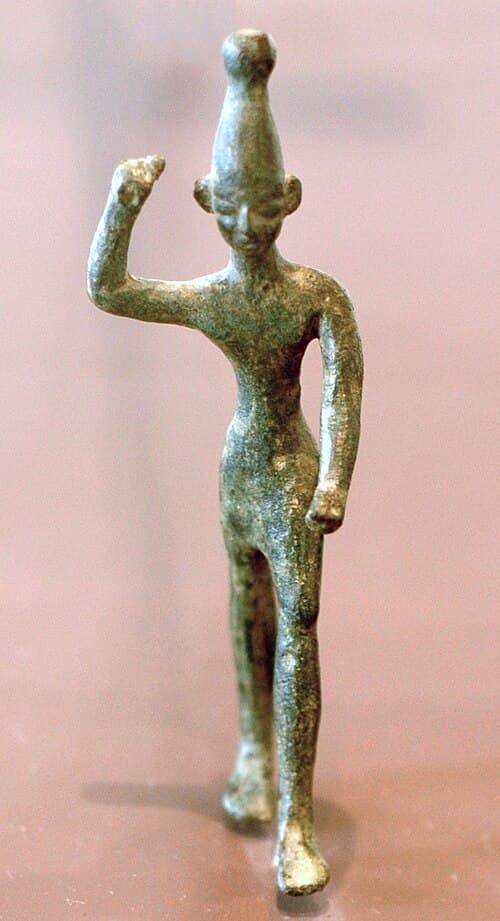
This imaginary interview was generated by artificial intelligence from sources documented in Jonas's profile. It dramatises what the figure might have said based on what we know about them, but does not constitute attested historical testimony. For primary sources and factual documentation, refer to the full profile.