Kids interview Joni Mitchell
by Charactorium · Joni Mitchell (1943 — ?) · Music · Visual Arts · 5 min read
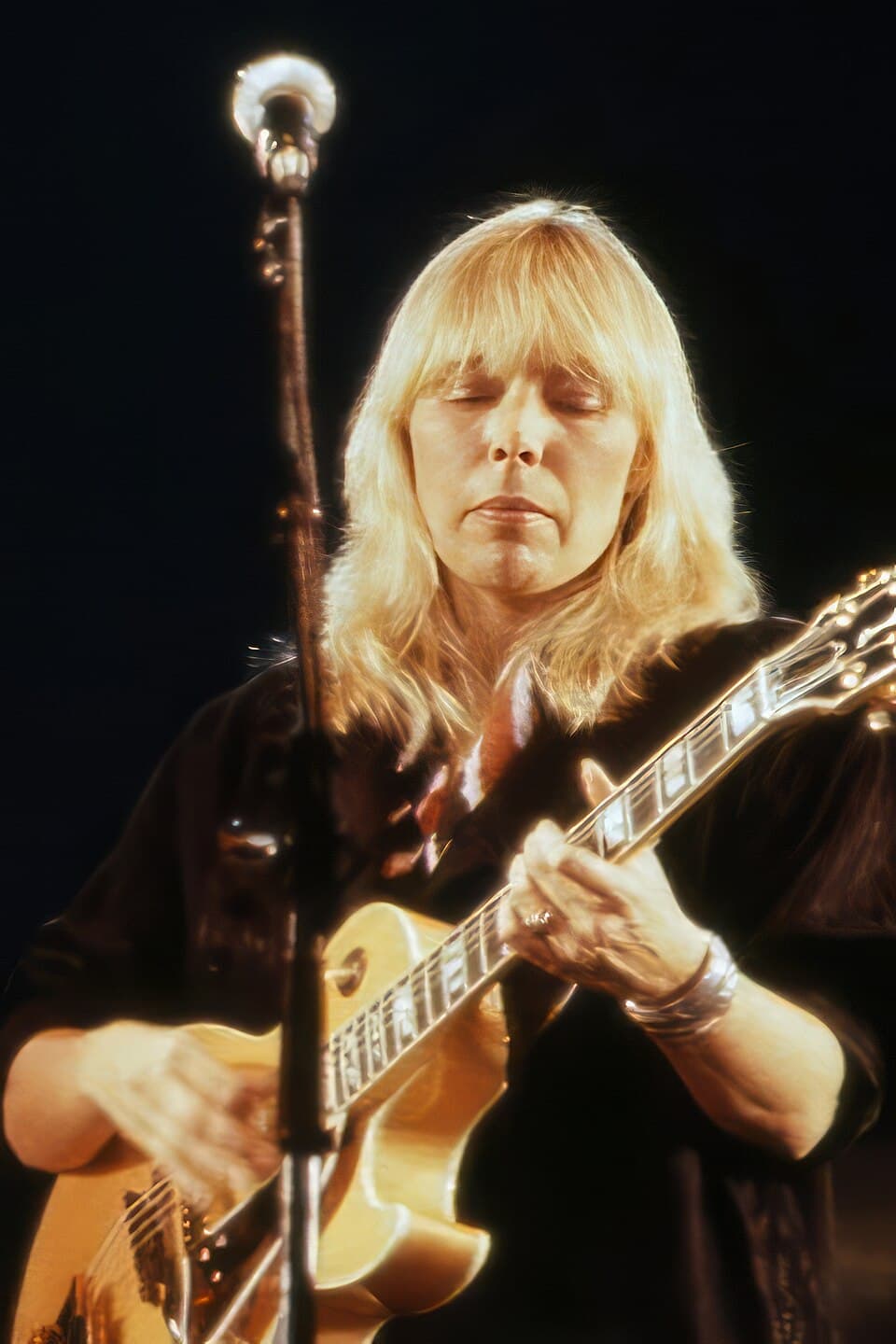
That morning, two young visitors from a school trip pushed open the door of a studio that smelled of oil paint and coffee. A long-haired woman, with a guitar resting near an easel, greeted them with a smile. They had a thousand questions; she had all the time in the world.
—How old were you when you fell seriously ill?
I was nine years old, my child. It was in 1952, in Saskatoon, a town on the great plains of Canada. A polio epidemic hit the region—a disease that attacks the muscles and can prevent you from walking. The doctors told me I might never walk normally again. Imagine: a little girl lying in a hospital bed all winter, far from her mother. So, to keep from crying, I started to sing. All alone, in the room. That's when, in that solitude, music entered my life. The illness took my legs for a while, but it gave me a voice.
The illness took my legs for a while, but it gave me a voice.
—Is it true that you tune your guitar in weird ways?
Yes! And that's also because of polio, believe it or not. The disease left a slight weakness in the fingers of my left hand. The normal positions on the neck hurt me; I couldn't do them. So I cheated: I changed the tuning of the strings themselves, to find easy positions for my hand. Do you know how many personal tunings I've invented? Over fifty! Almost every song has its own. Other guitarists couldn't understand anything when they picked up my guitar. It's my little secret forest. A weakness in my fingers became my signature—the sound you recognize among a thousand.
A weakness in my fingers became my signature.
—Why didn't you go to Woodstock if you wrote the song?
Ah, that still stings my heart! In 1969, all my musician friends were leaving for the big Woodstock festival—three days of music, peace, in a muddy field with a huge crowd. I really wanted to go. But my manager advised me not to miss a TV appearance on an important show. So I stayed. My friend Graham Nash came back, his eyes shining, and told me everything: the rain, the crowd, that brotherhood. Listening to him, I wrote the song Woodstock. It became the anthem of the festival. Funny, isn't it? I sang about the most beautiful day without ever having seen it with my own eyes.
I sang about the most beautiful day without ever having seen it with my own eyes.
—What was it like to make an album as sad as Blue?
It was like opening the door of my room to strangers. In 1971, with the album Blue, I decided to hide nothing anymore: my heartbreaks, my loneliness, my fears. Everything, without makeup. My friend Neil Young even told me I was 'too unguarded.' He was a little right—I was naked, like when you have nothing left to protect yourself. But you know what? That's exactly what touched people. Before, in songs, you hid your real tears behind pretty stories. I showed the real ones. It's a bit scary to show yourself whole. But that's how you truly touch a heart.
You have to be a little unguarded to truly touch a heart.
—Weren't you afraid that everyone would know your secrets?
Yes, terribly. Every time I sang Blue on stage, I relived everything: the breakup, the longing, the sadness. It wasn't theater. There was no distance between me and the song—when I sang it, I lived it again. It's a gift and a price to pay at the same time. Imagine reading your diary out loud in front of your whole class, every night. That's what it was like. But I believe an artist must be honest; otherwise, what's the point? People can tell right away when you're lying. So I chose the truth, even when it hurt.
When I sang Blue, I lived it again—that's the gift and the price.
—Why did you always want to travel when you were writing?
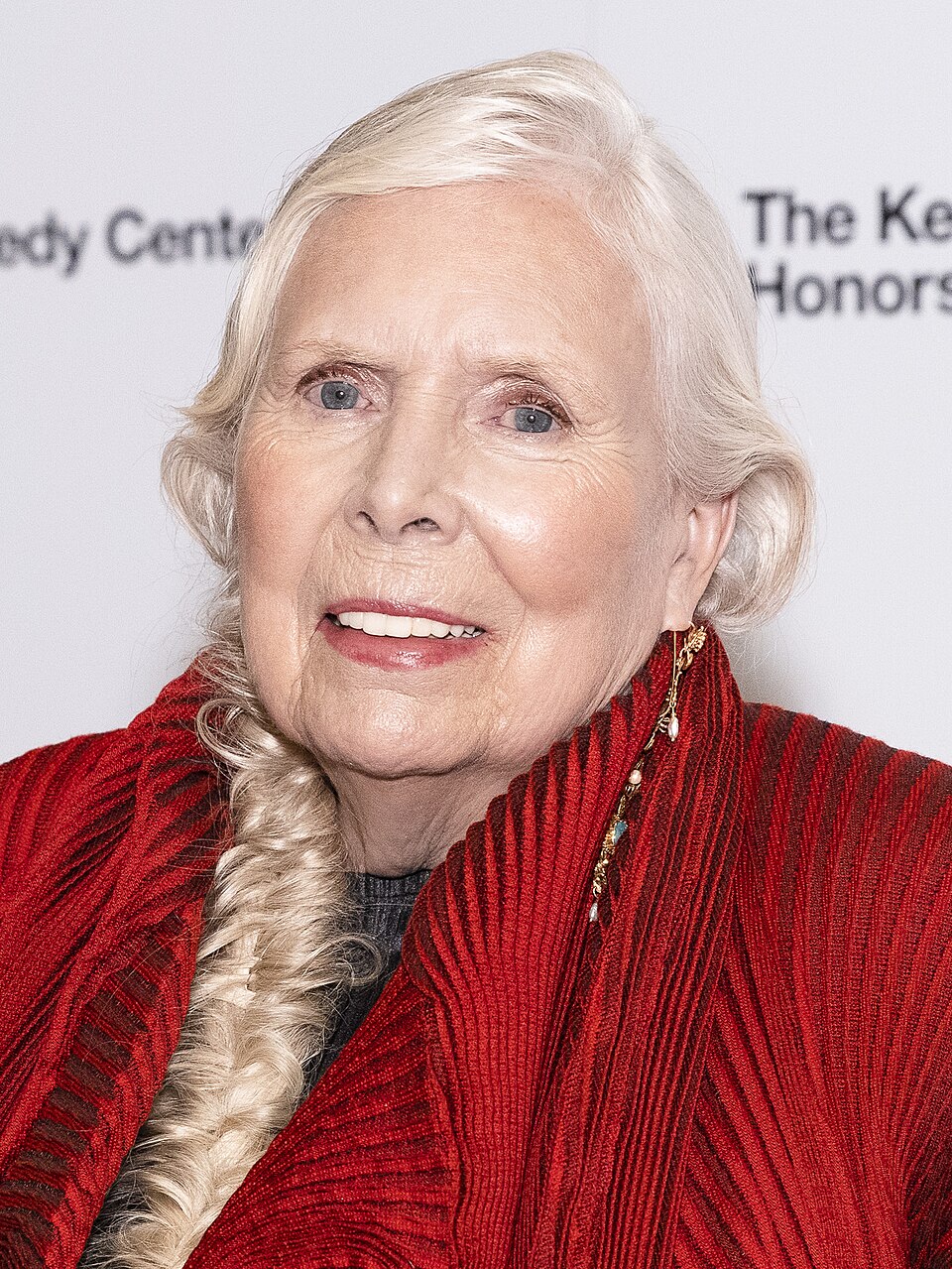
Because moving healed me, my child. When a big sorrow weighed on me, staying shut in made it heavier. So I hit the road. In 1976, I made a whole album on the road, Hejira—a word that means 'journey,' 'departure.' I wrote my songs while driving, watching the great landscapes pass by. Movement is the only cure I know for certain sorrows. Really. It wasn't running away: it was letting the pain slide behind me, mile after mile. When you're sad and you walk a long time, you feel a little better, don't you? It's exactly that.
Movement is the only cure I know for certain sorrows.
—Who was this Jaco who played with you, and why was he special?
Jaco Pastorius! A young man, a genius on the bass. You know, the bass is that big four-string instrument that plays the low notes, right at the bottom of the music. Usually it stays nice and quiet in the background. But Jaco played a fretless bass—without the little metal bars on the neck. That let him slide the notes, like a voice that sings and cries. On Hejira, his bass didn't just accompany me: it answered me, it dialogued with me. That was new; it didn't exist before. He changed the sound of my music forever.
His bass didn't accompany me: it answered me.
—Is it true that you also painted, not just made music?
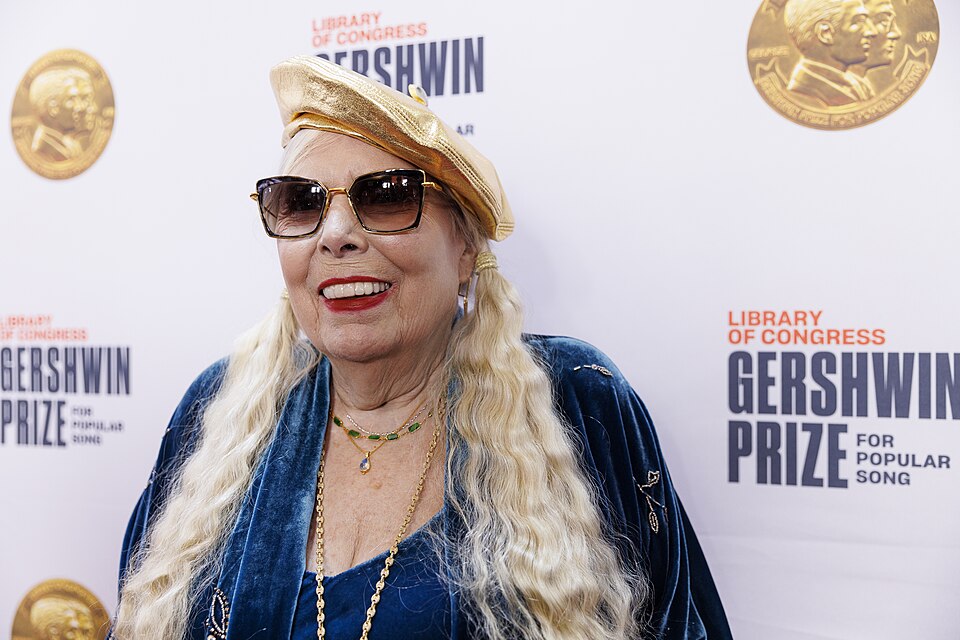
Oh, painting is my first home! Long before songs, as a little girl, I already drew. I've always said I'm a painter first, musician second. Look around you: easel, canvases, brushes. In the morning, before anything, I paint—portraits, landscapes, sometimes shapes that don't represent anything specific. It frees my head before I write my songs. And you see my album covers? Those images on the front? I painted almost all of them myself. For me, painting and composing are the same thing: trying to say what can't be said with ordinary words.
I'm a painter first, musician second.
—So which did you prefer, singing or painting?
What a difficult question! It's like asking someone if they prefer breathing or walking. I've often said, half-jokingly, that I felt like a painter derailed by circumstance into the music business. Music paid the rent, you understand? It made me famous. But painting—no one asked me for it; I did it just for myself, in silence. The two feed each other. When I finish painting, a song comes. When the song is finished, the urge to paint returns. I don't choose, my child. An artist doesn't have just one voice to speak to the world.
An artist doesn't have just one voice to speak to the world.
—If someone listened to your songs today, what would you want them to feel?
I would want you to feel less alone. That's all. When I wrote Blue, or Court and Spark, I was talking about my own sorrows. But if you listen and think, 'Hey, I've felt that too,' then we're connected, you and I, across time. That's the power of an honest song. It takes you by the hand and says: you're not alone in being afraid, in loving, in being sad. Never close yourself off, my child. Not in music, not in painting, not in life. What you hide touches no one. What you dare to show can comfort someone you'll never meet.
What you hide touches no one; what you dare to show can comfort someone.
This imaginary interview was generated by artificial intelligence from sources documented in Joni Mitchell's profile. It dramatises what the figure might have said based on what we know about them, but does not constitute attested historical testimony. For primary sources and factual documentation, refer to the full profile.