Imaginary dialogue between Grover Cleveland and Liliuokalani
by Charactorium · Liliuokalani (1838 — 1917) · Politics · 6 min read
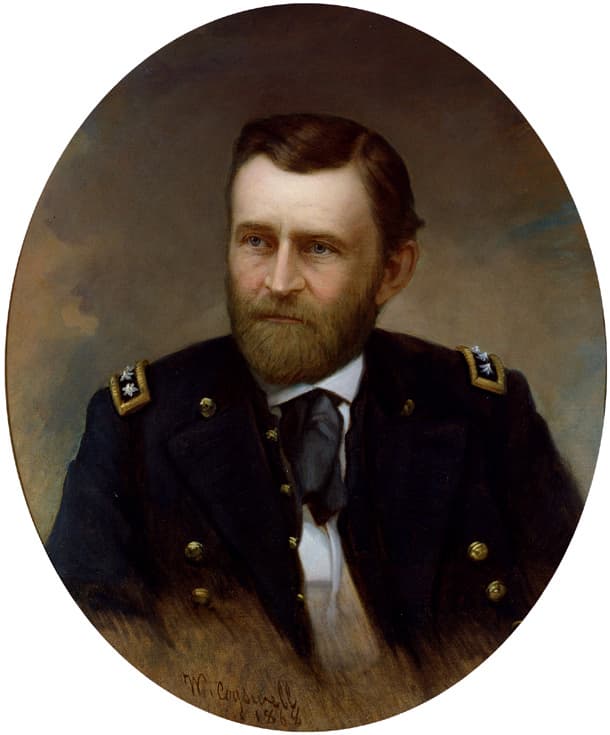
It is in a cozy drawing room in Washington, this winter of 1897, that Grover Cleveland meets Queen Liliuokalani, come to plead her people's cause, her petition under her arm. Outside, snow muffles the city; on the table, a feather fan recalls the warmth of Honolulu. The two have known each other since that day in 1893 when, newly reinstalled in the presidency, Cleveland acknowledged before the nation the illegality of the overthrow — without being able to undo it. He comes tonight not as a head of state, but as a man carrying the weight of unfinished justice.
—Your Majesty, when my envoy Blount reported to me the injustice of January 1893, I was deeply moved. Tell me about that morning when everything changed.
Mr. President, that morning, the Marines landed from the warship had already surrounded my throne room at Iolani Palace. I was urged to abdicate to avoid Hawaiian bloodshed. So I yielded — but listen closely to whom: I yield, under duress, to the superior force of the United States of America, and not to that handful of businessmen who called themselves a government. I placed my kingdom in the hands of your nation, in trust, convinced that American justice would eventually vindicate me. You who have read my protest know that I never signed a renunciation: I protested. You do not depose a queen with a stroke of a pen under the threat of bayonets.
You do not depose a queen with a stroke of a pen under the threat of bayonets.
—You say you entrusted your kingdom to America. Did you not regret yielding rather than resisting by arms?
Resist by arms? My people numbered barely forty thousand souls, against the cannons of a warship. I could have called my loyalists to rise; I would only have offered a massacre to those seeking a pretext. No, Mr. President. The crown was not worth a single Hawaiian life. I chose the path of petitions, letters, law — your path, that of constitutions and courts. When, in 1895, royalists took up arms in my name, I was placed under house arrest for it, even though I had ordered nothing. See the price of loyalty. I still prefer to be accused of having hoped too much in your justice than of having shed the blood of my people.
—Before the political storms, you were a composer. Your Aloha Oe is sung even here. Where did that melody come from?
Ah, Aloha Oe… You take me back to gentler days. It was in 1878, during a horseback ride on the hills of Oahu. I saw an officer saying goodbye to a young woman, their embrace, that kiss that seemed never to end. As I wrote to my sister Likelike: The melody came to me naturally, as if carried by the wind from the hills. I wanted to capture that feeling of love and parting that is at the heart of our people. I hummed it all the way home, then set it on my ukulele. I did not know then that a simple farewell would become the anthem of a whole kingdom — nor that I would soon, in turn, sing farewell to my land.
—You blended the piano of your teachers with the ukulele of your people. Was music for you another form of sovereignty?
More than you imagine, Mr. President. As early as 1866, long before reigning, I had composed a national anthem, He Mele Lāhui Hawaiʻi, to give voice to my people's pride. In all, more than one hundred and fifty songs were born from my pen. For a language that is sung does not die. The missionaries had banned our dances, scorned our ancient chants, the oli of our ancestors. I held the piano in one hand and the ukulele in the other: I proved that one could be Christian, educated in the Western way, and remain fully Hawaiian. Each melody was a way of telling my people: we exist, and no treaty can erase what we carry in our throats and in our hearts.
—Here you are in Washington tonight, petition in hand. How many of your people signed against this annexation they want to impose on you?
Twenty-one thousand signatures, Mr. President — out of a people of barely forty thousand souls. Reflect: more than one Hawaiian in two traced their name to say no to annexation. My people traveled every island, from village to village, gathering the marks of fishermen, taro farmers, old women who had never held a pen. It is not the complaints of a deposed queen that I carry in these pages: it is the will of an entire nation. I have come to lay it before your Congress, for I still believe that a great country like yours cannot, without renouncing itself, swallow a kingdom against the unanimous wish of its inhabitants.
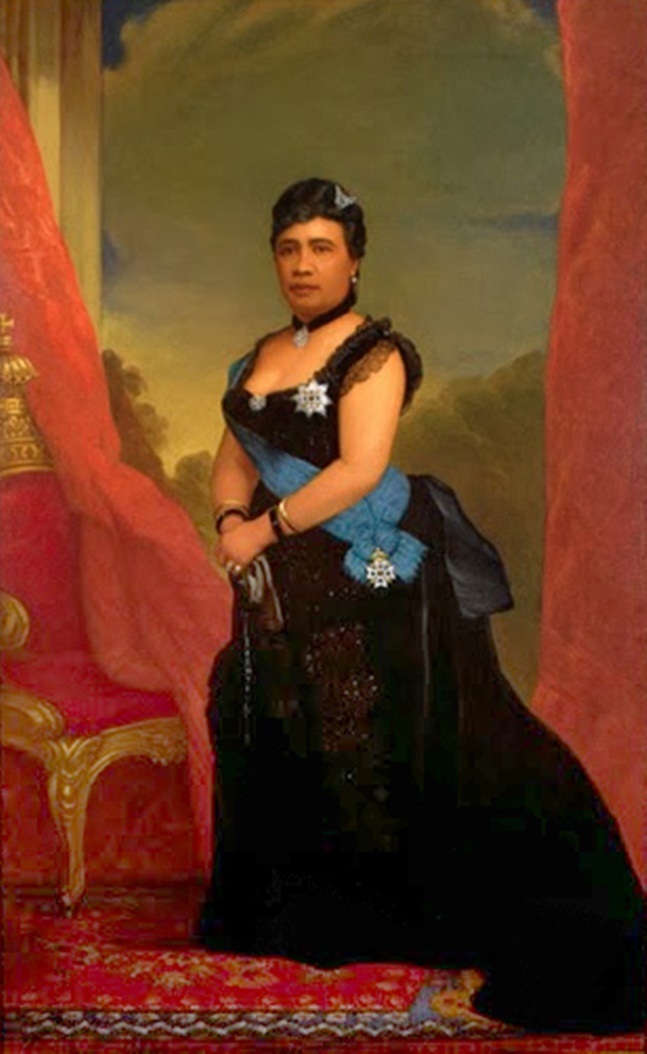
—You know, I withdrew the annexation treaty from the Senate in 1893; Congress resisted me. Do you still have hope?
That hope, Mr. President, you gave back to me. When you withdrew that treaty and acknowledged before the nation that my deposition was the work of agents of your own government, I knew that justice was not dead in America. That Congress resisted you does not rob me of faith: men pass, but the law remains. As long as I live, I will claim through legal means what belongs to my people. They can tear away a throne, lock me in my palace, ignore my letters — they will not tear away the truth of the facts. And that truth, you yourself spoke: a friendly government was overthrown, in full peace, under the protection of a foreign flag.
Men pass, but the law remains; they will not tear away the truth of the facts.
—I have been told that after the revolt of 1895, you were imprisoned in your own apartments. How did you endure those months?
Eight months, Mr. President, in a single room of Iolani Palace — that palace I had inhabited as sovereign, become my prison. I was forbidden newspapers, visits, even my own name: I was called only Mrs. Dominis. But one does not imprison the spirit. I composed hymns, I prayed from my Hawaiian Bible, and above all I undertook the translation of the Kumulipo, our great chant of the creation of the world, those two thousand verses that my ancestors passed down by word of mouth. While they stripped me of a crown, I saved something far more ancient: the memory of my people. Each translated verse was a stone I stole from oblivion.
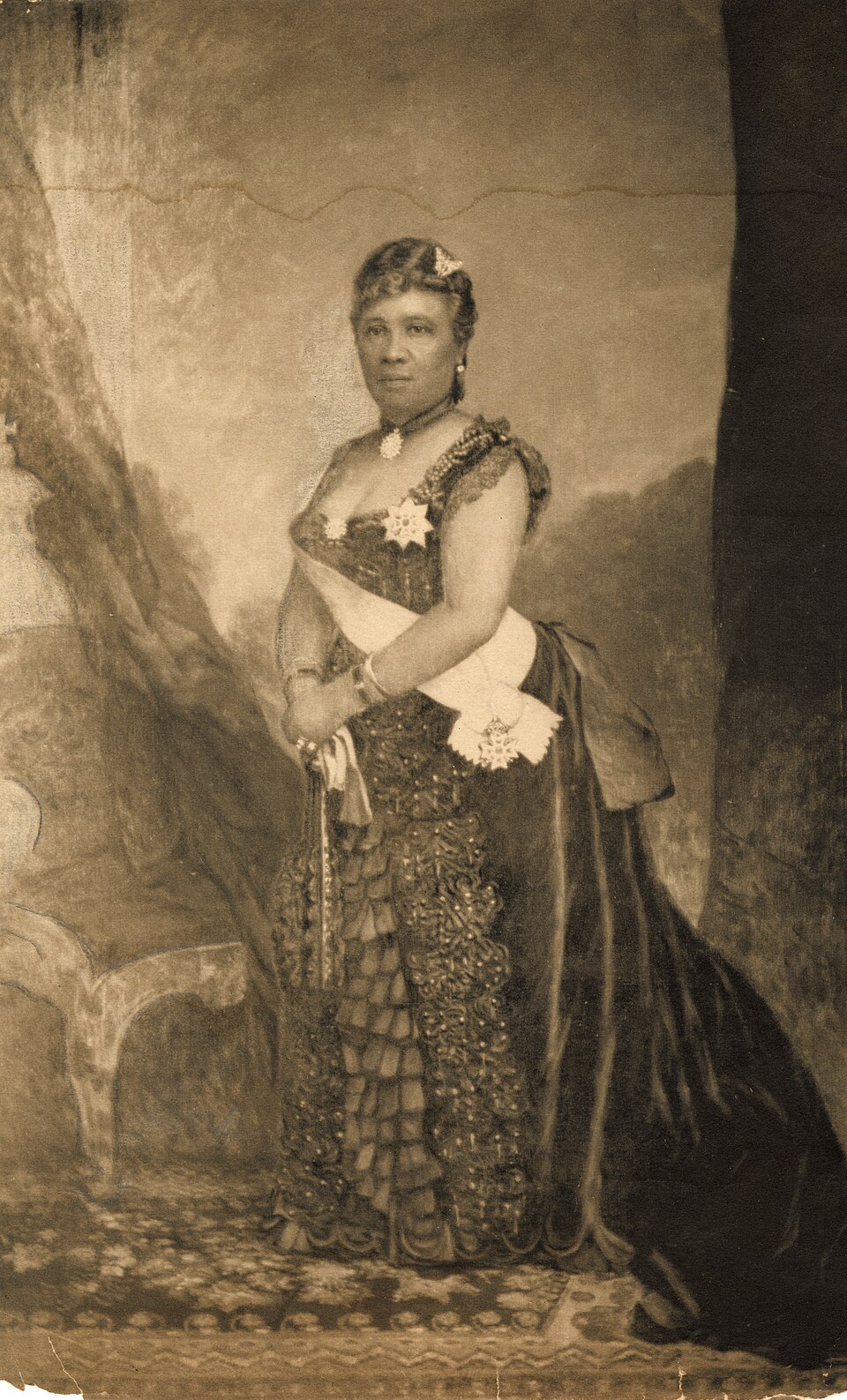
—Translating a sacred poem while you were on trial — was that not a strange refuge for a queen in peril?
Strange to one who sees in a queen only a matter of throne, perhaps. But consider, Mr. President: they had taken everything from me, except what I carried within. The Kumulipo tells where we come from, how coral, then plants, then humans and aliʻi were born from the great darkness. By setting it down in English, I placed it beyond the reach of those who wanted to make my people a herd without a past. It was my refuge, yes, but it was also my quietest weapon. A people who know where they come from do not let themselves be erased. I found in those ancient verses more strength than in many decrees I had signed with the seal of the kingdom.
—Your detractors reproach you for reviving the hula that the missionaries had banned. Why was it so important to you?
Because the hula is not the lascivious dance my detractors claim it is, Mr. President. It is our history danced, our genealogy offered through the body. The missionaries banned it as a sin; my brother King Kalakaua and I restored it, because a people deprived of their sacred gestures eventually forget themselves. You, elected by ballots, hold your authority from numbers. Mine came from mana — that sacred power my aliʻi ancestors transmitted to me through blood and chants. Restoring the hula, wearing the kahili feather and the lei, was not coquetry: it was reminding that Hawaii's legitimacy is not decreed in Washington, but danced and sung for a thousand years on our shores.
Hawaii's legitimacy is not decreed in Washington: it is danced and sung for a thousand years.
—When all this is over, Your Majesty, how would you like to be remembered — as queen, or as composer?
Queen I was by blood and duty, and I will remain so as long as a single Hawaiian recognizes me. But thrones crumble, Mr. President — you know better than anyone how easily. What endures are the songs. When I am gone, perhaps the treaties, the petitions, the names of those who betrayed me will be forgotten. But Aloha Oe will still be hummed on the beaches of Hawaii, without even knowing that a queen wrote it. And that is enough for me. I reigned over a kingdom that was stolen from me; I gave my people melodies that no one can ever take from them. Remember me as a woman who loved her land — and who, to the end, refused to renounce it.
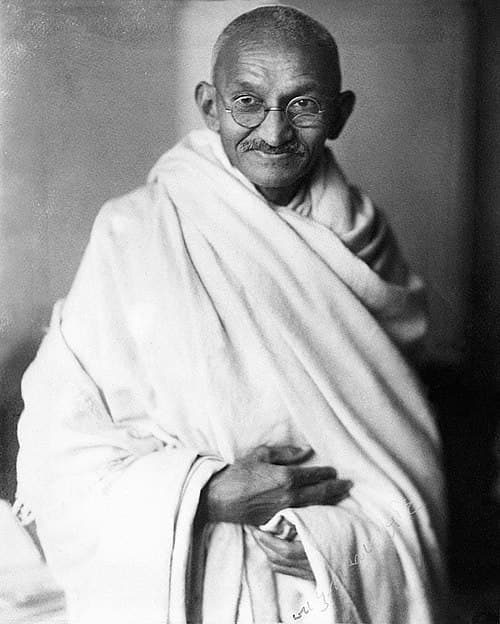
This imaginary interview was generated by artificial intelligence from sources documented in Liliuokalani's profile. It dramatises what the figure might have said based on what we know about them, but does not constitute attested historical testimony. For primary sources and factual documentation, refer to the full profile.