Imaginary dialogue between Louis de Rouvroy, duc de Saint-Simon and Louis XIV
by Charactorium · Louis XIV (1638 — 1715) · Politics · 5 min read
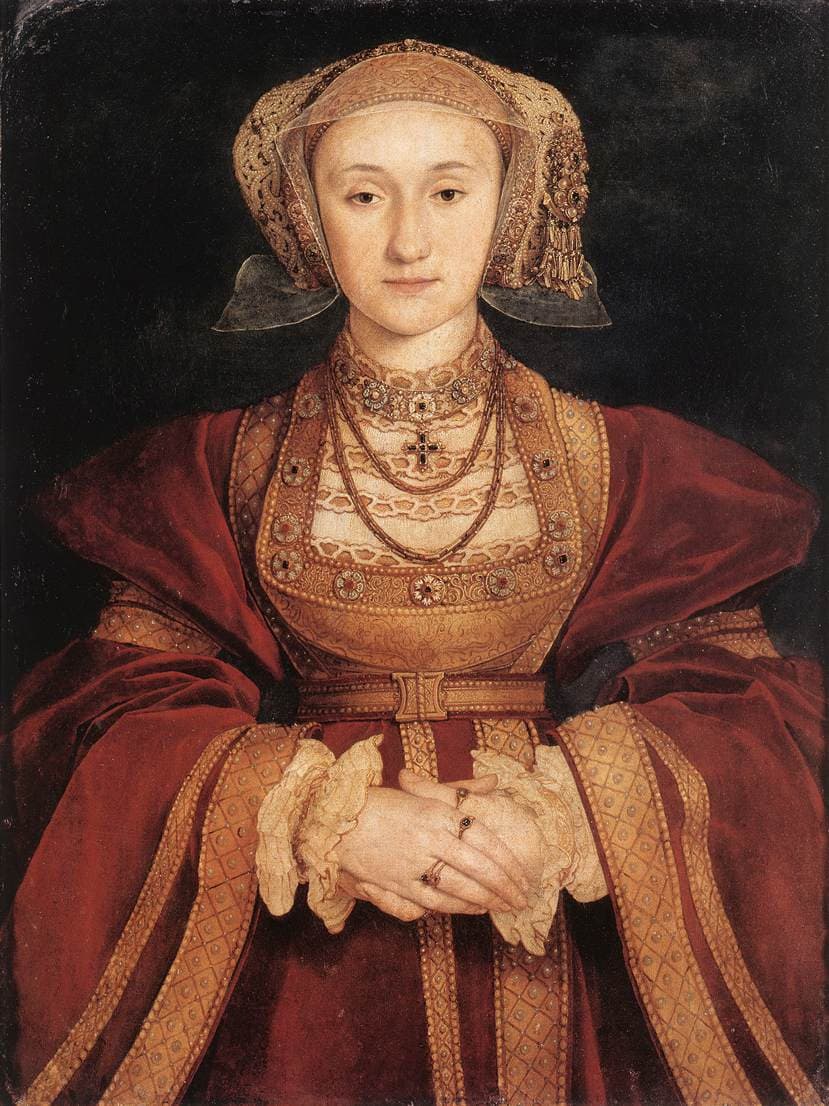
It is in the King's study at Versailles, on a winter afternoon in 1710, that the duc de Saint-Simon is admitted into the presence of Louis XIV. The fire crackles beneath the gilded woodwork, and the oblique light of the setting sun strikes the mirrors of the Hall of Mirrors. The duke has known this court since childhood; he has noted every gesture, every precedence; today he comes not to solicit a post, but to grasp the man behind the majesty. The aging King seems disposed to remember.
—Sire, I have seen your lever a hundred times at half past eight. Why did you turn even your waking into a ceremony where everyone watches for the shirt?
You have observed it closely, Monsieur le duc, and you know its worth better than anyone. Nothing is trivial in the person of a king. By making my lever a regulated office, where men vie for the honor of handing me my shirt or holding the candlestick, I keep the nobility busy currying my favor rather than plotting their intrigues. Every grandee of my realm measures his rank by the place he occupies in my bedchamber. It is not vanity: it is governance. He who dresses me in the morning does not conspire in the afternoon. I learned this young, and I have never deviated from it.
He who dresses me in the morning does not conspire in the afternoon.
—You have received me many times within these walls, Sire. But why did you leave Paris and the Louvre to build all this so far from the capital?
You are too young to have seen the Fronde, Monsieur le duc, but I saw it, and I have not forgotten it. As a child, I had to flee Paris by night, delivered over to the parlements and rebellious princes. A city that drives out its king does not deserve to keep him. At Versailles, I wanted a place entirely my own, where the nobility would come to me instead of conspiring in their Parisian townhouses. By lodging them under my roof, I keep them under my eye. This château is not a whim: it is the rampart that the Fronde taught me to raise, far from the cobblestones where I was insulted.
A city that drives out its king does not deserve to keep him.
—You are called the Sun King, Sire. Where did that star come from, which I see engraved on every gate of your gardens?
It came to me from my youth, Monsieur le duc, from a time when I danced. In 1653, in a court ballet, I appeared as Apollo, god of the sun, and the image pleased me as much as it pleased the court. The sun illuminates everything, gives life to everything, and receives its brilliance from no one: what better emblem for a king who wants to animate everything in his kingdom? I loved dancing passionately; I performed in ballets until I was thirty-two, and I founded the Royal Academy of Dance in 1661. People think it was mere entertainment; but it was already my image that I was shaping.
The sun illuminates everything and receives its brilliance from no one.
—You gave Colbert a trust that few have known. What did you want, covering the kingdom with manufactories and fabrics?
I wanted, Monsieur le duc, for France to owe nothing to anyone. When I took Colbert, the kingdom was buying from Flanders and England what it should have produced itself. I ordered that our manufactories — the Gobelins, and so many others — make fabrics so beautiful that no one would seek them elsewhere. A kingdom that depends on foreigners for its luxury is a half-subject kingdom. Gold that leaves does not return; gold that stays enriches my subjects. Colbert understood this admirably. Making France work made it strong and free, and gave my glory a brilliance that was not only of stone.
A kingdom that depends on foreigners for its luxury is a half-subject kingdom.
—In 1685, Sire, you revoked the Edict of Nantes. Many at court were quietly troubled. Do you regret nothing of that exodus?
You touch there, Monsieur le duc, on what weighed heaviest upon me. A Most Christian King could not suffer two religions in his kingdom: the unity of faith seemed to me the very unity of the state. I believed, in signing the Edict of Fontainebleau, that I was completing the work of my ancestors and bringing back my misguided subjects. I have been told since that thousands crossed the borders, taking their skills to my enemies in Prussia and Holland. I do not disavow my decision — a king does not reverse himself — but I am not unaware that it bled my kingdom of able men. History will judge whether the faith was worth that price.
A king does not reverse himself, but I know it bled my kingdom.
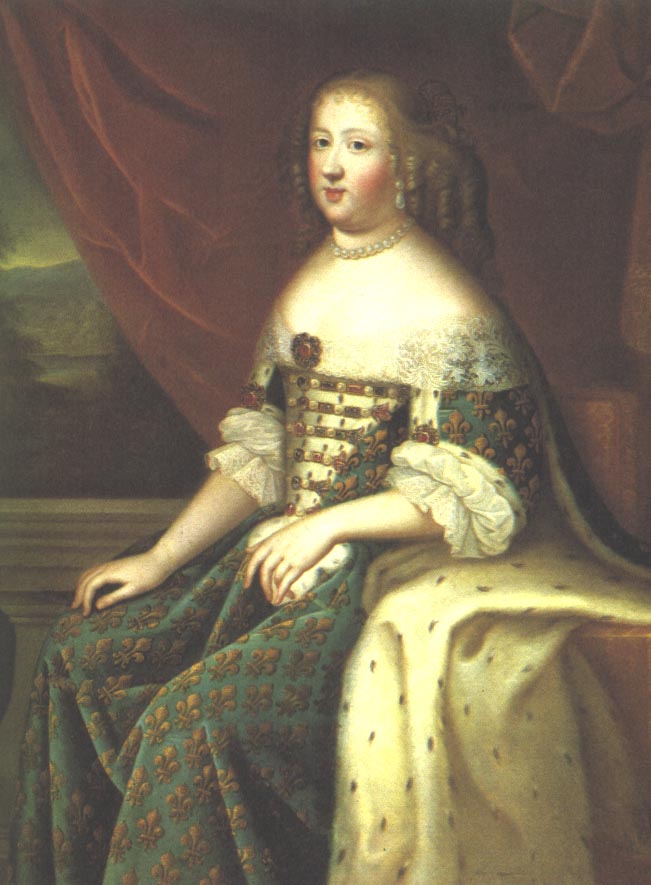
—I have noticed, Sire, that you dine alone before hundreds of standing courtiers at the Grand Couvert. How do you bear so many eyes at your table?
One does not bear them, Monsieur le duc: one uses them. Eating in public is not a burden; it is another act of rule. The people and the nobility see their king, and seeing the king attaches them to him. I confess an appetite that is said to be considerable — several soups, meats, game, and those peas of which I am so fond. But under those gazes, I am not merely eating: I am showing myself. The least of my gestures becomes a lesson in majesty. You, who note everything, know that at my court nothing is ever entirely private, not even a meal.
Eating in public is not a burden; it is another act of rule.
—Since 1682, the court has resided here permanently. When you walk through these gardens of Le Nôtre, Sire, do you sometimes think of what it cost to build?
I think of it, Monsieur le duc, more than one might believe. You see these vistas, these waters, these marbles: it took tens of thousands of men, for years, to tame these marshes. Many lost their health, carried off by the fevers of these damp lands. But a great reign owes itself a great theater. What Le Nôtre drew from this ungrateful soil, no court in Europe could equal, and that was my design. One does not found a king's authority on half-measures. Versailles was to dazzle my friends and make my rivals tremble — and it has succeeded.
A great reign owes itself a great theater.
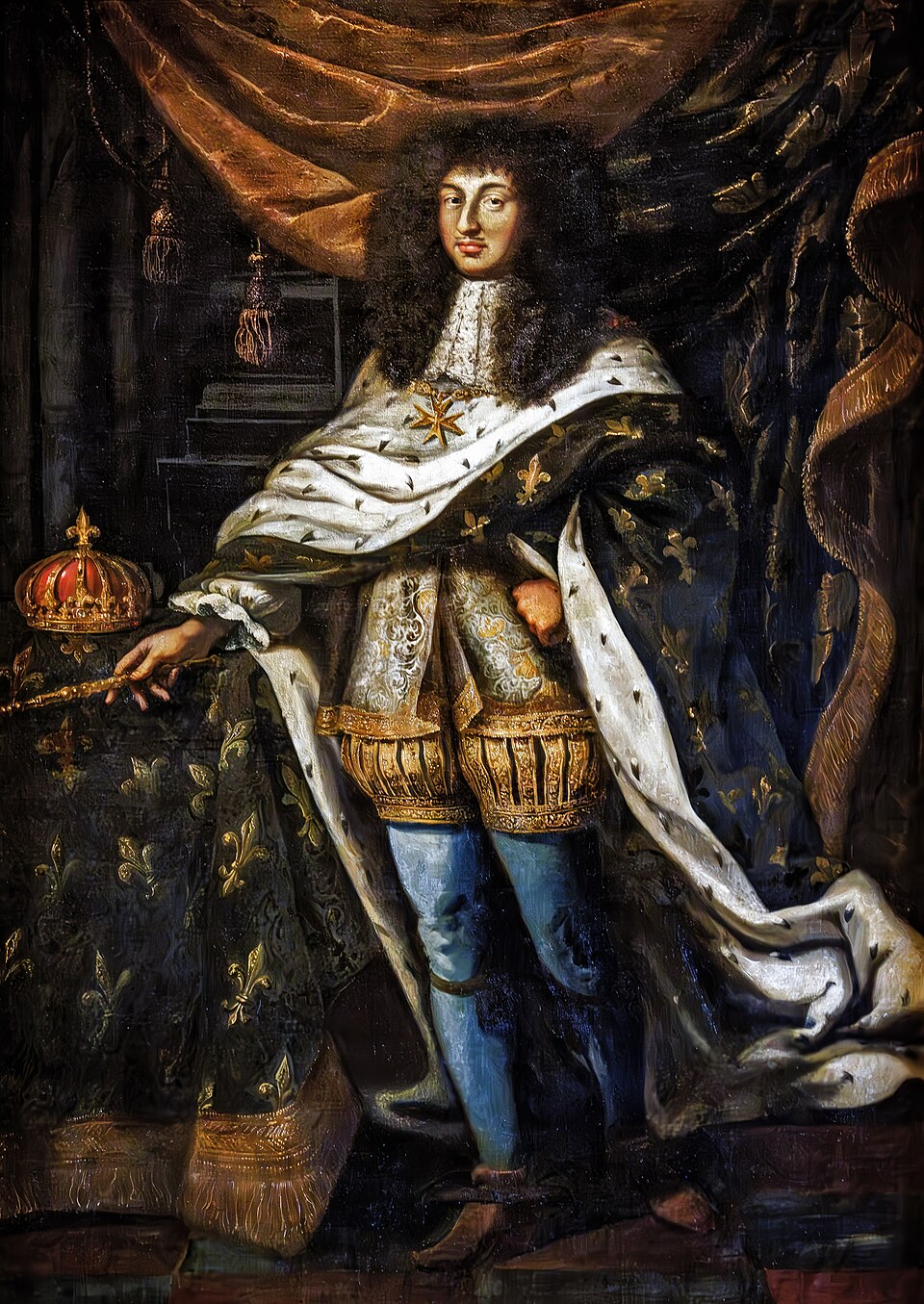
—You danced until the age of thirty-two, Sire, I am told. What made you leave the stage where you shone so brightly?
Age, Monsieur le duc, and a certain idea of what a king should be. As long as my body had the grace of youth, appearing as Apollo served my image: one saw the sun dance. But a heavy prince who runs out of breath invites ridicule, and ridicule is fatal to majesty. I preferred to retire in full glory rather than wait to be pitied. Henceforth I dance differently — through the festivals I ordain, through the ballets that others dance for me. Passion has not left me; I have merely raised it to the level where a king must stand: that of making the entire court dance.
Ridicule is fatal to majesty.
—You supported Riquet's Canal du Midi, joining two seas. What did you expect from these great works that were not of military glory?
I expected, Monsieur le duc, that France should be as great in peace as in war. Joining the Ocean to the Mediterranean, as Riquet did with my support, allows goods to circulate without rounding Spain; it enriches entire provinces. Roads, canals, manufactories: these are conquests that cost no blood and last longer than treaties. A king celebrated only for his battles has done but half his task. I want it said of my reign that it embellished and strengthened the kingdom from within. These great works will outlive my victories.
These are conquests that cost no blood and last longer than treaties.
—You wrote for the Dauphin memoirs on the craft of kingship. If you were to give me the heart of it, Sire, what would be the lesson?
The heart of it is simple, Monsieur le duc, though difficult to practice: the interest of the state must come before everything, and before the king himself. I wrote those pages for my son so that he might know that the crown is not a pleasure but a burden. To govern oneself, to rely on no first minister, to see everything, hear everything, and never leave to another what belongs to the prince: that is the craft. Since the death of Mazarin in 1661, I have not spent a day without working at my councils. One is born a prince, but one becomes a king through application. That is what I wanted to transmit — may Heaven grant that I was heard.
One is born a prince, but one becomes a king through application.
Read further
This imaginary interview was generated by artificial intelligence from sources documented in Louis XIV's profile. It dramatises what the figure might have said based on what we know about them, but does not constitute attested historical testimony. For primary sources and factual documentation, refer to the full profile.