Kids interview Louis XIV
by Charactorium · Louis XIV (1638 — 1715) · Politics · 5 min read
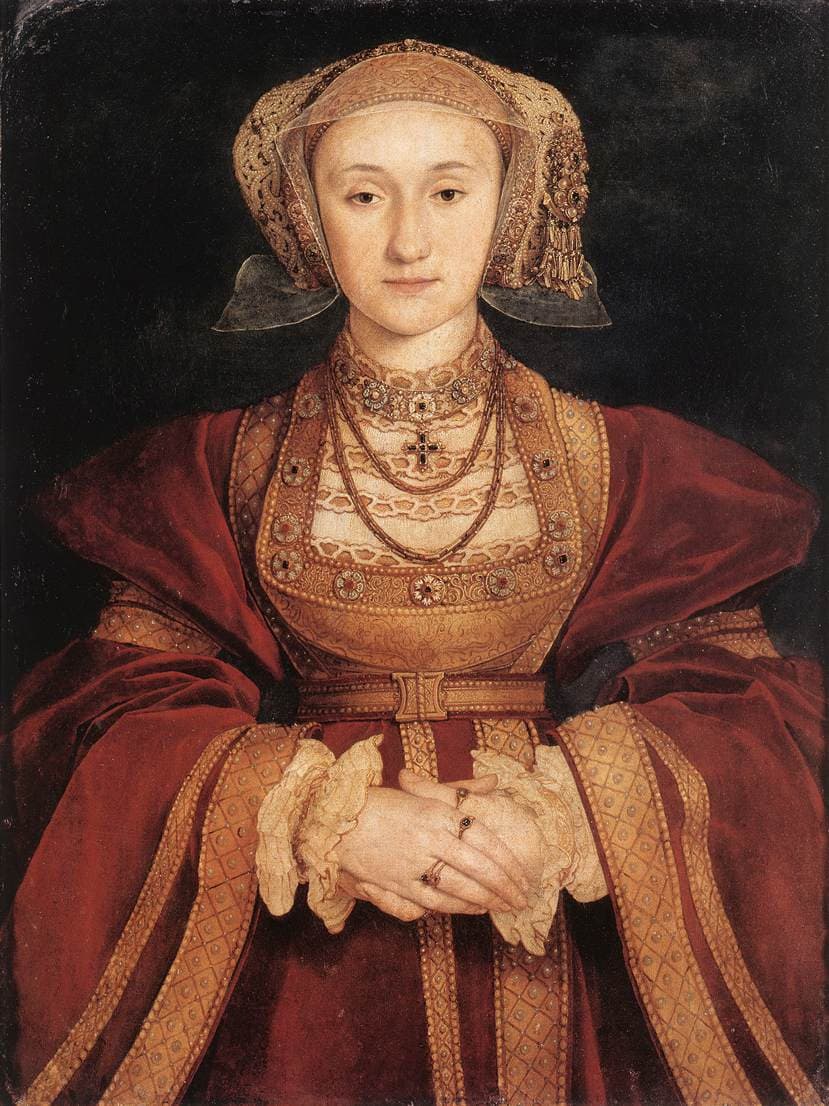
That morning, a school field trip passed through the golden gates of the Palace of Versailles. Two twelve-year-old students stepped forward, intimidated, before a king in a wig and red heels. The Sun King motioned for them to come closer: he had all the time in the world to answer.
—How old were you when you had to flee Paris in the middle of the night?
You know, my child, I was barely ten years old. One winter night, I was secretly woken up. Imagine: not a sound, just the hooves of horses on the frozen cobblestones. I was taken far from Paris, to the château of Saint-Germain, where I was born. Outside, armed men wanted to rule in my place. It was called the Fronde: a great revolt where princes and judges rose up against the child-king. I was cold, I was scared, and I never forgot. That night, I understood something I would hold onto for the rest of my life.
A king who trembled as a child never forgets who made him tremble.
—Is that why you built a palace so far from Paris?
You guessed right, that's clever. Paris, for me, was the city that had driven me out. So, as soon as Mazarin, my minister, died in 1661, I decided to rule alone, with no one above me. And I did something huge: I moved the entire court to Versailles in 1682. Imagine hundreds of nobles forced to live near me, under my eye. As long as they danced in my gardens, they weren't plotting in their provinces. Keeping your adversaries close is still the best way to watch them. A king alone in Paris can fall; a king surrounded at Versailles never will.
Keep your rivals close enough to dance, never far enough to conspire.
—Is it true that people came to watch you wake up in the morning?
Yes, and you find that strange, don't you? Every morning, around half past eight, my chamber was opened. And then, dozens of people entered to see me open my eyes! It was called the lever. Imagine your room full of people in embroidered clothes, pushing to get a better view. Everyone had a tiny role: one handed me my shirt, another held the candle. All of this followed very precise rules, the etiquette. For me, it wasn't vanity, my child. It was theater. A king whom you watch live like the sun, you dare not disobey.
—Why was a nobleman happy just to hold a candle for you?
Ah, that makes you laugh, and I understand! But listen carefully. At my court, it wasn't money that made you powerful: it was your place near me. Holding my candlestick while I went to bed, or handing me my shirt, was an honor that dukes fought over. Imagine a very rich noble, proud as a peacock, begging to carry a candlestick. That's exactly what I wanted. As long as they dreamed of a small gesture near me, they forgot to dream of power. In my time, they said my smile was worth more than land. I had turned honor into gold.
I had turned a simple royal smile into currency more precious than gold.
—Why does everyone call you the Sun King?
What a beautiful question! You see, I loved to dance when I was young. At fifteen, in 1653, I danced the role of Apollo, the sun god, in a grand ballet. Dressed in gold, I shone under the torches, and everyone watched me. I kept that sun as my emblem for my whole life. Why the sun? Because it illuminates everything, warms everything, and nothing grows without it. I loved dance so much that I created the Royal Academy of Dance in 1661. The sun, on my golden gates, said one thing to everyone: without the king, the kingdom remains in darkness.
The sun illuminates the entire universe; a king must do the same for his kingdom.
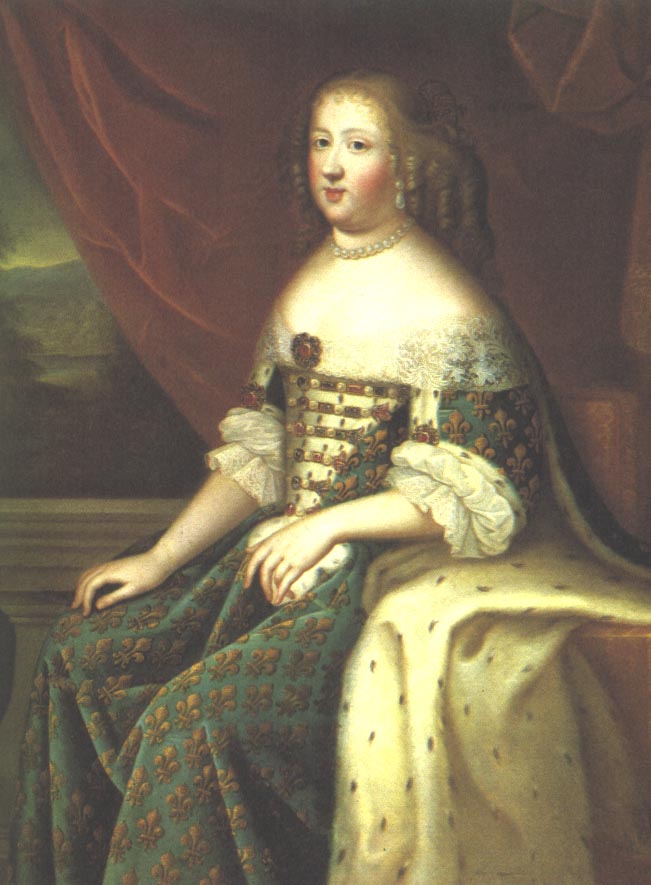
—How did people far from Versailles know what you looked like?
Good question, because in my time, you couldn't see an image in an instant. So I was clever. Every time I won a battle or built something great, I had medals struck: small metal pieces with my face and the story engraved on them. Thousands were made! Imagine these medals traveling from town to town, from country to country, telling of my glory to people who would never see me. My portrait passed from hand to hand like a story. It was my way of making myself present everywhere, even where I would never set foot.
—Did you also take care of factories and trade, or just parties?
Oh, don't think I only danced, my child! I had a wonderful minister, Colbert, who worked day and night. Together, we wanted France to buy nothing from abroad anymore. I once wrote to him that we should make fabrics so beautiful at home that we would no longer go looking for them in Flanders or England. So we created great royal manufactories, like the Gobelins in Paris, where magnificent tapestries were woven. This idea, making the country's wealth through its own labor, was called mercantilism. A beautiful kingdom is not content to be admired: it must produce.
A kingdom that makes everything at home never depends on its neighbors.
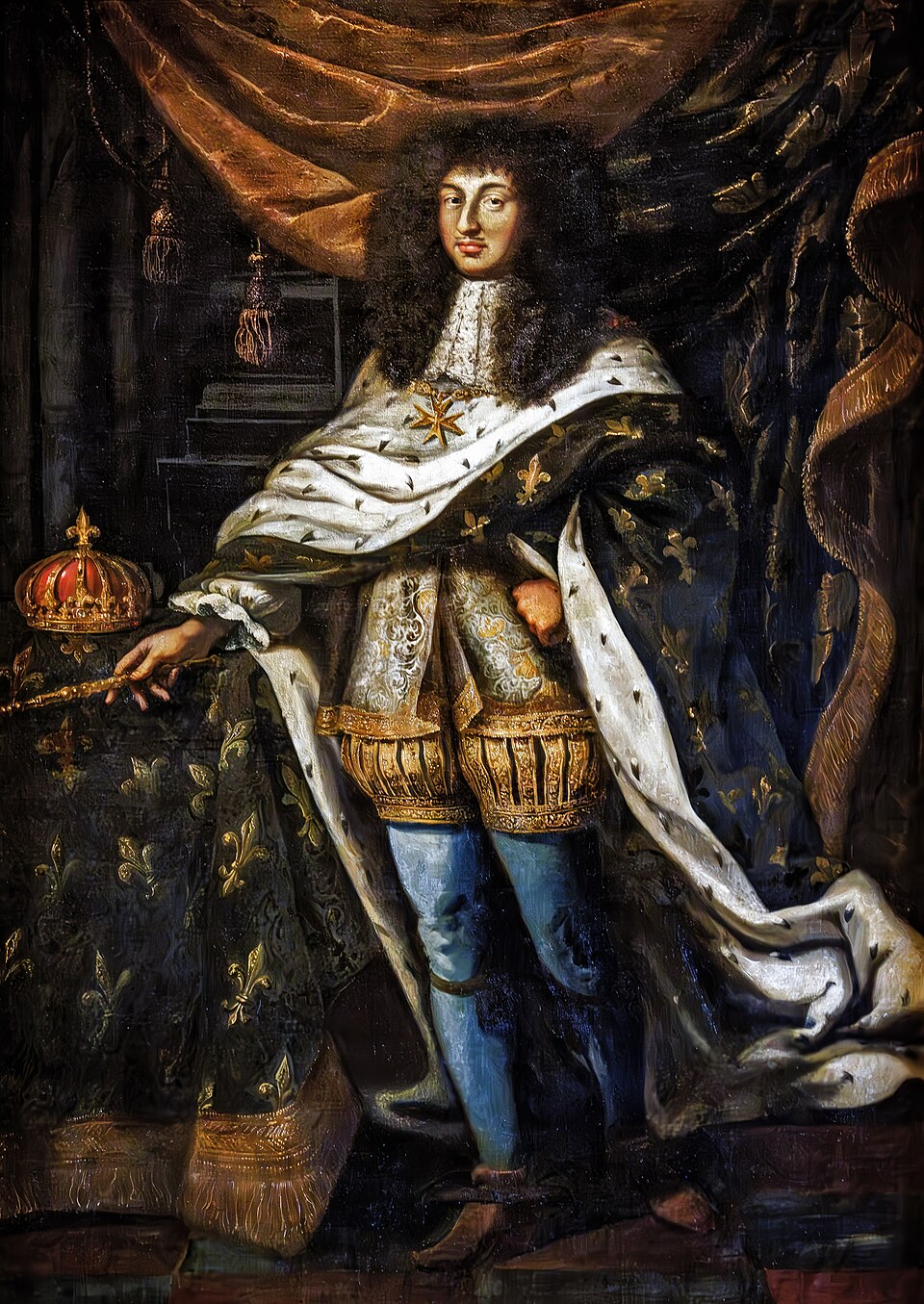
—Did you have that big canal dug that merchants talk about?
Ah, the Canal du Midi! I am very proud of it. Imagine a passionate man, Pierre-Paul Riquet, who dreamed of connecting two seas. Before him, to go from the Atlantic Ocean to the Mediterranean by boat, you had to go around all of Spain, weeks of travel and storms! With my support, we dug a long waterway through the southern lands. Imagine thousands of men digging the earth under the sun, for years. When the first barges glided along it, trade could cross France from one end to the other. Building for a thousand years, that is what makes a reign great.
—They say you drove the Protestants out of France. Is that true?
You ask a difficult question, and I won't lie to you. In 1685, I signed the Edict of Fontainebleau. It forbade Protestants, called Huguenots, from practicing their religion. Before that, we even sent soldiers to forcibly lodge in their homes to make them change their faith: that was called the dragonnades. It was harsh, I know. I believed that one king should have one people, one faith. Imagine entire families forced to hide their prayers, or to flee. Many thought this would make the kingdom stronger. You will soon see that I was wrong.
—And did it work? Did the kingdom become stronger after that?
No, my child. And that is perhaps my greatest regret. Nearly 200,000 Huguenots left France. But who were they? Weavers, clockmakers, merchants, skilled artisans! They went to England, Holland, Prussia, taking their know-how to my rivals. I had wanted a united kingdom, but I weakened its trade and enriched my enemies. You see, when a king forces everyone to be alike, he loses what made him rich: difference. Keep this lesson, you who listen to me. A powerful man who drives away those who don't think like him punishes himself.
Driving away those who don't think like you is giving your wealth to your enemies.
Read further
This imaginary interview was generated by artificial intelligence from sources documented in Louis XIV's profile. It dramatises what the figure might have said based on what we know about them, but does not constitute attested historical testimony. For primary sources and factual documentation, refer to the full profile.