Imaginary interview with Louis XIV
by Charactorium · Louis XIV (1638 — 1715) · Politics · 6 min read
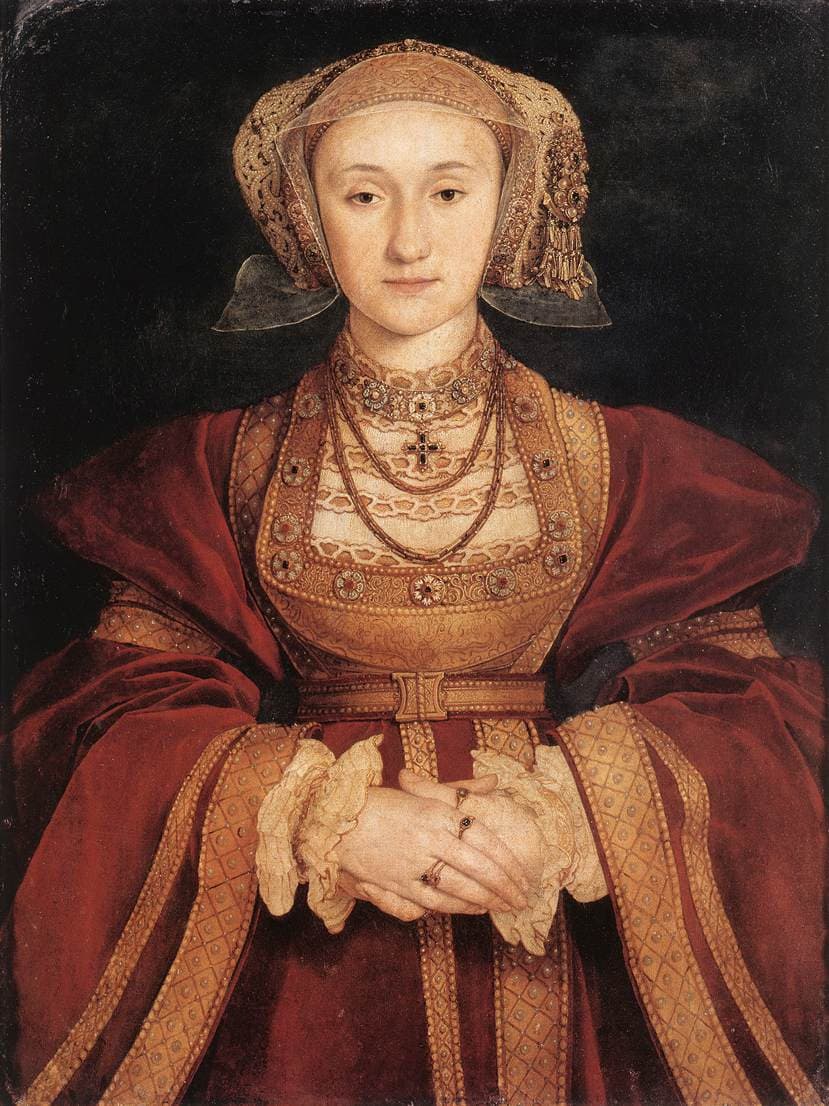
Versailles, a winter evening in 1709. The king, already old, receives us in his study, the fire crackling behind him, the park frozen under frost beyond the windows. He speaks slowly, the measured voice of a man who has reigned sixty-six years and has nothing left to prove.
—How would you describe the day when power became entirely yours?
March 1661. Cardinal Mazarin had just breathed his last, and everyone at court expected me to name a successor, a new master to govern in my place. I summoned my ministers and told them that henceforth I would be my own prime minister, that they would seal nothing without my order. They thought me capricious, judged that the mood would pass. I was twenty-two years old and had seen, as a child, the Fronde drive my mother and me from Paris, the princes and parlements squabbling over my kingdom like dogs over a bone. I had sworn that no hand would ever again slide between the state and mine. It was no whim: it was a scar speaking.
I had seen, as a child, the Fronde drive us from Paris; no hand would ever again slide between the state and mine.
—You wrote memoirs for your son on the craft of being king. What did you want to pass on to him?
I wanted him to know what a crown weighs when you truly wear it, and not when you let others wear it for you. I set down on paper my days, my councils, my mistakes too, so that he would understand that the craft cannot be delegated. I wrote him this thing I have always held foremost: 'I have often been astonished that those who have the good fortune to approach princes do not render them the service of telling them the truth. The interest of the state must come before all else.' You see, a king surrounded by flatterers is a blind man led by the hand. I wanted my son to sleep little, work much, and never forget that his person and the kingdom are one single body.
A king surrounded by flatterers is a blind man led by the hand.
—Why did you transform a marshy hunting lodge into the largest court in Europe?
I am reproached for building Versailles in the middle of marshes, and rightly so: it was a struggle against mud and fever. Le Vau, then Hardouin-Mansart, raised the stones; Le Nôtre tamed the waters and designed those perspectives where the eye loses itself. Tens of thousands of men worked there at once, and many perished from fevers caught in the damp earth — I do not ignore that. But I wanted neither a palace nor a simple dwelling: I wanted a theater where all of France would come to play under my eyes. My chamber was placed on the axis where the sun rises and sets, so that everything, even the course of the stars, might seem to revolve around the king's bed.
I wanted neither a palace nor a dwelling: I wanted a theater where all of France would come to play under my eyes.
—How did the château serve your way of governing the kingdom's great nobles?
A lord who hunts on his lands, far from court, is a lord dreaming of revolt — the Fronde had taught me that in my own flesh. So, from 1682, I installed the court permanently here, and I made presence near me the only path to honors. A duke who wanted a pension, a regiment, a kind word, had to earn it under my gaze, in my antechambers. The red heels I allowed them to wear were not a coquetry: they were a gilded leash. By occupying their days with precedence and minute privileges, I took away their leisure to conspire. The nobility of France, once so quick to raise armies, I had reduced to quarreling over the honor of handing me a shirt.
The red heels were not a coquetry: they were a gilded leash.
—Tell us about this lever ritual, which so many courtiers dreamed of attending.
Each morning, around half past eight, my chamber opened like a sanctuary. The great entered by rank, according to their birth and office: some had the right to see me open my eyes, others only to watch me put on my coat. Holding the candlestick while I left my bed was considered a signal favor; one gloried in it for weeks. This may seem like vain theater to you, and it was — but the vain, well regulated, becomes an instrument of rule. By distributing these minute gestures, I rewarded, I punished, I classified all my world without saying a word. Etiquette was not a fashion: it was my silent police, a clock where each knew his place and feared to leave it.
The vain, well regulated, becomes an instrument of rule.
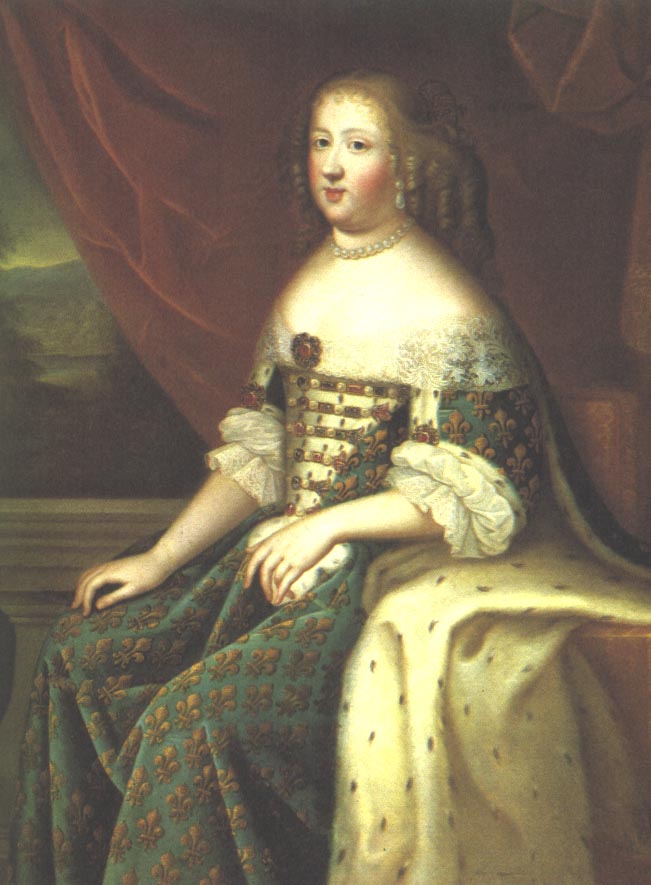
—They say even your meals were a public ceremony. How did you live with that?
I often dined alone, at a table set for a single man, but under the gaze of hundreds of standing people: this was called the Grand Couvert. The crowd watched me bring to my lips my peas, my strawberries, those oysters of which I was very fond, as one contemplates a service. Eating, for common folk, is a need; for the king, it was an act of government, a proof offered that the body of the state was in good health. I had an appetite, I confess, that astonished my doctors. But understand me: everything in my day, from the lever to bedtime, was given to be seen, because a king who hides himself ceases to be king. I never possessed a single moment that was not also a spectacle.
A king who hides himself ceases to be king; I never possessed a moment that was not also a spectacle.
—What ambition did you entrust to Colbert when you gave him finance and industry?
Colbert was a man of numbers, indefatigable, who slept even less than I. I saw with anger the gold of France flowing to Flanders and England to pay for cloth, mirrors, lace that we were perfectly capable of weaving ourselves. So I wrote him this order: 'I command you to ensure that the manufactories of the kingdom produce cloth of such quality that it will no longer be necessary to seek in Flanders or England what France can produce itself.' Thus were born the workshops of the Gobelins, the mirrors of Saint-Gobain, porcelain. A kingdom that buys everything from abroad is a kingdom on its knees; I wanted mine standing, selling its luxury to the world rather than begging for its own.
A kingdom that buys everything from abroad is a kingdom on its knees.
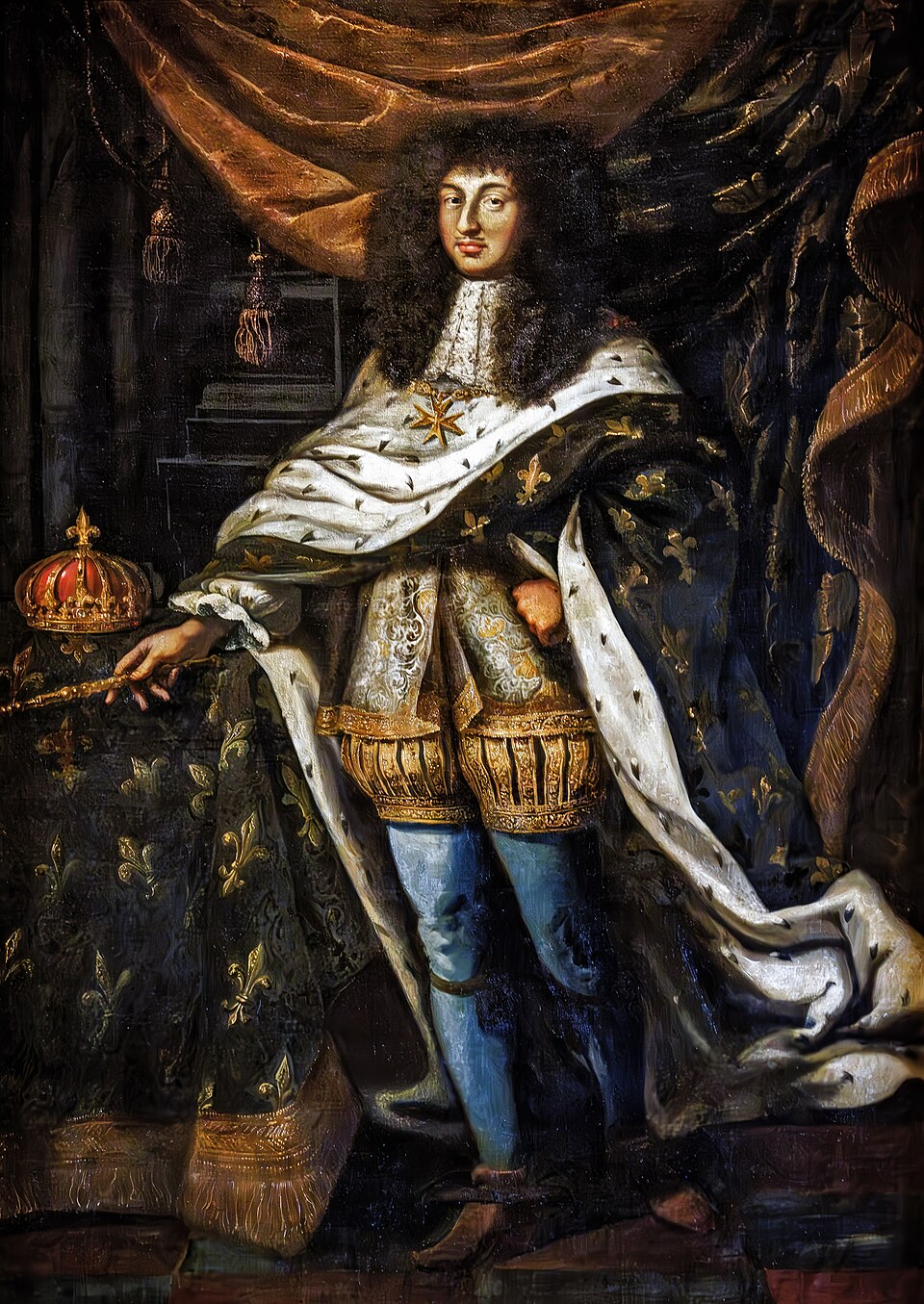
—Beyond the manufactories, what great works did you have to leave to the kingdom itself?
A nation is also measured by what connects its provinces. I supported Pierre-Paul Riquet in that mad enterprise everyone thought impossible: a canal dug through Languedoc to marry the Ocean to the Mediterranean, so that goods no longer had to go around Spain through dangerous seas. I also wanted roads, academies — the Academy of Sciences, in 1666, so that scholars might work in the service of the kingdom as my manufactories worked for its wealth. Building Versailles flattered my glory, I admit; but opening a waterway, encouraging a geometer, was building for centuries I would never see. A great reign is not content to dazzle: it must bequeath solid things under men's feet.
A great reign is not content to dazzle: it must bequeath solid things under men's feet.
—Let us come to 1685 and the revocation of the Edict of Nantes. How do you justify this decision?
In 1685, I signed at Fontainebleau the edict that abolished that which my grandfather Henry IV had granted at Nantes. I meant it to be 'perpetual and irrevocable', and I ordered that the temples of the so-called Reformed religion be demolished without delay. I had been persuaded that almost no Protestants remained in the kingdom, that conversions were proceeding apace, and that a Most Christian king could not tolerate two faiths on his lands. I believed I was serving God and the unity of France. I thought so then with a sincere heart, and I will not tell you the opposite today to spare myself: a king must not lie about what he has willed. But on the fruits of this decision, you will permit me more gravity.
I believed I was serving God and the unity of France; a king must not lie about what he has willed.
—What consequences did this revocation have, and how do you regard them today?
To compel the recalcitrant, dragoons — my soldiers — were billeted in their homes, who treated the families so harshly that this was called the dragonnades. Many Huguenots yielded; but hundreds of thousands of others, rather than abjure, took the roads of exile to Holland, England, the lands of Brandenburg. And those, you see, carried away not only their faith: they carried their trades, their secrets as weavers, clockmakers, merchants. France lost at a stroke a part of its skill and wealth, and enriched kingdoms that were hostile to me. I thought I was cutting out a wound; it may be that I bled my own kingdom. This is one of those things on which, in the evening, an old king meditates longer than he would wish.
I thought I was cutting out a wound; it may be that I bled my own kingdom.
Read further
This imaginary interview was generated by artificial intelligence from sources documented in Louis XIV's profile. It dramatises what the figure might have said based on what we know about them, but does not constitute attested historical testimony. For primary sources and factual documentation, refer to the full profile.