Imaginary dialogue between Victor Hugo and Louise Michel
by Charactorium · Louise Michel (1830 — 1905) · Politics · 5 min read
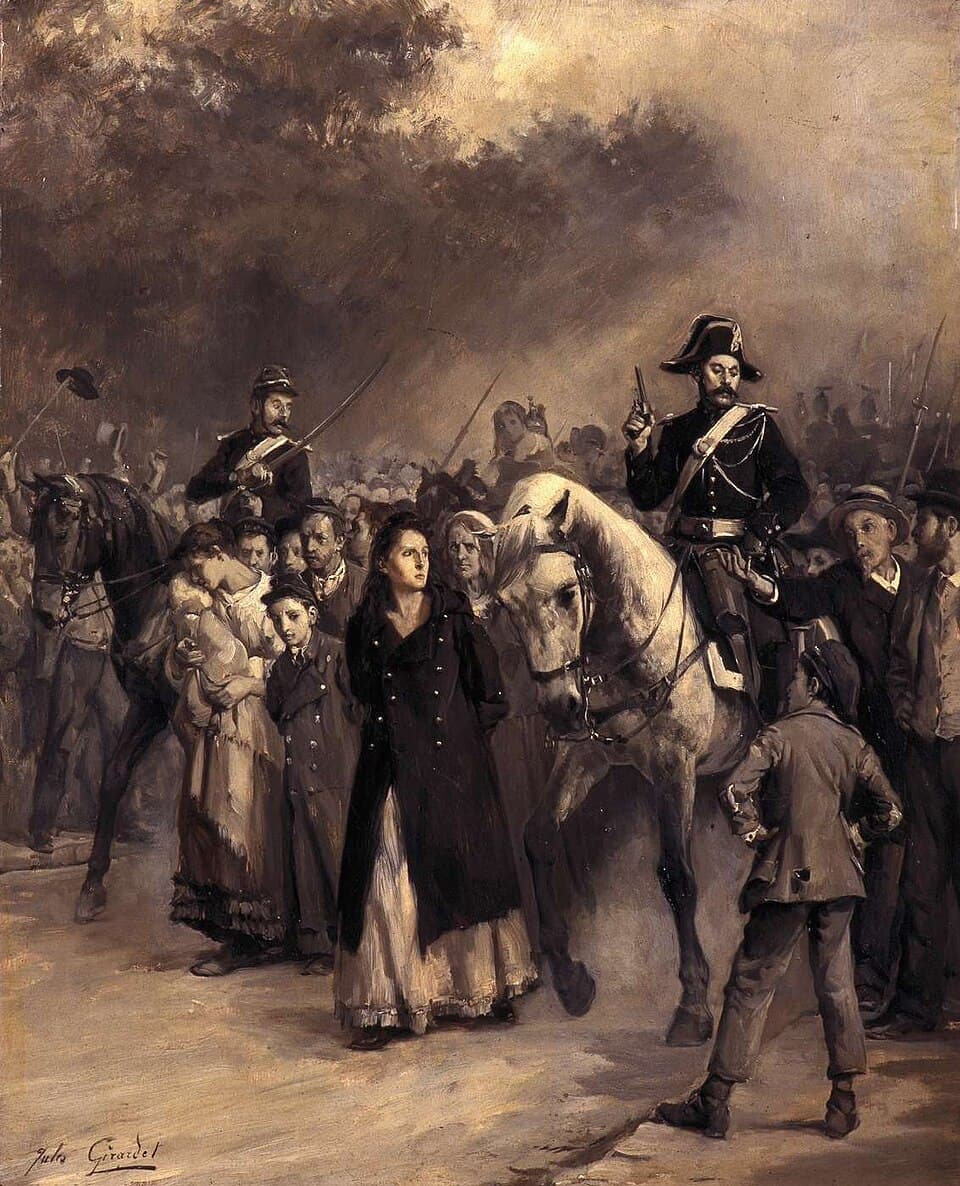
It is in the living room on Avenue d’Eylau, in Paris, that Victor Hugo receives Louise Michel in this autumn of 1882, two years after the amnesty that brought her back from New Caledonia. The lamp illuminates her black cloak thrown over an armchair; on the table, sheets covered with notes about distant plants. The old poet and the schoolteacher have known each other for a long time: as a young girl, she already sent him impassioned letters from Haute-Marne. He followed her from afar, from the barricades of Montmartre to the penal colony, and he comes this evening to listen, not to the legend, but to the woman.
—Louise, when you appeared before the council of war in December 1871, I was told of your words. Did you really mean them?
I meant them, and I still mean them. When the commissioner demanded my head, I was not going to beg for my life from those who had shot my brothers at Satory. I threw it in their faces: if you are not cowards, kill me. And I demanded my share of the execution post, where so many of ours had already fallen during Bloody Week. You see, I did not want to be spared out of gallantry, because I was a woman — that would have betrayed those who were laid in the pit. They deported me rather than shoot me; they were wrong, because you cannot kill an idea by exiling it to the ends of the earth.
You cannot kill an idea by exiling it to the ends of the earth.
—Many in your place would have begged for the judges’ clemency. Why did you demand death rather than mercy, Louise?
To ask for mercy would have been to admit that our cause was a crime. Yet I have never been ashamed of the Commune, not for one hour. Those who begged the judges were giving them right; I wanted to deprive them even of the pleasure of my fear. Death did not frighten me — it would have reunited me with the comrades who fell on the barricades of Montmartre. What was unbearable was to survive by making amends. I preferred the penal colony to renunciation. And besides, you see, a dead person who cannot be silenced becomes a voice: they understood that too late, and that is why they dared not eliminate me entirely.
—Before the barricades, you were a schoolteacher. I recall your letters as a young girl, coming from Haute-Marne. What did you teach your children?
So you remember those letters! I was a teacher at Audeloncourt, then at Montmartre, and already I wrote to you — you were my beacon. I confided that ever since I can remember, the horizon has always seemed too narrow to me; that I have always had the immense desire for freedom. I taught that to the children of the poor, in free schools where I had refused to swear allegiance to Napoleon III. I taught them to read, but also to look at a leaf, an insect, the sky — to think for themselves. Educating a child of the people, you see, was already making the revolution, gently, without a drop of blood.
—And you banned punishments, it is said. In your time, was that not considered a guilty weakness toward these children?
Never a blow, never a humiliation. People claimed then that you could only teach the poor child with the rod; I held the opposite. Fear stupefies, it does not elevate. I took my students to observe plants, animals, the seasons; I wanted them to learn through their eyes and hearts, not through the terror of the master. A school without punishment was already a little republic. You see, I have always believed that gentleness toward the weak and intransigence toward the powerful were one and the same thing. Those who think me violent have never seen how I spoke to a child.
—You were deported so far away, to the Ducos Peninsula. There, I am told, you took the side of the revolted Kanaks. Is that true?
It is true, and I am not ashamed of it. In 1878, when the Kanaks rose up against those who were stealing their land, I recognized our own revolt in theirs. Most of the deportees despised them, called them savages; I saw men who were oppressed as we had been oppressed. I gave them my red scarf from the Commune, the one from the barricades — the only possession I had left. It was my way of telling them: your cause is mine. I was reproached for that loyalty; yet it is the only thing of which I am fully proud from my entire exile.
I gave them my red scarf from the Commune: it was my way of telling them, your cause is mine.
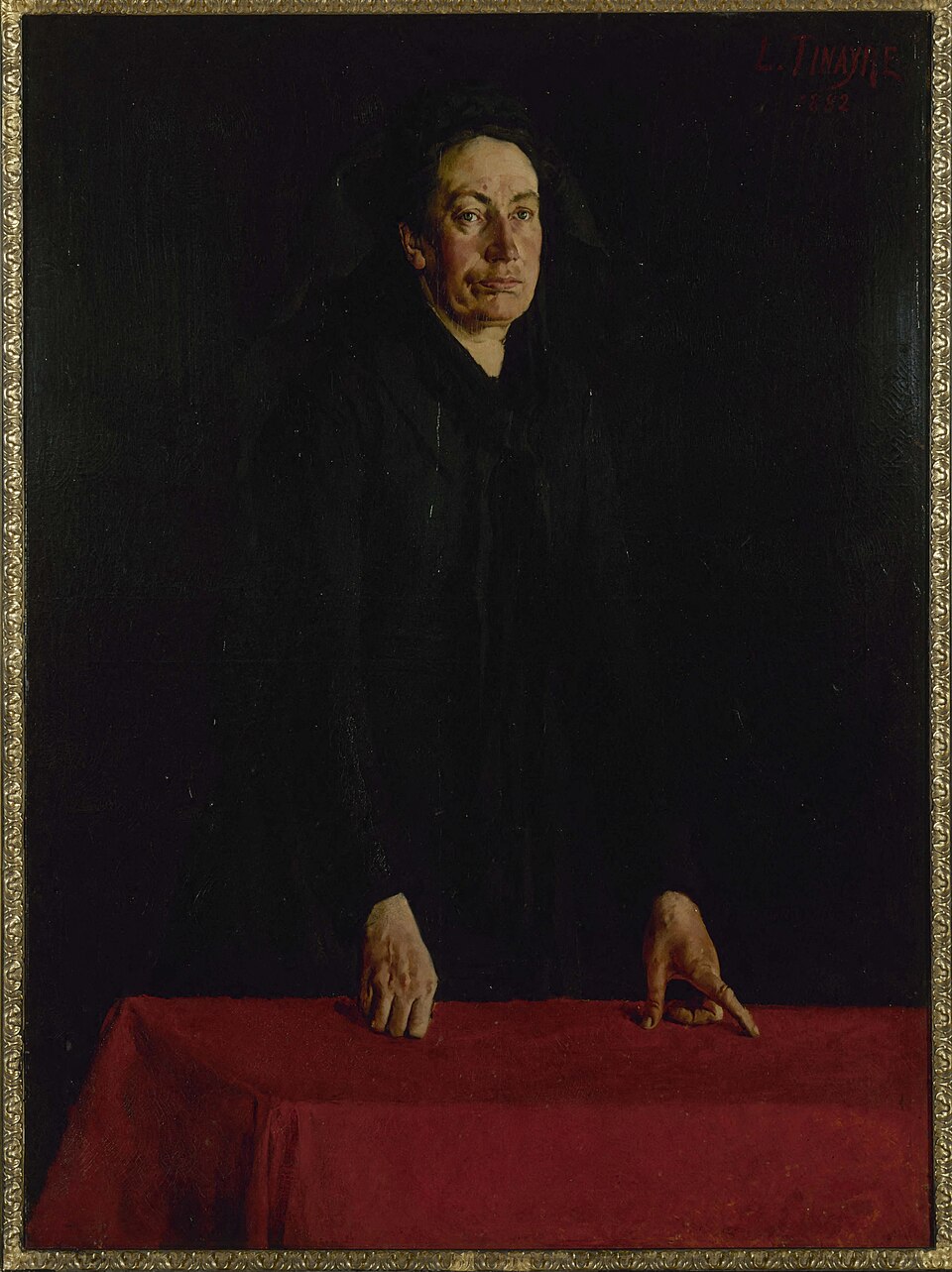
—And these peoples who are depicted to us as savages — what did you learn from them, during those long years at the ends of the earth?
They were described to me as brutes; I found a people of poets. In the evening, they told me their legends, their epic chants, a whole memory that no one had ever collected. I wrote them down, translated them as best I could; I will make a book of them, for this must not be lost. They taught me their language, their herbs, their stars. You see, it was there, among those called savages, that I best understood what civilization is worth: not by its cannons, but by the way it treats the humblest. I left New Caledonia richer than I had arrived.
—These sheets on my table, covered with strange plants — you tell me you brought them back from the penal colony. You, a naturalist, Louise?
Yes, I brought them back from the penal colony. Exile made me a naturalist, almost despite myself. Deprived of everything, I had the sea, the forests, flowers unknown to Europe. I botanized, collected plants, insects, birds; I sent crates of them to the Natural History Museum in Paris, and I was told that unknown species were described thanks to my shipments. My notebooks never left me. Studying nature, you see, was still a way not to despair, to keep the mind free when the body was captive. Science and revolution proceed from the same appetite: to understand in order to liberate.
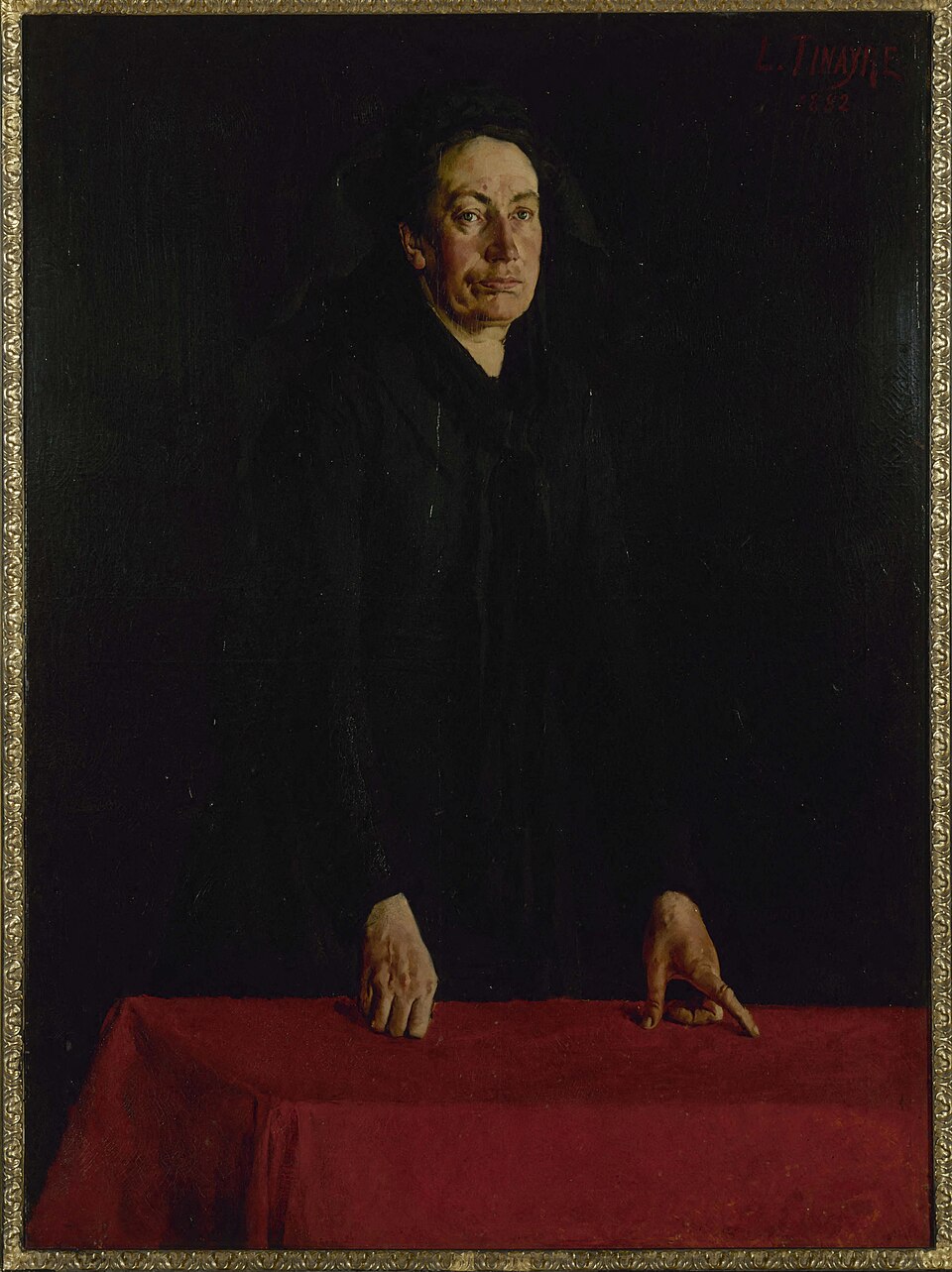
—Is it not strange that a woman said to be thirsting for battle spent her days of exile botanizing?
There is nothing strange about that, believe me. They want to make me a fury who thinks only of gunpowder; it is quite the opposite. I love life in all its forms — a flower, a child, a people. If I fight, it is precisely because I love too much what the powerful trample. In the penal colony, seeing a seed sprout gave me the hope that men denied me. The scientist and the insurgent inhabit the same house in me. Those who see only the barricade in me have understood nothing: I fought so that one day everyone might have the leisure to watch flowers grow.
—The Versailles press called you the pétroleuse, the arsonist. How do you live, Louise, with this black legend that was built around you?
The pétroleuse! They invented that word to slander us, the women of the Commune. Unable to accuse us of being afraid, they accused us of setting fire to Paris with cans of petroleum. A lie of the Versaillais, forged to justify the shooting of working women against walls. Yes, I took a rifle at Montmartre; yes, I fought on the barricades. But the petroleum arsonist never existed except in their gazettes. Our only crime was to want justice for the poor. We were slandered because a free woman frightens them more than an armed man.
—You once wrote to me of your immense desire for freedom. Tell me, Louise: what, at bottom, was the Commune for you?
So you kept that phrase from my twenties... Yes, the horizon has always seemed too narrow to me. The Commune was not a riot, it was a hope: Paris trying to live at last according to justice. Forty days when the people governed themselves, when they spoke of schools, bread, dignity. It was drowned in blood, but it sowed something that will grow again. What I want, at bottom, is this: I am ambitious for humanity; I would like everyone to be an artist, enough of a poet for human vanity to disappear. That is the true Commune — the one that has not yet happened.
I am ambitious for humanity; I would like everyone to be an artist.
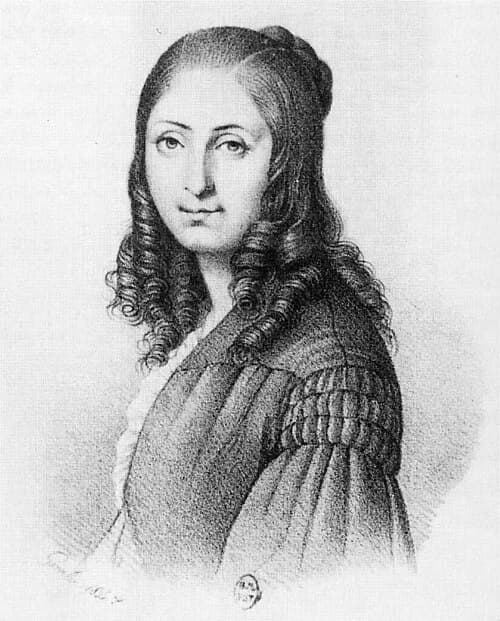
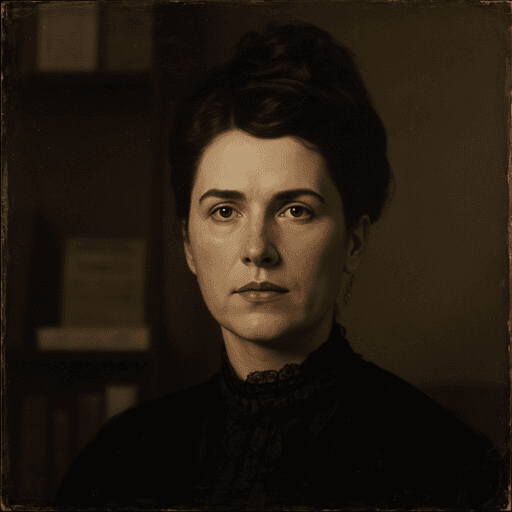
This imaginary interview was generated by artificial intelligence from sources documented in Louise Michel's profile. It dramatises what the figure might have said based on what we know about them, but does not constitute attested historical testimony. For primary sources and factual documentation, refer to the full profile.