Imaginary interview with Louise Michel
by Charactorium · Louise Michel (1830 — 1905) · Politics · 5 min read
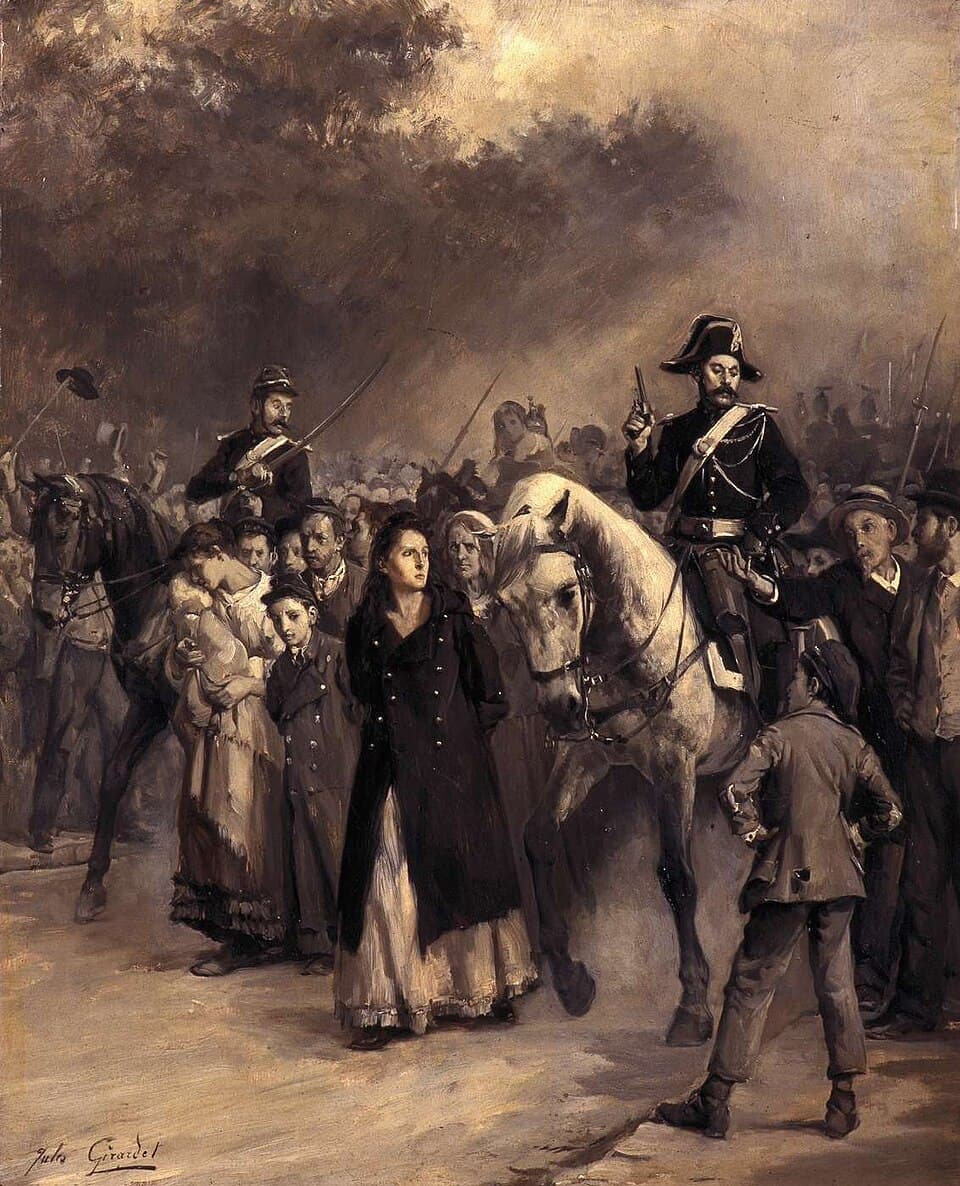
January 1905, a narrow room somewhere between two train stations, on the road to yet another lecture tour. A woman dressed all in black, her face hollowed by seventy-four winters and as many struggles, stacks papers under the lamp. She agrees to speak one last time, her voice still full of barricades and archipelagos.
—Before the barricades, you were a schoolteacher. How did that commitment come about?
As a child, I already carried it within me. In a letter to Victor Hugo, whom I admired as a beacon, I wrote what was truest of me: “Ever since I can remember, the horizon has always seemed narrow to me. I have always had an immense desire for freedom.” School was my first way of widening it. Rather than swear allegiance to Napoleon III in 1853, I opened a free school in Audeloncourt: you do not educate children in the name of an emperor. Then I went up to Montmartre, and I took in the poorest, those no one wanted. My blackboard, my chalk, a few benches: it was a kingdom.
You do not educate children in the name of an emperor.
—What kind of teacher were you in that classroom in Montmartre?
A teacher who never raised her hand. The rod raises beasts, not free men, and I loathed those punishments that the Empire made into pedagogy. I took the little ones to look at a leaf, an insect, the sky above the butte: nature is the first book, and it is free. I gathered texts, tales, and lessons for them, which I compiled in Le Livre du jour de l'an in 1872. My lodging served as both classroom and bedroom; the furniture consisted of a bed, a table, and books everywhere. We lived on bread and soup, but those children, too, had a right to their share of beauty and knowledge.
The rod raises beasts, not free men.
—Do you remember the morning everything changed, March 18, 1871?
How could I forget it? Before dawn, they tried to steal the cannons that the people of Paris had paid for with their misery, those that had been hauled up to Montmartre. The women were the first to throw themselves in front of the soldiers' horses. The tocsin began to beat over the rooftops, and the whole butte rose up. It was not a riot; it was a people catching their breath. The soldiers sent to mow us down turned their rifle butts in the air. That day, the Commune had not yet been proclaimed, but it was already born in the cold of that early morning, and I knew my place would be up there, on the slope, with my own.
It was not a riot; it was a people catching their breath.
—You were seen fighting with weapons in hand. What did that rifle and that red sash mean to you?
My Chassepot, I handled it like any other tool, without coquetry or bravado. I kept watch, I fired, I held the barricades where paving stones, carts, and furniture torn from homes were piled up. The National Guard was the people in arms, and I was a simple soldier in it. As for my red sash, it was not an ornament: it was the color of our oath, blood and hope tied together. I wore it in the smoke of the Bloody Week in May, when the Versaillais shot people on the spot. Later, at the other end of the world, I would give it away—but that is another story. On the butte, it kept me warm like a promise.
—Before the court-martial in December 1871, you did not ask for mercy. Why that choice?
To ask for mercy would have been to betray all those who had already fallen. My brothers had been shot at the Satory post: by what right would I have claimed a gentler fate for myself? I said to my judges without trembling: “What I ask of you is the Satory post where our brothers have already fallen.” Since every heart that beats for freedom was entitled, in their eyes, only to a bit of lead, I demanded my share. It was not courage, you see; it was loyalty. They refused me the death I asked for and sentenced me to deportation; they thought they were sparing me, they only moved me.
They thought they were sparing me, they only moved me.
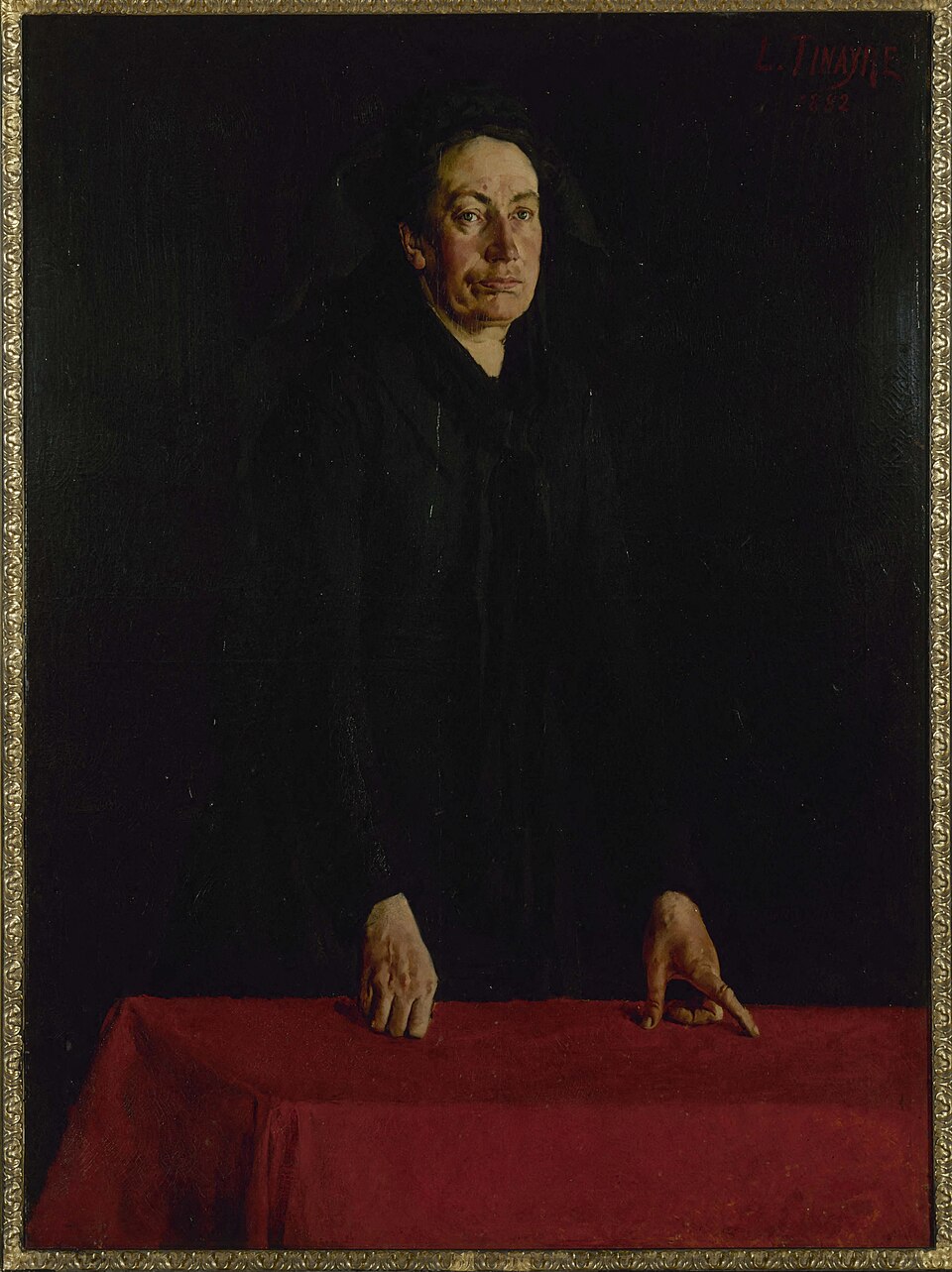
—That sentence of exile to the ends of the earth—how did you receive it?
I was shipped off in 1873 to the Ducos Peninsula in New Caledonia, in a fortified enclosure. Four months at sea for a people of the vanquished, crammed into the cages of a ship. Many died of grief there, ruminating on lost Paris. As for me, I decided that exile would not make me bow my head: a prison may be as big as an ocean, but it does not imprison a conscience. I continued teaching, writing, observing. Thiers' government wanted to make us disappear far away; unwittingly, they offered us a new battlefield and, for me, a whole world to learn. The amnesty of 1880 would bring me back to Paris—but I would not return empty-handed.
—In 1878, the Kanaks rose up. Most deportees turned their backs on them. Not you. Why?
Because an oppressed person who scorns another oppressed person has understood nothing of their own cause. My Communard comrades saw the Kanaks as savages; I saw men being dispossessed of their land, just as we had been crushed in Paris. Their revolt of 1878 was the same as ours, under a different sky. So I gave them what I held most sacred: my red sash from the Commune, torn in two, for those who went to fight in the bush. Many among the white deportees looked at me as if I were mad. But freedom does not know the color of skin, and I have never been able to tell one people in chains from another.
An oppressed person who scorns another oppressed person has understood nothing of their own cause.
—You also collected their stories. What were you looking for in those Kanak tales?
To prove that we were being lied to. We were told these peoples had no soul, no history, no poetry; yet I listened to them in the evening and heard legends as lofty as those of our old provinces. I noted their songs, their tales of deeds, their ways of speaking about the world, and I made a collection, Légendes et chants de gestes canaques, published in 1885. It was my way of doing them justice: a people that sings cannot be inferior to the one that deports them. I learned bits of their language just as I once taught my little ones in Montmartre to read. Civilizing, that word people bandied about, too often meant plundering. I wanted to transmit, which is the opposite.
A people that sings cannot be inferior to the one that deports them.
—The naturalist side of you is little known. How did that passion come to you, over there?
On that red earth, far from everything, science was my consolation and my window. I kept notebooks where I recorded unknown plants, insects, birds that Europe had never seen. I pressed, labeled, observed with the same patience I had once used to observe a leaf with my schoolchildren. Then I sent my specimens all the way to the Muséum d'histoire naturelle in Paris, across the seas. Imagine that: a deportee, a condemned woman of the Commune, contributing to the description of new species! Nature did not ask for my criminal record. It taught me that the world is immense and that no prison, no fortified enclosure can entirely separate us from wonder.
Nature did not ask for my criminal record.
—At the end of such a life, what did you want to pass on by writing your memoirs?
I wrote my Mémoires in 1886, not to tell the story of Louise Michel, but so that the Commune would not die a second time in oblivion. I wanted people to know what the people want when they rise up: not the plunder attributed to them, but justice and beauty for all. I wrote it in my own words: “I am ambitious for humanity; I would like everyone to be an artist, poet enough for human vanity to disappear.” That is my entire program. The schoolteacher, the fighter on the barricades, the deportee, the naturalist: they are not four women, but one, who never stopped wanting to widen the too-narrow horizon of my childhood.
I wanted people to know what the people want when they rise up.
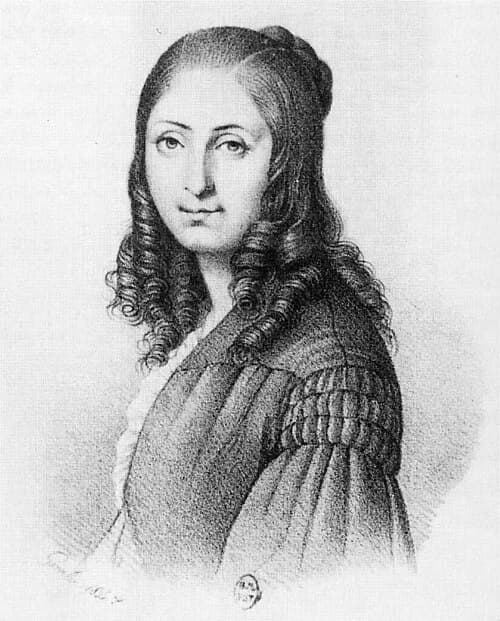
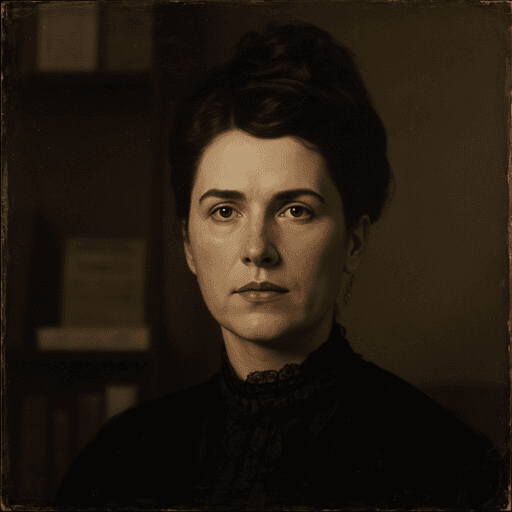
This imaginary interview was generated by artificial intelligence from sources documented in Louise Michel's profile. It dramatises what the figure might have said based on what we know about them, but does not constitute attested historical testimony. For primary sources and factual documentation, refer to the full profile.