Imaginary dialogue between Francesco Vettori and Machiavelli
by Charactorium · Machiavelli (1469 — 1527) · Philosophy · Politics · 6 min read
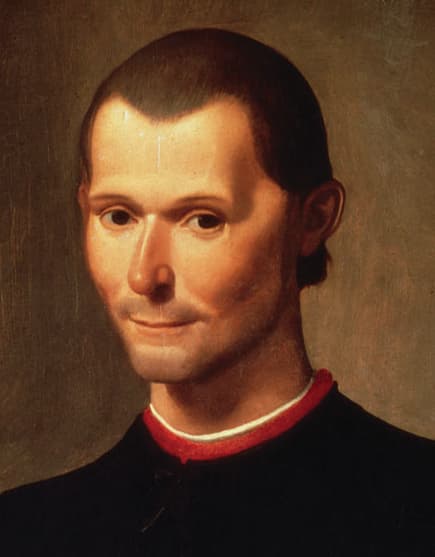
It is on a hill in Sant'Andrea in Percussina, in front of the modest Tuscan farm where Machiavelli has been exiled since his disgrace in 1512, that Francesco Vettori finds his friend on a winter evening in 1513. The freshly cut stumps still smoke in the yard, and the smell of local wine wafts from the nearby tavern. The two men have known each other for a long time, exchanged countless letters on the affairs of Florence and Rome, and Vettori has come to understand what his friend is doing, alone, in that study where he locks himself every night.
—Niccolò, it's been almost a year since the Medici returned and drove you out of the chancellery. You who write to me so often, tell me truly: how are you living through this fall?
You know better than anyone, Francesco, you to whom I confide my moods since the wheel turned. I served the Signoria fourteen years, from 1498 to 1512: missions, dispatches, militias, I lived at the heart of affairs. And then the Medici returned, I was dismissed, thrown in prison, accused of a conspiracy I had nothing to do with. They gave me the rope, six turns, and I denied everything because there was nothing to confess. Today I scratch my meager land, I count my logs, and the morning weighs heavier than the torture. But believe me: a man who has seen power so close never fully recovers from it.
They gave me the rope, six turns, and I denied everything because there was nothing to confess.
—You told me in your last letter about a strange evening ritual. Explain it to me again: why change clothes before sitting at your table?
Ah, that letter I wrote you on December 10 — I knew it would strike you. By day, I am here a peasant among peasants: I watch my woodcutters, I quarrel over three faggots, in the afternoon I play dice at the tavern with the miller and the butcher, and the filth covers me. But when evening comes, I return home, I take off these muddy clothes, and I put on courtly garments, royal and pontifical. Thus dressed, I enter the ancient courts of the men of old; I speak to them, I question them about their actions, and they answer me. For four hours, I feel no boredom, I forget poverty, death no longer frightens me. I give myself entirely to them.
I take off these muddy clothes, and I put on courtly garments; thus dressed, I enter the ancient courts of the men of old.
—And from these nightly conversations with the Ancients, what have you drawn? You hinted to me that you were blackening pages — on what, my friend?
On the Prince, Francesco. A small treatise, barely a hundred pages, where I gather all I have learned about how to conquer and keep a state. I write it quickly, in a few weeks, like emptying an overflow. I distinguish principalities according to their origin — hereditary, new, conquered by arms or by fortuna — and I tell how each stands or falls. And I think of dedicating it to the Medici: so they may at least see that these fifteen years spent studying the art of state were not wasted. Perhaps they will employ me again, if only to roll a stone. I would rather serve than rot in this idleness.
—That will trouble more than one prelate. You write, you told me, that a prince must sometimes know how not to be good. Are you not afraid, Niccolò, that you will be taken for an impious man?
Let them take me for what they will; I describe men as they are, not as preachers dream them. Look, Francesco: so many authors have imagined republics and principalities that have never been seen. I, on the other hand, go to the effective truth of the thing. A prince who would be good in everything, among so many who are not, runs to his ruin. It is therefore necessary for him, if he wants to maintain himself, to learn to be able not to be good, and to use it or not according to necessity. It is not that I cherish evil — it is that necessity commands, and that a man's virtù is measured by his way of bending fortuna, not by his good intentions.
I describe men as they are, not as preachers dream them.
—You thus separate morality and politics as if cutting with a knife. But the man behind the secretary — the you I know — do you truly believe one can govern without virtue?
Do not misunderstand me, my friend. I do not say one must be wicked; I say one must know how to become so when the state demands it, and become good again as soon as one can. The prince must be a fox to recognize traps and a lion to frighten wolves — one without the other does not hold. In my Discourses on Livy, you will see that I far prefer the Republic, where the virtue of citizens makes greatness, to the tyranny of a single man. Men do good out of necessity; give them too much freedom without restraint, and everything fills with confusion. Governing is holding this cruel balance: neither saint nor demon, but lucid.
The prince must be a fox to recognize traps and a lion to frighten wolves.
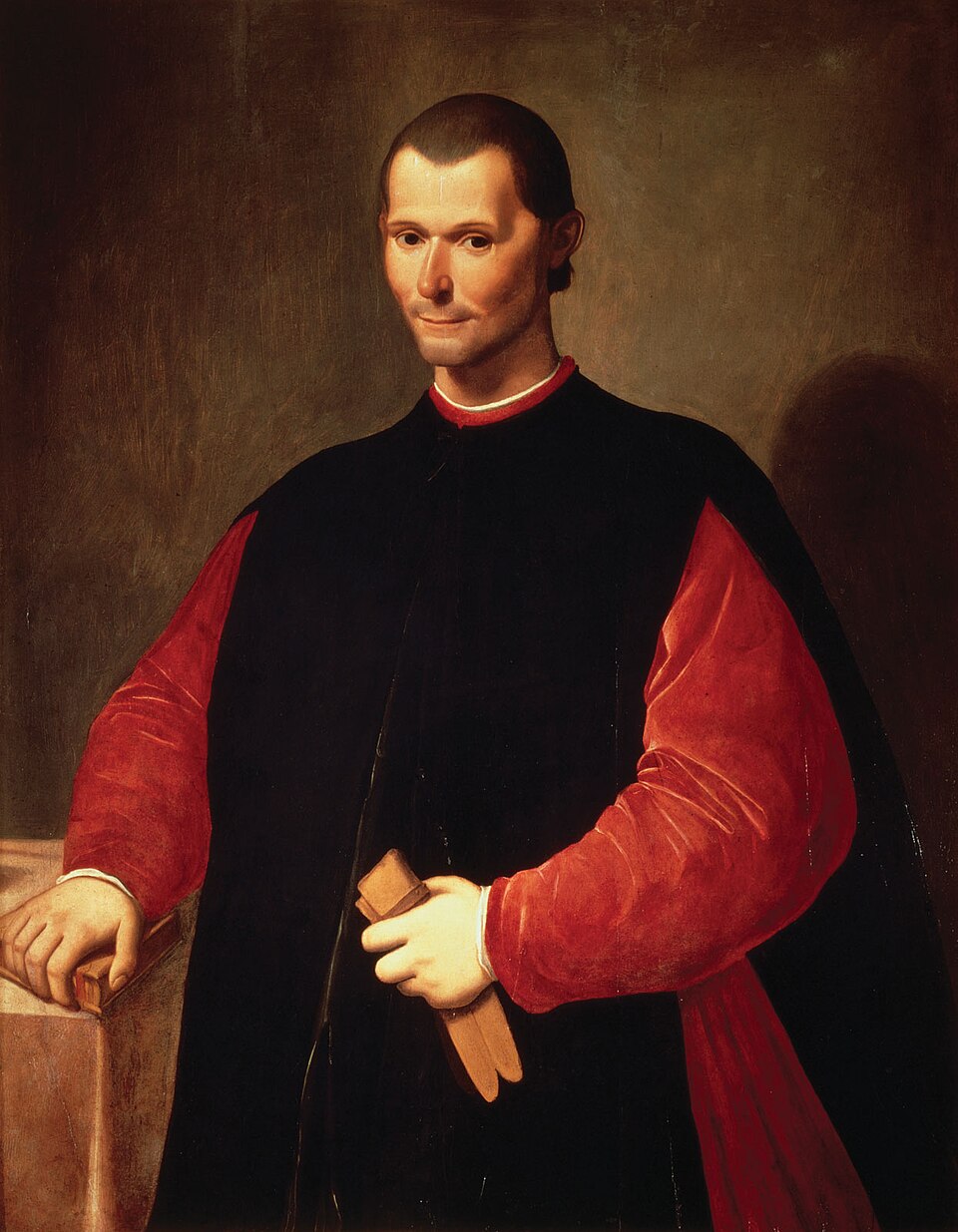
—When you speak of the energetic prince, I think I recognize a shadow. Are you thinking of that Cesare Borgia whom you followed in Romagna? You used to speak of him with fire, long ago.
You have a sharp eye, Francesco. In 1502, the Signoria sent me to the Valentino, to Imola and then Cesena. I observed him for weeks, and I have never seen a man combine such energy with such coldness. How he seized Romagna, how he knew how to rid himself of the leaders who betrayed him at Senigallia — in one stroke, without hesitation — how he had his lieutenant Remirro de Orco beheaded and displayed in the square, so that the people would fear him while being grateful for the bloodshed: that is the art of founding a new state. Fortuna struck him down when his father the pope died. But without it, he might have unified Italy. From him, I learned much.
I have never seen a man combine such energy with such coldness.
—So you still admire him, that fallen condottiero? Even fallen, even defeated by Pope Julius II, whom he thought he could manipulate?
I do not admire the man, I study the example — the nuance is everything. Borgia made only one mistake, but a capital one: he allowed a cardinal he had offended to ascend the throne of Saint Peter. Julius II never forgave, and that was his undoing. This teaches me that a prince must never believe that a new favor erases an old injury in the hearts of the powerful. For the rest, I repeat: whoever wants to build something new must know how to be ruthless at the right moment, then clement when the deed is done. You, who have seen Rome up close in your missions, know that there everything is calculation and patience. Borgia was struck down by fortuna — but his virtù remains a model to ponder.
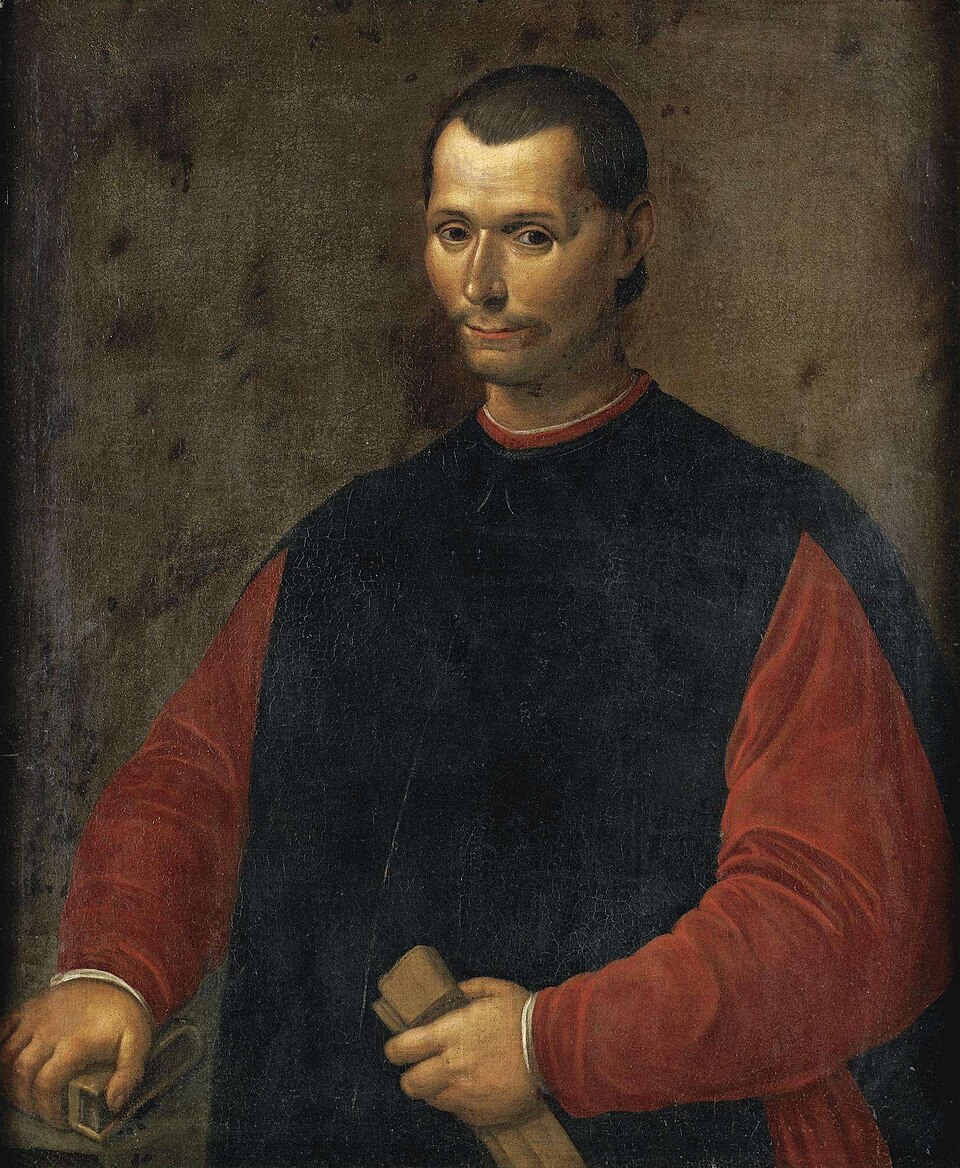
—Let us speak of war, a subject close to your heart. You who armed the Florentine peasants, why this relentless distrust of mercenary troops?
Because they ruin those who trust them, Francesco! A condottiero fights only for pay; without it, he deserts or sells out to the enemy. Italy has been ravaged and humiliated precisely because its princes entrusted their fate to these venal captains who spare their men to last longer and pocket the money. That is why, as early as 1506, I pushed Florence to raise its own citizen militia, and in 1509 I led it under the walls of Pisa until the city surrendered. Seeing our own peasants in arms retake Pisa, that day, was one of my greatest prides. A state stands only on good laws and good arms — and good arms are its own, never those of others.
A state stands only on good laws and good arms — and good arms are its own.
—So that is the heart of what you want to write about the art of war. Do you truly believe a city like ours can renounce professional soldiers?
I believe it, and I want to demonstrate it in a work I am meditating, in dialogue form, on the art of war. Think of the Romans, whom I reread every night: their strength came not from hired bands, but from legions of citizen-soldiers who defended their own freedom and their own land. A man fights differently when it is his home, his wife, his field he protects. Discipline, training, love of the native soil are worth more than all the gold paid to mercenaries. Florence has forgotten this, all Italy has forgotten it, and we pay the price under foreign boots. Returning arms to the people is returning their dignity — and it is the only way, my dear Francesco, to lift this poor peninsula.
—The hour grows late and your candle awaits. One last thing, Niccolò: what do you want, deep down, from all this solitary labor?
To serve again, Francesco — nothing else. This idleness gnaws at me more than the rope ever did. I gave fourteen years to the Republic, I saw Borgia, Julius II, Emperor Maximilian; I learned from the greats of this world and from illustrious dead what few men know. And here I am counting my thrushes and faggots. If you can put in a good word for me with whoever is in power, in Rome or Florence, do it: I am ready to roll stones as long as I am employed. And if no one wants me, then at least these pages will one day say that Niccolò Machiavelli was neither a fool nor a idler, but a man who loved his country more than his soul.
I loved my country more than my soul.
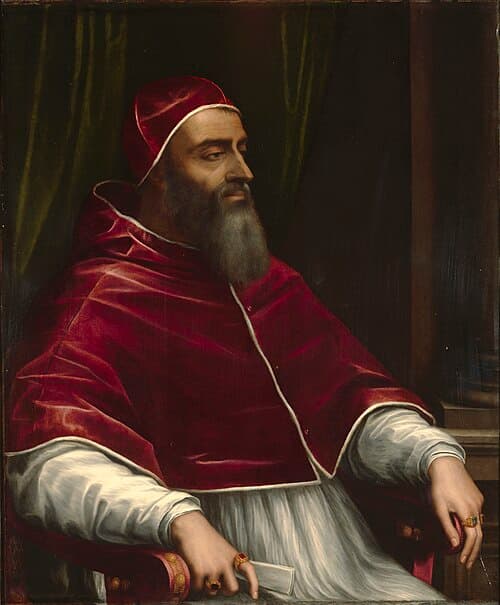

This imaginary interview was generated by artificial intelligence from sources documented in Machiavelli's profile. It dramatises what the figure might have said based on what we know about them, but does not constitute attested historical testimony. For primary sources and factual documentation, refer to the full profile.