Kids interview Madame de Staël
by Charactorium · Madame de Staël (1766 — 1817) · Literature · Philosophy · 5 min read
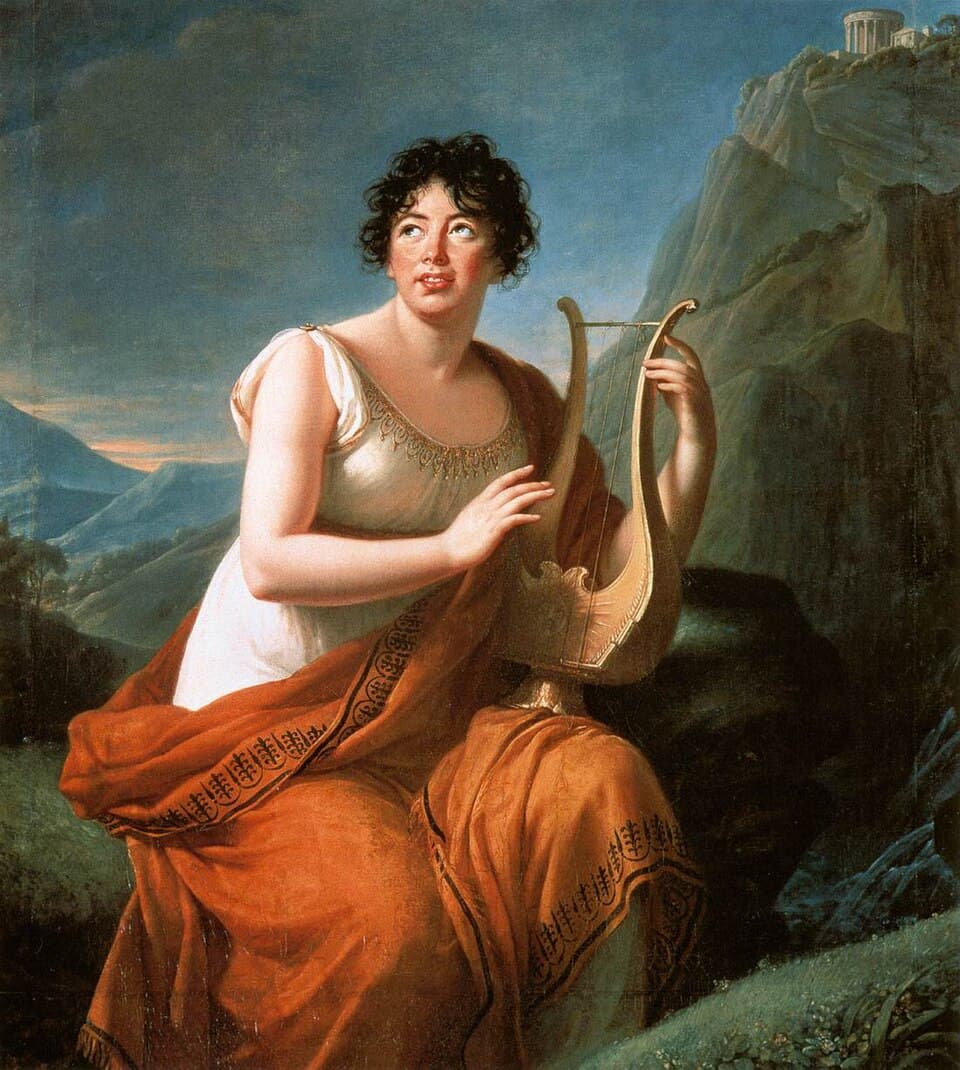
Two twelve-year-old visitors, on a school trip by Lake Geneva, push open the door of a great château. A lady in a turban welcomes them, a small twisted twig between her fingers. It is Madame de Staël, and she has so many things to tell them.
—How old were you when you started talking with the great scholars?
You know, my child, I was barely twelve — your age! My father, Jacques Necker, was the king's finance minister. At our home, in the evening, the table filled with philosophers. They are the thinkers of the Enlightenment, those people who believed in reason and progress. Imagine a room full of gentlemen arguing loudly, and a little girl who dares to answer. They looked at me, surprised. I was not afraid. I listened, I asked questions, I shot back a retort. It was there, in that noise of ideas, that I fell in love with thinking. One never learns better than by listening to great people talk.
One never learns better than by listening to great people talk.
—Did you love your papa very much? They say you kept his bust.
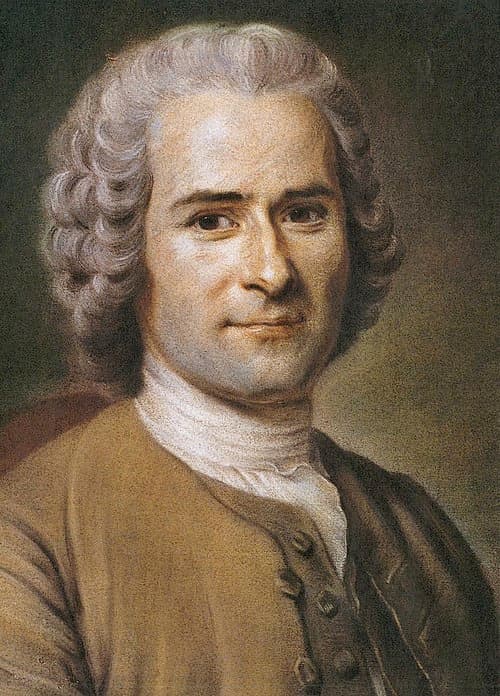
Oh yes, I adored him. My father Necker was the fairest man in the world to me. After his death in 1804, I kept a bust of him, in stone, in my apartments. Every time I passed by, I thought of him. It was as if he were still watching over me. My very first work, at twenty-two, was about Rousseau, a philosopher I admired. But deep down, it was my father who gave me everything: the love of books, the courage to say what I think. A parent who trusts you, my child, is the greatest gift of all.
A parent who trusts you is the greatest gift of all.
—Is it true you argued with Napoleon? Were you afraid of him?
Argued is a small word for a big affair! Napoleon could not bear that a woman think for herself and say it aloud. He had me watched, day and night. Was I afraid? A little, I admit. But mostly I was proud. One day, he ordered me to stay forty leagues from Paris — a league is about an hour's walk. I was banished, like a criminal. Yet I had killed no one. My only crime was not wanting to be silent. All my life, I preferred exile to silence.
My only crime was not wanting to be silent.
—What does it feel like to be forced to leave your home and country?
It is heartbreaking, my child. Imagine being told: you can no longer go home, nor see your friends again. I lived that for years, I even told it in a book, Ten Years of Exile. People like me were called proscrits: persons driven out for their ideas. It was hard, but I was never truly alone. I carried my books, my manuscripts, my faithful friends. Wherever I went, I recreated a little home. Sadness was there, yes. But an idea you defend keeps you warm, even far from home.
An idea you defend keeps you warm, even far from home.
—What was your château by the lake like? What happened there in the evening?
Ah, Coppet! My château on the shores of Lake Geneva, with the mountains opposite. In the evening, it was magical. Twenty, thirty people gathered in my salon. We read texts aloud, discussed, sometimes performed little plays. It sometimes lasted until two or three in the morning! All those Napoleon had driven out came to me: writers, thinkers, like my friend Benjamin Constant. Our circle was called the 'Coppet group'. Imagine a house where ideas never sleep. It was my refuge, and theirs too.
Imagine a house where ideas never sleep.
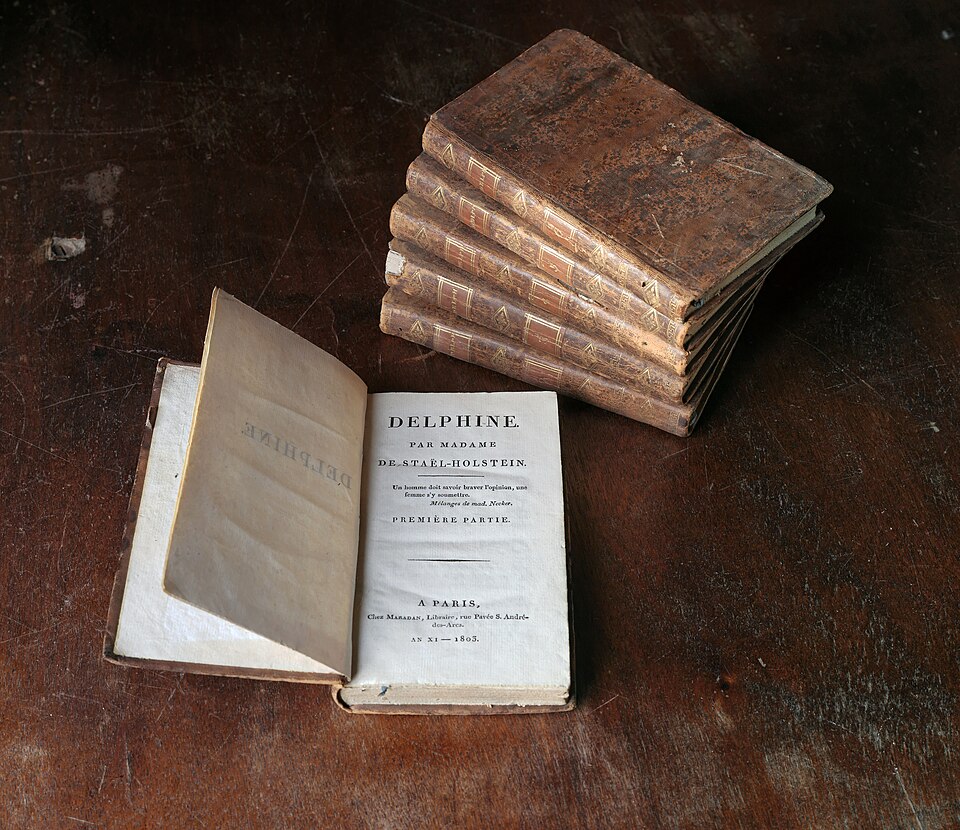
—What did your home smell like, and what did you eat in the morning?
What a lovely question! I got up late, you see, often after ten o'clock — because I had talked very late into the night. In the morning, I had coffee, that drink all people of spirit loved in my day, and little bread rolls. Meanwhile, I was already dictating letters. I wrote to friends all over Europe, with my goose quill dipped in the inkwell. At home, it smelled of paper, fresh ink, and hot coffee. And always, in my hand, a little twig that I twisted while talking. An old habit! I could not think without fiddling with something.
At home, it smelled of paper, ink, and hot coffee.
—What is the book Napoleon had destroyed? Why did he resent you so much?
It was called On Germany. I had traveled as far as Weimar, in Germany, and there I met two immense writers, Goethe and Schiller. Their ideas dazzled me. I wanted to make them known to the French. But in 1810, Napoleon's police seized all copies and destroyed them, even before sale! Why? Because I spoke of freedom, imagination, and not of his glory. The book could only appear in London, in 1813. And you know what? You can burn pages, but not the ideas they contain.
You can burn pages, but not the ideas they contain.
—What is Romanticism, which you talked about all the time?
Good question, my child! Romanticism is a new way of feeling and writing. Before, people mostly loved reason, order, straight rules. Romanticism, on the other hand, emphasizes the heart, dreams, nature, great feelings. I said there was a literature of the North — that of misty countries, melancholy and dreamy — and a literature of the South, clearer and sunnier. It was by discovering Germany that I understood this. I was one of the first to explain it to the French. Learn to feel before judging: that is how you truly understand a work.
Learn to feel before judging.

—You wrote a novel about a girl who invents poems on the spot? Who is she?
Yes! Her name is Corinne, and her story takes place in Italy. Corinne is an improviser: an artist capable of inventing a poem on the spot, standing before the crowd, on a subject given to her. Imagine a young woman who climbs onto a platform in Rome and makes verses spring forth, just like that, without preparation. Everyone admires her. Through her, I wanted to say one thing: a woman too can have genius, create, shine. In my time, people did not believe that enough. Corinne was my cry for all girls who have something to say.
A woman too can have genius, create, shine.
—Did you want to become very famous? Does glory make you happy?
Ah, that is a question I asked myself all my life! Yes, I desired glory, I won't lie to you. But in Corinne, my heroine wonders: what is glory, after all, 'a noise, a commotion, of which the soul tires'? You see, you think fame will fill you. And then you discover it is not enough for happiness. What really matters is to create something beautiful, to love your friends, to stay true to what you think. Glory passes like the wind. A sincere work, it remains.
Glory passes like the wind. A sincere work remains.
—If someone met you today, what would they notice first about you?
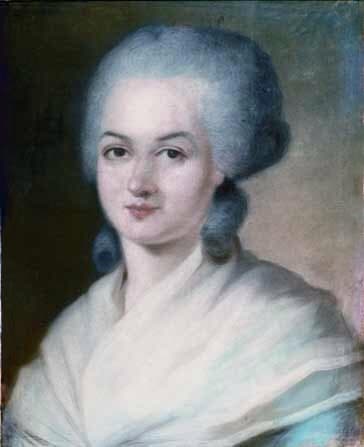
Ha! You would first notice my turban — that wrapped hairstyle I loved to wear, on my black hair. Then my large cashmere shawls, draped somewhat carelessly over my shoulders. And above all, that little twig I constantly twist between my fingers while talking. People called me talkative, passionate, unable to stay still. It's true! My ideas went so fast that my hands had to move too. But don't be fooled by that disorder. Behind it, there was a woman who thought relentlessly. Appearance stirs; it is thought that leads.
Appearance stirs; it is thought that leads.
Read further
This imaginary interview was generated by artificial intelligence from sources documented in Madame de Staël's profile. It dramatises what the figure might have said based on what we know about them, but does not constitute attested historical testimony. For primary sources and factual documentation, refer to the full profile.