Imaginary interview with Marian Anderson
by Charactorium · Marian Anderson (1897 — 1993) · Music · Society · 6 min read
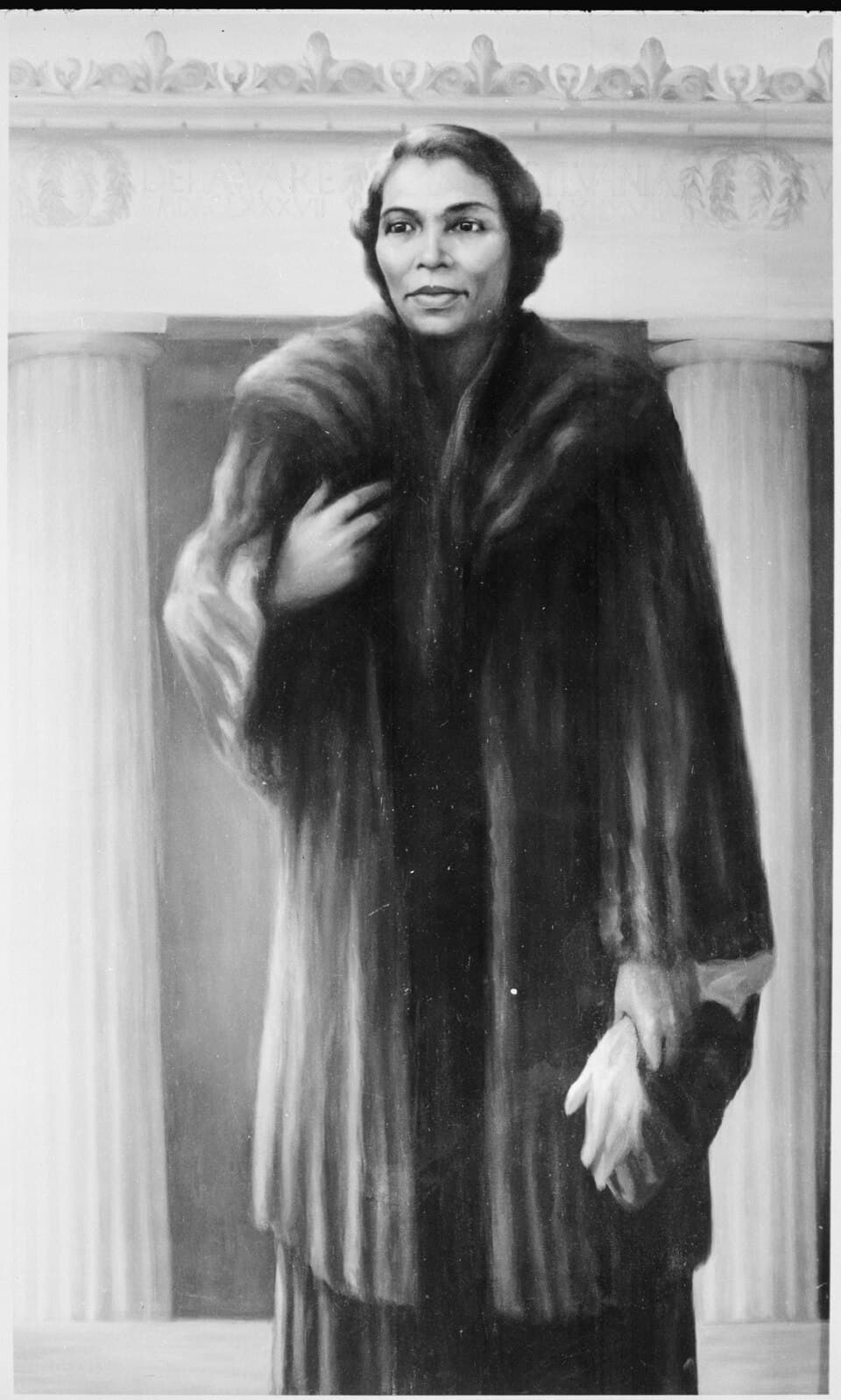
Danbury, Connecticut, a late autumn afternoon. Marian Anderson receives us at Marianna Farm, in the large living room where the grand piano still holds the place of honor. Her voice, at rest, retains that deep timbre that crossed oceans; she speaks slowly, as one conserves a precious instrument.
—Do you remember the morning of April 9, 1939, before you went up to sing at the foot of the Lincoln Memorial?
It was cold, a clear cold of Washington in early spring. I had been denied at Constitution Hall because my skin was not the right color, and there I was before 75,000 people, under the open sky, with Abraham Lincoln in stone looking over my shoulder. Secretary Harold Ickes introduced me saying that genius, like justice, is blind. My throat tightened. I had prepared nothing political; I came to sing, as always. But when I began the first verse, I understood that my voice no longer quite belonged to me that day—it belonged to all those in the crowd who had never had the right to enter through the front door.
My voice no longer quite belonged to me that day.
—How did you experience the gesture of Eleanor Roosevelt, who publicly resigned to support you?
She wrote that she could not remain a member of an organization that had shown such intolerance—and she wrote it in black and white, in February, in the newspapers the whole country read. You know, a woman in my position learns very early not to expect help. You lower your head, you sing, you move on. That the president's wife would take that risk, publicly, moved me more than I can say. I have always thought, as I later confided, that there are many people ready to do what is right because deep down they know it is right—but they hesitate, waiting for the other to move first. That day, Mrs. Roosevelt moved first.
—How did you feel stepping onto the stage at the Metropolitan Opera on January 7, 1955?
I was fifty-seven years old and making my opera debut—it's almost comical when you think about it. I was playing Ulrica, the fortune-teller in Verdi's Un ballo in maschera, a woman who reads the future in flames. My knees were trembling so much I thought my costume would betray me. Then the curtain rose, and before I had sung a note, the audience stood. I had to wait, wait longer, for that roar of applause to subside. No African-American woman had crossed that threshold before me. I knew it was not only my voice they were saluting, but something larger, beyond me—and that, oddly, calmed me. It was no longer my stage fright: it was a door opening behind me.
It was no longer my stage fright: it was a door opening behind me.
—Why did this role of Ulrica, this figure of a seer, seem right for such a debut?
Chance sometimes makes poetry. Ulrica lives on the margins, feared and consulted in secret; she sees what the powerful do not want to see. In 1955, in that America, a Black singer at the Metropolitan Opera of New York was also a kind of presence not expected on that stage. The same year, in Montgomery, a woman named Rosa Parks refused to give up her seat on a bus. I do not claim that my opera weighed as much as her courage. But we were advancing, each in her own way, toward the same light. I sang Verdi with all my soul, and I felt that the role and I shared that evening a common secret: what has been seen in the light of day is not so easily pushed back into the shadows.
—What did the spirituals you recorded so often mean to you?
They are the first songs I ever knew, long before Verdi or Schubert. As a little girl, in the Baptist choir of South Philadelphia, I sang Deep River and He's Got the Whole World in His Hands without yet knowing they were a treasure. These melodies were born in the mouths of slaves; beneath the biblical words ran messages of hope, sometimes of escape. When I recorded those spirituals for RCA Victor and brought them to European stages, I felt I was doing justice to voices that had never been allowed to rise. A spiritual is not a folkloric curiosity: it is a prayer and a memory. I kept my annotated scores as others keep letters—because they told the story of my people.
A spiritual is not a folkloric curiosity: it is a prayer and a memory.
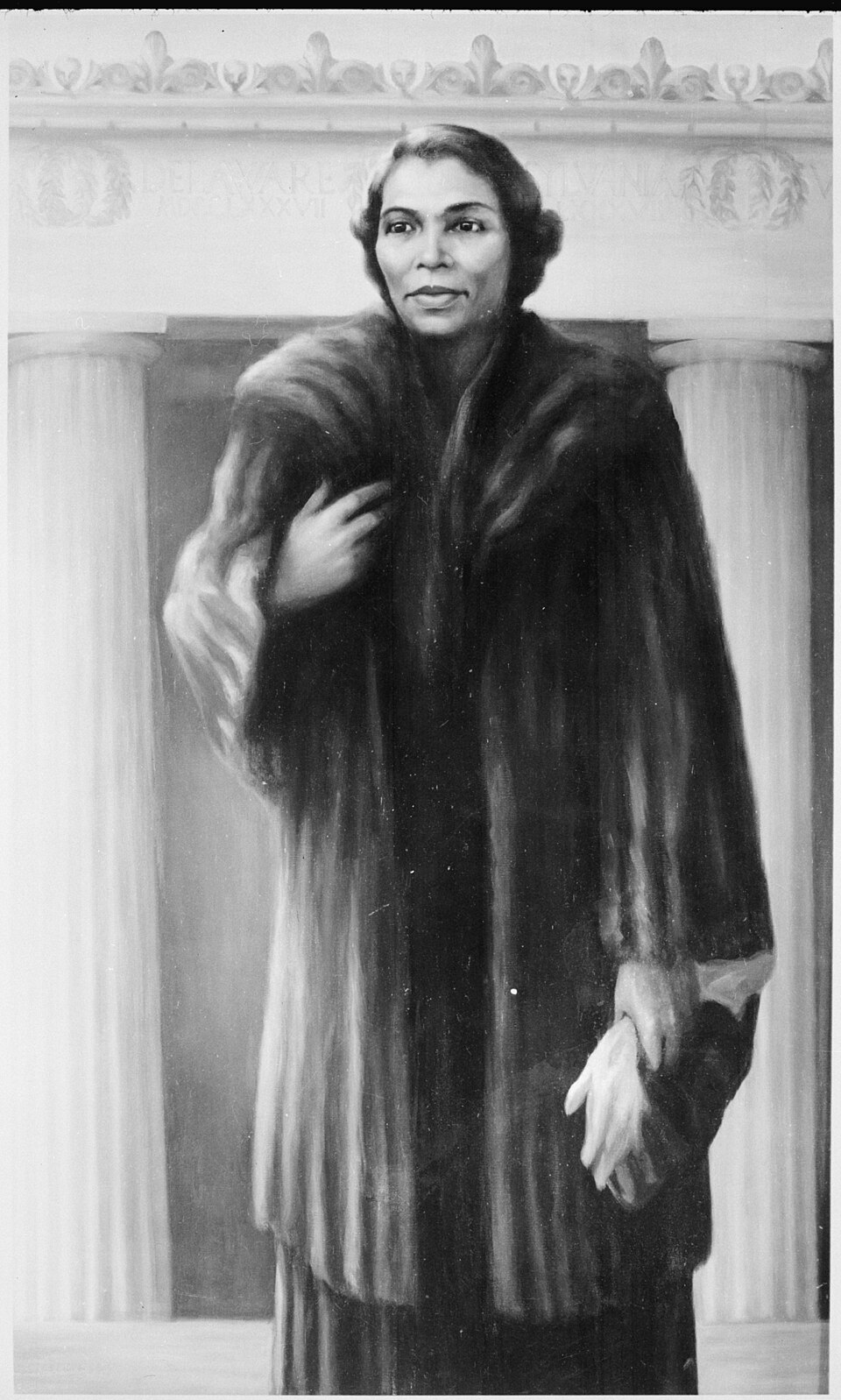
—How did you explain to a European audience, often ignorant of this history, what these songs carried?
I explained almost nothing. I learned that a long speech weakens what music says in a single breath. I closed my eyes, let my voice descend into the low register, and Deep River did the rest—that image of a deep river one dreams of crossing to the other shore. The halls fell silent in a particular way, a silence not of admiration but of recognition. I always wanted these melodies to stand as full-fledged masterpieces, alongside the German lieder I sang in the same program. Placing Trampin' after Brahms, without hierarchy, was my way of saying something I would never have dared proclaim from a podium.
—In 1935, in Salzburg, Toscanini said a famous phrase to you. What happened that evening?
I had given a recital at the Salzburg Festival in 1935, far from home. At the end, I was introduced to a small man with piercing eyes: Arturo Toscanini. He said to me—and those words traveled around the world before I did—a voice like yours is heard only once in a hundred years. I was so intimidated I could only stammer a thank you. The strangest, most bitter part is this: Europe opened its greatest halls to me and crowned me, while in my own country I was still denied a hotel room. I dragged my touring suitcase from city to city in the South, never knowing if I would be allowed to sleep there. I carried that contrast all my life.
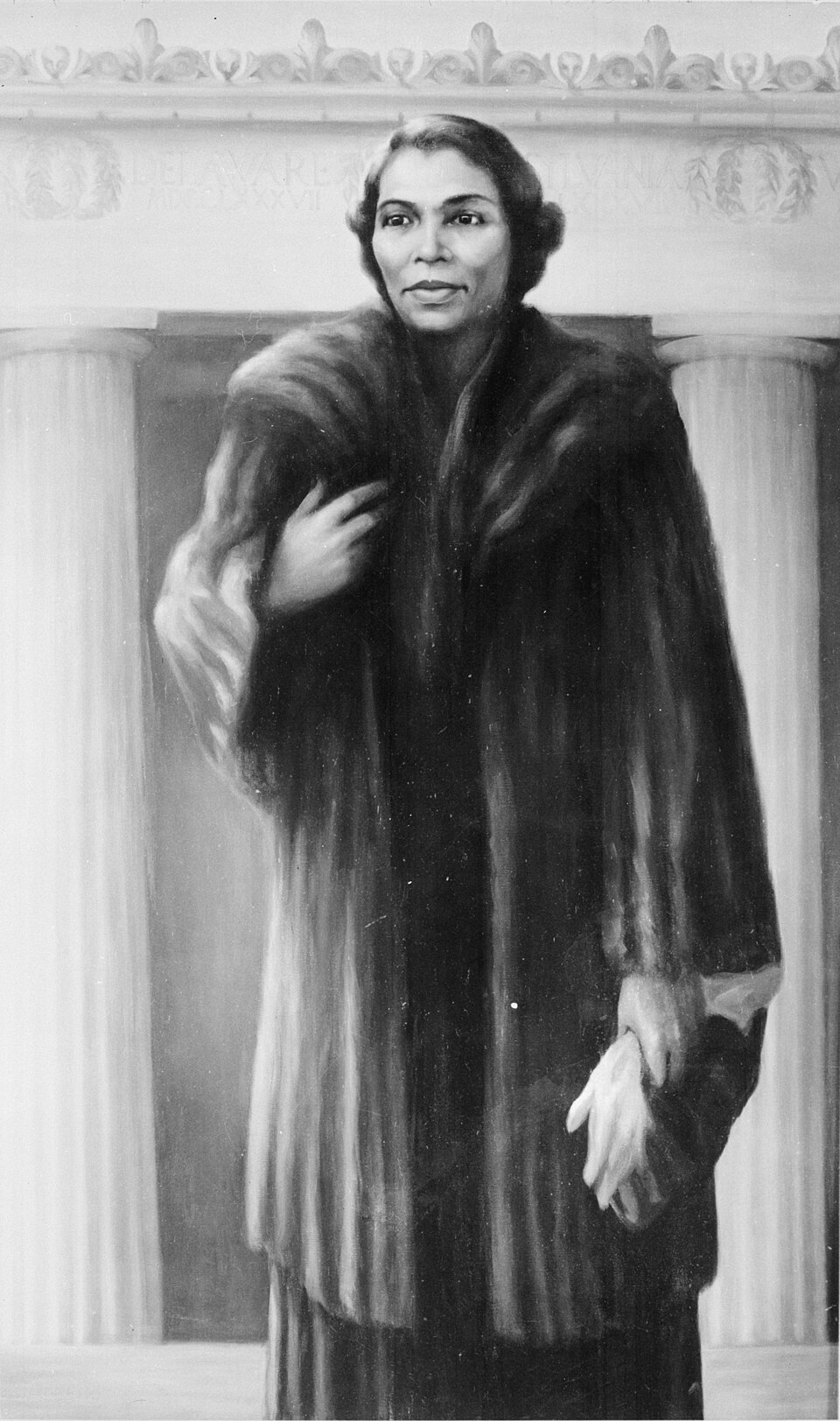
—Did this international fame change anything about the treatment you received at home?
Nothing, or almost nothing. A name on a poster at Carnegie Hall does not protect you from a door slammed in your face in Birmingham. I sang before crowned heads of Europe, then the next week I was directed to the service entrance. That is why Marianna Farm, our farm in Danbury, Connecticut, which my husband Orpheus and I bought in 1940, mattered so much: there, no one told me where I could enter. I cultivated my garden, I conserved my voice, I breathed. People think a famous singer lives in palaces; I mostly dreamed of a place where I would never be asked to go around the back.
A name on a poster does not protect you from a door slammed in your face.
—One can hardly imagine the discipline such a voice requires. What were your days like?
Lots of silence and patience. My mornings began with vocal exercises, always, even after thirty years of career—a contralto is a rare voice, the lowest in women, and it must be cultivated like a difficult garden. In the afternoon, I rehearsed with my pianist Franz Rupp, my musical companion for over twenty years; on trains, in ship cabins, I studied my scores laid on my knees. I watched what I ate, avoided cold and overly spicy foods, often kept silent to conserve the instrument. For it was indeed a working tool—and also my only passport to a world that otherwise would have left me at the door.
—After a lifetime devoted to this voice, what did you hope would remain?
I never sought to become a symbol, understand that; I simply wanted to sing. But if it is true that one evening, at the foot of the Lincoln Memorial, my singing contributed, however little, to the idea that every human being deserves to be treated with dignity, then that moment had a meaning beyond my career. That is what I wanted to convey in my memoirs, My Lord, What a Morning. Let people remember less the first African-American to do this or that, and more a woman who believed that the beauty of a voice could open doors closed by fear. The rest—the medals, the honors—belongs to others. The singing, for its part, belonged to me until the end.
I simply wanted to sing; the rest belongs to others.
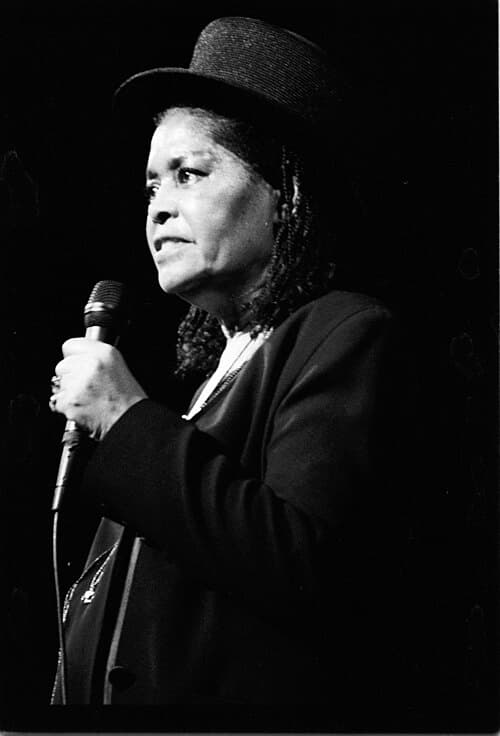
This imaginary interview was generated by artificial intelligence from sources documented in Marian Anderson's profile. It dramatises what the figure might have said based on what we know about them, but does not constitute attested historical testimony. For primary sources and factual documentation, refer to the full profile.