Kids interview Marie-Antoinette
by Charactorium · Marie-Antoinette (1755 — 1793) · Politics · 5 min read
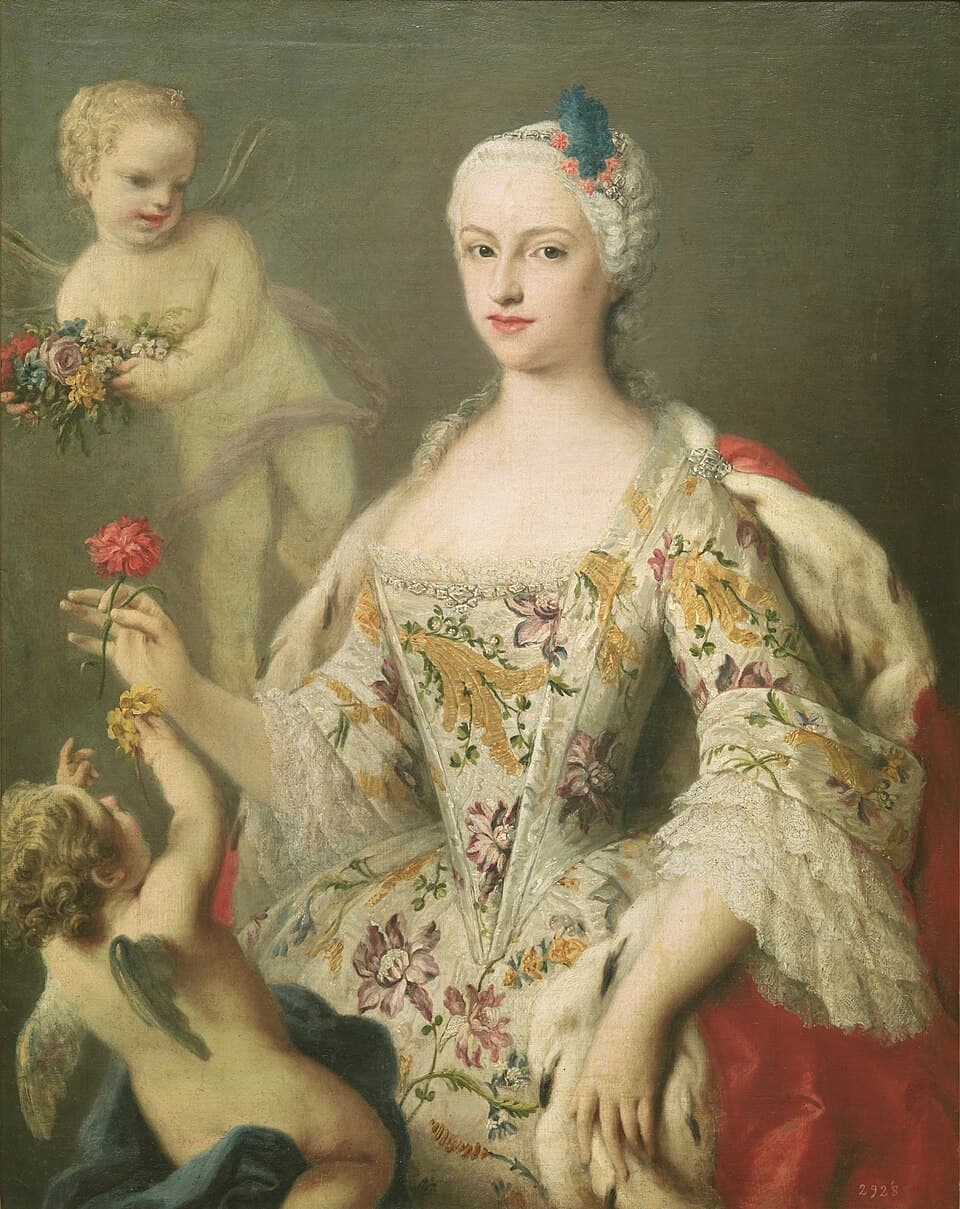
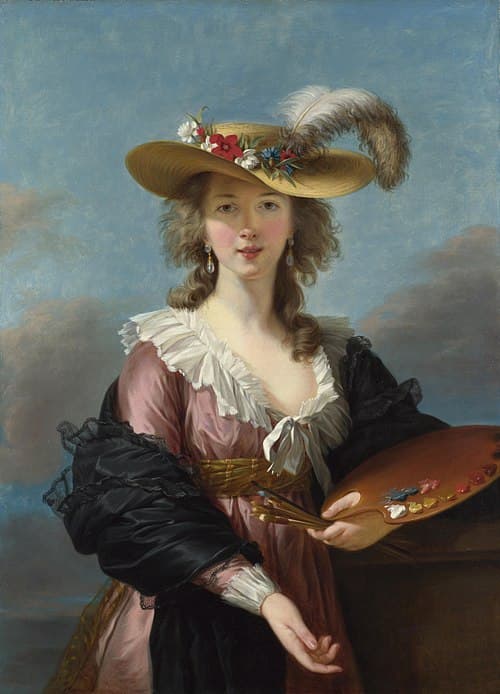
Two twelve-year-old students visit the Château de Versailles with their class. In a quiet gallery, they stop in front of a large portrait of the queen. And then she seems to smile at them, ready to answer all their questions.
—How old were you when you arrived in France?
You know, my child, I was 14 years old. At the border, they took everything from me: my Austrian dresses, my ribbons, even my stockings. They dressed me entirely in the French fashion. Imagine being asked to keep nothing from home, not even a handkerchief. I left Vienna, my mother, my childhood, to marry a boy I had never seen. I cried, yes. But I had to smile and move forward. That was the price of a young queen: I had been chosen to seal peace between Austria and France.
—What was your favorite place at Versailles?
My refuge was the Petit Trianon, and especially my Hamlet. Imagine a little village with a farm, sheep, and a dairy, hidden in the middle of the gardens. I went there in a simple dress, far from the courtiers who constantly watched me. There, I could finally breathe. I played at being a shepherdess, I tasted fresh milk. At court, every gesture was watched. At the Hamlet, I was almost an ordinary woman. But the people were hungry. And I was spending a fortune to play at being a country girl in 1783. I only understood that too late.
I played at being a shepherdess while the people were hungry — I understood it too late.
—What was it like waking up in the morning?
Oh, my waking was not a moment for myself! They called it the lever. Dozens of ladies entered my room to watch me dress. Each one had the right to hand me a specific garment, according to her rank. Imagine that, to put on your shirt, you have to wait for the highest-ranking lady present to hand it to you. One day, I shivered naked while they argued over that privilege! That was etiquette: rules so strict they imprison you. That's why I fled to Trianon as soon as I could.
—Is it true you had giant hairstyles?
Ah, you've heard about that! Yes, I wore poufs, hairstyles so tall they sometimes exceeded a meter. We put feathers, flowers, ribbons, sometimes miniature scenes in them. Imagine wearing an entire garden on your head, without being able to bend down in a carriage! My milliner, Rose Bertin, invented these follies. She was called the 'minister of fashion.' All of Europe copied my ideas. I loved that, shining brighter than others. But each feather cost a lot, and the people were counting their pennies.
—Why did your portrait in a white dress cause such a scandal?
You find that strange, don't you? I had posed for Madame Vigée Le Brun in a simple white muslin dress. No tight corset, no panniers to widen the hips. Just light fabric, like a chemise. For me, it was the freedom to finally breathe. But at court, they cried scandal in 1783! A queen, they said, could not show herself dressed like a servant. Imagine being blamed for dressing too simply. Yet soon, all the women of Europe wanted that dress. Fashion, you see, is real power.
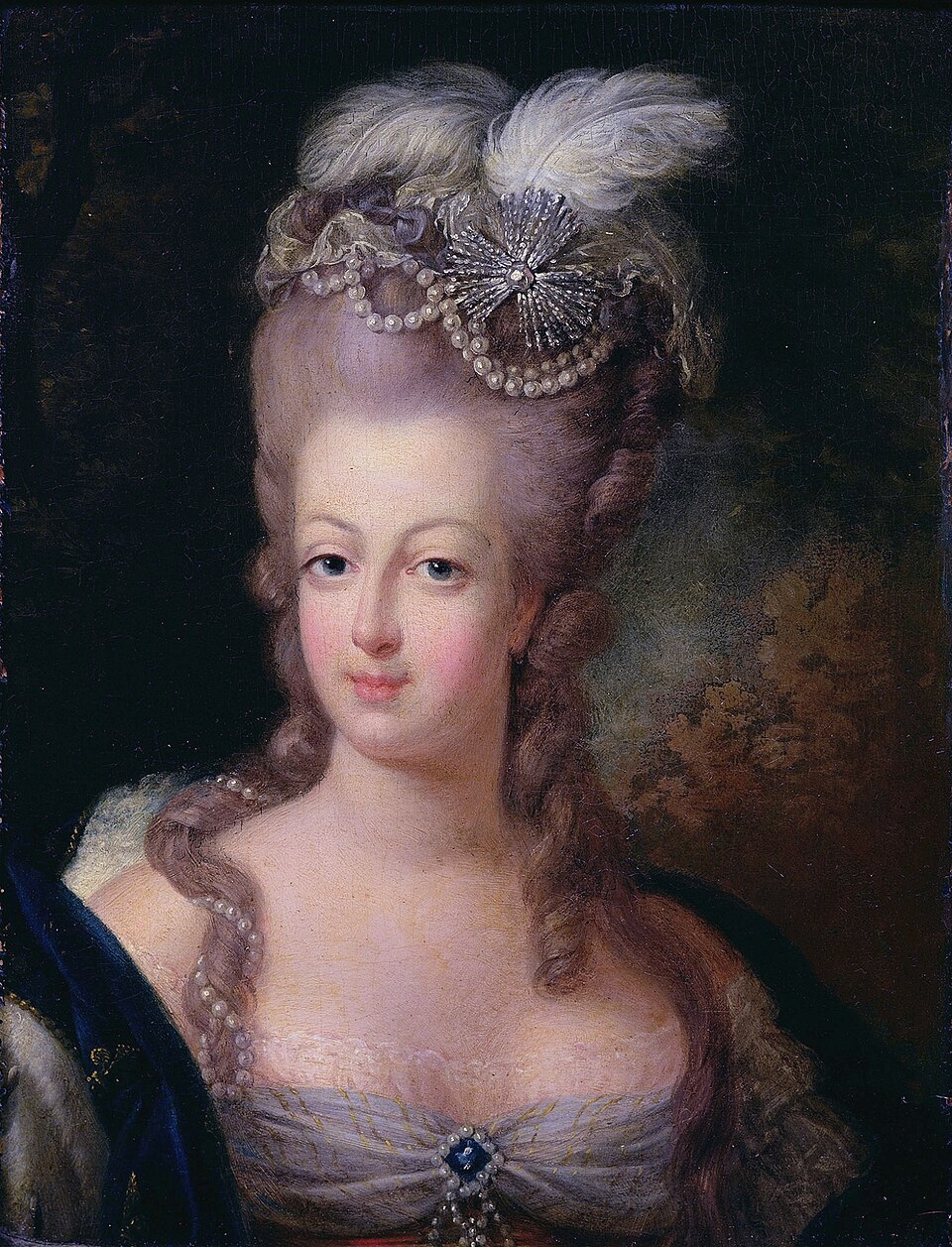
—Why did people call you the Austrian woman nastily?
That word hurt me deeply. L'Autrichienne: they spat it in my face. You see, I was born in Vienna, daughter of Empress Maria Theresa. Even after becoming queen of France, many saw me only as a foreigner. When France went to war against Austria in 1792, I was suspected of betraying, of passing secrets to my nephew the emperor. Imagine being told, 'You are not really one of us,' when you have left everything for this country. My mother wrote to me to deserve the love of the French. I tried. I did not succeed.
—Is it true you tried to escape in disguise?
Yes, and what a night! In June 1791, we tried to leave Paris in secret. I was disguised as a governess, an ordinary lady in the service of children. The king, as a servant. Imagine an entire royal family fleeing in the night, hearts pounding at every hoofbeat. But at Varennes, we were recognized. My face was printed on the assignats, those banknotes of the Revolution. They did not believe us, and we were brought back to Paris under jeers. It was that night that all hope died.
You cannot hide when your face is in every pocket.
—What was the prison where they locked you up like?
Ah, the Conciergerie... It was an old prison on an island, by the river. Cold, damp, dark. So far from my gilded apartments at Versailles. They no longer called me 'Majesty.' I had become the widow Capet, a simple family name, because my husband Louis XVI had already been guillotined in January. Imagine losing your title, your spouse, your children, and finding yourself alone in a damp cell. I prayed a lot. I kept a little prayer book with me. Faith was almost all I had left. But I was determined to remain dignified.
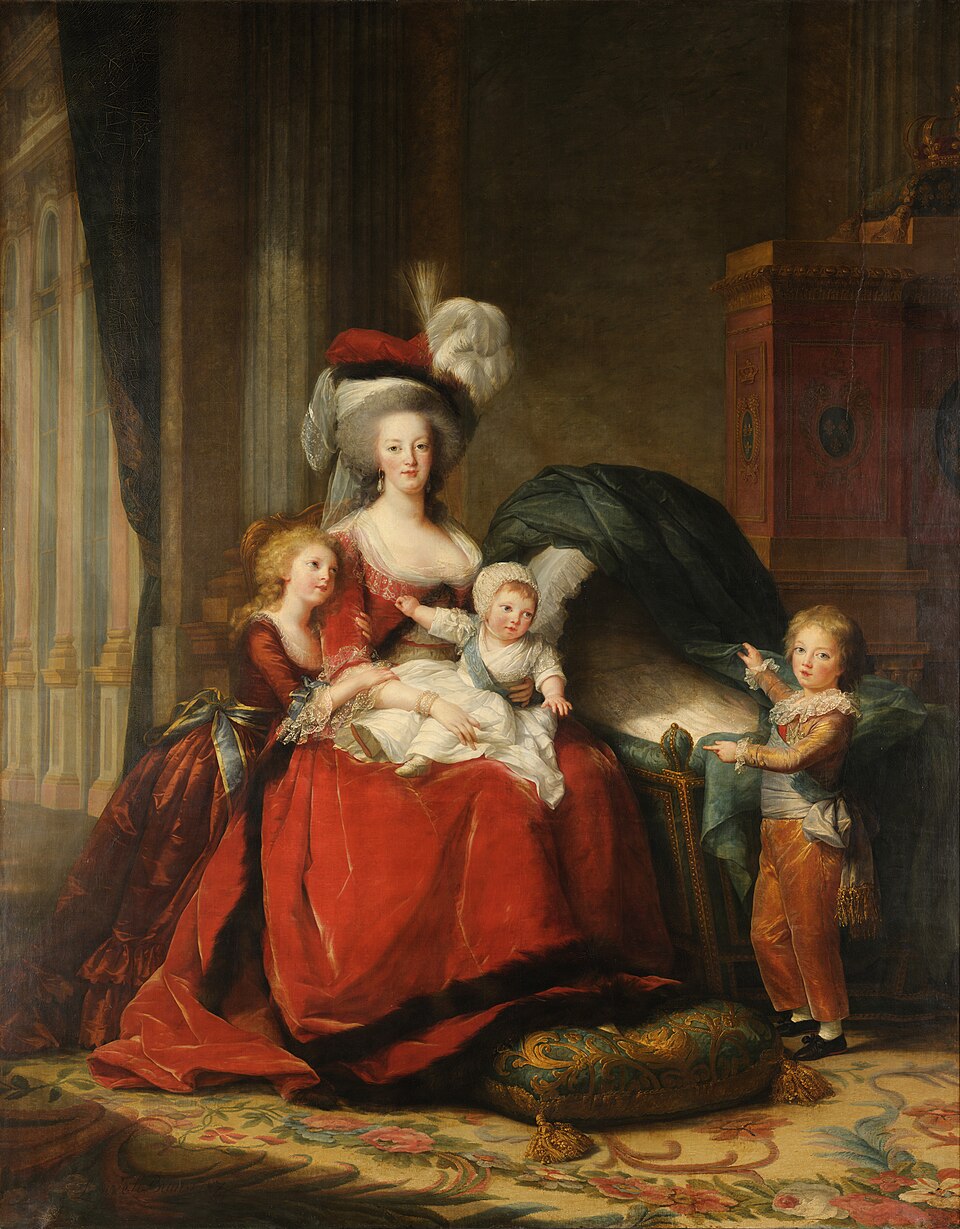
—What hurt you most during your trial?
My trial, in October 1793, before the Revolutionary Tribunal, was a terrible ordeal. They accused me of a thousand false things. But the worst... the prosecutor dared to accuse me of harming my own son. A monstrous accusation against a mother. You know, I first kept silent, heartbroken. Then I turned to the women present in the room. I told them that a mother could not even answer such infamy. Many were moved. Prisoner, condemned, I remained a mother above all.
Even condemned, I remained a mother before being a queen.
—What were you thinking about just before the end?
The night before, I spent it praying and writing. I addressed a last letter to my sister-in-law, Madame Élisabeth. I asked her forgiveness for all the pain I might have caused unintentionally. I wanted to die in the Catholic religion, that of my parents, that in which I had grown up. Imagine writing your last words by candlelight, knowing that by morning everything will be over. At dawn on October 16, 1793, I put on a white dress and a white bonnet — white was the mourning color of the queens of France. I left with my head held high.
—If you are remembered today, what would you like people to remember?
What a beautiful question, my child. So many lies have been told about me. Let them remember first that I was a woman and a mother, not a monster. I loved beauty, music, beautiful dresses, perhaps too much. I was frivolous when my people suffered, and I paid dearly for it. But above all, remember this: you can be born a queen and end up alone in a cell. Life can take everything away, in an instant. So be kind to those who have less than you. That is the lesson I wish I had understood earlier, in my Hamlet, when I played at being a shepherdess.
You can be born a queen and end up alone in a cell — be kind to those who have less than you.
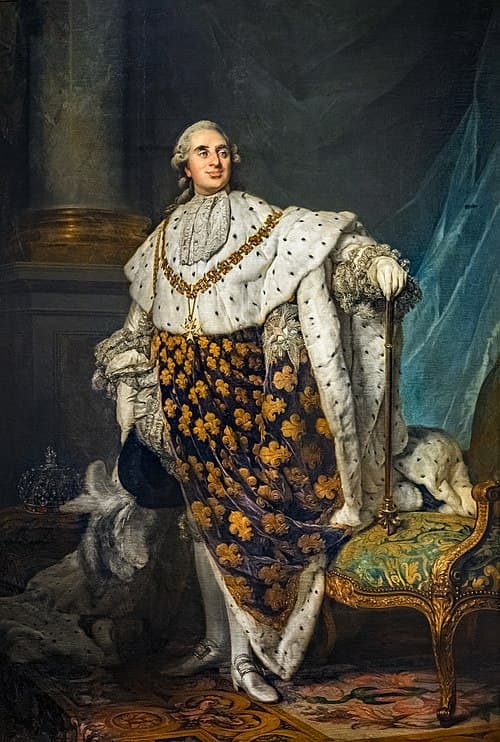
This imaginary interview was generated by artificial intelligence from sources documented in Marie-Antoinette's profile. It dramatises what the figure might have said based on what we know about them, but does not constitute attested historical testimony. For primary sources and factual documentation, refer to the full profile.