Imaginary dialogue between Madame Campan and Marie-Antoinette
by Charactorium · Marie-Antoinette (1755 — 1793) · Politics · 6 min read
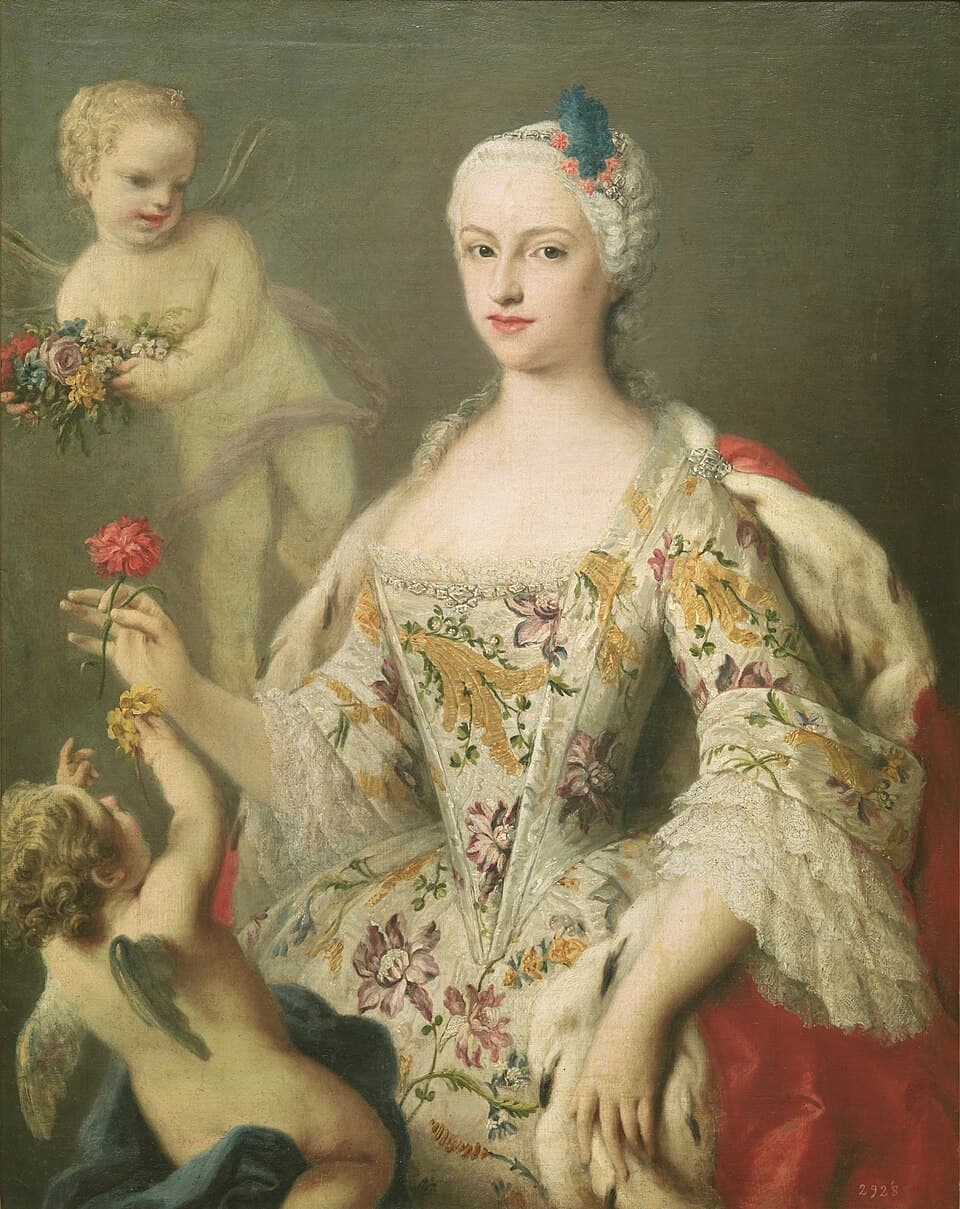
At the threshold of the Hameau de la Reine, on a warm afternoon in the summer of 1788, Madame Campan finds the queen sitting near the dairy, an untied ribbon between her fingers. The scent of cut hay and the distant tinkle of a cowbell float in the air. First lady-in-waiting for nearly fifteen years, Campan knows her mistress's silences better than anyone; today, she comes to seek the woman behind the queen that France thinks it knows. Marie-Antoinette, for once, agrees to confide.
—Madame, you have so often sent me back from the door of this Trianon. What did you come here to find that Versailles refused you?
You who dressed me every morning under the eyes of thirty courtiers know better than anyone what I was fleeing. At Versailles, I never possessed an hour that was my own. Here, in this Trianon I wanted far from the château, I walk without my steps being announced, I pick my flowers, I play at being a shepherdess with my friends without a princess of the blood claiming the privilege of handing me my chemise. They reproach me for this village as a whim; they do not understand that I breathe here. The queen belongs to everyone; the woman, to herself alone. That is the little I came to seek among these thatched roofs, and it is already too much, they say, for a daughter of Austria.
The queen belongs to everyone; the woman, to herself alone.
—You speak of etiquette as a chain. Do you remember your first lever, that morning when I presented your gloves?
I remember it as a polite torture, my good Campan. They were putting a garment on me, then they took my hand out of the sleeve because a lady of higher rank had just entered, to whom fell the honor of threading it for me. I shivered, half-naked, while these ladies argued among themselves for the right to dress me. This ritual, inherited from the great king Louis XIV, they call honor; I long called it absurdity. But etiquette is a dike: remove one stone, and the whole court cries out that it is being lowered. I wanted to remove too many stones too quickly, I confess. They did not forgive me for preferring naturalness to ceremony.
They did not forgive me for preferring naturalness to ceremony.
—Madame, you once told me that music brought you back to Vienna. Was Master Gluck truly part of your childhood?
He was, and that is why I defended him as one defends a piece of one's homeland. At the Hofburg, as a child, I learned the harpsichord under masters chosen by my mother; Gluck was among those who shaped my ear. When he came to Paris, I was not going to abandon him to the cabals. They turned his quarrel with the partisans of Piccinni into a state affair, as if the fate of the kingdom rested on an opera! I took sides, yes, openly. Music is not for me a courtly entertainment: it is the only language in which I still feel Austrian without being reproached for it. You saw me weep at certain measures, Campan; those tears did not lie.
Music is the only language in which I still feel Austrian without being reproached for it.
—Let us speak of Rose Bertin, whom they call your minister of fashion. Why did you so love those dresses that the court reproached you for?
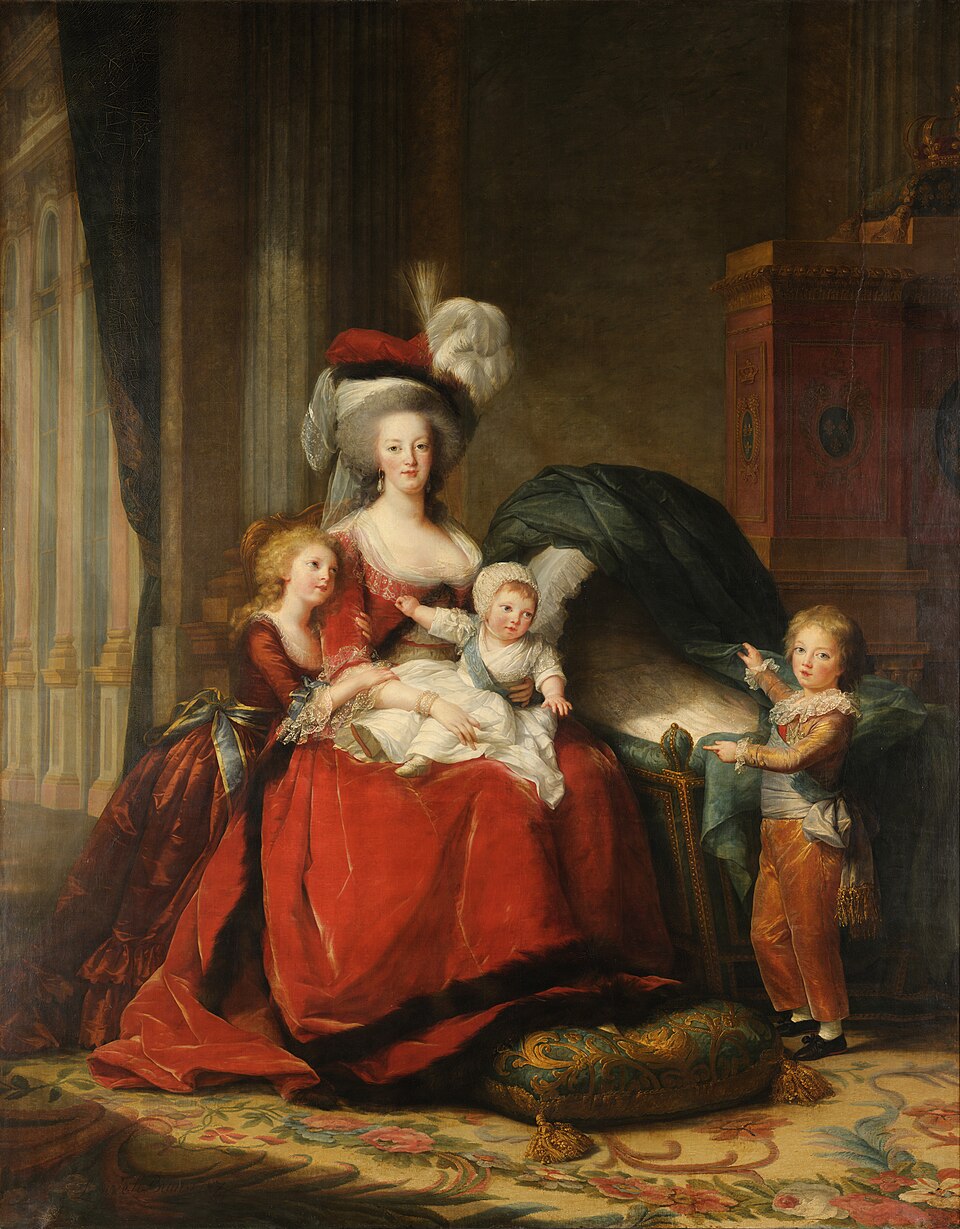
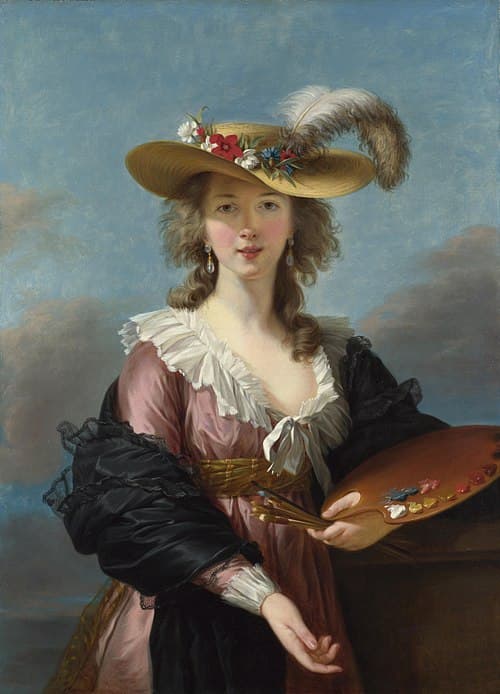
Because, lacking the power to govern, a queen rules over taste. With Rose Bertin, I invented silhouettes that all of Europe copied; the princesses of Germany and England ordered what Paris wore at my whim. They saw it as frivolity; I saw it as a form of power, the only one they left me. But I also wanted to lighten all that. When I posed for Madame Vigée Le Brun in a simple muslin dress, that robe en chemise, they cried scandal: a queen in peasant's linen! I had removed the corset and the panniers; they accused me of dishonoring the crown. Strange kingdom where they blame me at once for my luxury and my simplicity.
Lacking the power to govern, a queen rules over taste.
—And the pouf, Madame? Those meter-high hairstyles that I struggled to fix in your hair made all Paris laugh and grit their teeth.
Ah, the pouf! Do you remember the pins, Campan, and your sighs when we had to erect feathers, flowers, sometimes an entire miniature scene upon it. It was a folly, I freely admit, a youthful folly to which I gave myself headlong at eighteen. They bore ships, gardens, even the news of the day! I laughed to see myself so tall. But that gaiety had its price: every feather counted, every hairstyle added up, they made it a tableau of my expenses and a trial of my carelessness. I danced when the kingdom lacked bread. I did not know it then; they have made it known to me since, harshly.
I danced when the kingdom lacked bread; they have made it known to me, harshly.
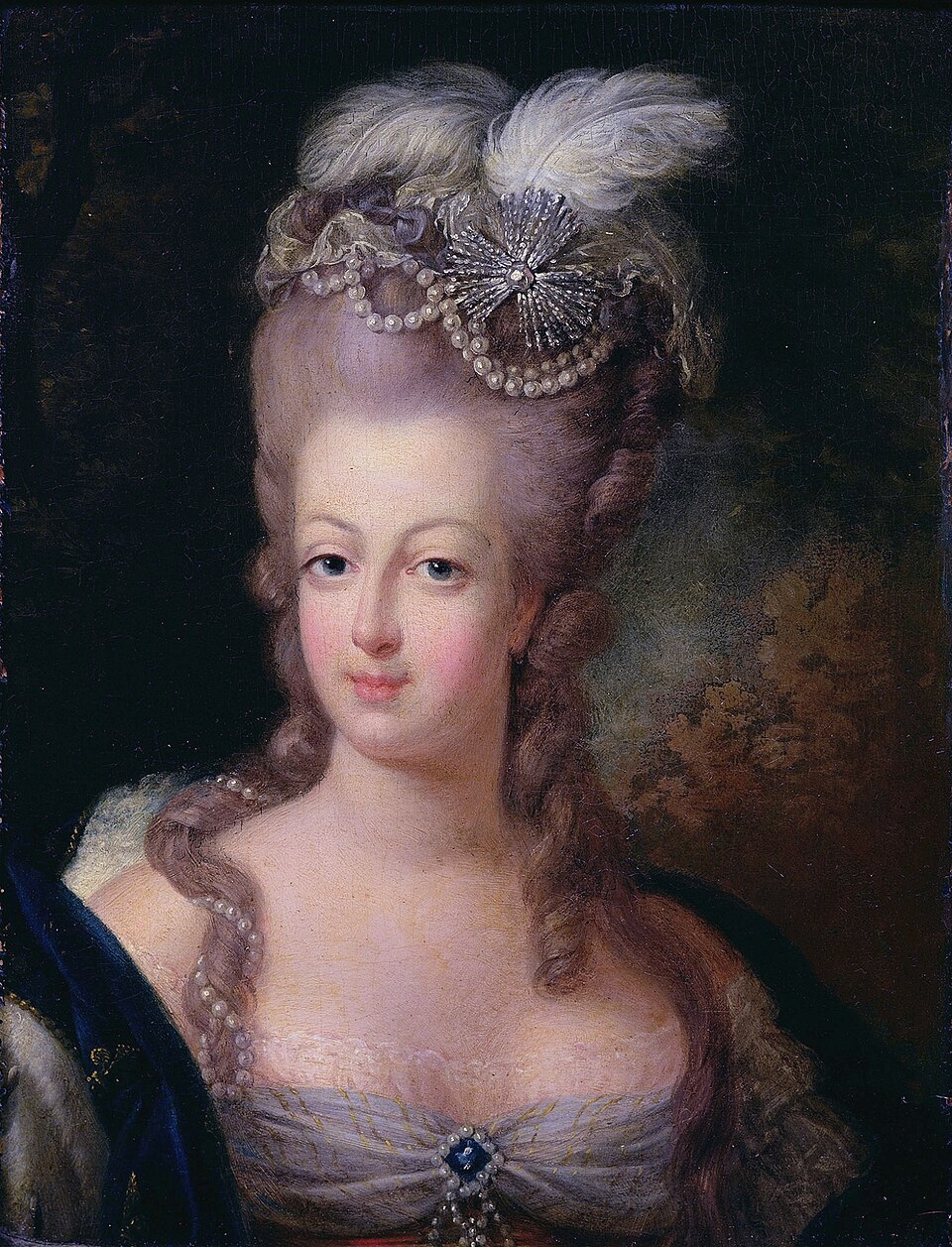
—Madame, they still call you the Austrian in pamphlets. Do you remember the remise, that ceremony of your arrival in France?
How could I forget? I was fourteen. At the border, in a pavilion set up for the occasion, they stripped me of everything that came from Austria: my clothes, my jewels, even my little dog, they say. They dressed me in the French style, from head to toe, to signify that I was no longer of my country. I crossed that door weeping, and I entered a kingdom that, for twenty years, still called me the foreigner. That is the cruelty: they took everything from Vienna from me, and they never stopped reproaching me for it. The Austrian is the name given to the one they never fully adopted. I gave dauphins to France; that was not enough to make me French.
They took everything from Vienna from me, and they never stopped reproaching me for it.
—Your mother, the Empress, wrote to you constantly. Did those letters you told me about not fuel the suspicion that you obeyed Vienna?
My mother urged me to profit from her wise advice, and I tried to deserve her approval, as I wrote to her. Was it betraying France to love the one who brought me into the world? They believed it. Every courier from Vienna became, in the eyes of the suspicious, a sign that I served the emperor my brother against my adopted kingdom. I tell you, who have seen my heart: I wished the good of both houses, and they made me the spy of both. A queen has no right to have a foreign mother. That suspicion never left me; it grew with the years, and I sense it will weigh on me even more heavily on the day I am judged.
A queen has no right to have a foreign mother.
—Madame, allow your old servant a serious question: that failed flight, to Varennes, how were you recognized on the road?
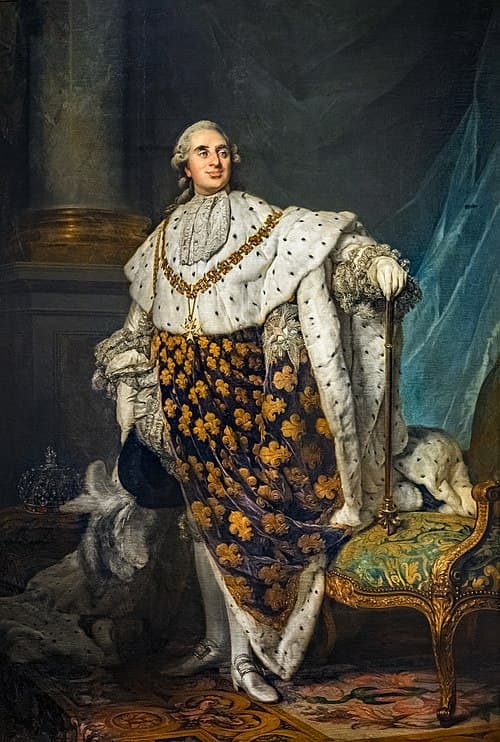
By my own face, Campan, what irony. We had prepared everything: commoner clothes, false names, me as governess to a fake baroness. We thought we would disappear into the night. But my portrait was already everywhere, even on those assignats that the people handle every day. A postmaster thought he recognized the king's features on a banknote; we were arrested and brought back to Paris between two rows of jeers that opened only to spit their contempt. That return journey was worse than prison. That day I understood that a queen's face is never her own: it belongs to the kingdom, even to destroy her. After Varennes, nothing was ever repairable between the people and us.
A queen's face is never her own: it belongs to the kingdom, even to destroy her.
—And if you were dragged before a tribunal one day, Madame, you who were a mother, how would you find the strength to answer?
You touch there, my faithful one, what I fear more than death. Let them accuse me of expenses, of plots, of my Austria, so be it: I will defend myself step by step. But if there were a man vile enough to reproach me before judges with some infamy concerning my own child, then I would have no lawyer's answer to give him. I would appeal to all the mothers who would hear me. Nature itself refuses to answer such an accusation. I want to believe that at the worst moment, it will no longer be the queen who speaks, nor the Austrian, but a mother; and that a mother, even fallen, always finds in her womb the means to silence calumny. That is the only dignity they cannot take from me.
It will no longer be the queen who speaks, nor the Austrian, but a mother.
—Madame, the day is fading over the Hameau. If everything were taken from you, the throne, the dresses, even the name of queen, what would remain?
What you see at this moment would remain, Campan: a woman in a white dress in the middle of a meadow, listening to a cowbell and watching the evening fall. They gave me the harpsichord in Vienna, the crown at eighteen, and perhaps they will take away the rest one day. But white, you see, is the color of mourning for queens of France; I wore it for my mother, I would wear it if necessary for myself. What would remain is my faith, in which I was raised and in which I wish to die, and the memory of my children. The rest is mere pomp, and pomp, I learned too late, does not keep you warm when winter comes. Keep that image of me, I beg you: not the queen, but that quiet woman at the threshold of evening.
Pomp, I learned too late, does not keep you warm when winter comes.
This imaginary interview was generated by artificial intelligence from sources documented in Marie-Antoinette's profile. It dramatises what the figure might have said based on what we know about them, but does not constitute attested historical testimony. For primary sources and factual documentation, refer to the full profile.