Imaginary dialogue between Katharina von Bora and Martin Luther
by Charactorium · Martin Luther (1483 — 1546) · Spirituality · 5 min read
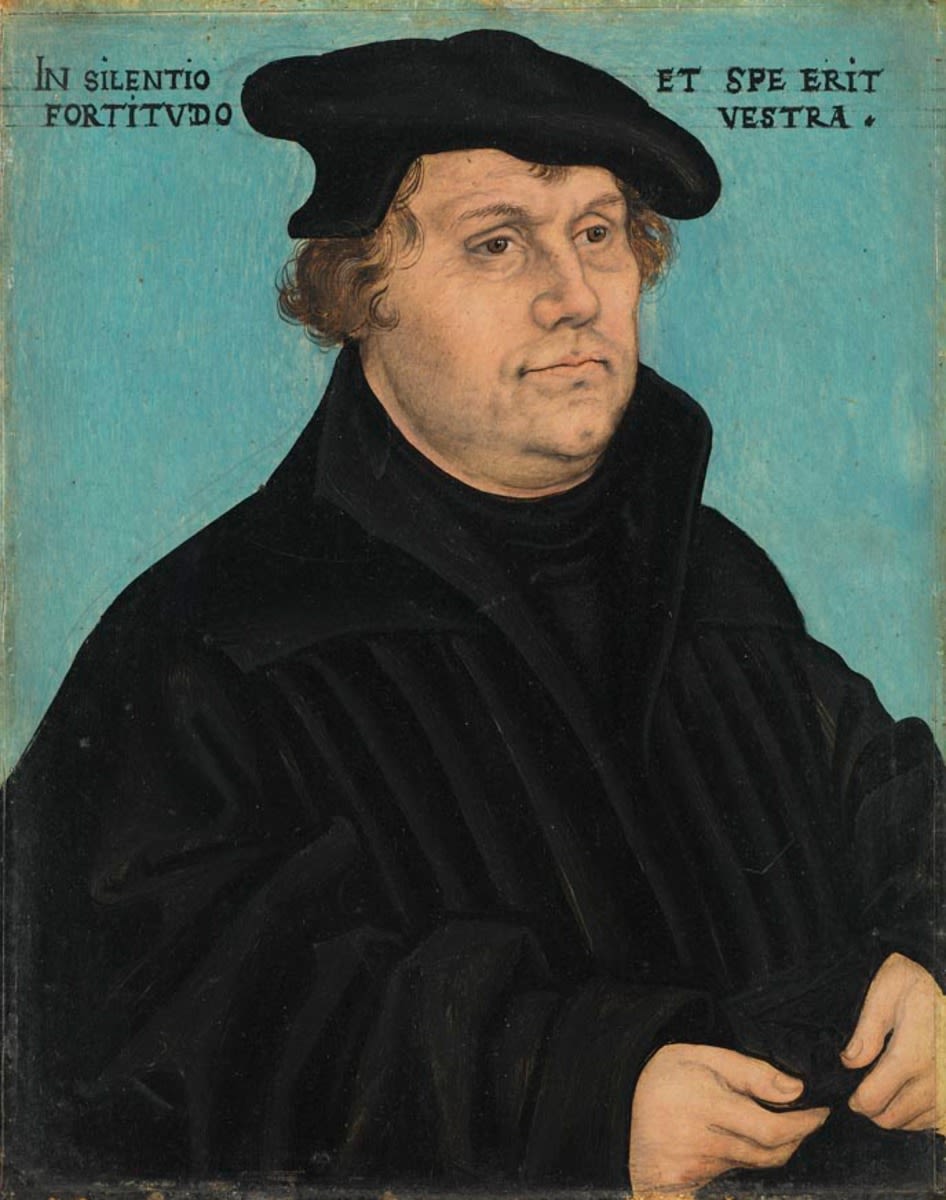
It is in the great house of the former Augustinian monastery in Wittenberg, on an autumn evening in 1539, that Katharina von Bora finds her husband seated at the table near the hearth. The tankards of her own beer are still steaming, a lute rests against the bench, and the students have just left the table after the Table Talk. Married for fourteen years, they know each other down to the silence; tonight, Katharina wants to hear the man tell his story, not the doctor teach.
—Martin, before I knew you, that morning of All Saints' 1517 when you nailed your theses to the door — what anger drove you?
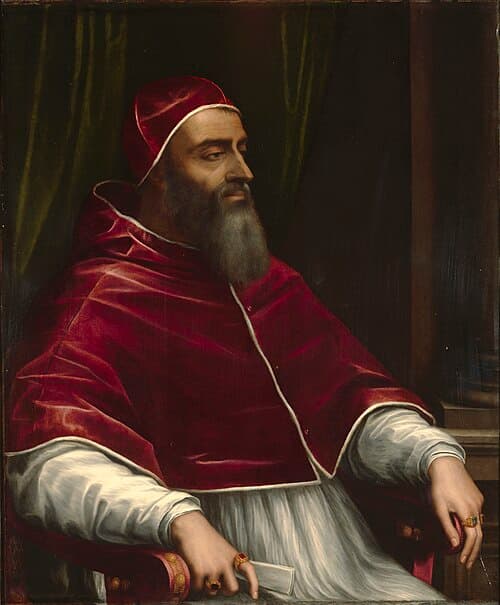
A holy anger, Käthe, against a despicable trade. The monk Tetzel was traveling through our lands promising that as soon as the coin clinks in the coffer, the soul flies out of purgatory. Pope Leo X needed gold to build his basilica of St. Peter's, and they were selling God's forgiveness like herring at the market. An indulgence cannot erase the slightest fault; only contrition of the heart can. I wrote my ninety-five propositions in Latin, to dispute among scholars, without imagining the fire I was kindling. The printing press carried them across the Empire within weeks. I wanted to reform an abuse; God wanted more.
They were selling God's forgiveness like herring at the market.
—You speak so simply of that night. But were you afraid, already, of what Rome would make you pay?
At the time, no. I was only an obscure doctor from Wittenberg, and I thought I was debating as one debates at university. But Rome does not tolerate anyone touching its purse. Very quickly, I was ordered to be silent, then to recant. I understood that the issue was no longer money, but authority: who decides the salvation of souls? The pope claimed to hold the keys of heaven and the purse together. I replied that Scripture alone binds the conscience. Then fear came, yes — not for my person, but for this truth they wanted to smother under the lead of a bull.
—When you left for Worms in 1521, I was not yet by your side. They told you you would die there. Why go?
Because I was summoned before Emperor Charles V himself, and a man who flees the light gives reason to the darkness. My friends begged me to stay; I replied that I would go to Worms even if there were as many devils as tiles on the roofs. Before the princes and prelates, they pressed me to renounce my books. I could not. My conscience is captive to the Word of God, and to act against conscience is neither safe nor honest. Here I stand, I said, I can do no other. I was placed under the imperial ban — an outlaw whom anyone could kill without crime.
My conscience is captive to the Word of God: here I stand, I can do no other.
—And then you disappeared. They thought you were dead. Tell me again about that Wartburg where they hid you, my friend.
Our good Frederick the Wise had arranged everything: on the return road, horsemen kidnapped me, feigning an ambush, and took me to Wartburg Castle, perched in the forests of Thuringia. They shaved my tonsure, let my beard grow, and called me Junker Jörg, Sir George. I, the monk, disguised as a gentleman! There I knew boredom, sleeplessness, and the assaults of the devil. But there I also accomplished the greatest work of my life: translating the New Testament into our German, in eleven weeks. I wanted the maid at the well and the farmer in the field to be able to read the Word themselves, in the language of the people.
I wanted the maid at the well to be able to read the Word herself.
—You say 'the language of the people' — but why labor over every German word, you who already knew Greek and Hebrew?
Because translating is not transposing word for word, Käthe! You must not ask the Latin letters how to speak German; you must listen to the mother in her house, the child in the street, the common man at the market, and watch their mouths to know how they speak. A Scripture that is not understood remains a dead letter, and one falls back into the superstition of the priests. I pondered some verses for entire days, seeking the right term that would make the Word ring like a clear bell. When a believer reads the Gospel in his own language, no doctor can stand between him and his God. That is the whole Reformation held in one book.
—People call you a rebel, a destroyer. But what did you want to build, at bottom, with your treatise On the Freedom of a Christian?
A freedom that no prince can give or take away. I wrote that the Christian is a free lord of all things, subject to no one — and in the same breath, a servant of all things, subject to everyone. That seems contradictory, and yet it is the whole Gospel. Free, because faith alone, sola fide, justifies him before God, without the price of works or indulgences. Servant, because this faith, out of love, spends itself for the neighbor. And this faith is governed neither by pope nor councils, but by Scripture alone, sola scriptura. I also reduced the sacraments to what the Bible teaches: baptism and the Lord's Supper, not seven. That is what I built — not a disorder, but a return.
The Christian is a free lord of all things, and a servant of all things.
—You say 'faith alone.' But our Catholic neighbors accuse you of dispensing men from doing good. What do you answer them?
That they have understood nothing, or pretend to understand nothing. I do not say that good works are bad — I say they do not save. A good tree bears good fruit, but it is not the fruit that makes the tree good; it is the reverse. Faith makes a person righteous, and the righteous person does good naturally, out of gratitude, not by bargaining to earn heaven. To think that one buys God with one's works or coins is pride itself. Salvation is a gift, not a wage. When you give to a poor man at our door, Käthe, you are not paying your entrance to Paradise: you are thanking the One who has already opened it to you.
Salvation is a gift, not a wage.
—Tell me about us, now. When you married me in 1525, me, a nun who fled her convent — all Europe cried scandal. Have you regretted it?
Not for an hour, Käthe, and you know it better than anyone. They pointed fingers at us: a monk marrying a nun, what sacrilege! But marriage is an institution willed by God, not a trap to be avoided by churchmen. I married to spite the pope and delight the angels, and to bear witness that a pastor can have a home and family. You have made this great empty building a living house: you brew your beer, you govern our lands, our boarders, our children, better than any steward. They call me doctor; you, I call my Lord Käthe. Without you, I would be nothing but a grumpy old monk buried under his books.
I married to spite the pope and delight the angels.
—In the evening, you often take up the lute before going upstairs. Why does music matter so much to you, when you could be content with prayer?
Because music is the most beautiful gift of God after theology itself, Käthe. It drives away the devil, who cannot bear joy, and soothes heavy hearts like mine after a day of struggles. I wanted the whole people to sing, and not just the choirs in Latin that no one understands — so I composed hymns in our language, like Ein feste Burg ist unser Gott, so that every believer could raise his voice. A faith that sings is a living faith. In the evening, when we take up the lute together by the fire, I think I already hear a foretaste of heaven. The Word feeds the soul; music gives it wings.
A faith that sings is a living faith.

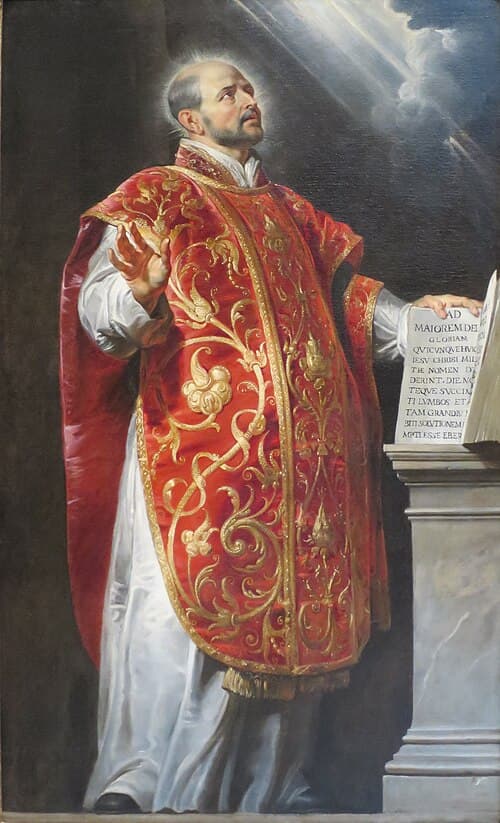
This imaginary interview was generated by artificial intelligence from sources documented in Martin Luther's profile. It dramatises what the figure might have said based on what we know about them, but does not constitute attested historical testimony. For primary sources and factual documentation, refer to the full profile.