Imaginary interview with Maya Angelou
by Charactorium · Maya Angelou (1928 — 2014) · Performing Arts · Literature · Politics · 6 min read
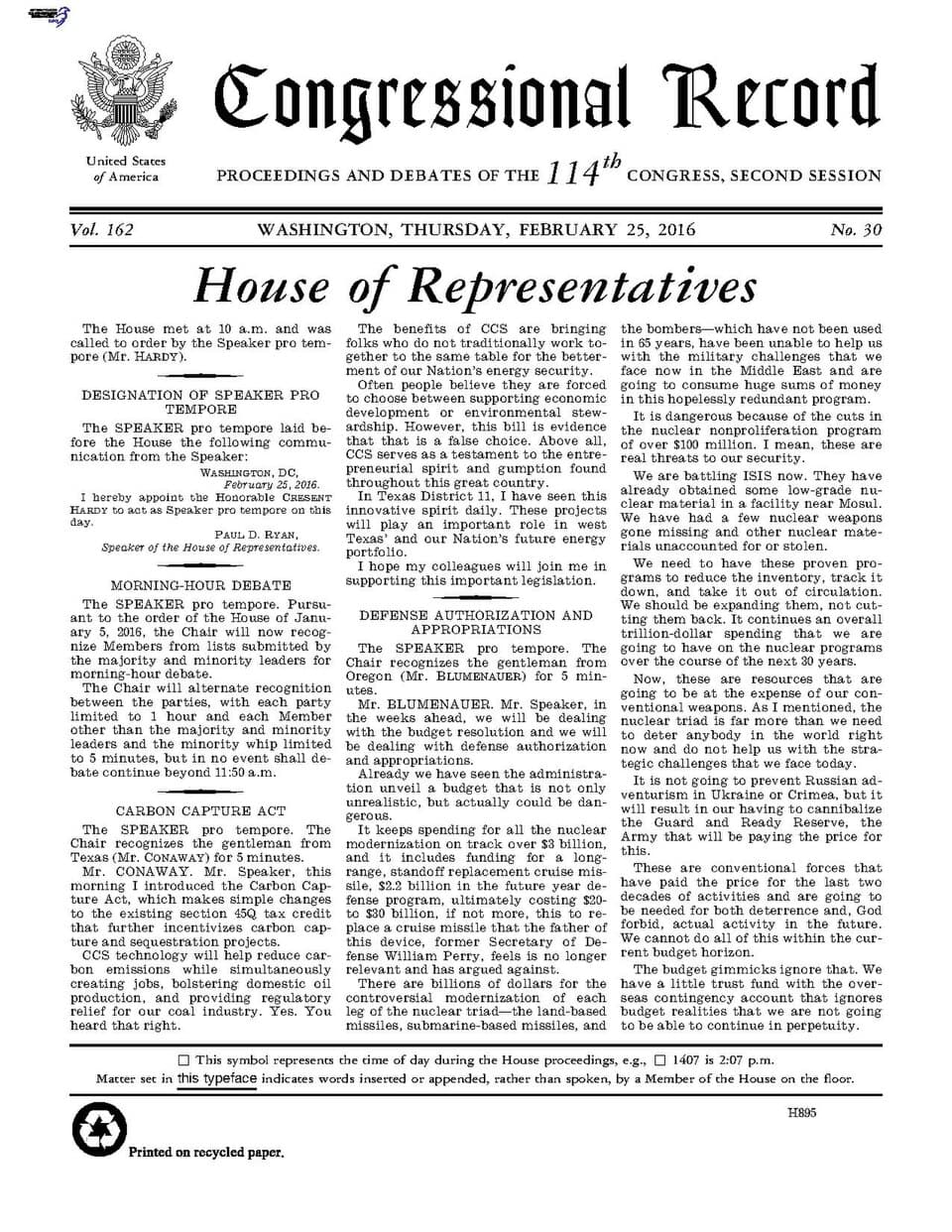
Winston-Salem, North Carolina, an autumn morning. In a house where West African masks sit alongside an overflowing library, Maya Angelou receives us at her kitchen table, a yellow legal pad placed near a glass of barely touched sherry. Her voice is deep, slow, and every sentence seems first weighed in the palm of her hand before being offered.
—Do you remember what made you stop speaking as a child, for nearly five years?
I was eight years old. What a man did to me, and then what happened to him when my family found out, convinced me that a word out of my mouth could kill. So I decided to stop speaking. Nearly five years of silence. But a mute child is not an empty child — I listened to everything, I kept everything. At my grandmother's, in Stamps, Arkansas, a woman named Mrs. Flowers put books in my hands and told me that the living language wanted the human voice to carry it. I devoured Shakespeare, Dickens, and especially Paul Laurence Dunbar, who had the color of my skin and the music of my people. Silence, you see, was my first library.
A mute child is not an empty child — I listened to everything, I kept everything.
—How did speech finally return to you?
It didn't return like opening a door, but like learning to walk again. Mrs. Flowers had me read aloud, in the dark, the verses of Dunbar and Shakespeare — for a poem, she said in essence, is not complete until a mouth has spoken it. I understood that day that my voice did not belong only to me: it was the echo of all those who had been silenced before me. Those five years gave me a monstrous memory and an ear. When I finally wrote I Know Why the Caged Bird Sings, much later, it was that mute child from Stamps holding the pen. The caged bird sings, not because it is happy, but because it has a song.
My voice did not belong only to me: it was the echo of all those who had been silenced before me.
—They say you never wrote at home. Why that strange discipline?
Home is full of distractions that call: the kitchen beckons, friends knock, the phone demands. So before dawn, I would rent a small hotel room by the hour, a bare room from which I had removed everything hanging on the walls. I arrived around six with a yellow legal pad, a dictionary, a Bible, a deck of cards, a bottle of sherry. I always began by rereading the previous day's pages, in a low voice, to find the thread and the tone. That ugly room was my workshop, my convent. People think inspiration descends like grace; I know it comes to those who sit down and wait, day after day, in a room without distraction.
People think inspiration descends like grace; I know it comes to those who sit down and wait.
—What did you find in that Bible and dictionary placed beside your pages?
Two mines. The dictionary for precision: I search for the word that leaps off the page, the one you'd think easy when it cost me hours — because all art must appear effortless. And the Bible for breath, the rhythm of the psalms, that rhetoric where a sentence rises and falls like a wave. I wrote by hand, on those yellow pads, never on a cold machine: my hand had to feel the sentence before my eye judged it. I filled entire pages that I then threw away without mercy. I've often been asked if this labor killed spontaneity. I answer that the freedom of a sentence, like that of a people, is won through long discipline.
—How did a cabaret performer become a coordinator for Martin Luther King?
Through anger and faith, in that order. At the turn of the 1960s, I had danced, sung, performed in Porgy and Bess from one continent to another. Then I heard that young preacher speak in New York, and I knew my voice must serve something other than charm. I became a coordinator for the SCLC, the Southern Christian Leadership Conference, in Harlem. My work was nothing glorious: raising funds, organizing meetings, rallying people around a common refusal. Dr. King knew that a movement is sustained not only by great speeches, but by a thousand small hands that fold chairs and mail letters. I folded many chairs. When he was assassinated in 1968, a day close to my birthday, a part of me fell silent again.
A movement is sustained not only by great speeches, but by a thousand small hands that fold chairs.
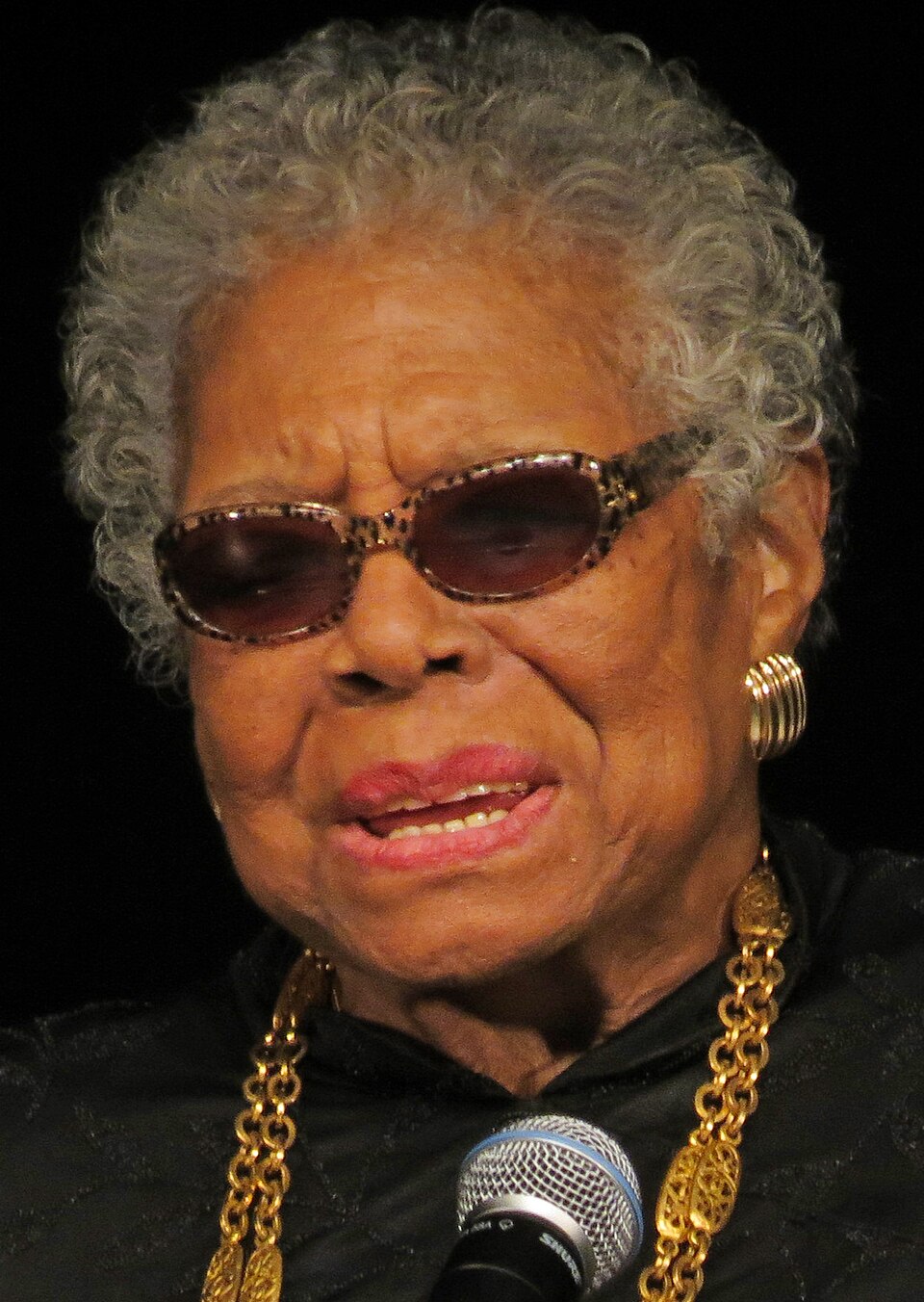
—You spoke several languages: did that change your place in the struggle?
Six languages, yes — French, Spanish, Arabic, Italian, Swahili, and my Southern English above all. That made me useful where others could not enter: translating, welcoming delegates from elsewhere, building a bridge between our struggle and those of colonized peoples who, everywhere, were rising at the same time. In Harlem, in those circles where Malcolm X and so many others passed, I saw that our American segregation was only one face of a larger evil. A language is not just words: it is a door you open to the other. I have always thought that whoever speaks two languages possesses two souls, and that a people who reclaims their speech reclaims their freedom.
—What did you seek in Ghana, in 1961?
At first, nothing so noble: my son Guy had a serious car accident, and I stayed in Accra to watch over him. Then Ghana took hold of me. It was Nkrumah's country, a black nation finally free, and we were a few expatriate African Americans who believed we would find a lost home there. I wrote for the African Review, I spent time with the aged W.E.B. Du Bois, a living monument finishing his great age there. I learned to recognize the language of drums, those stretched skins that spoke faster than any letter. I thought I was coming home. I discovered, not without pain, that Africa saw me as an American. My home was not a place on the map, but something I carried inside me.
My home was not a place on the map, but something I carried inside me.
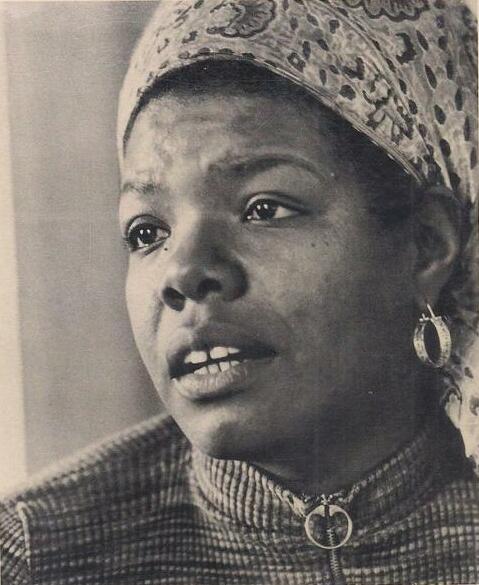
—What remains of those African years?
A drum, which I still keep, and whose skin carries the memory of hands that are no more. Ghana gave me back a pride that segregation had tried to steal from me as a child in Stamps. There, a policeman was black, a minister was black, a professor was black — an incredible banality for a girl born under Jim Crow laws. I understood what those called pan-Africanists meant: that peoples of African descent, scattered by the slave trade, remained of the same stock. But I also learned not to idealize an impossible return. I left not to deny Africa, but because my battle and my language were American. You carry your roots; you don't always replant them in the original soil.
—Tell us about that morning in January 1993, before the Capitol.
A biting cold, a hard sky, and before me a crowd that spilled onto the steps of the Capitol. I had been asked, me, to write and recite a poem for Bill Clinton's inauguration — the first time a poetess had mounted that podium since Robert Frost, in 1961. I thought of the mute child from Arkansas and nearly laughed with dizziness. Then I read On the Pulse of Morning, and I wanted this country to face its history of rock, river, and tree, its dead and living intertwined. I said: "Lift up your eyes upon / This day breaking for you." Before millions of people, I did not recite a triumph: I issued an invitation to begin again.
I did not recite a triumph: I issued an invitation to begin again.
—What did you hope to leave to those who listened to you that day?
Courage. Nothing more useful, nothing rarer. I once wrote a poem that people began reciting in churches and funeral processions, And Still I Rise — because it said you can throw us into the dust and yet, like dust, we rise again. Before the Capitol, in 1993, I did not speak to the powerful; I spoke to the cleaning woman, to the child in the slums, to the one history had forgotten, and I told them to lift their eyes. If I am to be remembered in a century, let it not be as a statue, but as a voice that repeated, over and over: you are worth more than what you were made to believe.
You can throw us into the dust and yet, like dust, we rise again.
This imaginary interview was generated by artificial intelligence from sources documented in Maya Angelou's profile. It dramatises what the figure might have said based on what we know about them, but does not constitute attested historical testimony. For primary sources and factual documentation, refer to the full profile.