Kids interview Mulan
by Charactorium · Mulan · Mythology · 5 min read
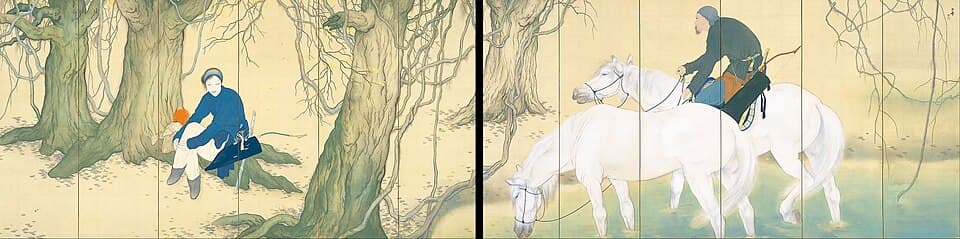
Two young visitors, both twelve years old, entered the courtyard where a woman in armor was carefully folding an old tunic. She smiled as they approached. "Sit by the hearth, my little ones. Ask your questions — I'll tell you my story."
—What were your days like before you went to war?
You know, my child, I rose before dawn. Imagine a very simple house, made of earth and wood, with a central hearth for cooking and warmth. In the morning, I spun and wove. That was my girl's work: turning wool and hemp into thread, then thread into cloth. My hands knew the spinning wheel by heart. In the afternoon, I helped in the vegetable garden, I prepared the rice that was the base of every meal. In the evening, we ate together as a family by the light of a small oil lamp. A gentle life, as ordered as weaving.
My hands knew the spinning wheel long before they knew the sword.
—What was your house like? What did it smell like inside?
Ah, it was small! Few rooms, straw mats on the floor for sitting and sleeping. It smelled of smoke from the central hearth, of cooking rice, and of the slightly green scent of the hemp I worked. On the wall was the ancestral tablet — a sacred object for us, where we honor those who have gone before. I wore a long tunic with wide sleeves, tied with a belt, like all the girls of my time. It was a world without machine noise: just the click of the loom, the crackle of the fire, and the voices of my family.
Our house smelled of smoke, rice, and hemp — the scent of a simple life.
—Why did you decide to go in your father's place?
Because the emperor called for one man per family for the army, my child. And in our home, there was no elder brother. My father was old, tired, he could barely stand. Imagine: they asked him to leave for years to fight in the north. He would have died on the way. So I thought a very simple thing — if I could not be a son, I could do what a son would do. That is what we call filial piety: the duty to honor and protect one's parents above all else. That duty weighed heavier in my heart than fear.
If I could not be a son, I could do what a son would have done.
—Were you afraid the day you left?
Of course I was afraid. My heart was pounding. I was going to leave my mother, my father, the warmth of the hearth, for warlands far in northern China, where we fought the steppe horsemen. But you know, fear and duty can walk together. I kept telling myself that my father would be safe at home. That thought gave me courage with every step. For us, protecting one's family honor is not an empty phrase: it is a whole life we are willing to risk. I took the road with clenched teeth, and I did not cry in front of them.
Fear and duty can very well walk together.
—How did you make sure no one guessed you were a girl?
The hardest part was the first gesture. I cut my long hair. For a girl of my time, my child, that was like cutting off a piece of oneself — long hair was all my girlhood. Then I put away my tunic and donned the armor: the metal breastplate, the arm and leg guards, the emperor's soldier insignia. Under all that iron, one silhouette is as good as another. I lowered my voice, walked heavier, ate like the men. Little by little, the soldier covered the girl. And no one in the troop suspected a thing.
Cutting my hair was like cutting off a piece of my childhood.
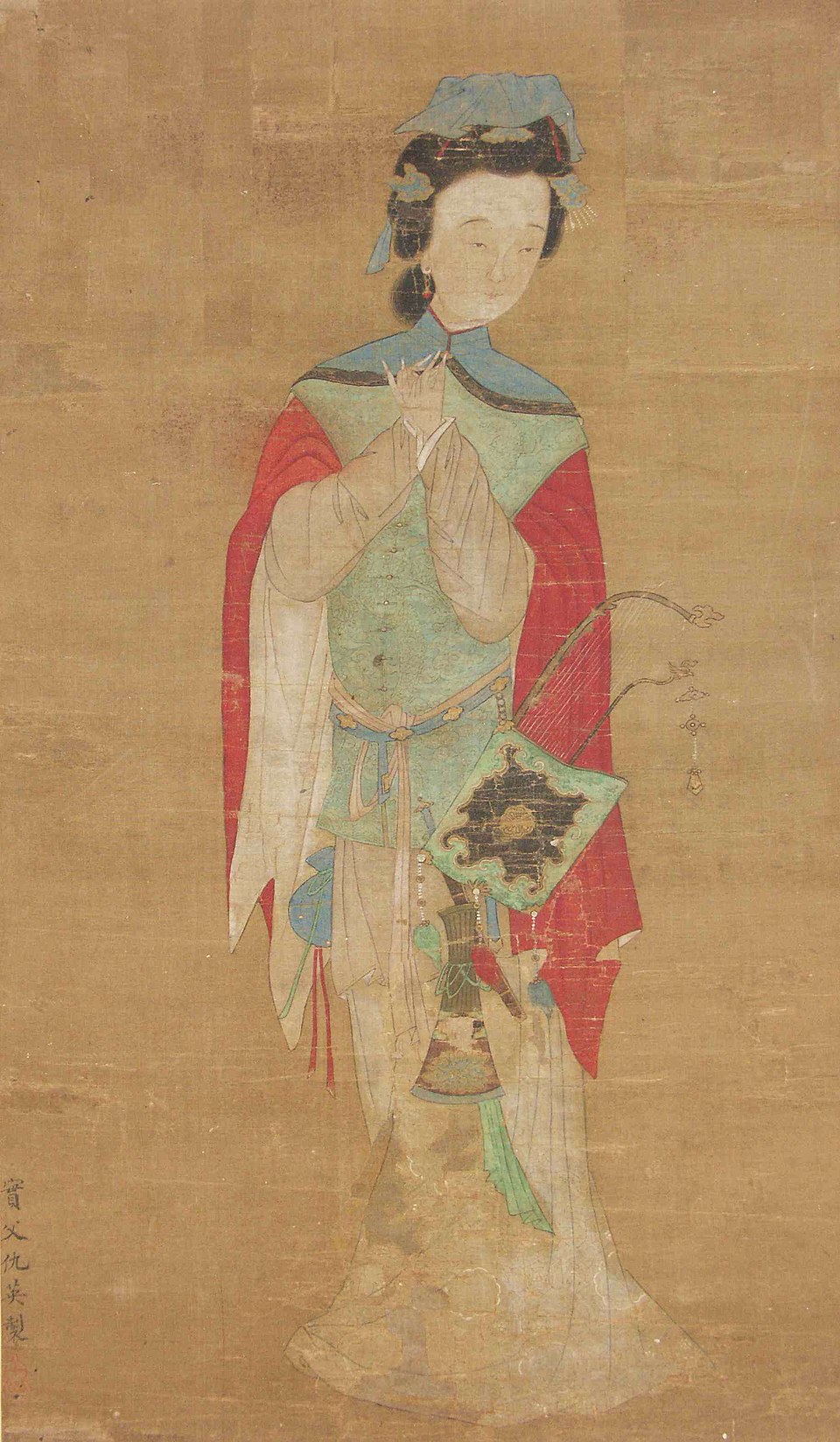
—Your name is pretty. Does 'Mulan' mean something?
Yes, and I am touched that you ask. Mulan means magnolia — a flower, my child. In our culture, it symbolizes purity and nobility of heart. Do you see the irony? I was given the name of a delicate flower, and I spent years in armor, sword in hand, on battlefields. The gentleness of a flower and the strength of a soldier in the same person. I think that is exactly my story: one is never just one thing. A magnolia can withstand the north wind without losing its fragrance.
I was given a flower's name, and I wore iron armor.
—How long did you stay in the army?
Twelve years, my child. Twelve long years away from home! Imagine: you leave almost a child, and you return a grown woman. I knew long marches, the biting cold of the northern borders, campaigns against invaders from the steppes. I learned the bow and arrows, the straight sword, the weight of armor in the rain. And all that time — twelve years, can you believe it? — not one of my comrades guessed who I really was. We slept side by side, we shared the same fire. I kept the secret until the very last day.
Twelve years side by side, and not one comrade guessed my secret.

—And when you came home, how did your soldier friends react?
Ah, their faces! When I returned, I put on my girl's clothes, combed my hair, put on my dress again. Then my former comrades came to see me. They stood with their mouths open, my child — stunned! They had fought twelve years alongside a woman without suspecting a thing. In my story, a little riddle is told: when a male hare and a female hare run side by side, who can tell which is which? Well, there it is. In a race, in war, you cannot easily tell a man from a woman. That was my way of smiling at them.
When two hares run side by side, who can tell which is which?
—The emperor must have rewarded you, right? What did you get?
The emperor offered me much, my child: a high office, titles, riches for my bravery. Can you imagine? A life of honors at the imperial court, where all the power of China resides. And do you know what I replied? I refused. Everything. I asked for only one thing: a good swift horse to go home. Because no title was worth, in my eyes, the face of my old father seeing his daughter alive. For us, personal glory comes after family. That is Confucianism: a wisdom that places duty to one's family above pride.
No title was worth the face of my father seeing his daughter alive.
—But why go home? You could have stayed important!
I understand your question, my child. It is true, I could have remained powerful. But think: I left for one reason only — to save my father and protect my family's honor. Once that was done, my place was with my family, not in palaces. Returning, finding the hearth, the spinning wheel, my mother: that was my true victory. My Ballad was written centuries later, and children still recite it in China. If it is remembered, it is not because I won battles. It is because I loved my family enough to risk everything, and then to refuse everything. Remember that.
It is not my battles that are remembered, but my love for my family.
Read further
This imaginary interview was generated by artificial intelligence from sources documented in Mulan's profile. It dramatises what the figure might have said based on what we know about them, but does not constitute attested historical testimony. For primary sources and factual documentation, refer to the full profile.