Kids interview Olympe de Gouges
by Charactorium · Olympe de Gouges (1748 — 1793) · Politics · Literature · 5 min read
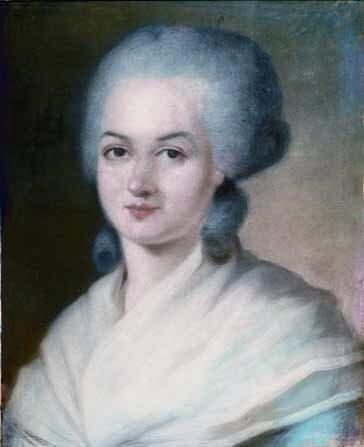
Two twelve-year-old visitors on a school trip pushed open the door of a Parisian apartment full of papers and ink. A sharp-eyed woman was waiting for them. She set down her quill, smiled at them, and invited them to sit beside her and ask all their questions.
—Is it true you weren't born rich? They say you were a marquis's daughter.
Come closer, my child, I'll share a secret with you. I was born Marie Gouze, in Montauban, in 1748. My mother sold goods at the market. Nothing noble about that! But in my day, a common girl couldn't enter the salons where people discussed and wrote. The doors stayed shut. So I claimed I was the hidden daughter of a marquis. A pretty story, a little false. Imagine having to disguise yourself to get into a place where you're forbidden. That's what I did. And I learned to read and write much later than you. Yet I ended up writing dozens of texts.
I learned to write late, and I filled my life with words.
—What did it smell like at your place when you wrote at night?
Ah, evening! That's my favorite time. Picture a room with no overhead light, just a candle or an oil lamp flickering. It smells of warm wax and ink. Outside, no engine noise — you've never heard one, and neither had I! — only horse hooves on cobblestones. I dip my goose quill into the inkwell, and I write until very late. Pamphlets, letters, plays. In the morning, I read the gazettes, those little newspapers printed all over Paris. At night, it was mine. Silence and the candle were my working friends.
—Why did you write a play against slavery?
Because it outraged me, plain and simple. Men, women, children were sold like goods to be forced to work in the colonies. It was called the slave trade. As early as 1788, I wrote a text calling it a disgrace. Then a play, The Slavery of the Blacks. I wanted it performed on the greatest stage in Paris, the Comédie-Française. But wealthy men who made money from the colonies did everything to stop it. I had to fight for years. In 1789, finally, it was performed. Imagine the pride: putting on stage those they wanted to keep silent.
Human beings were sold like goods — and that, I could not keep quiet about.
—What is your most famous text, the Declaration of the Rights of Woman?
That was the fight of my life! In 1789, the Declaration of the Rights of Man was written. A fine text. But guess what? Women had no rights in it. They were forgotten, as if they weren't citizens. So in 1791, I took that text and rewrote it, article by article, putting women in. I called it the Declaration of the Rights of Woman and of the Female Citizen. I wrote this sentence: « Woman is born free and remains equal to man in rights. » Imagine rewriting the rules of a game, but correcting the unfair ones. That's exactly what I did.
Woman is born free and remains equal to man in rights.
—And why did you dedicate that text to Queen Marie Antoinette?
Good question, it surprises everyone! Queen Marie Antoinette was the most powerful woman in the kingdom. I thought: if any woman can help other women, it's her. So I addressed my text to her. But beware, not as a flattering courtier. I wrote to her frankly: « little accustomed to the language spoken to kings, I will not use the adulation of courtiers. » I spoke to her as equal to equal. It was a bold gamble, my child. And I must be honest with you: she didn't listen. But sometimes you have to reach out, even if you're not sure the hand will be taken.
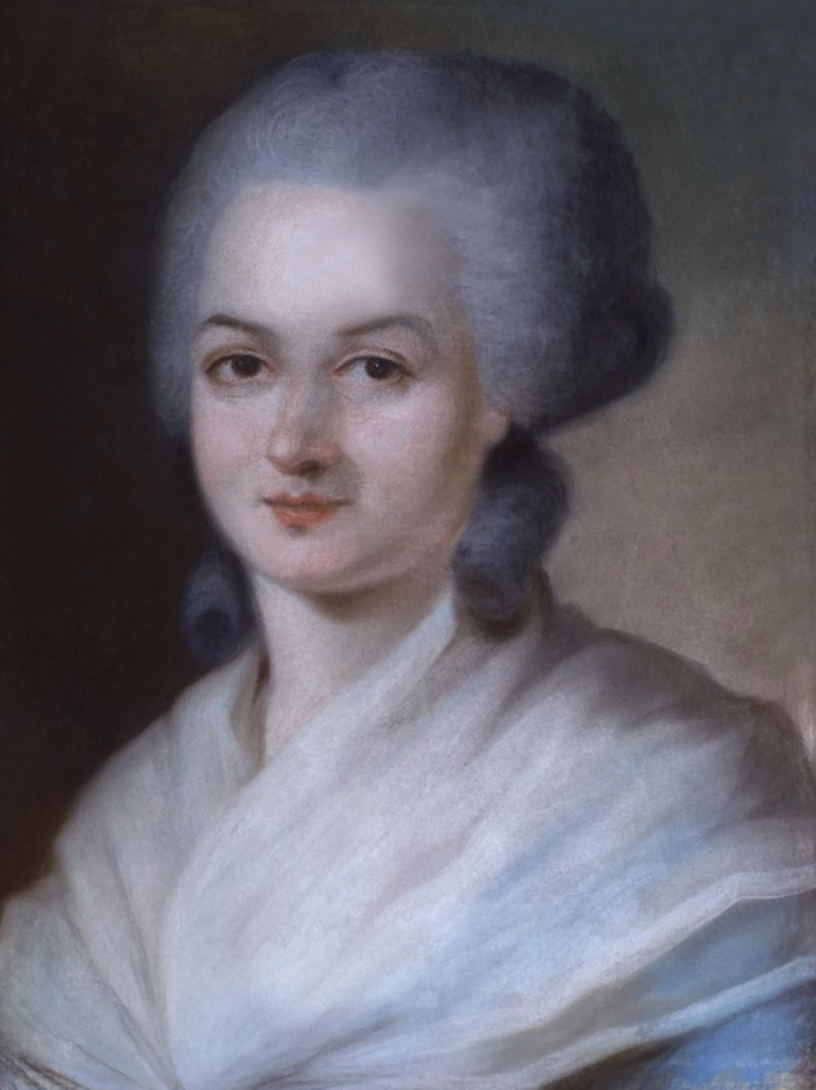
—They say you wanted to defend the king. Why, when you were a revolutionary?
Now you touch on the hardest moment. Yes, I was for the Revolution. Yes, I wanted more justice. But when they decided to kill King Louis XVI, I stood up to say no. I even offered to defend him myself before the judges. You'll ask why? Because I believed you don't build freedom by shedding blood. Killing him was revenge, not justice. But that stance cost me dearly. The Montagnards, the hardest group of the Revolution, came to hate me. Defending a king you despise when you're of the people: it takes courage, and it makes you many enemies.
You don't build freedom by shedding blood.
—Were you afraid of the people who wanted you dead?
Of course I was afraid. I'm not made of stone! We lived through a period called the Terror: thousands were arrested, tried quickly, executed. The slightest wrong word could take you before the judges. And I never knew how to keep quiet. I kept writing, posting my ideas in the streets. My friends told me to lay low. But imagine being asked to put your voice in a drawer and lock it. I couldn't. I was afraid, yes. But silence scared me even more than death.
Silence scared me more than death.
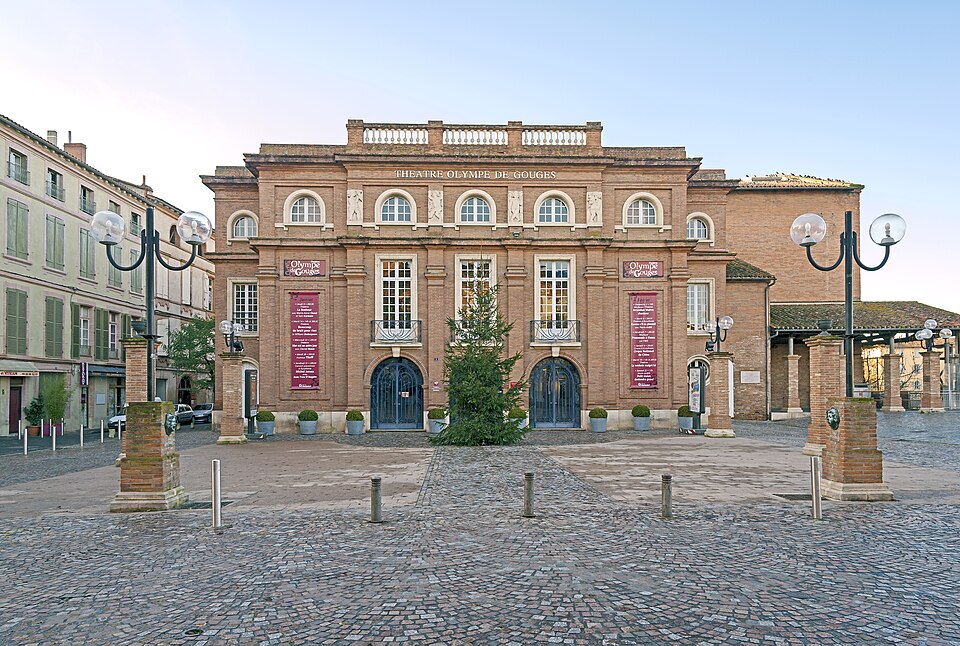
—How were you arrested? For what exactly?
Because of a simple piece of paper! In 1793, I had a poster printed and pasted all over Paris. In it, I proposed that the people themselves choose the form of their government by vote. That seems fair, doesn't it? Well, no — not for those in power. To them, it was an attack. I was arrested in July. You see, in my time, putting up a poster could land you in prison, then before the judges. All I had was my pen and the right to say what I thought. And that's exactly what they didn't forgive me for. One sheet of paper was enough to lock me up.
One sheet of paper was enough to lock me up.
—What did you feel just before the end, in your prison?
My child, that's a serious question, but I'll answer gently. In prison, I wrote a final text, my Political Testament. I put all my heart into it. I wrote: « I die, my fellow citizens, a victim of my passion for the fatherland and for the people. » Do you understand? I wasn't dying for a crime. I was dying for loving my country too much and speaking the truth too loudly. I was guillotined on November 3, 1793, at the Place de la Révolution. I was afraid, it's true. But I was at peace with my ideas. When you fight for what is right, even death cannot take that away from you.
I die, my fellow citizens, a victim of my passion for the fatherland and for the people.
—If you saw us today, what would make you proud?
The simple fact that you are here, listening to me, already makes me proud! In my time, they said that the laws were made by men alone, and that they always tried to push women aside. I spent my life saying that was unjust. I didn't see the rights I demanded in my lifetime. But I had planted a seed. Today, girls go to school, read, write, vote. If you take up my ideas and make them grow, then I will not have written in vain. Remember: a just idea never dies with the one who carries it. It waits, patiently, and one day it wins.
A just idea never dies with the one who carries it.
Read further
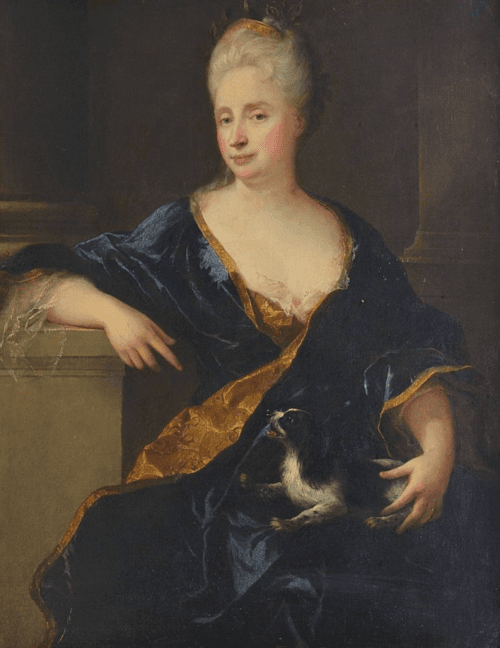
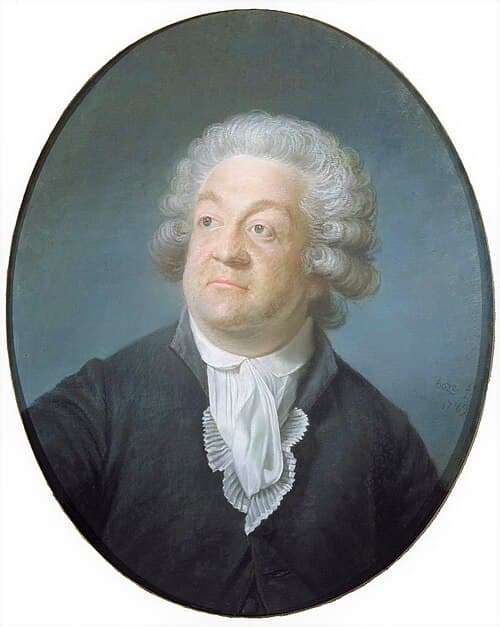
This imaginary interview was generated by artificial intelligence from sources documented in Olympe de Gouges's profile. It dramatises what the figure might have said based on what we know about them, but does not constitute attested historical testimony. For primary sources and factual documentation, refer to the full profile.