Kids interview Persephone
by Charactorium · Persephone · Mythology · 4 min read
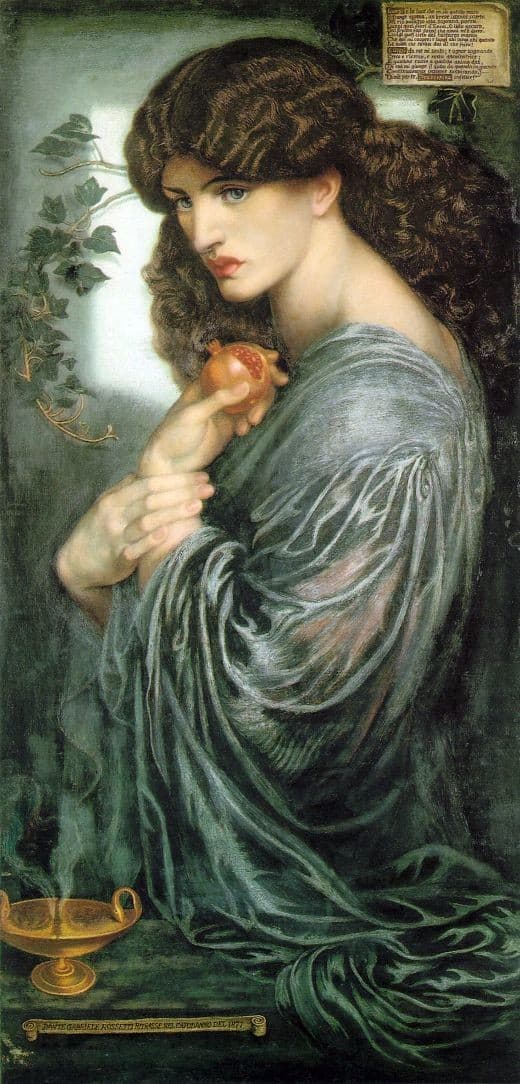
Two young visitors, twelve years old, on a field trip about Greek myths, descend a long stone staircase. At the bottom, a young goddess with a golden crown awaits them, half-shadowy, half-luminous. She smiles and invites them to sit beside her.
—What was it like, the day Hades abducted you?
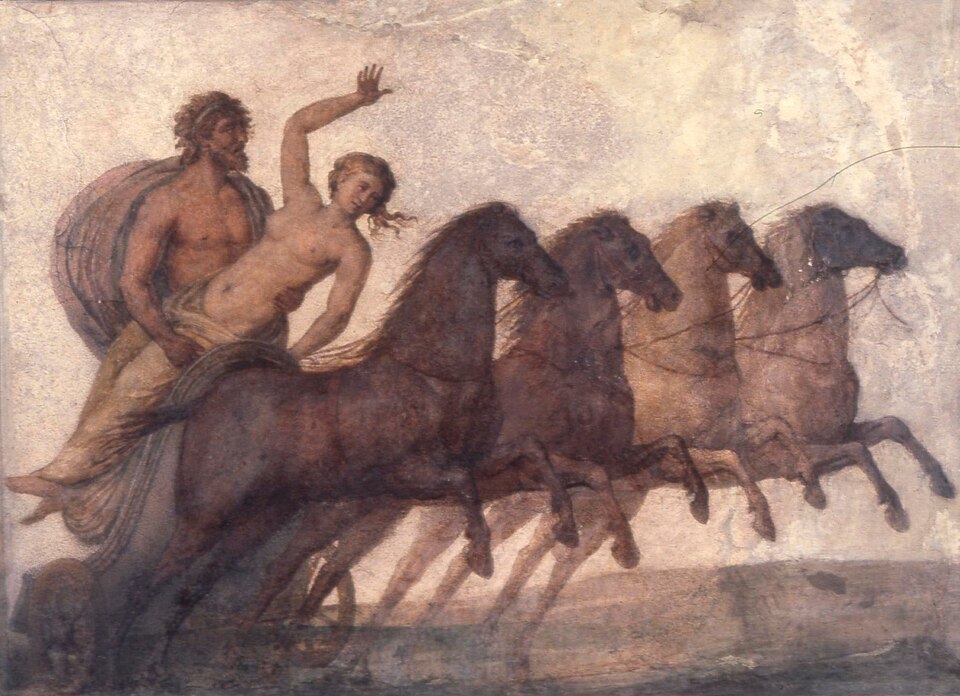
You know, my child, it was a sunny day. I was in a meadow in Sicily, near a town called Enna, picking flowers with my companions. Imagine the tall grass, the scent of narcissi, the laughter of young girls. And then, suddenly, the earth split open. A pitch-black chariot, drawn by dark horses, burst from the ground. It was Hades, the king of the dead. He seized me before I could understand. I let out a great cry, but no one could hear it. That day, my life as a little girl ended all at once.
The earth split open, and my life as a little girl ended all at once.
—Were you afraid in that black chariot under the earth?
Oh yes, I was afraid. Imagine descending into a place where sunlight never reaches. No more flowers, no grass, just dark corridors plunging deeper. I wept for my mother, Demeter, who was searching for me everywhere on earth. This story is first told in a very ancient poem, the Homeric Hymn to Demeter. While I was disappearing, my mother stopped the crops from growing. The fields became sad and empty, like my heart. Her pain and mine, you see, were one.
Where I descended, sunlight never reached.
—Why did you eat that pomegranate in the Underworld?
Ah, the pomegranate... It is the fruit that changed everything, my child. Down there, I had sworn not to eat anything, because tasting the food of the dead binds you to them forever. But one day, I took a few red pomegranate seeds. Just a few! Imagine tiny, shiny pearls, sweet and slightly bitter. That simple act sealed my fate. Because of those seeds, I could no longer stay with my mother all the time. A part of me now belonged to the world below. A small fruit, and my year was split in two.
A few pomegranate seeds, and my year was split in two.
—So is it true that you cause the seasons?
In a way, yes. Listen carefully: each year, I spend part of the time with Hades under the earth, and the rest with my mother. The poet Ovid says three months below, others say six. When I descend, my mother Demeter weeps and nature falls asleep: that is autumn, then winter. The trees shed their leaves, the seeds sleep. But when I return to her, her joy awakens the whole earth. Flowers come back, wheat grows again: that is spring, then summer. My journey, you see, makes the world breathe.
When I return to my mother, spring comes back with me.
—Were you just a prisoner, or did you actually rule down there?
That is a good question, my child, and the answer may surprise you. At first, I was a victim. But little by little, I became a true queen. On Greek vases, I am not shown weeping: I wear a golden crown and hold a scepter, the signs of real power. In the afternoon, I sit in my palace with black marble walls and judge the souls of the dead alongside Hades. Imagine a young girl become sovereign of a vast kingdom. I am not just a plucked flower: I reign.
I am not just a plucked flower: I am a queen who reigns.
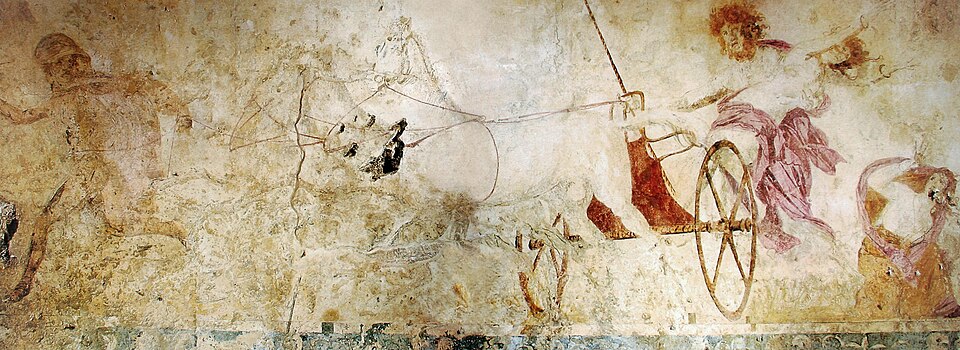
—What is it like, judging the dead all day?
It is a serious task, you know, not a game. In the morning, I confer with Hades about the affairs of the realm. Then I receive the souls that have just arrived. Imagine a long line of silent shadows, afraid and awaiting their fate. My role is to ensure that justice is upheld, that each receives what they deserve. It is not cruel, it is just: the laws of the dead are eternal. In the evening, I share a solemn meal with my husband. Ruling over the dead is not about being mean. It is about keeping order in the world below.
Ruling over the dead is not about being cruel: it is about dispensing justice.
—What are those secret mysteries that were celebrated for you?
Ah, you speak of Eleusis! It was a sacred place near Athens, where my story and my mother's were celebrated. For over a thousand years, thousands of pilgrims came there. It was called the Mysteries because the rites were secret: no one had the right to tell what they saw. Imagine a torchlight procession in the night, songs, a lit torch like the one Demeter carried while searching for me. People believed that knowing my myth would help them after death. My story gave them hope in the face of darkness.
My story gave the living hope in the face of darkness.
—Why did people come from so far just for you?
Because I spoke to them about what frightened them most, my child: death. You see, I come and go. I descend to the dead, then return to the light every spring. For the Greeks, this was a great mystery full of hope. At Eleusis, an initiation rite—that is, a secret ceremony for the initiated—promised them a better fate in the afterlife. Imagine traveling from all over the Mediterranean, walking for days, just for that hope. If the goddess is reborn each year, they thought, then perhaps our souls do not die forever.
If I am reborn each spring, then perhaps souls do not die out.
—Is it true you can go everywhere, even among the living?
Yes, and that is what makes me unique! No other goddess does this. I move between three worlds: Olympus, the mountain where the great gods live; the earth, where humans walk; and the Underworld, the subterranean realm of the dead. Imagine a vast staircase linking the sky, your garden, and a bottomless cave. I go up and down that staircase. I am like a living bridge between those above and those below. This movement, you see, makes me a messenger between life and death.
I am a living bridge between those above and those below.
—Does it make you sad to always leave and return, never staying?
That is the bittersweet part of my life, my child. Yes, I sometimes weep when I must leave my mother Demeter in autumn. And I know Hades awaits me below. But I have understood one thing: my coming and going is not a punishment, it is a gift to the world. Without my departure, no winter; without my return, no spring. Imagine a seed: it must sleep under the cold earth before becoming a flower. I too am that seed. My double life teaches that death is not the end, but a passage to renewal.
Like the seed under the cold earth, I sleep in order to bloom again.
This imaginary interview was generated by artificial intelligence from sources documented in Persephone's profile. It dramatises what the figure might have said based on what we know about them, but does not constitute attested historical testimony. For primary sources and factual documentation, refer to the full profile.