Kids interview Rachel Carson
by Charactorium · Rachel Carson (1907 — 1964) · Sciences · 5 min read
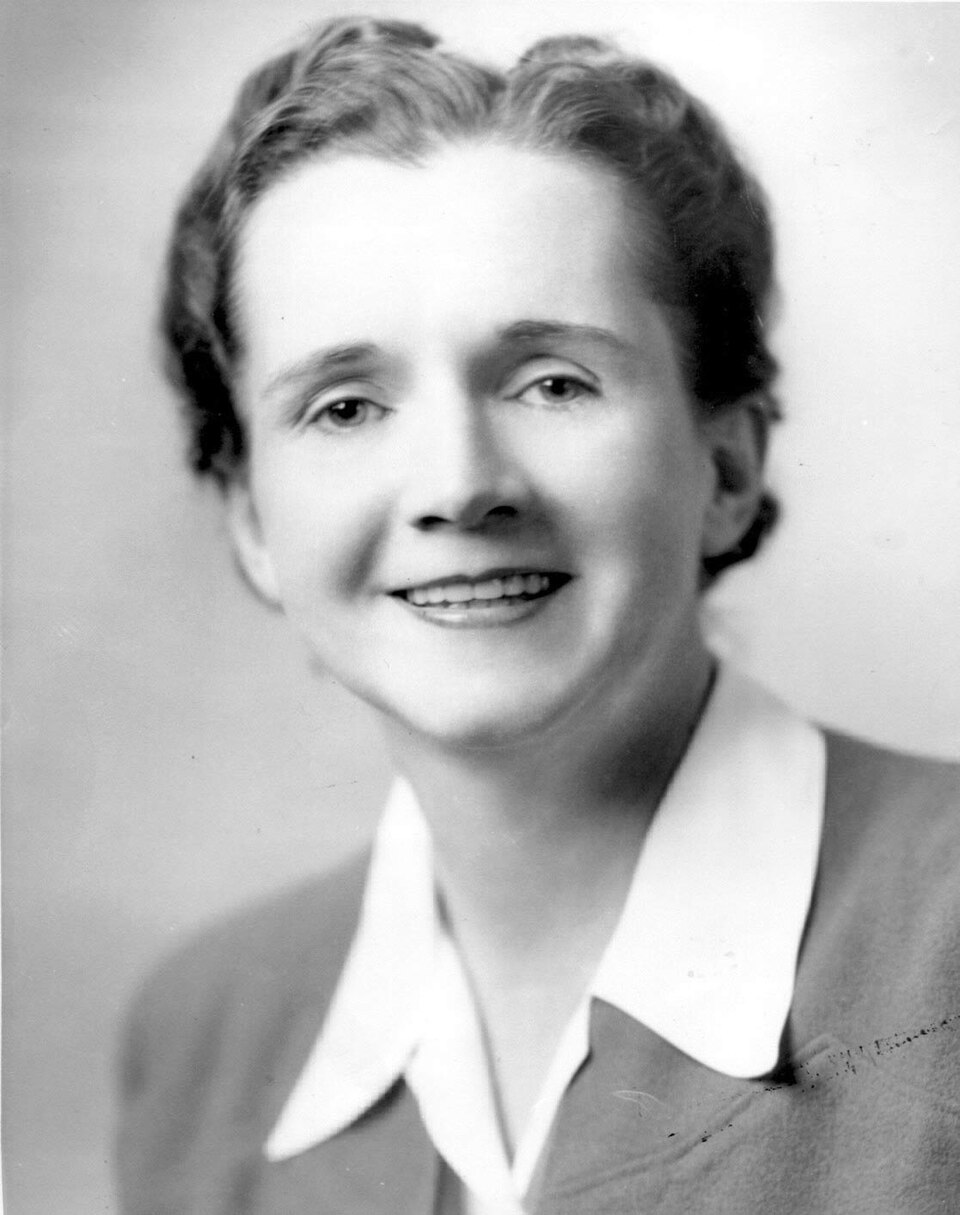
Two young visitors, on a field trip by the ocean, brought a notebook and a thousand questions. Before them, a calm lady with clear eyes invites them to sit near the water. Rachel Carson smiles: these curious children are exactly those she has always wanted to speak to.
—Is it true you already wrote stories when you were little?
Yes, my child, and it made me very proud! I was ten years old when a children's magazine, St. Nicholas, published my very first story. They even gave me a small cash prize. Imagine: seeing your own words printed on real paper, when you live on a small farm in Pennsylvania. That day, I knew deep down that I would be a writer. I didn't yet know I would speak of oceans and birds. But already, I loved telling the story of the living world. You see, a small seed planted early can grow into a very big tree, many years later.
A small seed planted early can grow into a very big tree.
—How old were you when you saw the sea for the first time?
I was already a young woman, can you believe it? It was in 1929, during an internship at Woods Hole, Massachusetts. I had read, dreamed, written about the ocean, but never touched it. And then, all at once, the salt, the wind, the waves, the cry of seabirds. My heart was overwhelmed. Later, I put all that wonder into a book, The Sea Around Us. It was an immense success, and received a great prize, the National Book Award. I went from an unknown biologist to a famous lady almost overnight. But deep down, I remained the little girl awestruck by her first wave.
—What were your days like when you explored the seashore?
Oh, those were my finest hours! When the tide went out, I would go down onto the rocks, wearing my tall wading boots. I always had my notebook and a small hand lens. I would bend over the pools left by the sea, what we call the intertidal zone — the strip of coast sometimes covered by water, sometimes exposed to the air. There lived tiny crabs, starfish, shells clinging on. I noted everything, sometimes until evening. From these explorations in Maine came my book The Edge of the Sea. You know, we only protect well what we have first learned to look at closely.
We only protect well what we have learned to look at closely.
—And what was your house near the ocean like?
It was a very simple little house, on Southport Island, Maine. I had it from 1953. Imagine a wooden cabin facing the sea, the sound of waves day and night, the smell of seaweed and salt everywhere. In the morning, I would get up very early to write; it was my best time, in the quiet, before the rest of the day. I typed my texts on an old-fashioned typewriter, letter by letter, under my fingers. In the afternoon, I would go back to explore the rocks. In the evening, I listened to music and wrote letters. A simple life, but filled to the brim with nature.
—Why did you call your book Silent Spring? It's a strange title.
It's a sad title, you're right. Imagine a spring morning. Usually, birds sing everywhere, it's a real celebration. Now imagine that same morning, but without any song. Silence. Not a single bird. That's what I feared. It all started in 1958, when my friend Olga wrote me a letter: in her small bird sanctuary, dozens of birds had died after poison was sprayed over the area. That letter moved me deeply. I understood I had to write. My book Silent Spring came out in 1962. Its title is that warning: if we continue, spring could become mute.
If we continue, spring could become mute.
—What were those poisons you wanted to ban?
They were called pesticides, my child: chemical products sprayed on fields to kill harmful insects. The most famous had the complicated name DDT. The problem was that it didn't just kill insects! The poison gradually moved up the entire chain of life: the insect, then the bird that eats it, then the animal that eats the bird. That's called bioaccumulation: the poison piles up, concentrates, and ends up poisoning almost everything. So I said they shouldn't be called 'insecticides', but 'biocides': killers of life. Because it was all life that they threatened.
—The people who sold those poisons, were they angry with you?
Furious, yes! The chemical industry made a lot of money from these products. When my book came out, it launched a big campaign to discredit me. I was called a 'nature fanatic'. They said a woman, moreover, knew nothing about science. It was hard, I won't hide it from you. But I had invented nothing: for every sentence, I had read and noted hundreds of serious scientific reports. My evidence held firm. You know, when you disturb those with power and money, they don't attack your ideas: they try to attack you, personally. I stayed calm, and I held on.
When you disturb the powerful, they don't attack your ideas: they attack you.
—Were you sick at that time? How did you manage to continue?
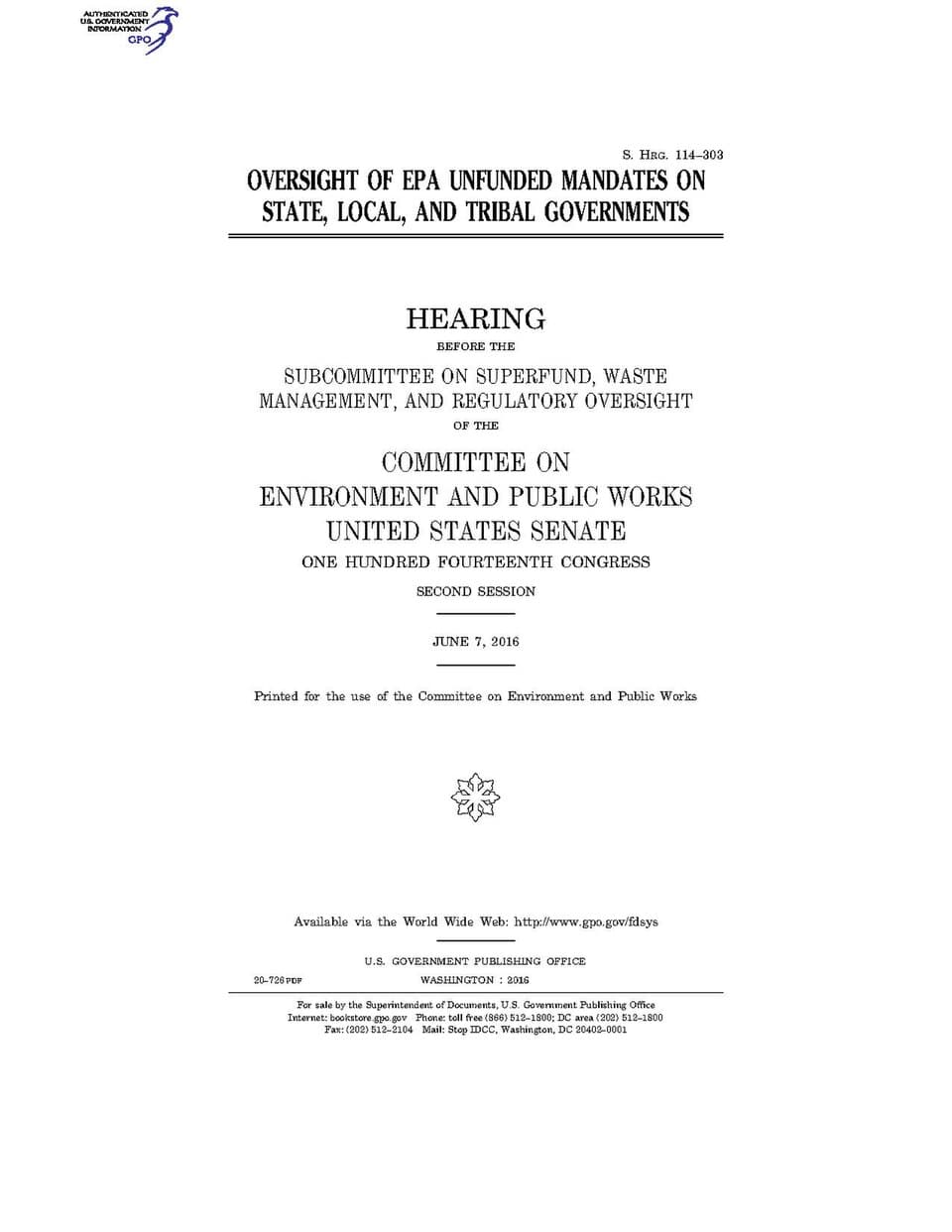
Yes, and it was the hardest part. I was gravely ill with cancer, and I hid it so they wouldn't use it against me. Yet in June 1963, I went to testify before American senators, at the Congress. Imagine: exhausted, in pain, facing powerful men, I had to calmly explain why we were damaging nature. I told them that we always talked about 'conquest', as if we were masters of everything, when we are only a tiny part of a vast universe. President Kennedy's committee agreed with me. I didn't have much strength left, but my words were solid.
—Is it true you liked taking a little boy to discover nature?
Yes, my grand-nephew Roger, whom I was raising. We would go together to explore the rocks and forest near the sea. He was very small, and I sometimes carried him in my arms at night, to listen to the ocean and look at the stars. He didn't understand the learned words, but his eyes sparkled. That inspired a last little book, The Sense of Wonder. You know what I say in it? That a child needs at least one adult near them to share their joy in the world. No need to know everything. Just look, together, and marvel.
To marvel, a child does not need to know everything.
—If we remember one thing from you, what would it be?
That each of you counts, even the smallest. I was just a quiet biologist, who loved to write at night on her old typewriter. I didn't shout, I didn't strike. I just looked carefully, noted the truth, and told it with care. And the world changed: years after my death in 1964, that famous DDT was finally banned. You, with your curiosity and your notebook, can do the same. Learn to observe what lives around you. Love it. Then tell others about it. A gentle voice, but fair and patient, can awaken thousands of sleeping consciences.
A gentle voice, but fair, can awaken thousands of consciences.

This imaginary interview was generated by artificial intelligence from sources documented in Rachel Carson's profile. It dramatises what the figure might have said based on what we know about them, but does not constitute attested historical testimony. For primary sources and factual documentation, refer to the full profile.