Imaginary dialogue between Dorothy Freeman and Rachel Carson
by Charactorium · Rachel Carson (1907 — 1964) · Sciences · 5 min read
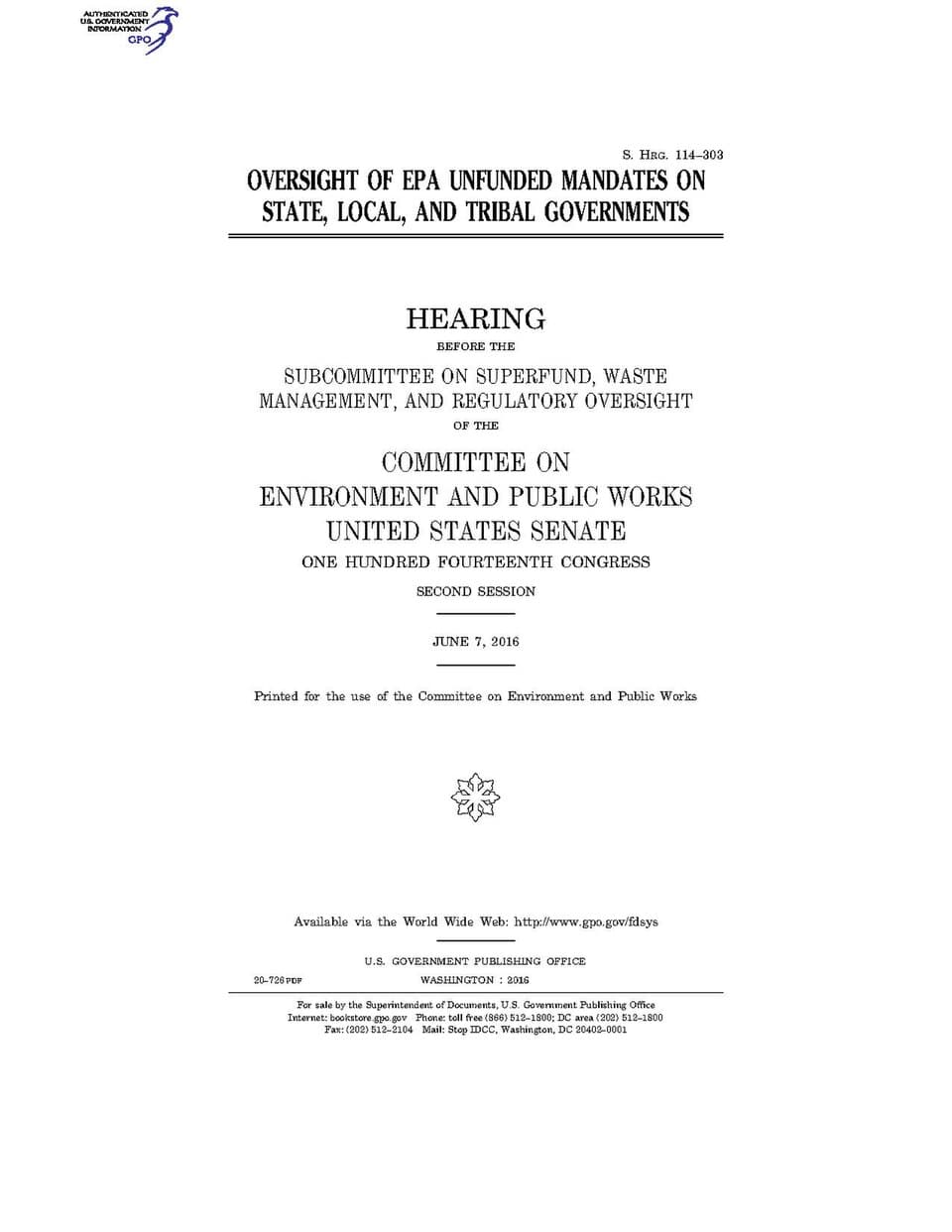
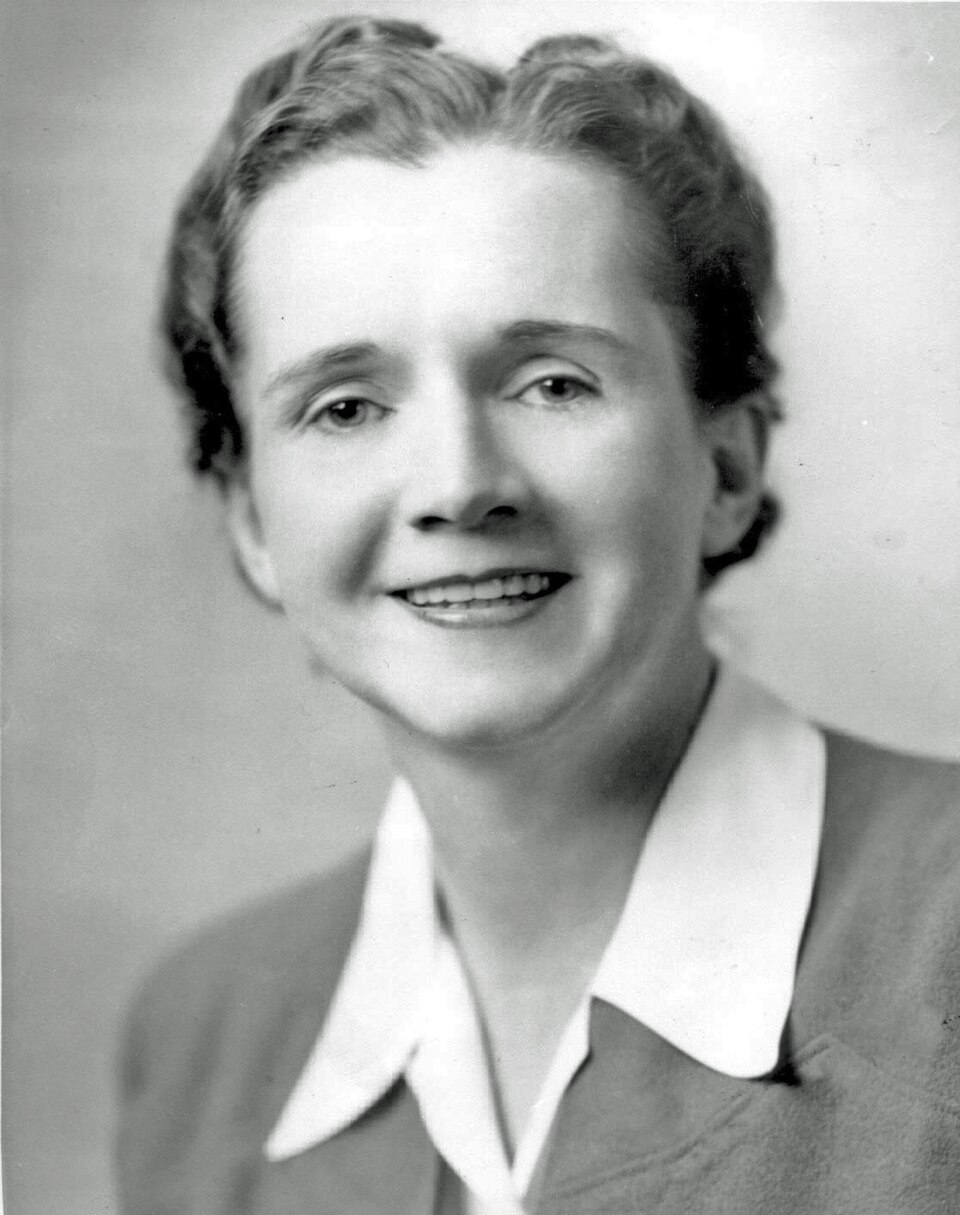
It is on the porch of the little house on Southport Island, in Maine, one evening in the summer of 1963 that Dorothy Freeman meets her friend Rachel Carson. The tide is going out and the smell of seaweed rises from the rocks where they have so often walked together, magnifying glass in hand. They have known each other for ten years, since that meeting in 1953 that forged a correspondence of souls between them. Tonight, Dorothy comes not as a reader but as a confidante, to hear, behind the woman America is discussing, the one she loves.
—Rachel, do you remember our first meeting here, in 1953? What did these Maine rocks change in you?
How could I forget it, Dorothy. When I bought this house, I was looking for a place to write The Edge of the Sea, and I found much more: you, and a part of myself that the Washington office had put to sleep. Those intertidal zones we explored at low tide, crouching in the cold water, taught me to look again like a child. Every tide pool was an entire world. You know better than anyone that I am never as alive as here, notebook soaked, following a crab between two rocks. Maine didn't just give me a book. It gave me back the wonder that science alone eventually wears out.
I am never as alive as here, notebook soaked, following a crab between two rocks.
—You often write to me at dawn, before everyone else. Where does this certainty, so old, come from that you would be a writer?
It comes from when I was ten, believe it or not. I had sent a little story to St. Nicholas magazine, and seeing it in print, with a silver prize, convinced me forever that words would be my life. I didn't yet imagine that science would come to mingle with it. Even today I write at daybreak, on my old Underwood, in the calm before the world demands its due. That's the hour when the sentence comes just right. My days as a civil servant at the Fish and Wildlife Service took the rest; I had only these stolen dawns, and sometimes the night. But it is in that silence that my books were born, one line after another.
I had only these stolen dawns, and sometimes the night — that's where my books were born.
—Before The Sea Around Us, you were a quiet biologist. How did you experience this sudden fame, you who love the shadows so much?
With astonishment, and a little dread, I admit. The Sea Around Us stayed eighty-six weeks on the bestseller lists, I was awarded the National Book Award, and overnight an office biologist became a name everyone wanted. I who spent my days writing administrative bulletins at the Fish and Wildlife Service! Yet this success gave me the only thing I truly desired: my freedom. I was able to leave my job in 1952 and finally devote myself to writing, to my mother, to this corner of Maine. Fame never went to my head, Dorothy. I only remember the door it opened for me to the coast and to you.
Fame never went to my head; I only remember the door it opened.
—People talk so much about your last battle. But where did that book about poisons really start?
From a letter, Dorothy, like so many things between us. In 1958, Olga Owens Huckins wrote to me describing the dead birds on her preserve after aerial spraying. That little domestic drama awakened everything I had been observing for years. I wanted to explain to people what my colleagues already knew: that a poison like DDT does not disappear. It accumulates, moves up the food chain, from worm to bird, and all the way to us. That is bioaccumulation: the invisible that concentrates, level by level. With my binoculars and my microscope, I saw the first silences settling in. A spring without birdsong is not an image: it is a very real threat.
A poison like DDT does not disappear: it accumulates, moves up the chain, and all the way to us.
—I have seen you hurt by their attacks. How do you bear being called a mere 'nature fanatic'?
It hurts, I won't hide it from you. The chemical industry launched a real campaign to discredit me, questioning my competence, painting me as a sentimental fanatic. But I compiled hundreds of toxicological reports, I weighed every sentence of Silent Spring with a scientist's rigor. You don't refute facts with insults. I deliberately chose the word biocide rather than insecticide, because these substances don't just kill the targeted insect: they strike all of life. As long as I can stand, I will answer slander with proof. My illness won't change that: what matters is that the truth be told before it is too late.
You don't refute facts with insults.
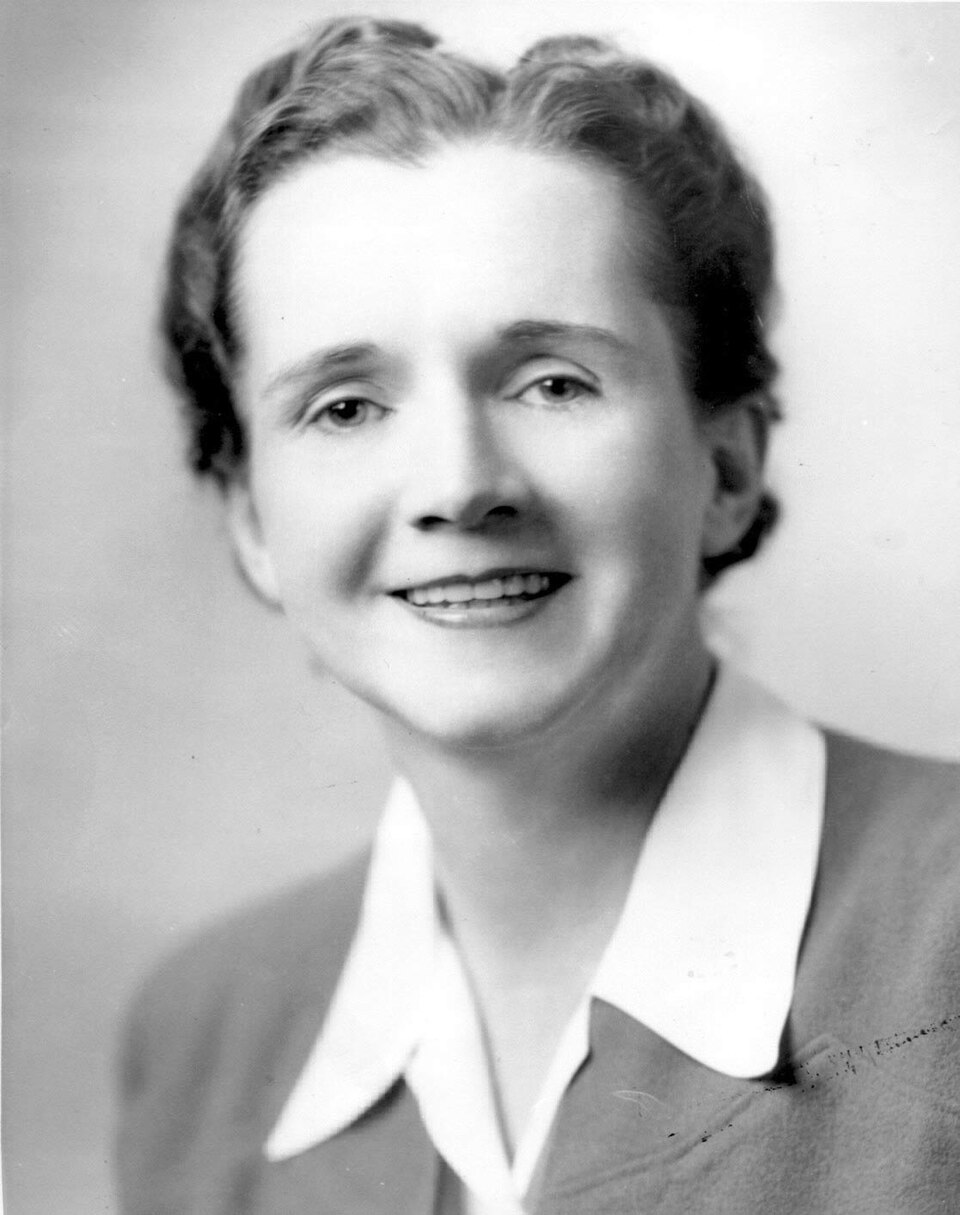
—You went to testify before the senators this spring. Where do you find the strength, in the state I know you are in?
In necessity, simply. Last June, before the Senate Committee, I stood very straight and spoke in a calm voice, because that was the only way to be heard. I told them that we still speak in terms of conquest, that man has not yet the maturity to see himself as a tiny part of a vast universe. We have acquired a terrible power: that of altering and destroying nature. President Kennedy's committee confirmed my findings, and that is worth more than all the medals. You know what it costs me physically to appear like this. But I prefer to exhaust my strength saying what matters than to save it in silence.
I prefer to exhaust my strength saying what matters than to save it in silence.
—And little Roger? Those summers when you took him out on the rocks at night, what did you hope to pass on to him?
The sense of wonder, Dorothy — nothing less, nothing more. When I carried Roger, still very small, onto the beach in the dark to listen to the ocean, I wasn't teaching him species names. I wanted him to feel, before knowing. A child keeps alive that innate gift of wonder if he has at least one adult nearby who can share it, rediscover with him the joy and mystery of the world. That's what I try to be for him. The Latin names will come later, or never; it doesn't matter. What matters is that he doesn't forget how to look. I believe that is worth all the science textbooks combined.
I wanted him to feel, before knowing.
—Before the sea, there was Under the Sea-Wind, almost unnoticed. Did you suffer from that first silence?
A little, at the time, yes. Under the Sea-Wind, in 1941, told the sea from the perspective of its inhabitants: a mackerel, an eel, a shorebird. I had written it with all my heart, and it fell almost without echo, swept away by the war that was beginning. For a moment I thought I had chosen the wrong path. Then the success of The Sea Around Us revived it in 1952, and readers finally discovered it. I learned a lesson from it that I share with you: a true book eventually finds its time, even if it has to wait. Patience is a virtue for a writer as much as for a naturalist — you learn to watch for what doesn't come right away.
A true book eventually finds its time, even if it has to wait.
—You have often told me that the sea, where life was born, is now threatened. Do you truly fear for it?
It is a strange situation, Dorothy, and it haunts me. The sea, from which life once emerged, now finds itself threatened by the activities of a single form of that life: our own. I wrote that to you one day, you may remember. The sea will endure — changed in a sinister way, but it will endure. It is not the ocean I fear losing, it is life itself, that fragile fabric that poisons unravel stitch by stitch. The natural balance is not a scientist's abstraction: it is what holds species together. When you remove one link, everything else wavers. That is what I wish people would understand, before the birds, before the silent spring.
It is not the ocean I fear losing, it is life itself.
—When I read your pages, I never know where science ends and where the poem begins. How do you hold the two together?
I don't separate them, Dorothy — that's my whole secret. My field notebooks show it well: on the same page a precise record coexists with a sentence already seeking its music. I believe that a scientific truth poorly expressed remains a dead letter, and a beautiful sentence without rigor is worthless. Popularization, as it is called, is not lowering knowledge: it is giving back its share of beauty so that it finally touches people's hearts. If The Sea Around Us spoke to millions of readers, it was not despite its poetry, but because of it. Fact illuminates the mind; wonder, however, sets it in motion. I write for both at once.
A truth poorly expressed remains a dead letter; a beautiful sentence without rigor is worthless.


This imaginary interview was generated by artificial intelligence from sources documented in Rachel Carson's profile. It dramatises what the figure might have said based on what we know about them, but does not constitute attested historical testimony. For primary sources and factual documentation, refer to the full profile.