Kids interview Robin Hood
by Charactorium · Robin Hood · Mythology · 5 min read

Two young visitors, on a school field trip, walked to the heart of Sherwood Forest. Under a great oak, a man in a green cloak awaited them, his bow leaning against the bark. He smiled: curious children were his favorite thing.
—What was your home like in Sherwood Forest?
You know, my child, I didn't have a house like yours. Sherwood Forest was my roof. Imagine shelters of branches and leaves, hidden under the trees, which we moved constantly to escape the soldiers. In the morning, I woke to the birdsong. The first thing I did? I went to see my lookouts, posted on the roads to watch for rich travelers. And if danger approached, I blew my hunting horn. One call, and my companions would spring from the thickets. The forest wasn't just a hideout: it was my freedom.
The forest wasn't just a hideout: it was my freedom.
—What did you eat in the evening with your band?
Ah, the evening meal was my favorite time! At nightfall, we would all gather around a big fire. We ate game hunted in the forest—deer, rabbit, sometimes a wild boar. We also had fish from the rivers, bread, wild honey, and berries. Not a lord's feast, but believe me, we laughed hard. Little John told his stories, and I would already plan the next day. You see, sharing a meal around the fire binds men better than any oath. We were a family of outlaws.
A shared meal around the fire binds men better than an oath.
—Is it true you never missed your target with your bow?
You know, they say my arrows hit impossible targets. But that's not magic, my child: it's work. My weapon was the English longbow, a formidable weapon, almost as tall as a man. Every afternoon, I practiced shooting, again and again. Draw the string, aim, breathe, release. A hundred times, a thousand times. That's how you become a good archer, a bowman. No one is born skillful. You become it through patience. And the day the sheriff is chasing you, believe me, you're glad you practiced.
No one is born skillful: you become it through patience.
—Why did you steal from the rich to give to the poor?
That's the heart of my story. In my time, peasants paid feudal taxes—levies in money or grain demanded by lords and the king. Often too heavy, unjust. A family could go hungry while a lord grew fat. So I would watch for rich travelers on the roads, take their well-filled purse, and go empty it among the poorest. You'll say: stealing is wrong! You're right. But when the law protects the powerful and crushes the weak, sometimes you have to choose your side. Mine was that of the hungry.
When the law protects the powerful and crushes the weak, you have to choose your side.
—Were the poor happy when you arrived?
Oh, you can't imagine their faces! Picture a peasant family in a hut, not knowing how to get through winter. And then one evening, someone knocks on their door and leaves a purse full of coins taken from a lord. Tears, smiles, whispered thanks. For them, it wasn't just money. It was proof they weren't alone, that they hadn't been forgotten. It was for those looks that I lived hidden in the woods. Giving, my child, warms the giver as much as the receiver.
Giving warms the giver as much as the receiver.
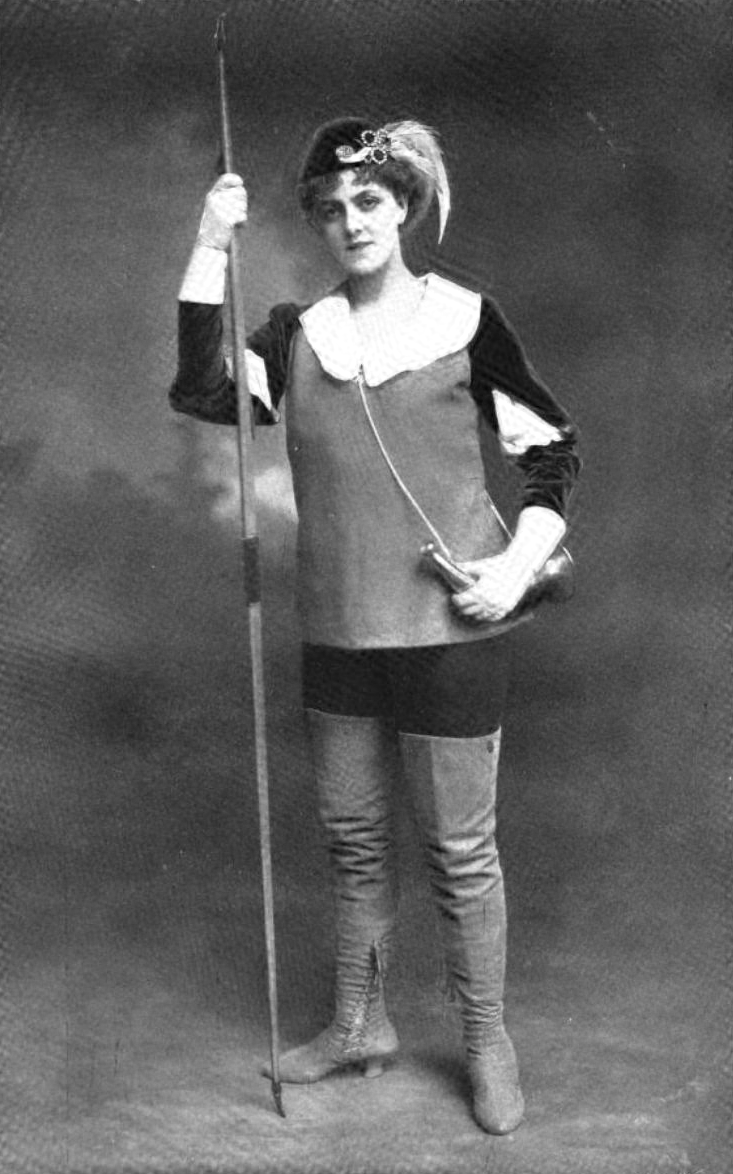
—Who was the Sheriff of Nottingham? Did you hate him?
The Sheriff of Nottingham was my great enemy. In Nottingham, a town in central England, he dispensed seigneurial justice—understand: he judged people by his own rules, often as he pleased, without a fair trial. He hounded the poor for a poached deer but turned a blind eye to the abuses of the rich. I was an outlaw: a man rejected by the law, who could be arrested without trial. So we waged an endless war, him and me. Hate him? Let's say I hated the injustice he carried on his shoulders.
I didn't hate the man: I hated the injustice he carried.
—Were you ever afraid of being caught?
Of course I was afraid, my child! Whoever tells you they've never been afraid is lying. Being an outlaw meant I could be taken and punished without even a trial. The sheriff sent his guards to search the forest. But you know what saved me? Sherwood itself. I knew every path, every hiding place, every hollow tree. My lookouts warned me in time, and at the first sign of danger, my hunting horn gathered my men. Fear doesn't disappear. You just learn to walk with it, without letting it command.
Fear doesn't disappear: you learn to walk with it.

—Why do you always wear that green cloak?
My green cloak! Everyone recognizes me by it, don't they? But it's not for show. Picture yourself crouched in the Sherwood bushes, still, while guards pass three feet away. Green blends with the leaves, the moss, the shadow of the trees. You become almost invisible. Under the cloak, I wore a simple wool tunic, like common folk—nothing like the fine clothes of nobles. My clothes told who I was: a man of the woods, on the side of the humble. Green was the color of my cunning.
Green was the color of my cunning.
—How do people know your story if it was so long ago?
Good question, my child, and the answer might surprise you. My story wasn't written by scholars while I lived. No! It traveled from mouth to mouth, in ballads—songs and tales people told each other in the evenings, in villages. For generations, people sang of Robin before daring to write it down. Only much later were these tales put on paper, like in A Gest of Robyn Hode. You see, I live first in people's memory. A legend doesn't fit in a chest: it fits in hearts.
A legend doesn't fit in a chest: it fits in hearts.
—And today, how does it feel that people still talk about you?
It touches me more than you know. In every era, people have told Robin a little differently—sometimes a fallen noble, sometimes a simple outlaw, sometimes a hero of the people. And you know what? Good! If people still talk about me, it's not for my bow or my green cloak. It's because the idea I carry never dies: standing up to the powerful, reaching out to the weak. As long as there are injustices, somewhere, someone will dream of a man hidden in a forest, ready to restore balance. And that man will be a little bit you, too.
As long as there are injustices, someone will dream of setting them right.
This imaginary interview was generated by artificial intelligence from sources documented in Robin Hood's profile. It dramatises what the figure might have said based on what we know about them, but does not constitute attested historical testimony. For primary sources and factual documentation, refer to the full profile.