Imaginary dialogue between Petit Jean and Robin Hood
by Charactorium · Robin Hood · Mythology · 4 min read
It is deep in Sherwood Forest, under the great hollow oak that serves as the band's hideout, that Little John comes to sit beside Robin Hood one late autumn evening. The campfire crackles, arrows dry against the bark, and the smell of roasted game rises in the cold air. They have fought side by side for so many seasons that words no longer need to be complete to be understood. Tonight, the lieutenant wants to hear the man behind the outlaw.
—Robin, do you remember the day I joined you on the bridge, after our quarterstaff duel? Why did you make this Sherwood Forest your only kingdom?
How could I forget it, old John — you threw me into the water and I wanted you for a brother at once. Sherwood is not a hideout, it's a living wall. The king has his stone castles; I have the oaks, the thickets, and the paths that no sheriff's soldier can follow. Here we build huts of branches that we dismantle in a night, we post lookouts on the roads, and the forest makes us invisible. You know this, you who set the traps with me at dawn. Under these canopies, an outlaw becomes a free man again, and the royal forest forbidden to us becomes our only homeland.
The king has his stone castles; I have the oaks that no soldier can follow.
—Everyone says you steal from the rich to give to the poor. But you who share every loot, tell me truly: why do you target the lords?
Because what I take back, John, they first ripped away. The feudal tax crushes the peasant to the bone, the manorial justice condemns without trial the poor man who poaches a deer to feed his children. When we stop a portly abbot or a royal collector on the road to Nottingham, we are only giving back to the village what was stolen from it. The purse I slip into a widow's hand is worth more than all the gold in the sheriff's coffers. I am no common thief — I am the tax in reverse. What the powerful call theft, the people call justice.
What the powerful call theft, the people call justice.
—The Sheriff of Nottingham has sworn your downfall. When you stand against him, are you fighting the man, or something else?
It is not the man, John — it is what he wears on his shoulders. The sheriff is only a face; behind him stands the whole order that levies, hangs, starves. If I cover him with ridicule at every archery tournament, if I slip through his fingers like water, it is so that the humblest peasant understands that this authority is not invincible. Every time he returns empty-handed to his castle, it is a seed of hope sown in the cottages. I do not hate this man; I hate the yoke he imposes on us. And as long as that yoke holds, Sherwood will answer him with arrow and laughter.
Every time he returns empty-handed, it is a seed of hope sown in the cottages.
—No one draws the longbow like you. Tell me: where does that steady hand come from?
From a thousand afternoons like today, John, loosing shaft after shaft until my fingers bleed. The longbow is not a weapon you pick up; it is a companion you learn by heart. I know the weight of each arrow, how the wind bends its course between the trunks, the moment to release without thinking. But the true strength is not in the arm — it is in the breath you hold. When I sound the hunting horn to rally you, and twenty bowstrings draw in one motion, then I know that no wall, no spear can match our skill. A well-drawn bow is worth an army.
The longbow is not a weapon you pick up; it is a companion you learn by heart.
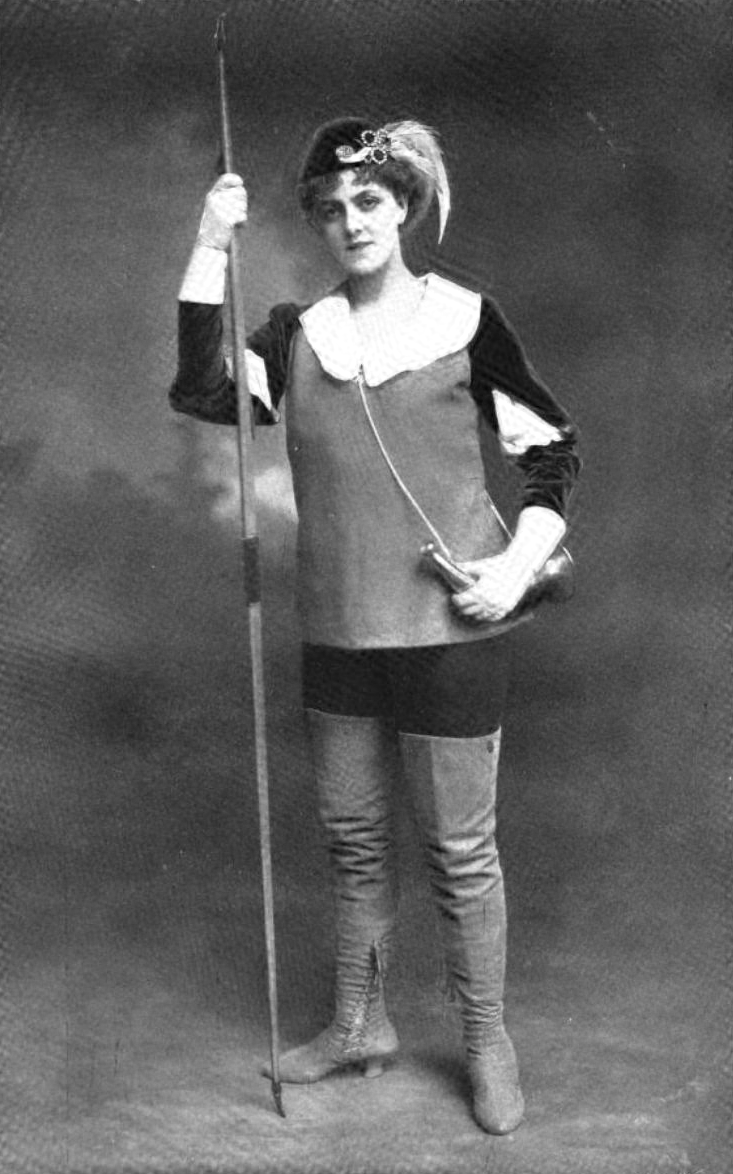
—And this green cloak you never take off, even when the cold would bite less in thick wool? What does it mean to you?
It is my second skin, John, and the color of the forest itself. Dressed in this green, I blend into the ferns and foliage; a sheriff's guard can pass three steps away without seeing me. But it is more than camouflage. When a peasant glimpses this cloak darting through the trees, he knows that hope still roams the land. Lords adorn themselves in scarlet and ermine to be feared; I wear the green of the humble and the woods so that I may be recognized without being found. This worn cloth is worth all the ceremonial coats of the court.
I wear the green of the woods so that I may be recognized without being found.
—We are a strange family, Will Scarlet, you, me, and the others. What holds our Merry Men together, do you think?
Sharing, John, nothing else. At court, the strongest crushes the weakest; here, every loot is divided into equal shares, the last comer eats as much as the first. We have neither lord nor vassal — only brothers bound by given word. In the evening, around this fire, we listen to the news our spies bring, we laugh at the sheriff's mishaps, we sing. That is what binds us far more than the fear of the gallows. You and Will are more than my lieutenants: you are proof that one can live among equals. A band of outlaws, yes — but the freest of brotherhoods.
We have neither lord nor vassal, only brothers bound by given word.
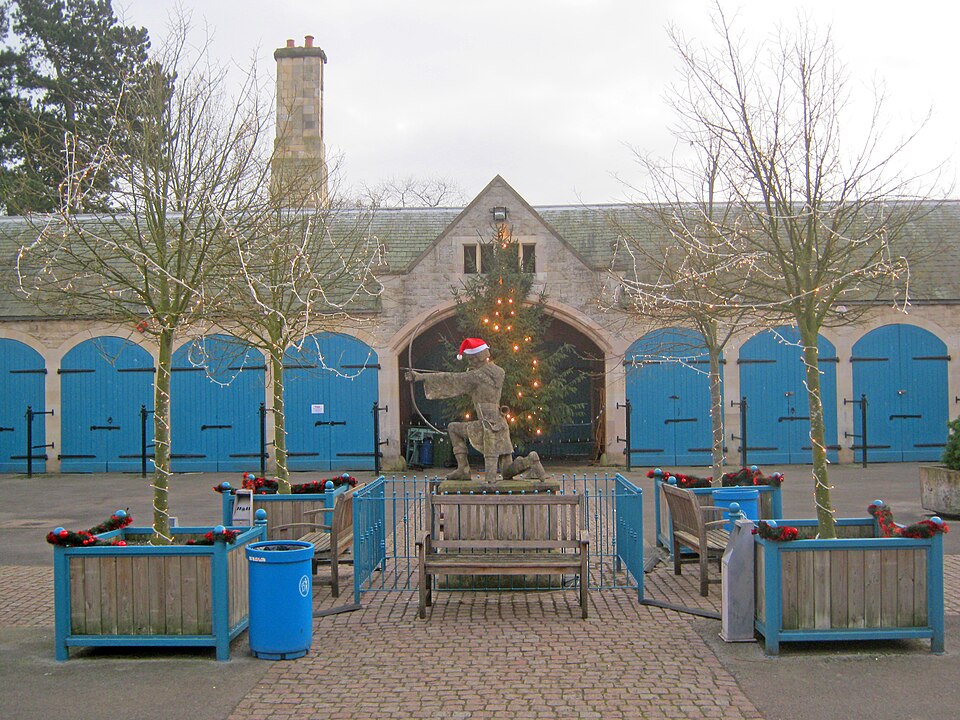
—When night falls and the men sleep, do you ever fear for them? You carry their fate on your shoulders.
Every night, John, I count the shadows around the fire to make sure no one is missing. These men left everything to follow me — their land, their name, sometimes their family. If one of them falls to a guard's arrow, it is I who led him there. That is the weight no one sees behind the ballads that may one day be sung. But I also know that outside, under the sheriff's yoke, they would have had only hunger and humiliation. Here, at least, they die standing. You know my silences better than anyone — that is why I sleep more peacefully when you are the one keeping watch.
Outside they would have had only hunger; here, at least, they die standing.
—Robin, minstrels already sing your name from village to village. Does it worry you that you are more told than known?
Songs grow faster than men, John. In the markets, they already say my arrows split others in mid-flight, that I come from a line of fallen nobles, or that I am just a faithless brigand — each shapes me to his measure. I let them talk. If a ballad sung at Barnsdale gives courage to a peasant in the Midlands, then what matter if it is accurate? What matters is not the man I was, but the hope my name carries. Perhaps one day no one will know if I truly breathed. So much the better: a legend cannot be hanged.
What matters is not the man I was, but the hope my name carries.
—Some scribes claim you never existed, that you are just a tale. What do you say to those who will doubt Robin Hood?
Let them doubt, John! The clerks blacken their chronicles in Latin, they call me great pillager and great thief in their parchments from Walsingham or Froissart — and yet they write me. That means they do not write nothing. But you see, I care little whether my grave is ever found. Robin Hood is not a single man: he is every peasant who refuses to bow his back, every archer who aims truer than his master. As long as there is an unjust tax and a forest to hide in, someone will take up the bow. You can kill the man; you cannot kill what he has sown.
You can kill the man; you cannot kill what he has sown.
This imaginary interview was generated by artificial intelligence from sources documented in Robin Hood's profile. It dramatises what the figure might have said based on what we know about them, but does not constitute attested historical testimony. For primary sources and factual documentation, refer to the full profile.