Imaginary interview with Sarah Bernhardt
by Charactorium · Sarah Bernhardt (1844 — 1923) · Performing Arts · 6 min read
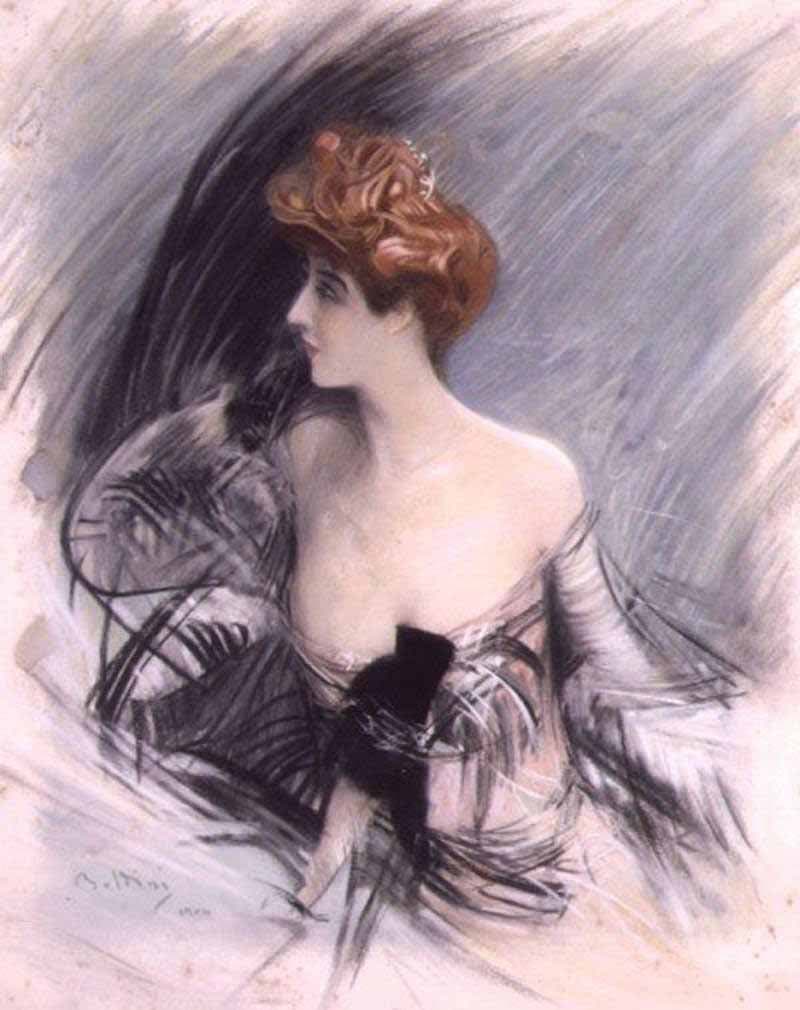
Paris, a winter evening in 1921. In her townhouse on the Boulevard Pereire, draped in dark velvet and peopled with animal shadows, the Divine receives, half-reclining on a fur-covered divan. She is seventy-six years old, missing a leg, and her voice still fills the room like a whole auditorium.
—It's widely said that you used to sleep in a coffin. How much truth is there to that legend?
It's all true, and that's what scandalizes people. This coffin of light wood, upholstered in white satin, I kept it near my bed since I was twenty. Newspapers around the world cried macabre coquetry; they understood nothing. When you play Phèdre, when you must die every night before a thousand gazes, you must have tamed the thing. I would stretch out in it, hands crossed, and let the cold of the agony that Racine demands rise within me. A tragédienne does not feign death: she rehearses it, patiently, like a scale. My white satin was my best teacher.
A tragédienne does not feign death: she rehearses it, patiently, like a scale.
—Why tragedy rather than light comedy, which was so popular in your day?
Because laughter bores me and pain nourishes me. When I first embodied Phèdre in 1874, I felt that I had finally touched the very nerve of my art. The next day, a critic from Figaro wrote that my interpretation would mark an era — I kept that clipping for a long time. You see, I have always believed what I eventually wrote: the actor must be a creator, not a mere reciter. He must put his entire soul into every gesture, every word, to touch the spectator's heart. Comedy amuses; tragedy reveals. I prefer to be that terrible mirror in which the public recognizes its own abysses.
Comedy amuses; tragedy reveals.
—How did you, a woman of fifty-five, dare to play the young Duke of Reichstadt in L'Aiglon?
They told me it was madness; I replied that the stage knows neither age nor sex, only truth. In 1900, Edmond Rostand offered me this dying son of Napoleon, this eaglet with clipped wings, and I knew at once that this role would be mine. Already, in Victor Hugo's Ruy Blas, I had tasted that freedom to cross conventional boundaries. A woman's body can carry the soul of a prince; you just have to want it fiercely enough. I put on the white uniform, I walked like a condemned child, and the audience wept not for a disguised actress, but for a young man fading before their eyes. That is what I call creating.
A woman's body can carry the soul of a prince; you just have to want it fiercely enough.
—Would you say you sought to reinvent the tragic acting inherited from the Comédie-Française?
I was trained in that temple, I became a sociétaire, and I loved it — but there they declaimed as one prays, kneeling before tradition. I wanted the classical verse to bleed. At the Comédie-Française, they recited the alexandrine; I wanted it to tremble with genuine emotion, with a psychology the audience could recognize. Some old gentlemen found it indecent. So much the better. Theatre is not a museum where you dust off statues; it is a fire that must be rekindled every night. I kept Racine, I kept Corneille, but I gave them a beating heart instead of a chanting voice.
Theatre is not a museum where you dust off statues; it is a fire that must be rekindled every night.
—Do you remember your first tour of the United States?
As if it were yesterday — it was a storm. In 1880, barely off the steamer, I found thousands of people massed on the docks, journalists dogging my steps, spying even on my dinner menus. I carried French theatre from city to city, in whole trains rented for my company and my trunks. They said I hypnotized the halls without saying a word. These international tours, I led them for thirty years, across Europe and the two Americas. I understood before many that talent alone is not enough: you must know how to cross oceans so that the world comes to you.
You must know how to cross oceans so that the world comes to you.
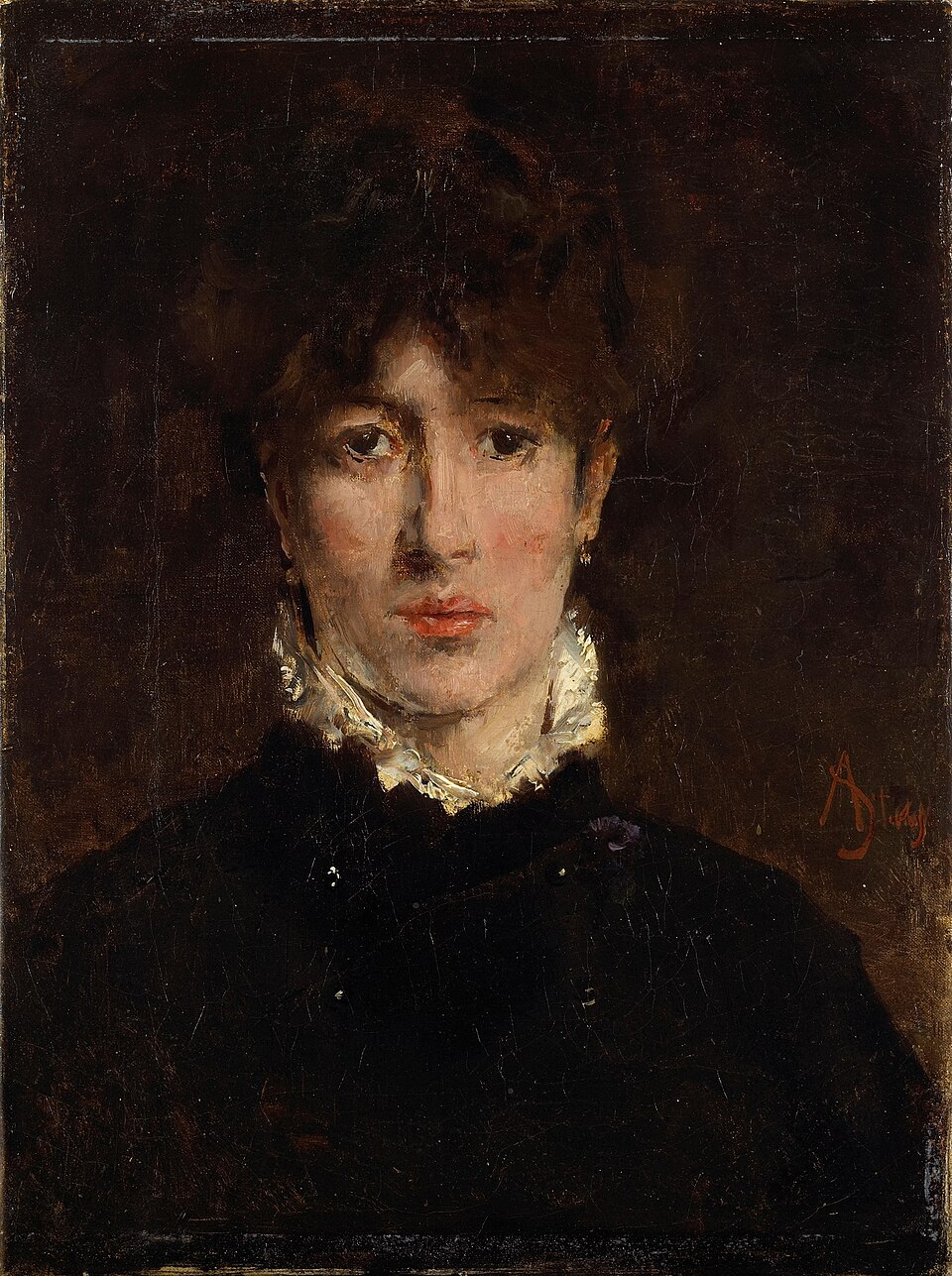
—Your face appeared on posters, soaps, perfumes. Wasn't that unworthy of a great artist?
Unworthy? It was intelligent. When Alphonse Mucha drew my posters, those long Byzantine silhouettes covered in gold, he made me an icon plastered all over Paris. My name on a perfume bottle, on a chocolate, on a soap: each object was another stage on which I performed. The men who ran the theatres thought they had me; but I negotiated my fees, I set my terms, penny by penny. A woman of my time who wants to be free must first be rich, and to be rich, you must sell without ever selling out. I traded on my image without ever cheapening my art.
I traded on my image without ever cheapening my art.
—What did one find upon crossing the threshold of your townhouse?
A world, my friend, not a house. On Boulevard Pereire, my walls were hung with dark velvet, the floor strewn with animal skins, master paintings rising to the ceiling among exotic plants. And above all, my visitors never knew which creature would greet them: a caiman given by Victor Hugo, screeching parrots, my lion Justinien, a tame wolf prowling between the armchairs. They thought me mad. I loved that rumor. An actress must live as she plays — in the set, never in front of it. My home was an extension of the stage: a cabinet of curiosities where I was both the curator and the strangest exhibit.
An actress must live as she plays — in the set, never in front of it.
—One imagines you in all Parisian splendor; what did you seek on the rocks of Belle-Île?
Silence, and the Atlantic. I bought an old Breton fort on Belle-Île-en-Mer, which I turned into a seaside retreat. There, no velvet or crowds: simple furniture, the wind, the crash of waves against the cliff. In the morning, I painted watercolors; in the afternoon, I carved marble — for I sculpt, which always surprises. Paris made me queen but exhausted me; Belle-Île made me a woman. I needed that storm-beaten fort to regain the breath I spent so freely under the stage lights. You cannot last thirty years on the boards unless you know, sometimes, how to disappear.
Paris made me queen but exhausted me; Belle-Île made me a woman.
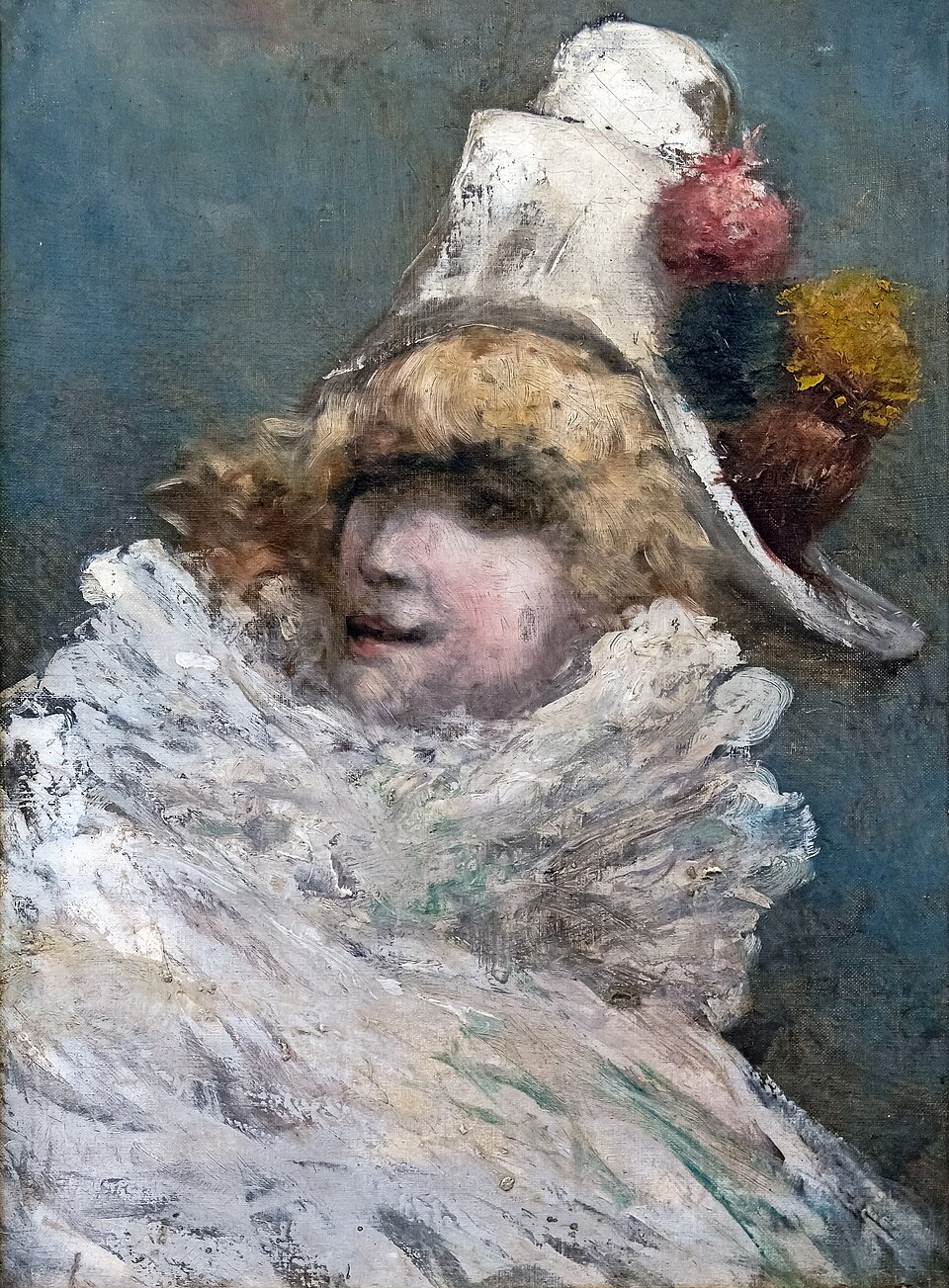
—In 1915, your right leg was amputated. Many expected your retirement. What happened?
They cut off my leg; they did not cut off my will. I was seventy, the war had been ravaging Europe since 1914, and my doctors begged me to retire to my cushions. I laughed in their faces. They carried me onstage in an armchair, adapted my roles so I could play seated, immobile, and never did my voice carry so far. I even went back on tour to the United States, where they greeted me standing, every night, whole halls rising for this old woman missing a limb. Die in a bed? Never. A tragédienne dies on stage, or she does not die at all.
They cut off my leg; they did not cut off my will.
—Where does this obstinacy come from, to perform against all odds, even mutilated, even aged?
From the fact that the theatre is my only homeland. A child without love, a woman without rest, I found only one thing that never betrayed me: the stage. I wrote it in Ma double vie — I wanted to be an actress, and I was right. The theatre gave me everything that life had refused: glory, love, immortality. How can you expect me to renounce my homeland because I am missing a leg? Amputated, carried, aging, I still climb onto the boards because off them, I am nothing but a sick woman in an armchair. Up there, under the lights, I am eternal. One does not renounce eternity for a little comfort.
One does not renounce eternity for a little comfort.
—You even acted in those nascent films projected on sheets. What did you expect from that mechanical curiosity?
Immortality, again and always. When the Lumière brothers made images move, in 1896, I guessed that this lantern could snatch me from death. Theatre is an art that dies every night with the curtain; nothing remains of it but the memory of old men. But before the camera, I fixed my roles on film, my Dame aux camélias, my gestures, my death as Marguerite Gautier. They said this fairground toy was beneath me. I replied that anything that prolongs the artist beyond his final night is worthy. What will remain of us, if not these trembling shadows that people might still watch in a century?
Anything that prolongs the artist beyond his final night is worthy.


This imaginary interview was generated by artificial intelligence from sources documented in Sarah Bernhardt's profile. It dramatises what the figure might have said based on what we know about them, but does not constitute attested historical testimony. For primary sources and factual documentation, refer to the full profile.