Kids interview Simone Weil
by Charactorium · Simone Weil (1909 — 1943) · Philosophy · 5 min read
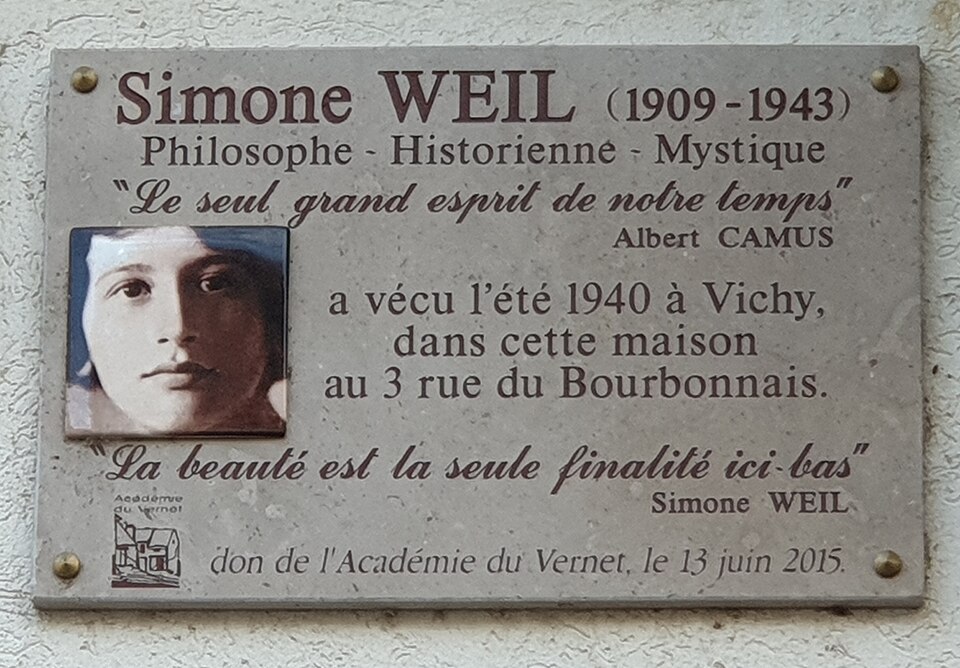
Two young visitors, twelve years old, push open the door of a small classroom. Seated simply, round glasses on her nose and a notebook on her lap, a woman waits for them with a smile. Her name is Simone Weil, and she agrees to answer all their questions.
—Is it true you were a teacher and one day you left to work in a factory?
Yes, my dear, it's true. I taught philosophy at a high school, nice and warm, with my books. But I told myself: how can I talk about workers if I don't know what they go through? So in 1934, I left my post. I entered the Renault factory in Billancourt. I put on worker's clothes and stood in front of the machines, like everyone else. Imagine a noise of metal that never stops, and your hands repeating the same gesture a thousand times. I ached all over. But I understood things that no book had ever taught me.
How can I talk about workers if I don't know what they go through?
—What did it feel like, in your body, to work on the assembly line all day?
You want the truth? It exhausted everything. Not just your arms, but thought itself. When you make the same movement for hours, unable to think, you feel like you're becoming a machine among machines. In the evening, I came home so tired I could hardly write in my notebooks. That's what I later called La Condition ouvrière. You see, work should make us grow, not extinguish us. When it crushes us instead of making us think, it is an evil against the human person. I felt that evil in my own flesh, and I never forgot it.
Work should make us grow, not extinguish us.
—I heard you went to the war in Spain. Weren't you afraid?
Yes, I was afraid, of course. In 1936, in Spain, a war was tearing the country apart. I wanted to be on the side of those being crushed, the weakest. I joined a column of fighters there. But I had very poor eyesight, and I never really fought. One day, in the camp, I stepped into a basin of boiling oil. I was badly burned, and they had to bring me back. You know, I wasn't a warrior. But I thought a simple thing: you can't just pity the oppressed from afar. You have to go stand by their side.
You can't just pity the oppressed from afar.
—Why did you fight so much for workers and the poor?
Because injustice truly hurt me, here, in my chest. In my time, in the 1930s, many people were hungry and cold. They felt weak, degraded. And fear can turn human beings into beasts, I wrote that. I was active in unions, I supported strikes. Imagine a crowd of men and women demanding only to live with dignity. I couldn't stand idly by. For me, justice is not a beautiful word in a book. It's something you need to breathe, like air. When it's missing, that's already a kind of death.
Justice is a need, like the air we breathe.
—Is it true you read Ancient Greek just for fun?
Yes, and what a pleasure! I learned Greek when I was young, out of passion. I read Homer in the original language, those great poems almost three thousand years old. Imagine heroes, battles, gods mingling with men. But what moved me was not the fighting. It was seeing how force changes those who possess it. Today's victor becomes tomorrow's vanquished. Force makes you hard, almost blind. Meditating on that accompanied me all my life. The Greeks taught me that true greatness is to remain just even when you are the strongest.
True greatness is to remain just even when you are the strongest.
—Your book is called Gravity and Grace. What do those words mean?
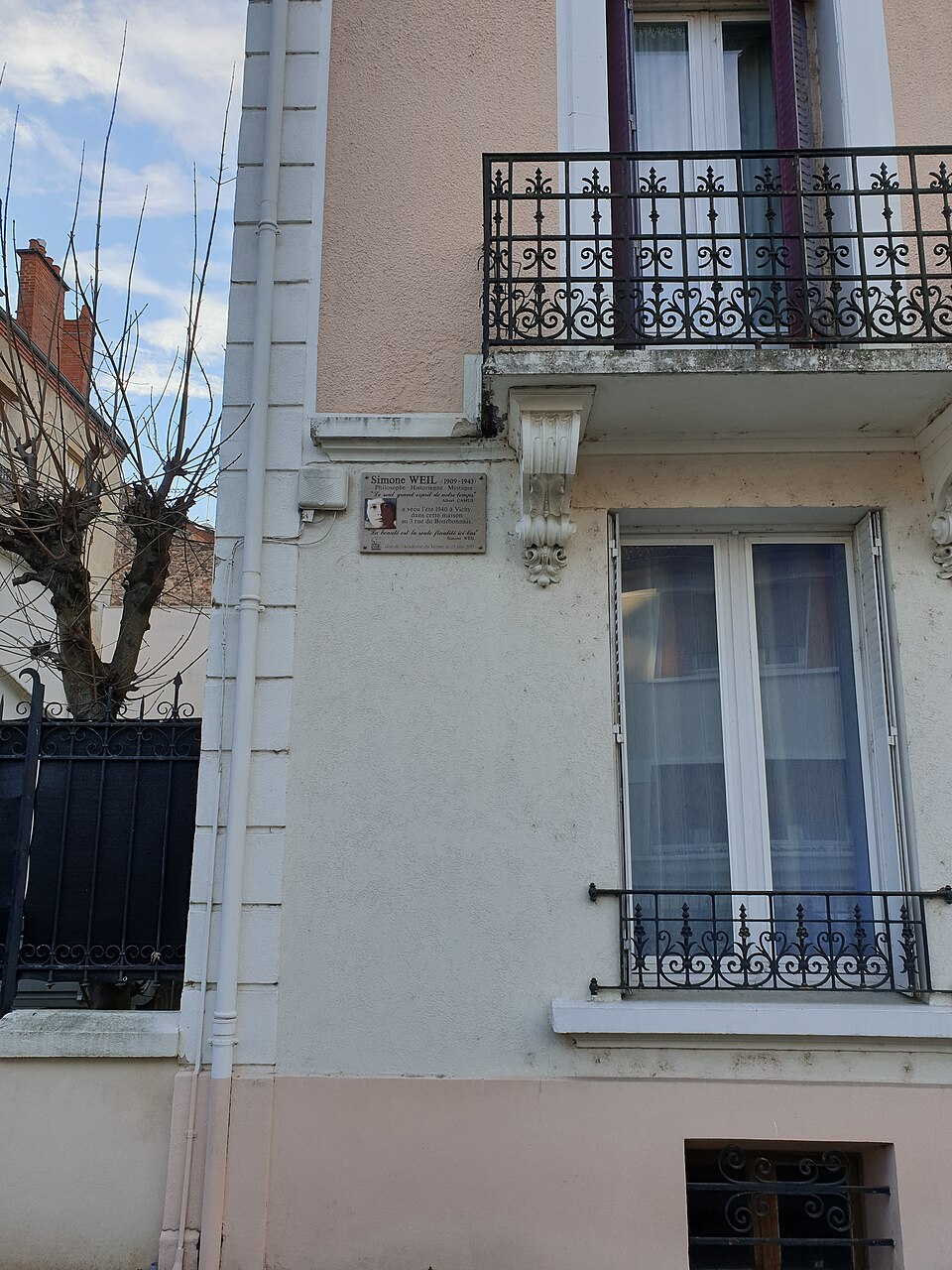
What a good question! Imagine a stone you drop: it always falls downward. Gravity is that: everything that pulls us down, selfishness, fear, injustice. It's the law of heavy things. And grace? It's the opposite. It's what, sometimes, lifts us up, when nothing forces us to. A free act of kindness, for example. In Gravity and Grace, I wrote all that in my notebooks. Gravity acts on its own, like the falling stone. Grace, on the other hand, is a gift. And all my life, I tried to make a little room for it.
Gravity pulls down; grace, sometimes, lifts us up.
—You wrote that affliction can teach us things. Isn't that weird?
You're right, it's strange, and even a bit hard to hear. I wrote that affliction is a source of knowledge. Mind you: I'm not saying you should seek to suffer, certainly not. But when affliction falls on someone, it sometimes opens their eyes to hidden truths. I myself had terrible migraines almost all my life, that drilled into my head. And the factory made me touch the suffering of others. You see, someone who has never hurt understands poorly those who hurt. Affliction, when you don't shut yourself up in it, can make us more attentive, closer to others.
Someone who has never hurt understands poorly those who hurt.
—Did you believe in God? But you were a philosopher, not a priest!
You put your finger on something important. I was born into a Jewish family, and for a long time I didn't think about God. Then, around 1938, I had a very strong inner experience, like a presence. I approached it in my own way, without fully belonging to any Church. I kept my notebooks full of these reflections, which were published after my death as Waiting for God. You see, for me, seeking truth and seeking God were almost the same thing. I didn't ask anyone to believe me. I just wanted to stay honest, and look straight at what surpassed me.
Seeking truth and seeking good, for me, were the same road.
—Is it true that during the war, you refused to eat your fill?
Yes, and my loved ones often reproached me for it. During World War II, my country, France, was occupied. Over there, people received very small rations, they were hungry. I had taken refuge in London, where one ate a little better. But I couldn't. How could I eat a full meal knowing my compatriots were starving? So I limited myself to their ration. Bread, a few vegetables, almost nothing. All my life I had eaten austerely, as a matter of principle. Now it was out of solidarity. My body was fragile, and this deprivation weakened it greatly.
How can I eat my fill when a whole people is hungry?
—And what happened to you in the end, when you were in England?
I'll tell you gently, because it's sad. In 1943, I had joined the Free French in London, and I was working to prepare my country's future after the war. I was writing a lot, especially The Need for Roots, about what peoples truly need. But I was ill, with tuberculosis. And my body, too weakened by my privations, could not fight. I passed away at Ashford Hospital in the English countryside. I was only 34 years old. You see, I published almost nothing in my lifetime. All my notebooks spoke after me. Sometimes, what you write in silence eventually gets heard.
What you write in silence sometimes eventually gets heard.
—If you could tell us one thing to remember, what would it be?
What a beautiful question to end with. I would say: pay attention to others. Really pay attention. The rarest and most precious thing is not being intelligent or strong. It's knowing how to look at the one who suffers next to you, and not look away. All my life, I tried to do that, sometimes clumsily: in the factory, in Spain, in my notebooks. Imagine a world where everyone simply paid attention to their neighbor. There would be almost no injustice left. You are young, you have time. Be attentive, my children. That is already almost everything.
Knowing how to look at the one who suffers, and not look away.
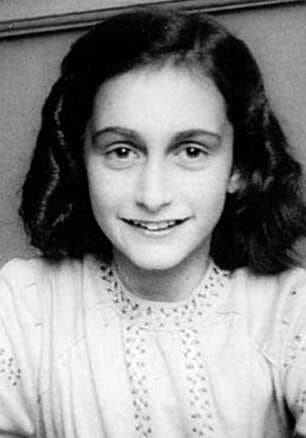
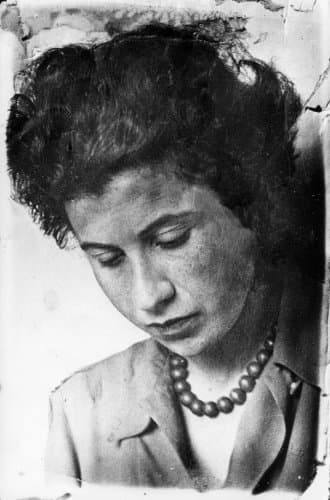
This imaginary interview was generated by artificial intelligence from sources documented in Simone Weil's profile. It dramatises what the figure might have said based on what we know about them, but does not constitute attested historical testimony. For primary sources and factual documentation, refer to the full profile.