Imaginary dialogue between Anita Hill and Tarana Burke
by Charactorium · Tarana Burke (1973 — ?) · Society · 5 min read
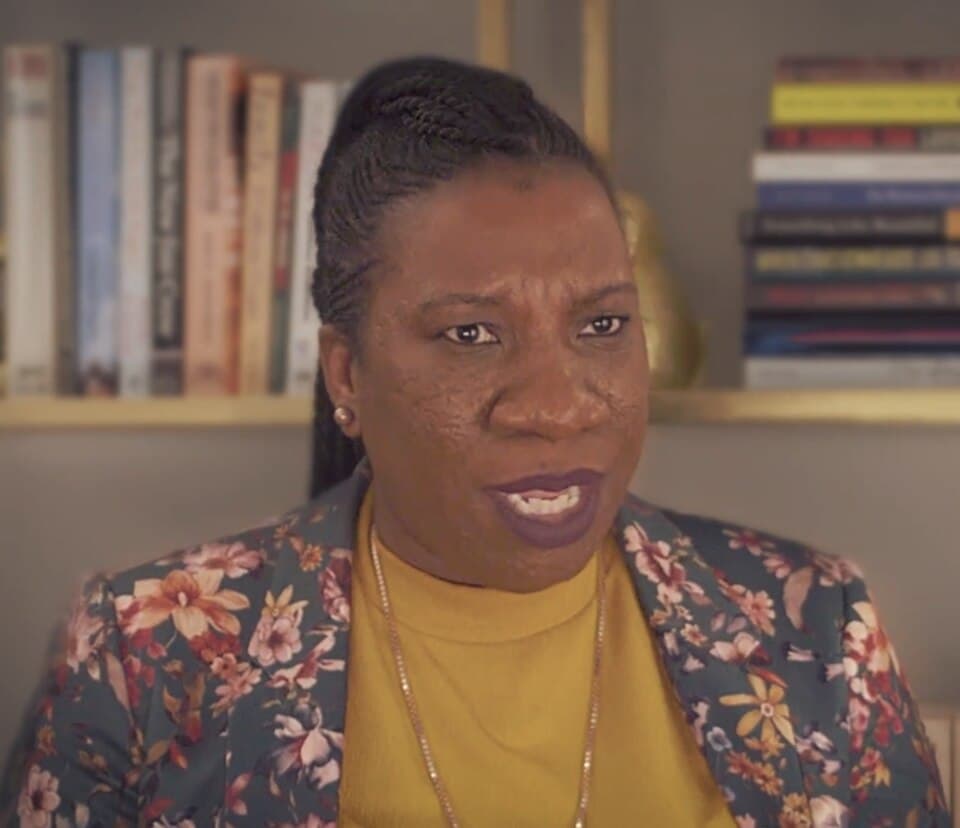
It's in a Harlem café, in the fall of 2021, that Anita Hill meets Tarana Burke, a few weeks after the publication of her memoir Unbreakable. The October light falls between two cooling cups, while the bustle of 125th Street rises from the sidewalk. Thirty years after Hill sat alone before the Senate in 1991, it is Burke who gave a name to the silence she had faced. The elder comes without a lawyer's file or microphone, as an ally who simply wants to understand the journey traveled.
—Tarana, when I testified alone before the Senate in 1991, you, as early as 2006, were already choosing two words for those girls. Why those?
Anita, you who carried that burden alone before the country, you know what it is to lack words. In 2006, I was working with Black girls, poor, sometimes minors, in communities barely looked at. A little girl confided in me what she was going through, and I had nothing to say to her. Those two words — me too — were born from that silence, from my powerlessness. Not a slogan: an outstretched hand to say I believe you, it happened to me too. I wanted those girls to know they were not alone, as you were. The rest, all that noise, came much later.
Me too wasn't a slogan, but an outstretched hand to say: I believe you, it happened to me too.
—Before the world seized it, there was Just Be Inc., your organization. What were you doing, concretely, for those young girls, day after day?
Day to day, it was anything but glamorous, Anita. With Just Be Inc., I ran workshops for teenage girls of color, many victims of abuse or exploitation. We talked about self-esteem, identity, we helped them rebuild — what I call healing justice. No cameras, no hashtags: talking circles in borrowed rooms, whole afternoons listening. I wanted them to exist for themselves, to become whole again. It's slow, invisible work that never makes headlines. But it was there, in those modest rooms, that everything that followed truly began.
—You and I know how little a Black woman's word weighs in the balance. How did you want to make those voices heard?
You know better than anyone: when a Black woman speaks, people doubt, minimize, forget. In the big feminist movements, our voices were left out — white, famous survivors took all the spotlight. I wanted to center those who were never listened to: poor, racialized girls, abused in general indifference. That's what others call intersectionality — understanding that sexism and racism strike together, and harder. My fight only made sense if it started from them, from the very bottom. Otherwise, I'd just be repeating the silence you faced.
—One doesn't become that woman by chance. What childhood, what family put you on this path of struggle so early?
I didn't grow up in comfort, Anita. Around me were activists, people of faith, adults who talked about civil rights at the dinner table like others talk about the weather. I was taught very early that injustice was not inevitable, that we could organize, resist. As a teenager, I was already taking part in actions, seeing what the girls around me were going through. That education gave me a compass: to be on the side of those who are trampled. When I met those wounded girls, I didn't have to think long — I already knew my place was by their side.
—In October 2017, an actress revived your two words after the Weinstein case, and everything changed. Where were you that evening?
That October evening in 2017, I was at home, and my phone went crazy. An actress, Alyssa Milano, had launched the call to say me too after the revelations about Harvey Weinstein, not knowing those words were already twelve years old. Within hours, millions of women were testifying. At first, I thought my work had been stolen, that those girls I created it for would be erased. Panic, then nausea. I wondered if everything I had built would disappear in a cloud from Hollywood. It was dizzying, and terribly lonely, that evening.
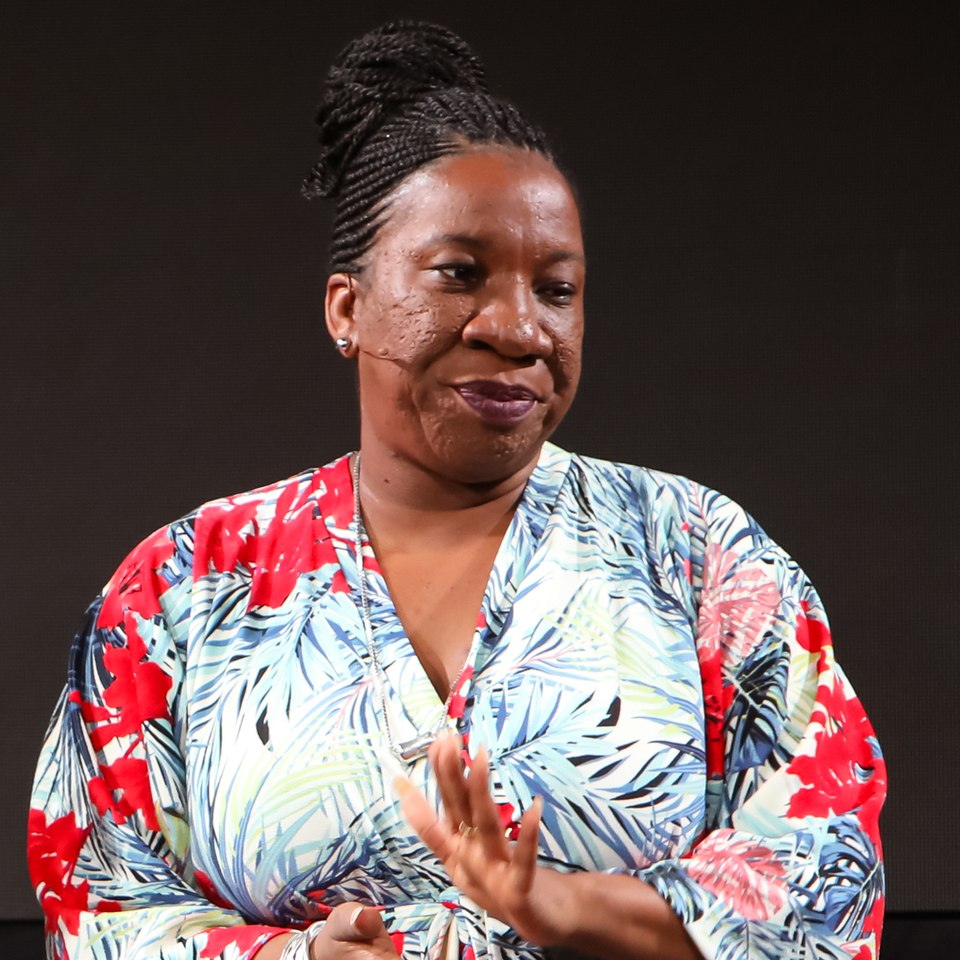
—Seeing a cause born in your neighborhoods become a global cry overnight — what did you really feel, behind the pride?
Behind the pride, Anita, there was fear. Fear that work born in my neighborhoods, with Black and poor girls, would be turned into a matter of stars and red carpets. For days, I hesitated to speak. Then I realized that if I kept silent, this story would be written without them. So I took my place again, gently, to remind where those two words came from and for whom. This movement was not born in 2017: it had ten years of groundwork behind it. Seeing the world seize it was a poisoned victory — a cry finally heard, but one that constantly had to be brought back to its source.
This movement was not born in the light of Hollywood: it had ten years of groundwork and forgotten girls behind it.
—I experienced the court of public opinion and its cruelty. You speak of healing rather than punishment. What do you mean?
You've known that, Anita: the cruelty of opinion, the constant trial. I don't believe a society heals through punishment alone. What I wanted to build is a movement that speaks about the trauma of sexual violence and how we recover from it. Survivors don't only need the perpetrator to fall; they need to be believed, supported, rebuilt. Punishment closes a case; it doesn't repair a life. My obsession is the living, not just the convictions. Healing, together, is a political act as much as an intimate one.
Punishment closes a case; it doesn't repair a life.
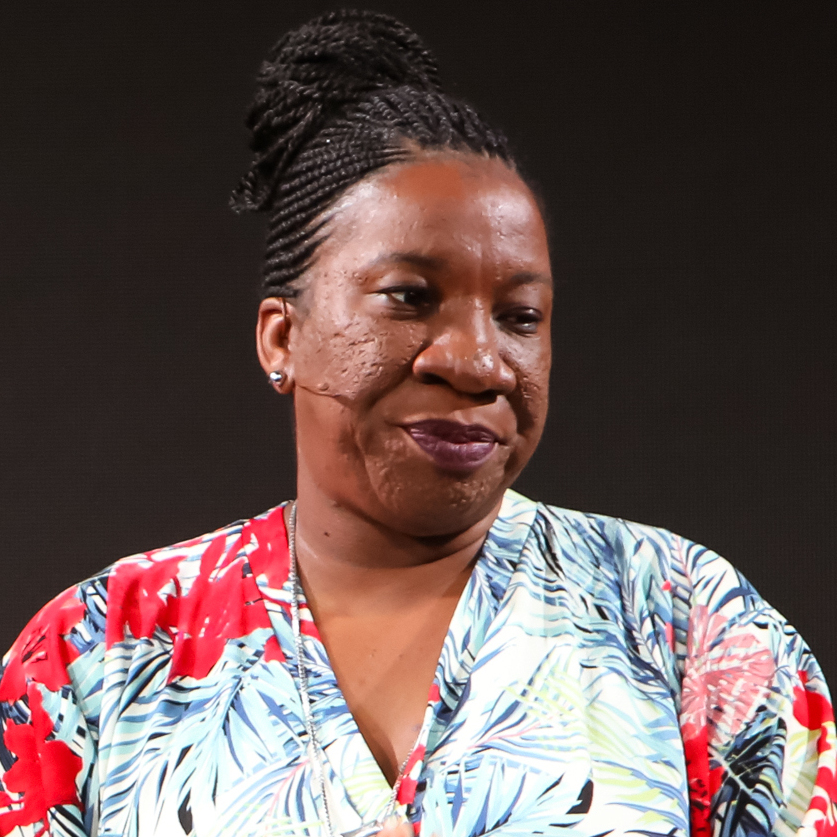
—Many would want the guilty to burn. Why do you refuse to reduce your movement to mere vengeance?
Because vengeance doesn't make anyone whole, Anita. Of course, I want aggressors to answer for their acts — but if everything stops at punishment, survivors remain alone with their wounds. I advocate for a justice that transforms: that repairs the bond, that changes the very conditions that make such violence possible. Reducing my movement to a witch hunt would betray it. What I seek is a world where there are fewer survivors to console, not just more perpetrators to punish. It's more demanding, slower, but it's the only path I know.
—You've just written Unbreakable, your own story. After years of carrying others' stories, what made you decide to tell your own?
All my life, I carried others' stories, Anita. Writing Unbreakable was finally allowing myself to also be a survivor who tells her own story. For a long time, I hid behind the movement, behind the girls I helped. But how could I ask them to speak if I kept my own silence? This book is my way of stepping off the podium and baring myself, with my flaws, my fears, my years of doubt. It was the hardest text of my life. And the most liberating: you can't guide others toward healing without accepting your own.
—In 2018, Time named you among the hundred most influential. The grassroots organizer became an icon. Do you recognize yourself in that?
Honestly? That recognition from Time in 2018 scared me as much as it moved me. I'm a grassroots organizer, not an icon — my place is in borrowed rooms, not on red carpets. The danger when you become a symbol is forgetting those in whose name you speak. So I repeat the same thing to myself every day: the survivors at the center, always, and me at their service. Glory is only useful if it opens doors for them. Otherwise, it's worthless. I'd rather people remember the movement than my face.
This imaginary interview was generated by artificial intelligence from sources documented in Tarana Burke's profile. It dramatises what the figure might have said based on what we know about them, but does not constitute attested historical testimony. For primary sources and factual documentation, refer to the full profile.