Kids interview Tarana Burke
by Charactorium · Tarana Burke (1973 — ?) · Society · 5 min read
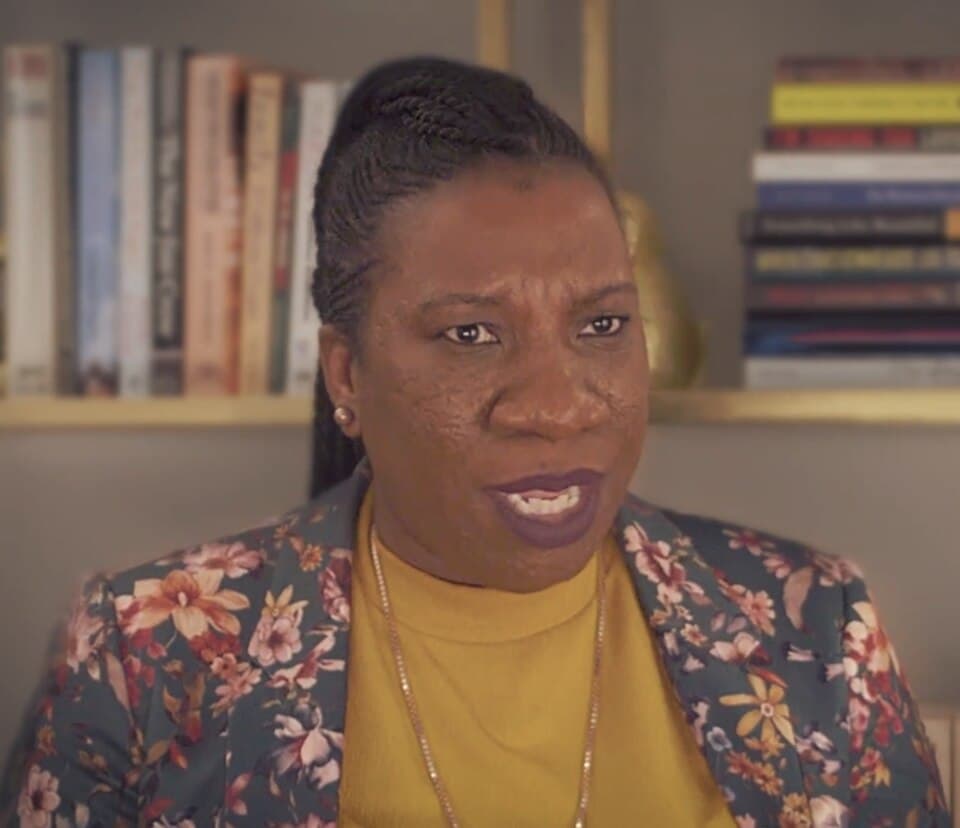
Two 5th-grade students, on a field trip, have prepared a strange encounter. Before them, a woman with a warm smile: Tarana Burke, the activist who invented two little words that became huge, 'Me Too.' She sits down, sets down her notebook, and tells them to ask all their questions, even the simplest ones.
—What were you like as a little girl? Did your parents already talk to you about justice?
You know, my child, I grew up surrounded by people who believed we could repair the world. In my family, there were pastors and activists. At the table, we talked about injustices the way others talk about rain or good weather. Imagine a house where you are told every day: 'if something is unfair, do not stay silent.' That forges a heart, it does. Very young, I joined movements for Black Americans' rights. I didn't have a big plan. I just had this simple idea, planted in me like a seed: people who are never listened to deserve to be listened to.
If something is unfair, do not stay silent.
—Before you were known, what was your daily job?
I spent years working with young people, especially teenage girls. I was a kind of educator, a big sister. In Alabama, I went into neighborhoods, I sat with them, I listened. And there, I heard terrible stories. Very young girls who had suffered violence and whom no one had believed. Imagine: you carry a huge burden in your belly, and all around, silence. This fieldwork isn't glamorous. But it taught me everything. When you've looked a child in the eyes while she confides her pain, you can never look away again.
—Is it true that you invented 'Me Too' long before it became famous?
Yes, and that's important to me. I created those two words in 2006. Not on the internet, not to become famous. A young girl had told me what she had suffered, and I didn't know what to say. Later, I understood: I should have just said 'me too.' Me too, that happened to me. Those two little words say: you are not alone. Imagine a hand reached out in the dark. That's what Me Too is. I founded an organization for it, eleven years before the whole world talked about it. It wasn't a slogan. It was a promise made to forgotten girls.
Me too: two little words that say you are not alone.
—Who did you help most at the very beginning?
At the beginning, I helped girls of color, often poor, often very young. I had set up a small organization, Just Be Inc., and our goal was summed up in one idea: healing justice—what I would translate as 'justice that heals.' You see, we didn't just want to denounce. We wanted to help these girls heal, rebuild themselves. Imagine a trampled garden: you don't just scold the one who trampled it, you help the flowers grow back. These girls, almost no one took care of them. I decided I would. My movement was born in these neighborhoods, far from the spotlight, close to real life.
—Why were you so keen on talking about Black women in particular?
Because, my child, they were often the great forgotten ones. When we talked about violence against women, we rarely thought of them. That's what I call intersectionality: a slightly complicated word that means you can be treated unfairly for several reasons at once. Being a woman, and Black, and poor. Three burdens piled on the same shoulders. Imagine shouting in a crowd and no one turns their head, just because you're not from the right neighborhood. That's what I wanted to change. I once wrote that I invented those words precisely to reach those communities. Not for glory. For them.
Three burdens piled on the same shoulders.
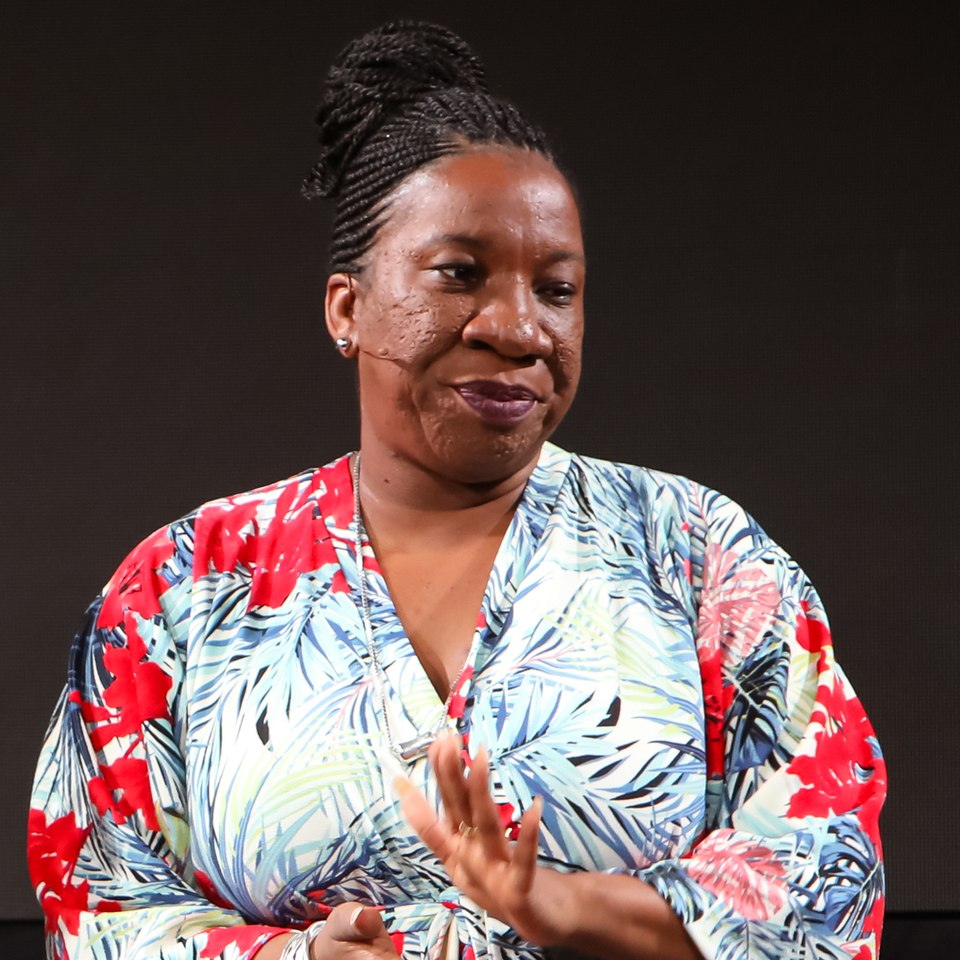
—Did you want the perpetrators to be punished very harshly, then?
Ah, I'm often asked this question, and my answer surprises. Of course, justice must be done. But punishment alone is not enough. If you put someone in prison but the victim remains broken forever, what have we really repaired? I have advocated for what we call restorative justice: a justice that seeks first to heal. I once said that our movement was about the trauma of violence, and especially about how we heal from it. Imagine a broken bone: punishing is catching the one who pushed you. Healing is setting the bone so you can walk again. Both matter. But healing, we forget too often.
Punishment catches the culprit; healing sets the victim upright.
—Why is it so important for people to tell what happened to them?
Because silence weighs a ton. When you keep a suffering secret, you carry it alone, and it eats away at you. Testimony is the act of saying out loud: this is what I experienced. And then, something magical happens. Suddenly, ten other people say 'me too.' You are no longer alone carrying the weight. That's what I call empowerment, an English word meaning to regain strength, to reclaim your power. Imagine a candle, alone in the dark. Then a second one lights up, then a hundred. The room brightens. Speaking isn't complaining. It's relighting the light.
Silence weighs a ton; speaking relights the light.
—How did it become known worldwide all at once?
That happened in October 2017, and very quickly. An actress, Alyssa Milano, invited women to write 'me too' to show how many had suffered violence. Within hours, millions of messages. At first, she didn't even know those words had existed for ten years, from me. Imagine you light a small flame in your garden, and one morning you discover the whole forest is glowing. It was overwhelming, and a little dizzying. Everything that had been simmering in silence, especially after the Hollywood scandals, exploded into the open. The world, finally, was listening.
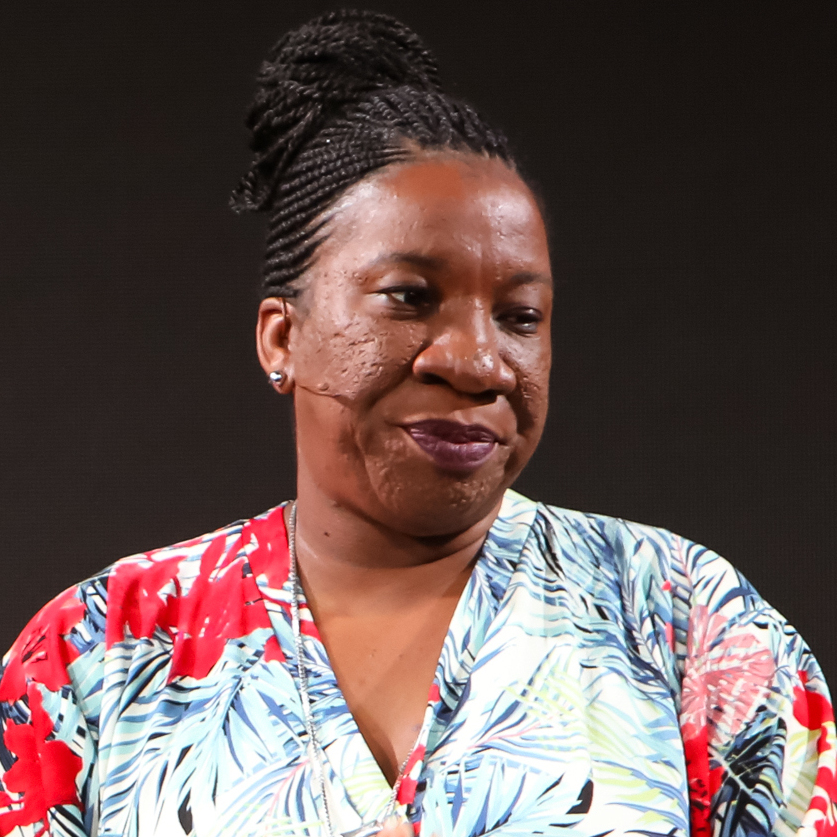
—Were you happy or a little sad that it slipped away from you like that?
Both, honestly. At first, I was afraid. I thought: they'll forget where it came from, they'll forget the girls of color for whom I created it. It was my baby from 2006, and suddenly it belonged to the whole world. But then I saw those millions of voices rise, and my heart filled. In 2018, a major magazine even counted me among the most influential people in the world. Imagine, me, the neighborhood educator! But you know, what touched me most wasn't the honors. It was the strangers who wrote to me: thanks to you, I dared to speak.
—Did you write a book to tell all this?
Yes, in 2021, I wrote my memoir, Unbreakable. You know why that title? Because I was made to believe, as a child, that some wounds break you forever. That's false. You bend, you fall, but you can get back up. In this book, I tell my own story, my doubts, and how those two words were born. It's not the tale of a fearless heroine. It's that of an ordinary woman who refused to stay silent. Imagine a branch bent very hard: if it's alive, it doesn't break, it springs back. That's what I wanted to convey.
You bend, you fall, but you can get back up.
—If we kids wanted to help, what could we do at our age?
What a beautiful question. You don't need to wait until you're grown up. The first thing is to learn to listen. When a classmate confides that they are hurting, that someone was unfair to them, don't shrug. Believe them. Tell them 'I believe you.' Those three words are worth gold. The second thing is to never mock someone who is left out. Imagine a schoolyard where every excluded child finds an outstretched hand. You know, my movement didn't start with a great speech. It started with a girl who spoke and a woman who listened. That's all. And you can do that tomorrow.
'I believe you': three words worth gold.
This imaginary interview was generated by artificial intelligence from sources documented in Tarana Burke's profile. It dramatises what the figure might have said based on what we know about them, but does not constitute attested historical testimony. For primary sources and factual documentation, refer to the full profile.