Imaginary dialogue between Pulchérie and Theodosius
by Charactorium · Theodosius (583 — 602) · Politics · 4 min read
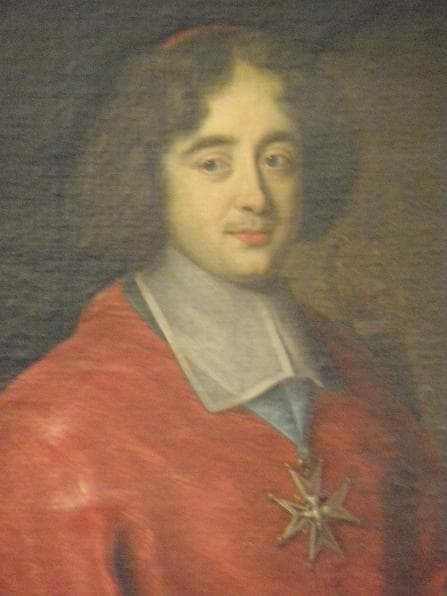
It is beneath the vaults of the Sacred Palace of Constantinople, in this year 447, that Pulcheria comes to find her brother Theodosius. The light of the oil lamps plays on the imperial purple, and in the distance still echo the blows of workers repairing the walls shaken by the last earthquake. She raised him, governed in his name when he was only a child of seven, and tonight she comes to seek the man behind the diadem.
—My brother, from this palace I see your workers exhausting themselves on the walls. You who inspect them daily, what do you truly expect from these stones?
You know better than anyone, Pulcheria, for you were at my side when the first stones were laid in 413. These walls are not merely stones: they are the promise that Constantinople will not fall as Rome fell before Alaric. I made them a double rampart, nearly seven kilometers, with a ditch that no barbarian will easily cross. When the earth trembled this year, I feared everything would collapse — but in two months our teams raised it all again. I want it to be said, long after us, that behind these walls a people could sleep in peace.
These walls are the promise that Constantinople will not fall as Rome fell.
—You go up there alone, sometimes, at dawn. What do you feel when you place your hand on these ramparts that all the East envies us?
A strange thing, my sister: a mixture of pride and fear. Pride, because no city in the world is better defended. Fear, because I know that a wall is only as good as the courage of the men who guard it. I run my hand over the still-fresh stone and think of the generations who will lean upon it. You who taught me never to believe myself invincible, you understand why I never tire of inspecting them. An emperor who neglects his defenses delivers his people to the wolves.
A wall is only as good as the courage of the men who guard it.
—Brother, it has been nine years since you had all the laws gathered into a single book. Why was this work so dear to your heart?
Because an empire where no one knows the law is but chaos, Pulcheria. Before the Theodosian Code, our decrees were scattered, contradictory, lost in the archives. I ordered them all collected so that no one would be ignorant of the legal provisions — from the humblest provincial praetor to the governor of Antioch. Over two thousand five hundred laws, classified, ordered, in 438. A judge in Egypt and a judge in Thrace will now render the same justice. This is perhaps my most enduring work: one can destroy a wall, but a written and copied law traverses the centuries.
One can destroy a wall, but a written and copied law traverses the centuries.
—It is whispered at court that you prefer your books to your armies. You, whom I saw as a child bent over manuscripts, do you accept this reproach?
I accept it without blushing, my sister. Yes, I spend my evenings on sacred texts and philosophical treatises rather than on battlefields. But an emperor is not obliged to do everything with his own hands! I entrusted the armies to capable generals, and in 425 I founded a university where the best masters of rhetoric, grammar, and philosophy teach. You always told me that an ignorant prince is dangerous for his people. Preserving the knowledge of the Ancients in the face of invasions — is that not another way to defend the empire? The barbarians burn libraries; I build them.
The barbarians burn libraries; I build them.
—You delegated so much power to your generals. Did you never fear, my brother, that you would be judged weak for governing through others?
I feared it, yes, especially when I was young and you reigned in my name. But I learned one thing: the strength of an emperor is not to do everything alone, it is to choose well those who act for him. A prince who wants to command everything ends up losing everything. I gave the military what belongs to them, and I kept for myself what no one else could bear: law, faith, knowledge. You who held this empire at arm's length when I did not yet know how to read a decree, you know that governing is above all knowing how to entrust.
The strength of an emperor is not to do everything alone, it is to choose well those who act for him.
—In 431, you summoned all the bishops to Ephesus to decide the nature of Christ. You who pray every morning, what did you hope for from this council?
Unity, Pulcheria, nothing but unity. You know my piety as well as your own — we grew up in the same fervor. But when bishops tear each other apart over the nature of Christ, the whole empire cracks, for faith is the cement of our people. So I gathered the fathers of the Church at Ephesus so that they might decide together, under imperial authority. A Christian emperor cannot remain a spectator of the quarrels of faith: he must guarantee orthodoxy as he guarantees the borders. One law, one faith, one empire — that is what I seek.
One law, one faith, one empire — that is what I seek.
—Some say that an emperor should not meddle in the affairs of bishops. What do you reply to those who reproach you for it?
I reply that God entrusted me with this throne to protect His Church, not to ignore it. If I let theological disputes fester, riots break out in the streets of Antioch and Alexandria. My duty is not to define dogma — that belongs to the bishops — but to give them the framework where they can deliberate in peace and enforce their decisions. You who have devoted your life to faith, my sister, you know that religion and power, among us, are not separated. The emperor is the guardian of the altar as much as of the rampart.
The emperor is the guardian of the altar as much as of the rampart.
—While Rome crumbles under the barbarians, our East holds firm. How do you explain, brother, that we resist where the West yields?
Through prudence, Pulcheria, and through the luck that God grants us. When Alaric sacked Rome in 410, I was twelve years old and trembling like the whole empire. But the East possesses what the West lost: an impregnable capital, a well-managed treasury, and an administration that holds. I preferred to negotiate rather than bleed my armies: in 422, I concluded with Persia a peace that still lasts, and I knew how to come to terms with the Vandals. While Carthage fell, we kept our provinces. Better a clever treaty than a ruinous victory.
Better a clever treaty than a ruinous victory.
—Do you remember, brother, the day in 408 when you ascended the throne at age seven, and the whole empire rested on my shoulders and yours?
How could I forget? They placed the diadem on my head when I barely understood what an empire was. It was you who guided me, you who governed when my hands were too small to hold the scepter. I remember the counselors bowing before a child, and the fear I hid beneath the purple. Without you, Pulcheria, I would have been but a name on a coin. What I have become — builder of walls, maker of laws, guardian of the faith — took root in that shared childhood. The empire we hold today, we held together.
Without you, Pulcheria, I would have been but a name on a coin.
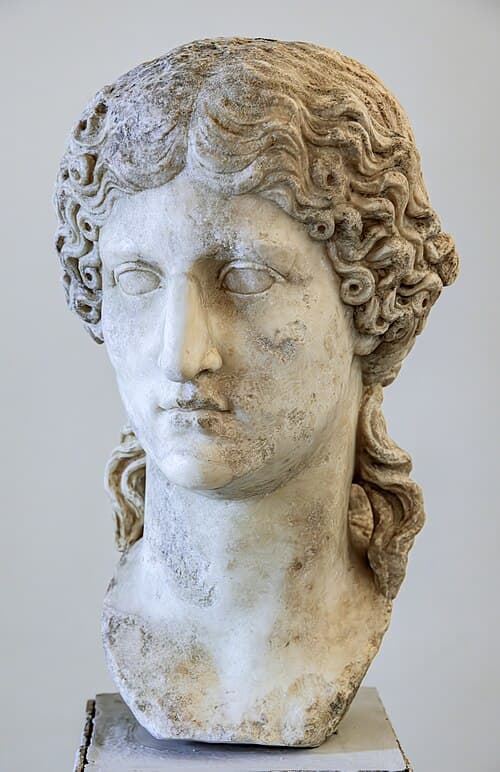
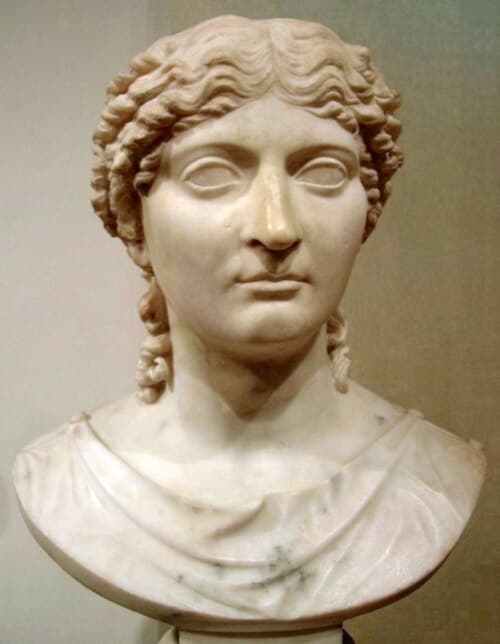
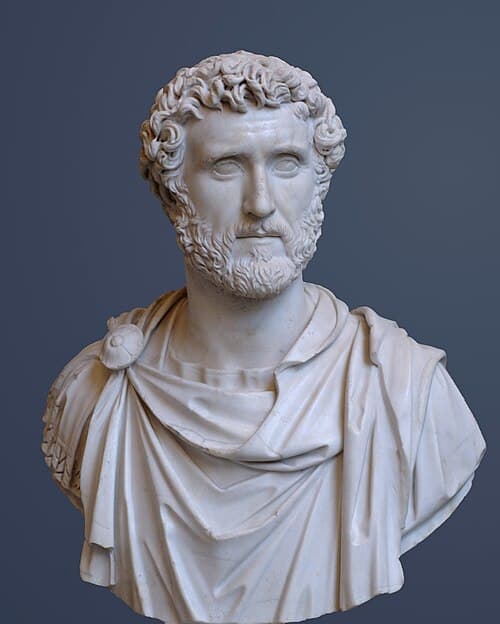
This imaginary interview was generated by artificial intelligence from sources documented in Theodosius's profile. It dramatises what the figure might have said based on what we know about them, but does not constitute attested historical testimony. For primary sources and factual documentation, refer to the full profile.