Kids interview Tomoe Gozen
by Charactorium · Tomoe Gozen (1157 — 1247) · Military · 5 min read
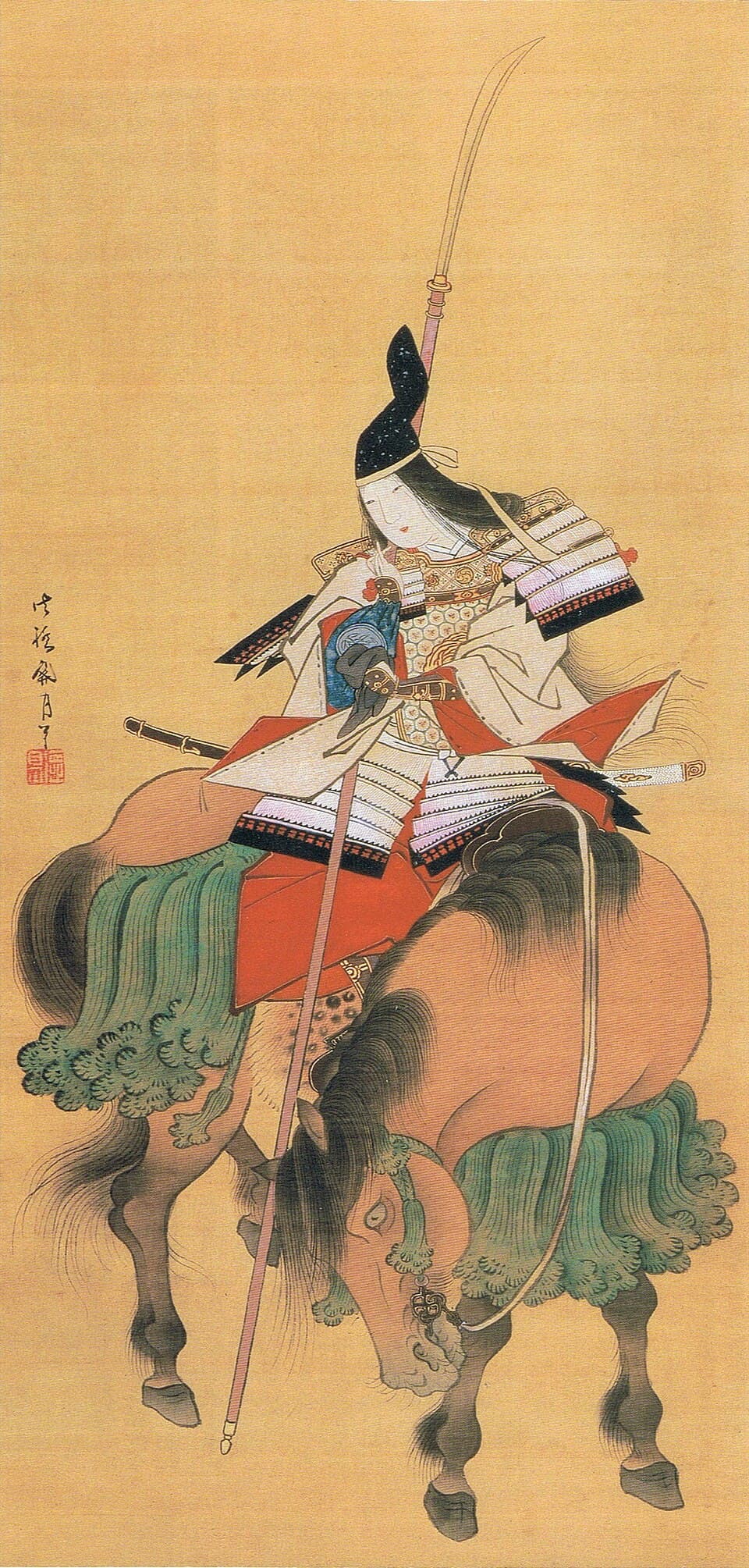
Two young visitors, on a school trip, pushed open the door of an old wooden temple. There, sitting near a brazier, an old woman with hands marked by the sword was waiting for them. She was a warrior, a very long time ago. Her name is Tomoe Gozen, and she agrees to tell them everything.
—What was it like, being a girl learning to fight like the boys?
You know, my child, it was rare, very rare. A female warrior was called an onna-musha, and there were only a handful. Imagine a hall full of men in armor, and me, the only girl in the middle. At first, some laughed. Then they saw me shoot the bow and ride a horse. The laughter stopped. I served Lord Minamoto no Yoshinaka, and a samurai is a warrior who follows a very strict code of honor. That code didn't say whether I had the right to be there. So I decided for myself. I fought, and that was all that mattered.
The laughter stopped the day they saw me shoot the bow.
—Is it true you were as strong as a man? How is that possible?
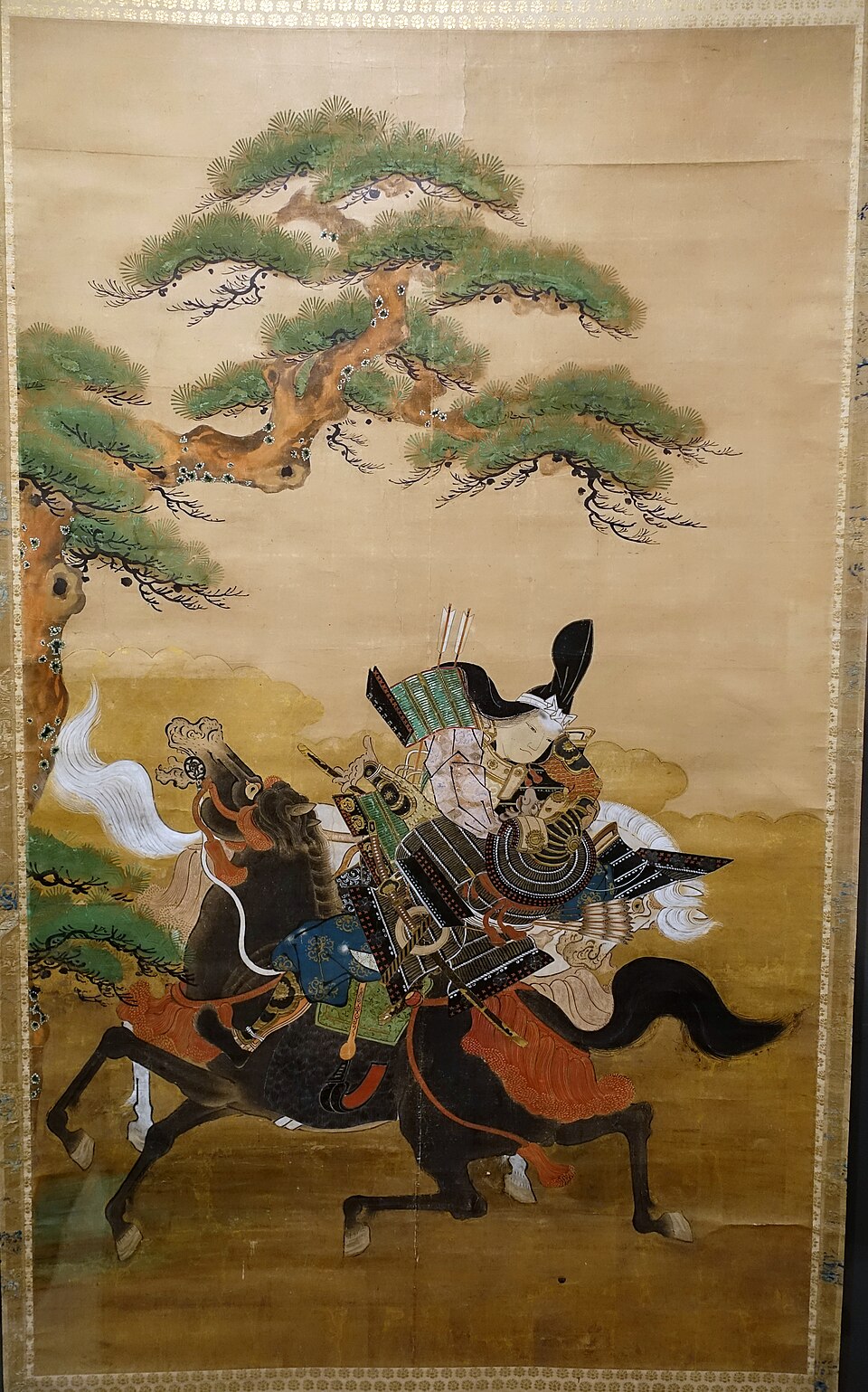
They said so, yes, and I won't be modest. My favorite weapon was the Yumi, the great Japanese bow. Drawing it requires enormous strength in the arms and back. Many men couldn't do it well. I shot straight, and standing on my horse at full gallop. Imagine: the ground rushing by, the wind, and you have to aim without trembling. That doesn't come easily. I trained every morning, over and over, for years. Strength is not a gift from heaven, my child. It's a thousand repetitions that no one sees.
Strength is not a gift from heaven; it's a thousand repetitions that no one sees.
—Did you have a favorite horse? What was it like?
Ah, horses! They said I could tame the most difficult ones, those others feared to ride. And it was true. A war horse is not a gentle beast, you know. It smells fear, it smells blood and iron. If you tremble, it trembles too, and you both fall. The secret is to become its friend before the battle. I talked to it, brushed it, fed it from my hand. On the day of combat, it knew I would not abandon it. And it never abandoned me.
A horse smells fear; you must become its friend before the battle.
—What was your toughest battle? Were you afraid?
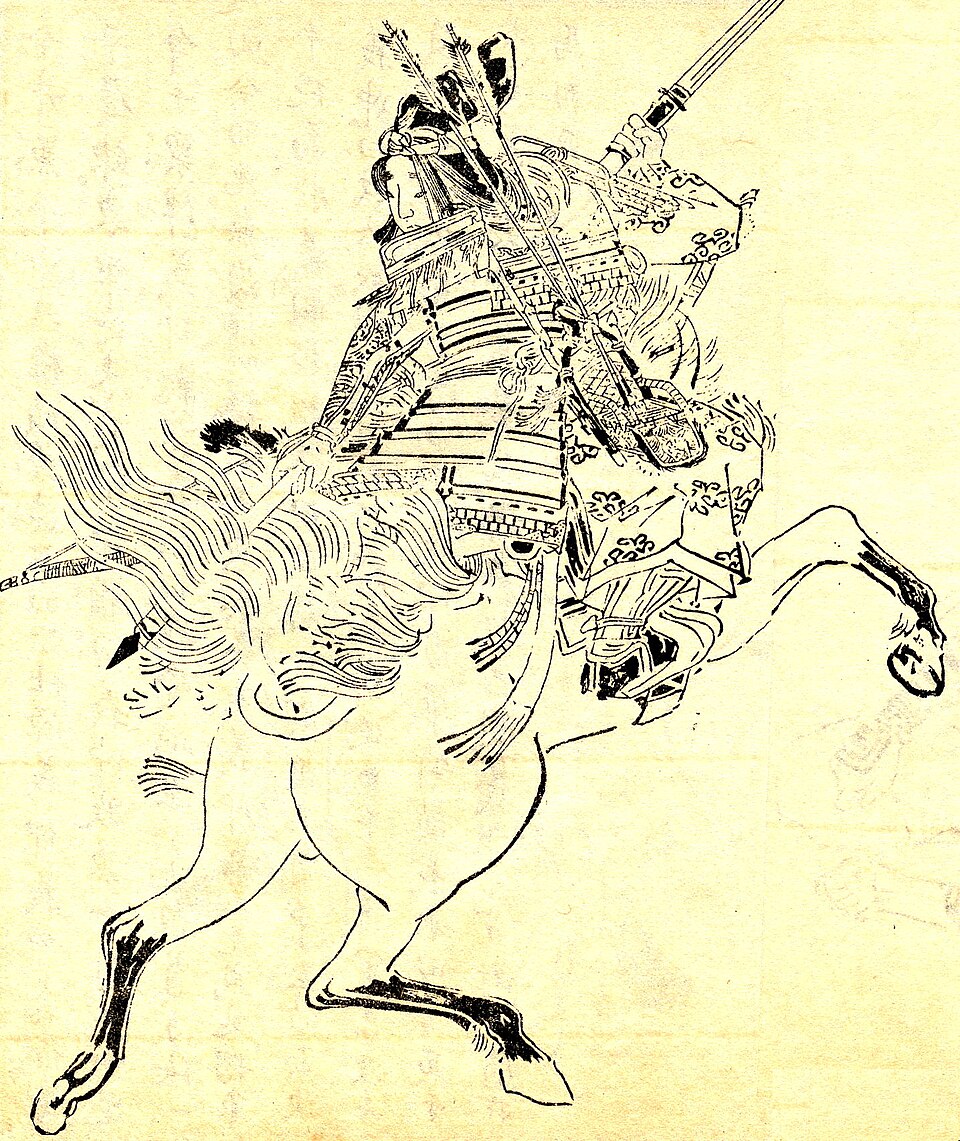
My toughest was Awazu, in 1184. We were losing, my child. My lord Yoshinaka saw his men falling one by one around him. Fear? Yes, it was there, cold in my belly. But it doesn't decide for you. I charged one last time, and I struck down several enemies before the end. It wasn't to win—we had already lost. It was so as not to end in tears. When you know you can no longer conquer, one thing remains to choose: the manner of your departure. I chose to leave standing.
When you can no longer conquer, you still choose how you leave.
—Why did you leave instead of dying with your lord?
That is a question that still grips my heart. At Awazu, Yoshinaka ordered me to leave. You see, in the code of bushidō—the warrior's honor—you must obey your lord even when it tears you apart. He wanted to die as a man, without a woman at his side in his last moment. I wanted to stay. But staying would have been disobeying him. So I withdrew, my face in tears, looking back one last time. It is not cowardice to live when you are ordered to live. Sometimes it is the hardest courage.
It is not cowardice to live when you are ordered to live.
—Did your enemies hate you or respect you?
Both, my child, and it is strange to say. I was described in an old tale, the Heike Monogatari, as able to face a thousand enemies without fear. Do you know what that means? Even those who wanted my death recounted my exploits! A warrior respects courage, even in the one across from him. When you meet someone brave with weapons in hand, you recognize something of yourself in them. That is the samurai's way: we fight, but we admire. The enemy of today, we speak of with respect in the evening, around the fire.
A warrior respects courage, even in the one across from him.
—Wasn't all that armor too heavy to move in?
Oh yes, it was heavy! The samurai armor, the yoroi, consisted of iron plates laced together, heavy on the shoulders. Imagine carrying a big sack of rice stuck to your whole body, and having to run, jump on a horse, raise the katana—our curved sword. At first, you're exhausted in minutes. But the body gets used to it, as with everything. Under the iron, I wore a kimono and hakama, loose clothes, so the skin wouldn't burn against the metal in summer. You see, even war begins with dressing properly in the morning.
The body gets used to the armor, as with everything, by wearing it.
—What did you do after the war? You can't fight all your life...
You're right, you don't fight all your life. When the Minamoto wars fell silent, I laid down my sword. They say I retired to a Buddhist monastery to become a nun. Imagine the silence, after the din of battles: no more cries, just the wind in the pines and the temple bells. It was another kind of courage. Facing the memory of the dead, praying for them, living slowly. The warrior's path does not always end in blood, my child. Sometimes it ends in calm, kneeling on a mat.
The warrior's path does not always end in blood; sometimes, in calm.
—Didn't you miss the fights when you were at the temple?
A part of me did, yes. The gallop, the whistle of the arrow, my heart beating fast. But you know, when you have fought much, you have also wept much. I saw my lord Yoshinaka die and so many companions. At the temple, I could finally carry their memory without armor. Bushidō speaks not only of battles: it also speaks of inner peace, of what you become when you lay down your weapons. I spent years taming my horses. I spent even more years taming my own sadness.
I spent years taming my horses; even more taming my sadness.
—How does it feel to know people still talk about you in books?
It is very strange, my child, and a little dizzying. Storytellers placed my name in the Heike Monogatari and in other chronicles like the Azuma Kagami. From being told so often, the real Tomoe—the one who was cold, afraid, who wept—became a kind of legend. Sometimes they exaggerate my strength, embellish my exploits. I don't always recognize myself! But if my story helps two children like you stand tall the day they are afraid, then let them tell it. A life is worth mainly what it leaves to others.
A life is worth mainly what it leaves to others.

This imaginary interview was generated by artificial intelligence from sources documented in Tomoe Gozen's profile. It dramatises what the figure might have said based on what we know about them, but does not constitute attested historical testimony. For primary sources and factual documentation, refer to the full profile.