Imaginary dialogue between Auguste (Octave) and Virgil
by Charactorium · Virgil (69 av. J.-C. — 18 av. J.-C.) · Literature · 5 min read
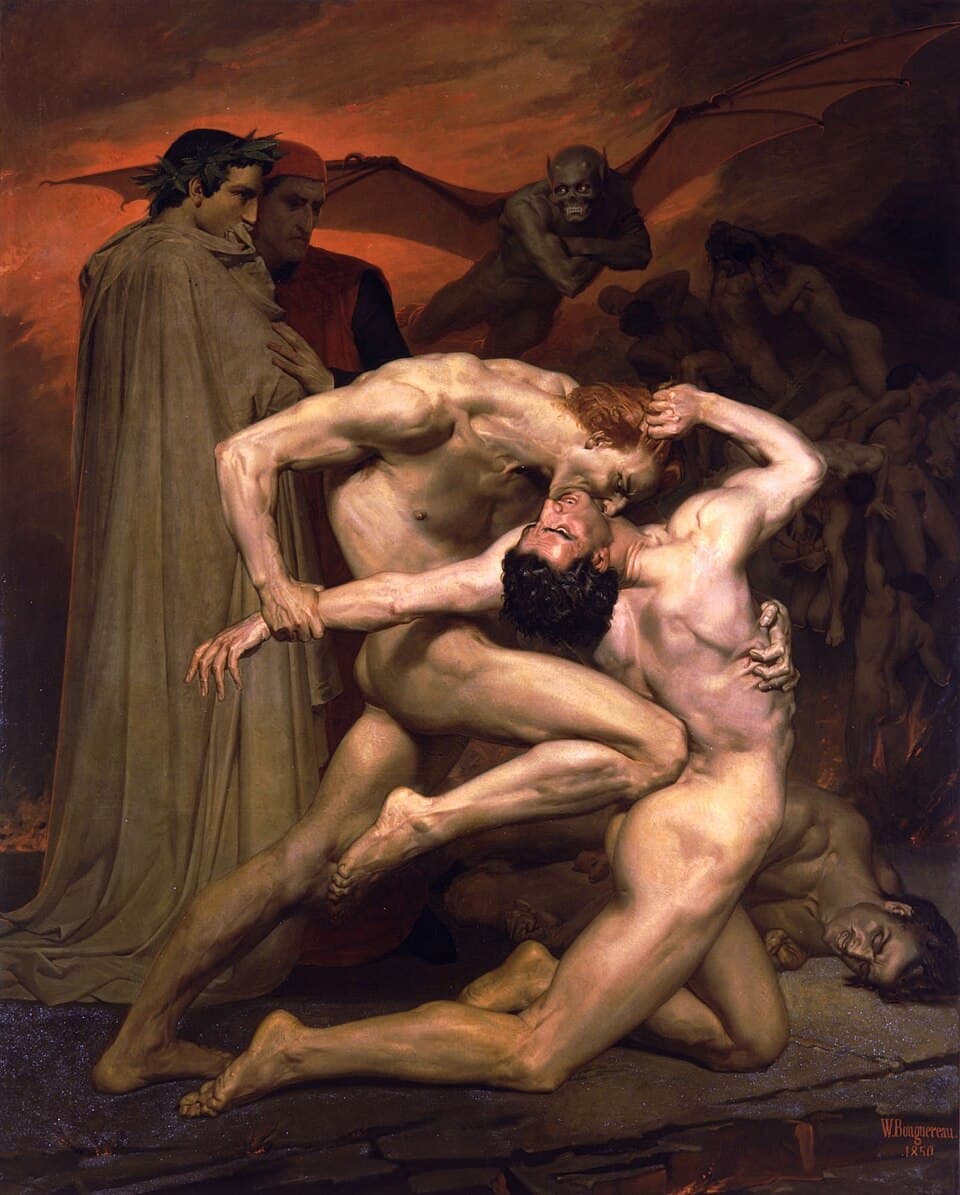
It is at Brindisium, in a room swept by the sea air of the Adriatic, that Augustus watches over Virgil in this late summer of 19 BC. They have returned together from Greece, but fever seized the poet on the journey back, and the oil lamp trembles near the bed where the scrolls of the unfinished Aeneid lie. The prince and the poet have known each other since the civil wars: one restored the other's lands, the other sang Rome for him. Augustus sits at his friend's bedside, not as a master, but as a worried reader for a work he refuses to see perish.
—My dear Virgil, we returned from Greece together, and here you are bedridden. Why did you beg me to deliver your Aeneid to the flames?
Because it is not finished, and you know it better than anyone, you who saw me spend twelve years on it. I had left for Greece to polish it three more years, verse after verse, and now fever cuts my path short. There remain lame verses, suspended half-lines, passages I would not dare show to a neighborhood grammarian. A poem one has not completed belongs to no one — least of all to Rome, which deserves better than a draft. I prefer it to disappear rather than survive imperfect under my name. You have known me demanding; understand that it is out of respect for you, and for what you expect of me, that I want to burn it.
A poem one has not completed belongs to no one — least of all to Rome.
—You have entrusted your verses to Varius and Plotius Tucca for years. What do you truly want them to do with them, if I override your will?
They know me as two brothers know a third: they know where I would have blushed. If you refuse the fire — and I see well in your eyes that you will refuse it — then let them correct nothing. Let them not add a single word to fill my silences, let them leave the half-verses breathing as I left them. Better an honest scar than a mendacious repair. You are the prince, I cannot disobey you even in death; but grant me this, old friend: let the work appear naked, without pretending it is whole. That is all I ask of those who love me.
Let them leave the half-verses breathing as I left them.
—Remember: in the worst hours of the civil wars, your lands near Mantua were taken from you, and it was I who restored them. What do you keep of that?
I keep it all, Octavian — forgive me, Augustus, my tongue returns to the old name. I had seen veterans plant their boundary stones in my father's field, and a shepherd driven from his roof is a world collapsing. From that wound my Eclogues were born: 'Tityrus, lying under a broad beech tree, you cultivate the rustic pipe.' This Tityrus you read is the man to whom a young god restored his peace — and that young god was you. I sang of shepherds because I could not sing of war without weeping. You gave me back a land; I gave you back a voice.
You gave me back a land; I gave you back a voice.
—They say in Rome that you flee the streets as soon as you are recognized, that you hide in houses. Where does this fear of the crowd come from?
It comes from the pit of my stomach, I cannot help it. When a passerby points at me in the Forum, I look for the first open door like a hare looks for its burrow. I am not made for the rostrum or for acclamations; my place is at dawn, alone, before my wax tablets, erasing ten verses to keep one. Glory seems to me a coat too large, cut for an orator's shoulders, not for those of a man from Mantua who blushes. You who appear before the people without trembling cannot know the weight of another's gaze on one who loves only silence and the page.
Glory seems to me a coat too large, cut for an orator's shoulders.
—In your Aeneid, you make Aeneas the distant ancestor of my house. Why did you tie the fate of Troy to that of my family?
Because Rome needed a memory worthy of its present. When I wrote 'I sing of arms and the man who, fleeing the shores of Troy, came to Italy by fate', I was not only telling of a shipwreck: I traced the thread back to you. Aeneas carries his father on his shoulders and his son by the hand — piety, duty, the weight of ancestors. That is what I wanted to lay at the cradle of your lineage, not flattery, but burden. You are not master by chance, says the poem; you are the culmination of a destiny begun under the burning walls of Ilium. That is what I offer you: not a crown, but a genealogy.
That is what I offer you: not a crown, but a genealogy.
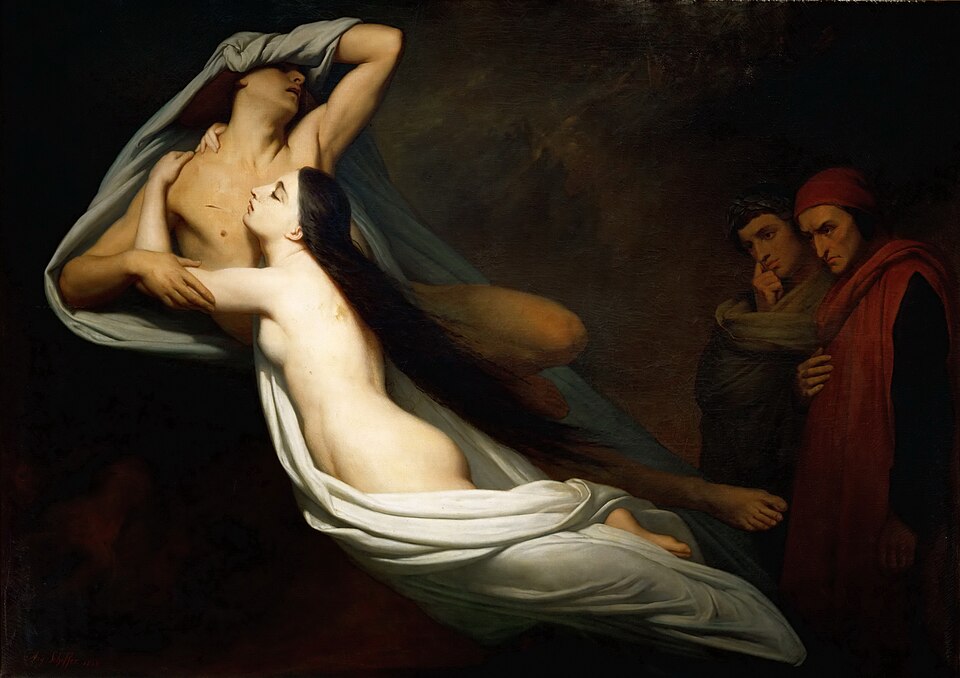
—Some in Rome whisper that you have merely magnified my power. Does it weigh on you that your song is read that way?
Let them whisper, I will not correct fools. I sang of Rome because I saw what the other Rome was: that of proscriptions, stolen fields, brothers slaughtering each other under the standards. After Actium, the world stopped bleeding, and a poet is not ashamed to celebrate the peace that lets him write. But look closely at my poem: there is Dido abandoned who tears my heart, there are deaths that serve nothing, there is the price of destiny. I did not paint a triumph without tears. Glorify, yes — but also saying what greatness costs those it crushes.
I did not paint a triumph without tears.
—Before the Aeneid, you had dedicated your Georgics to Maecenas. What do you truly owe to this friend who watches over our poets?
I owe him leisure, which is the true bread of poets. Without Maecenas, I would have had to chase after clients and lawsuits instead of chasing after the right word. It was to him I spoke when opening the poem: 'It is of you, Maecenas, that I shall sing the art of cultivating fields.' Those four books on wheat, the vine, bees, and oxen, I filed them as one sharpens a scythe — to show that Italy stands by the work of the fields as much as by arms. You and he gave me time; I had only my patience to give in return. Patronage does not buy verses, Augustus: it buys years of silence to let them ripen.
Patronage does not buy verses: it buys years of silence to let them ripen.
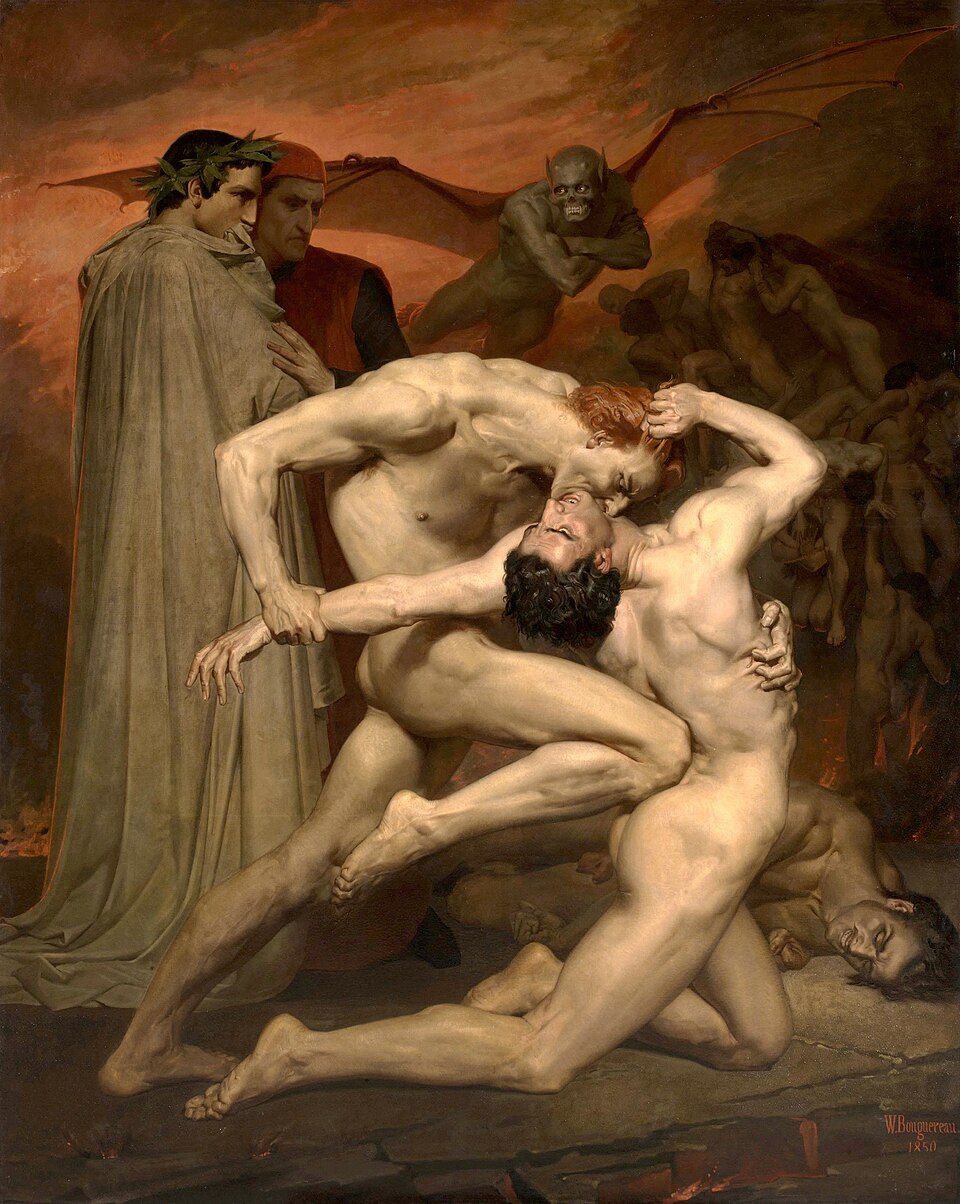
—I often asked you for your new verses. How do you work, you, when no one watches?
I work like a bear, they say laughing in Rome: I lick my verses until they take shape. At daybreak, when the air is cool and the house silent, I dictate a crowd of lines, a broad flow, unchecked. Then comes the long torment: I spend the day cutting away, planing, until only a handful remain that I dare keep. Some mornings I dictate fifty verses and by evening I have saved three. You sometimes urged me to go faster; but a verse rushed shows like a crack in marble. Better a few well-cut stones than a wall that collapses at the first rain.
Some mornings I dictate fifty verses and by evening I have saved three.
—Twelve years on a single work, and you still judge it unworthy. What in this poem gives you no rest?
It grows faster than I can finish it. Each book I complete opens three others; Aeneas descends into the Underworld and I descend with him without knowing if I will return. I have battles left that I only sketched, transitions that creak, an ending I sense but cannot grasp. A sculptor can stop when the marble resists him; the poet, however, always hears the better verse that hides behind the one he wrote. That is why I wanted the fire: not from disgust, but because I love it too much to leave it lame. One does not abandon a child to the street because it has not finished growing — one hides it, or mourns it.
The poet always hears the better verse that hides behind the one he wrote.
—At my court, they would gladly crown you with laurel among the foremost. What does this honor of poets represent for you?
The laurel is the tree of Apollo, and I honor it as such — but on my brow, it bothers me more than it adorns. I do not write for the crown; I write because a poorly turned verse keeps me awake at night. The baths, the banquets where one recites aloud to win applause, all that tires me before I even enter. Keep your laurels for those who know how to enjoy them in the light. As for me, my only honor will be that one day, perhaps, a plowman in an Italian field mutters one of my verses without knowing it is mine. That anonymity is worth all the crowns your court could weave for me.
My only honor will be that a plowman mutters one of my verses without knowing it is mine.
Read further
This imaginary interview was generated by artificial intelligence from sources documented in Virgil's profile. It dramatises what the figure might have said based on what we know about them, but does not constitute attested historical testimony. For primary sources and factual documentation, refer to the full profile.