Kids interview Virgil
by Charactorium · Virgil (69 av. J.-C. — 18 av. J.-C.) · Literature · 4 min read
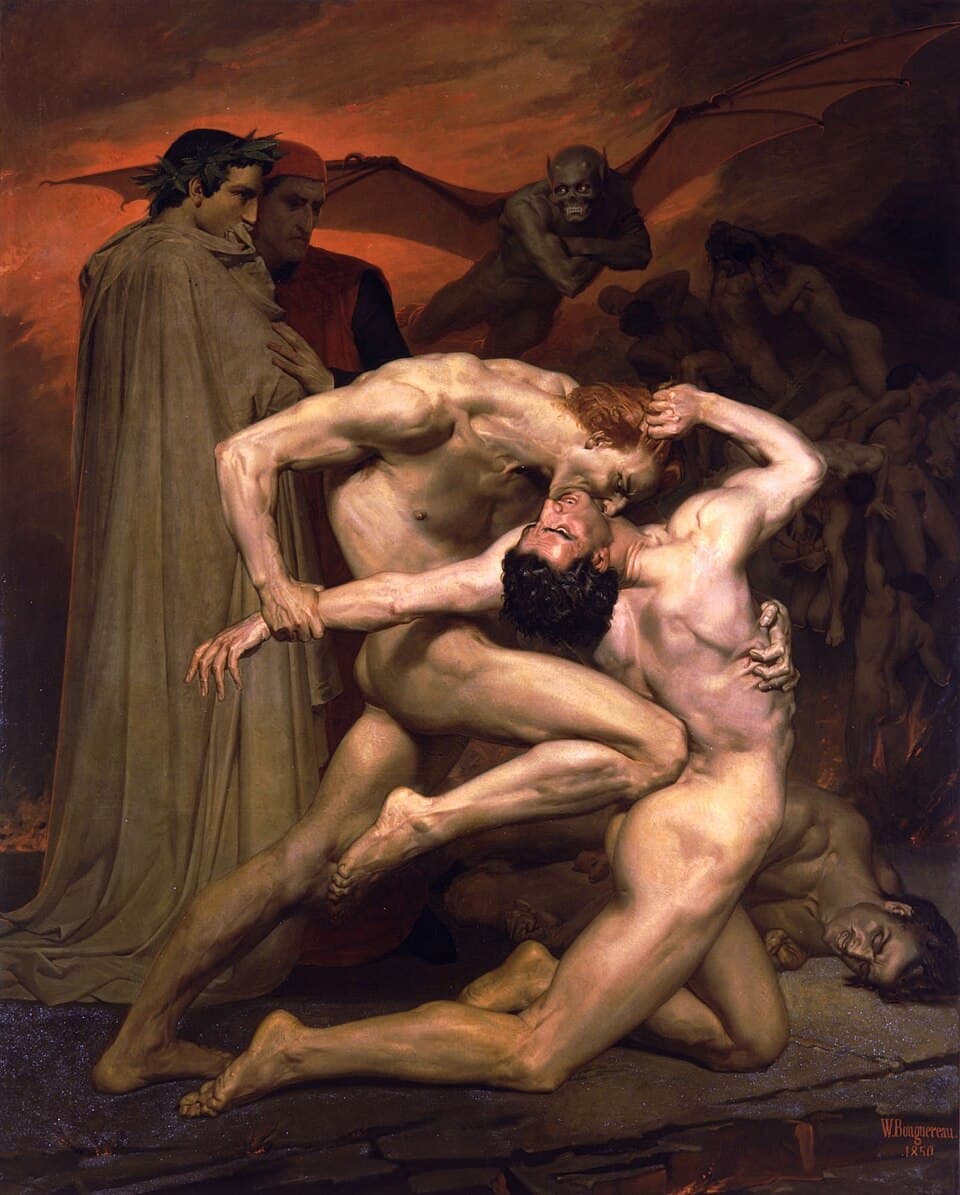
In the courtyard of an old villa, near a laurel tree, two students about twelve years old approach a discreet man with a gentle gaze. He has spent his life writing verses on wax tablets. Today, he agrees to answer their questions.
—Is it true that your lands were taken from you when you were young?
Yes, my child, and it hurt me deeply. I was born near Mantua, in a small corner of the countryside, amidst fields and herds. At that time, generals were waging war across the land. To reward their soldiers, they confiscated the lands of families like mine. Imagine: you come home, and a soldier is already sleeping in your house. That's what happened to many of my neighbors. According to what is told, it was the young Octavian, who would become Augustus, who helped me recover my fields. One never forgets the one who gives you back your home.
One never forgets the one who gives you back your home.
—So, is that why you wrote about him, to thank him?
You ask a very subtle question, young man. Let's say the two are intertwined. Octavian, who became Augustus, had brought peace after years of terrible wars. And I owed him my restored fields. So in my great epic, the Aeneid, I linked his family to an ancient hero. But be careful: I was not lying to flatter. I truly believed Rome had a beautiful destiny. A poet, you see, can serve his country without ceasing to say what he thinks. It's a fragile balance, like walking on a low wall.
A poet can serve his country without ceasing to say what he thinks.
—Before heroes and battles, what did you write about?
About shepherds, believe it or not! My first poems were called the Eclogues. Shepherds singing in the shade, playing a small reed pipe. One of my verses begins like this: “Tityrus, lying under a spreading beech, you cultivate the rustic pipe.” A rustic pipe is a shepherd's flute. Why write that while men were killing each other? Precisely to offer a refuge. When the world becomes too harsh, one needs a corner of meadow to rest one's heart. My readers found some calm there. It was like breathing after running.
When the world becomes too harsh, one needs a corner of meadow to rest one's heart.
—And after the shepherds, did you talk about farms?
Exactly! My second great poem, the Georgics, is about fields, bees, vines, and tamed oxen. The word means “works of the fields.” I dedicated it to my friend Maecenas, a wealthy man who protected poets: that's called patronage. You might wonder why sing of plowing? Because cultivating the earth is noble. A straight furrow, a buzzing hive, are worth a battle. I spent years finding the right word to describe a simple bee. Beauty often hides in small things.
Beauty often hides in small things.
—What's the story of the Aeneid, really?
It's the story of a man who lost everything, my child. His name is Aeneas. His city, Troy, burns and falls. So he flees across the sea with his old father on his back and his little boy by the hand. The poem begins: “I sing of arms and the man who, fleeing the shores of Troy, came to Italy.” After a thousand storms, he arrives in Italy, and his descendants will found Rome. It's an epic, that is, a long poem recounting the exploits of a hero. I wanted to give Rome a story as beautiful as that of the Greeks.
It's the story of a man who lost everything, and who sets out again anyway.
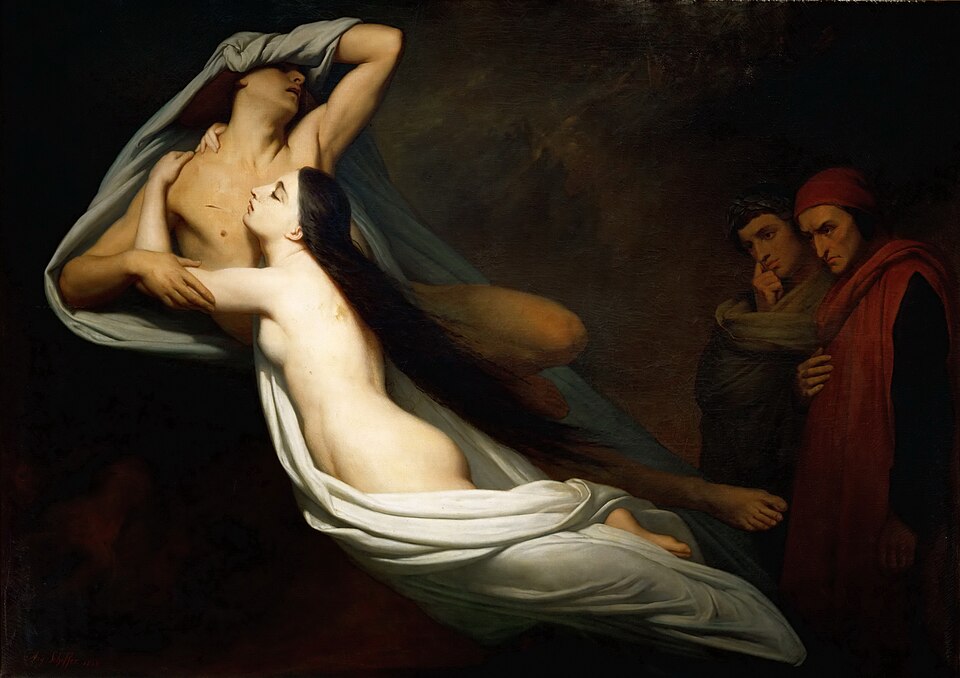
—There's a magical lady who predicts the future, right?
Ah, you already know the Sibyl! Yes. In my story, Aeneas arrives near Cumae, an ancient Greek city by the sea, not far from Naples. There lives a mysterious priestess who speaks in the name of the god Apollo. She is called the Sibyl. She leads Aeneas into the underworld so he can see the future of his lineage. Imagine a dark cave, carved into the rock, where a voice echoes. It gives you chills, doesn't it? I liked to blend old Greek legends into my Roman story. A people without legends is a people without roots.
A people without legends is a people without roots.
—They say you were very shy. Was that true?
Terribly, yes! You see, I was already famous, and it embarrassed me. When someone recognized me on a street in Rome, I blushed and hid in the nearest house. Some even say I fled the city to be left alone. Yet the emperor Augustus himself admired my verses! Strange situation, isn't it? The greatest man in Rome was waiting for me, and all I wanted was to go back to writing alone, by the light of a small oil lamp. One can make a lot of noise with one's books while being very quiet in life.
One can make a lot of noise with one's books and remain quiet in life.
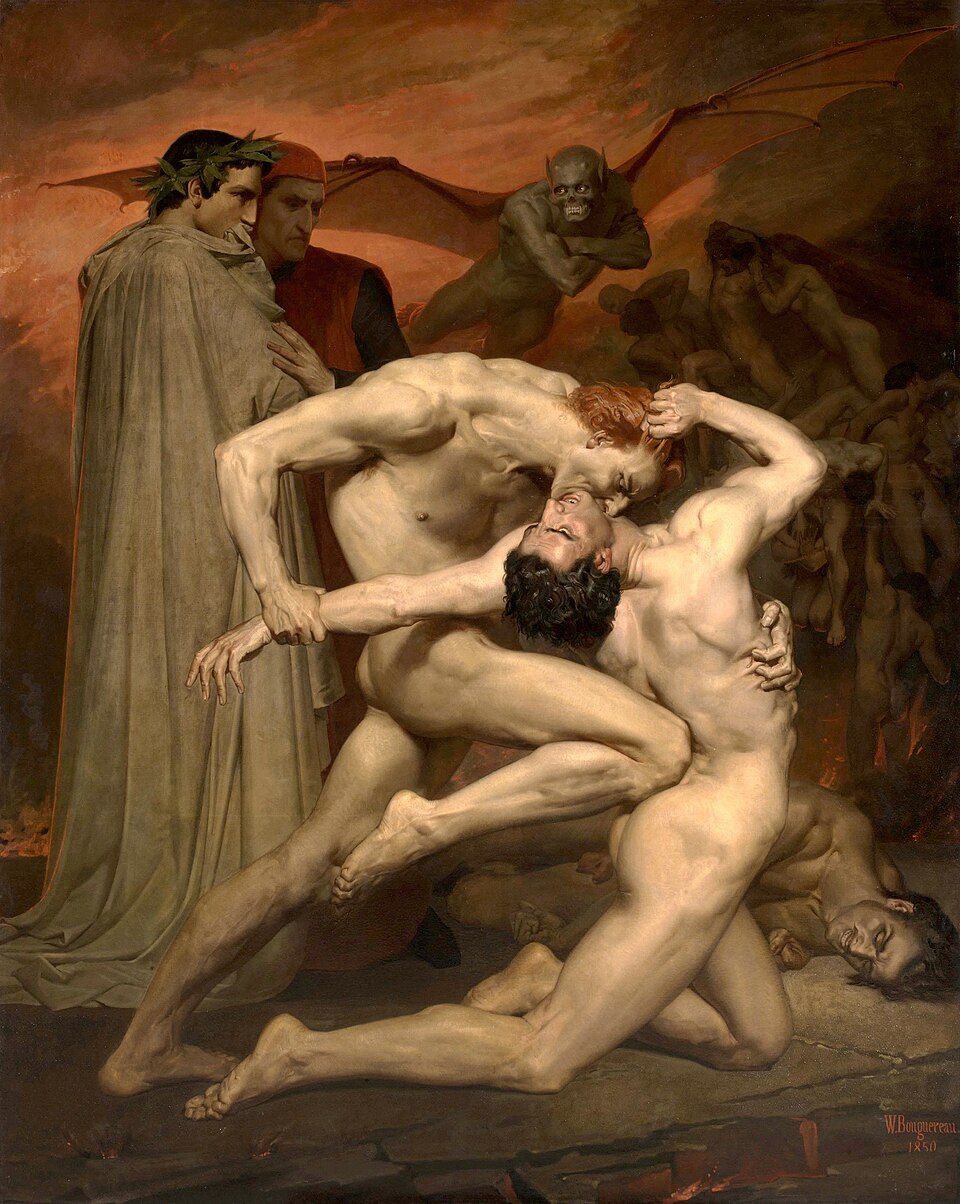
—What did your evenings at important people's homes smell like?
What a lovely question! In the evening, there was the cena, the great meal. Imagine a room lit by oil lamps that smell a bit of smoke. On the tables: bread, fresh cheese, fish, fruits, and wine mixed with water, for they never drank it neat. Sometimes, at Maecenas's or Augustus's, a poet would stand up and recite his verses aloud. That was called a recitation. I preferred to listen rather than speak. I nibbled, a little intimidated, already thinking about the verse I would correct the next morning at dawn.
—Is it true that you spent twelve years writing the Aeneid?
Twelve long years, yes, and I never found it finished! You know, I first wrote on wax tablets, those soft boards where you engrave words with a sharp stylus. The advantage? You can erase everything and start over. And I erased a lot. An entire day for a few verses, sometimes. Some mornings, I dictated several, then spent the rest of the day chiseling them like a sculptor chisels stone. I was always looking for the perfect word. Believe me, writing is not having ideas. Writing is correcting, again and again.
Writing is not having ideas: it's correcting, again and again.
—And is it true that you wanted it burned?
It's true, and I understand that surprises you. At the end of my life, around 19 BC, I fell ill. The Aeneid was not finished to my taste: there were limping verses, passages I wanted to rework. So I asked that the manuscript be destroyed. Can you imagine? Twelve years of work, reduced to ashes! Fortunately, the emperor Augustus refused. My friends Varius and Plotius Tucca saved the poem and published it. Today, you can still read that story. Sometimes, my child, others see in us a beauty that we cannot see ourselves.
Others sometimes see in us a beauty that we cannot see ourselves.
Read further
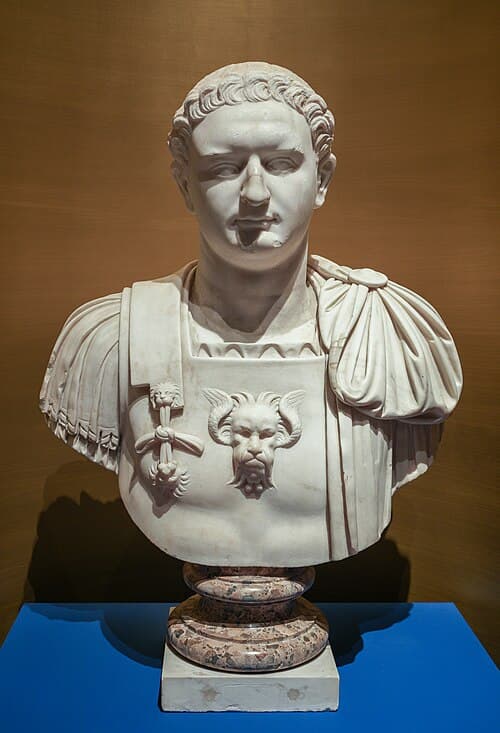
This imaginary interview was generated by artificial intelligence from sources documented in Virgil's profile. It dramatises what the figure might have said based on what we know about them, but does not constitute attested historical testimony. For primary sources and factual documentation, refer to the full profile.